
What's inside
What's inside
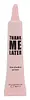 Key Ingredients

Benefits
Concerns
Ingredients Side-by-side
Cyclopentasiloxane
Emollient
Talc
Abrasive
Isododecane
EmollientCyclohexasiloxane
Emollient
Disteardimonium Hectorite
StabilisingVp/Hexadecene Copolymer
Polyisobutene
Trihydroxystearin
Skin Conditioning

CI 77163
Cosmetic Colorant

Silica Dimethyl Silylate
EmollientTrimethylsiloxysilicate
Emollient
Propylene Carbonate
SolventSorbitan Sesquioleate
Emulsifying
Beeswax
Emulsion Stabilising
PEG-40 Stearate
Emulsifying
Caprylyl Glycol
Emollient
Dimethicone
Emollient
Ethylhexylglycerin
Skin Conditioning1,2-Hexanediol
Skin Conditioning
Methicone
Emollient
Tocopheryl Acetate
Antioxidant


Mica
Cosmetic ColorantCI 77891
Cosmetic ColorantCI 77491
Cosmetic ColorantCyclopentasiloxane, Talc, Isododecane, Cyclohexasiloxane, Disteardimonium Hectorite, Vp/Hexadecene Copolymer, Polyisobutene, Trihydroxystearin, CI 77163, Silica Dimethyl Silylate, Trimethylsiloxysilicate, Propylene Carbonate, Sorbitan Sesquioleate, Beeswax, PEG-40 Stearate, Caprylyl Glycol, Dimethicone, Ethylhexylglycerin, 1,2-Hexanediol, Methicone, Tocopheryl Acetate, Mica, CI 77891, CI 77491
Water
Skin ConditioningEthylhexyl Methoxycinnamate
UV Absorber


Butylene Glycol
Humectant
Cyclopentasiloxane
Emollient
Zinc Oxide
Cosmetic Colorant
Isoamyl P-Methoxycinnamate
UV Absorber
Cetyl PEG/PPG-10/1 Dimethicone
Emulsifying
C12-15 Alkyl Benzoate
AntimicrobialDiphenylsiloxy Phenyl Trimethicone
Skin Conditioning
Ethylhexyl Salicylate
UV Absorber
Niacinamide
Smoothing







Undecane
EmollientBis-Ethylhexyloxyphenol Methoxyphenyl Triazine
UV Absorber
Silica
Abrasive
Cyclohexasiloxane
Emollient
Isododecane
EmollientAcrylates/Polytrimethylsiloxymethacrylate Copolymer
Skin ConditioningTridecane
Perfuming

Euphorbia Cerifera Wax
Butyl Methoxydibenzoylmethane
UV Absorber
Sorbitan Olivate
Emulsifying
Magnesium Sulfate
Synthetic Beeswax
Emulsion Stabilising
Dipropylene Glycol
HumectantHydroxyacetophenone
Antioxidant
Disteardimonium Hectorite
StabilisingChlorphenesin
Antimicrobial
Trihydroxystearin
Skin Conditioning
Mica
Cosmetic ColorantCaprylyl Glycol
Emollient
Triethoxycaprylylsilane
Propylene Carbonate
SolventPolyhydroxystearic Acid
Emulsifying
Parfum
Masking
Polyester-1
Dimethicone
Emollient
Silica Dimethyl Silylate
EmollientAdenosine
Skin Conditioning
Methyl Salicylate
Perfuming
Pentaerythrityl Tetra-Di-T-Butyl Hydroxyhydrocinnamate
Antioxidant
Tocopherol
Antioxidant
Glycerin
Humectant
Dipotassium Glycyrrhizate
Humectant
Ceramide NP
Skin Conditioning
Propanediol
Solvent
Sodium Hyaluronate Crosspolymer
Humectant
Hydrolyzed Glycosaminoglycans
Humectant1,2-Hexanediol
Skin Conditioning
Caprylic/Capric Triglyceride
Masking
Hydrogenated Phosphatidylcholine
Emulsifying
Sodium Hyaluronate
Humectant
Centella Asiatica Extract
Cleansing
Sucrose Stearate
EmollientBenzyl Glycol
SolventCetearyl Alcohol
Emollient
Hydrolyzed Hyaluronic Acid
Humectant
Ethylhexylglycerin
Skin ConditioningAsiatic Acid
Skin Conditioning
Asiaticoside
Antioxidant
Madecassic Acid
Skin Conditioning
Madecassoside
Antioxidant
Hyaluronic Acid
Humectant
CI 77288
Cosmetic ColorantCI 77491
Cosmetic ColorantCI 77492
Cosmetic ColorantCI 77499
Cosmetic ColorantCI 77891
Cosmetic ColorantWater, Ethylhexyl Methoxycinnamate, Butylene Glycol, Cyclopentasiloxane, Zinc Oxide, Isoamyl P-Methoxycinnamate, Cetyl PEG/PPG-10/1 Dimethicone, C12-15 Alkyl Benzoate, Diphenylsiloxy Phenyl Trimethicone, Ethylhexyl Salicylate, Niacinamide, Undecane, Bis-Ethylhexyloxyphenol Methoxyphenyl Triazine, Silica, Cyclohexasiloxane, Isododecane, Acrylates/Polytrimethylsiloxymethacrylate Copolymer, Tridecane, Euphorbia Cerifera Wax, Butyl Methoxydibenzoylmethane, Sorbitan Olivate, Magnesium Sulfate, Synthetic Beeswax, Dipropylene Glycol, Hydroxyacetophenone, Disteardimonium Hectorite, Chlorphenesin, Trihydroxystearin, Mica, Caprylyl Glycol, Triethoxycaprylylsilane, Propylene Carbonate, Polyhydroxystearic Acid, Parfum, Polyester-1, Dimethicone, Silica Dimethyl Silylate, Adenosine, Methyl Salicylate, Pentaerythrityl Tetra-Di-T-Butyl Hydroxyhydrocinnamate, Tocopherol, Glycerin, Dipotassium Glycyrrhizate, Ceramide NP, Propanediol, Sodium Hyaluronate Crosspolymer, Hydrolyzed Glycosaminoglycans, 1,2-Hexanediol, Caprylic/Capric Triglyceride, Hydrogenated Phosphatidylcholine, Sodium Hyaluronate, Centella Asiatica Extract, Sucrose Stearate, Benzyl Glycol, Cetearyl Alcohol, Hydrolyzed Hyaluronic Acid, Ethylhexylglycerin, Asiatic Acid, Asiaticoside, Madecassic Acid, Madecassoside, Hyaluronic Acid, CI 77288, CI 77491, CI 77492, CI 77499, CI 77891
Reviews
Ingredients Explained
These ingredients are found in both products.
Ingredients higher up in an ingredient list are typically present in a larger amount.
1,2-Hexanediol is a synthetic liquid and another multi-functional powerhouse.
It is a:
- Humectant, drawing moisture into the skin
- Emollient, helping to soften skin
- Solvent, dispersing and stabilizing formulas
- Preservative booster, enhancing the antimicrobial activity of other preservatives
Caprylyl Glycol is a humectant, skin conditioner, emollient, and preservative booster derived from either caprylic acid or synthetically created.
Typical use levels vary from 0.3-1% as a preservative booster and go up to 2% to condition skin.
Because it is not a free-fatty acid, this ingredient is fungal acne safe (there's nothing for Malassezia to feed on).
Learn more about Caprylyl GlycolCi 77491 is also hydrated iron III oxide. It's sole purpose is to give a red/pink hue to products.
Iron III oxides are classified as inorganic chemicals for coloring.
Synthetically created Ci 77491 is considered safer than those naturally found. This is because the synthetically created version may contain less impurities. Iron oxides are generally non-toxic and non-allergenic.
Learn more about CI 77491Ci 77891 is a white pigment from Titanium dioxide. It is naturally found in minerals such as rutile and ilmenite.
It's main function is to add a white color to cosmetics. It can also be mixed with other colors to create different shades.
Ci 77891 is commonly found in sunscreens due to its ability to block UV rays.
Learn more about CI 77891Cyclohexasiloxane is a type of silicone more commonly known as D6. It is an emollient and solvent.
Cyclohexasiloxane is used to evenly distribute ingredients throughout the product. When applied to the skin, Cyclohexasiloxane evaporates and leaves behind a silky feel.
As an emollient, it can help the skin feel soft and hydrated. It is also used to reduce frizz in hair products.
Learn more about CyclohexasiloxaneCyclopentasiloxane (D5) is a lightweight silicone that mostly acts as an emollient and solvent in cosmetics. Its the reason your products feel silky, fast-spreading, and non-greasy.
Since D5 is volatile, it does its thing and then evaporates off the skin quickly.
The safety profile of this ingredient is reassuring; the US CIR Expert Panel concluded D5 is safe as used in cosmetics and Health Canada concluded that D5 is not harmful to human health or the environment as currently used in cosmetics
There's a study that people mention about D5 in a rat study showing tumors. This study is related to long-term inhalation of high D5 levels.
Regulatory bodies have judged this study to be not applicable in topical skincare since skin absorption of D5 is very low and we're not really inhaling huge amounts of D5.
The only restriction for this ingredient is environmental. The European Chemicals Agency (ECHA) restricted D5 in wash-off cosmetics at or above 0.1% due to their persistence in water.
Learn more about CyclopentasiloxaneDimethicone is a type of synthetic silicone created from natural materials such as quartz. It is also known as polydimethylsiloxane.
What it does:
Dimethicone comes in different viscosities:
Depending on the viscosity, dimethicone has different properties.
Ingredients lists don't always show which type is used, so we recommend reaching out to the brand if you have questions about the viscosity.
This ingredient is unlikely to cause irritation because it does not get absorbed into skin. However, people with silicone allergies should be careful about using this ingredient.
Note: Dimethicone may contribute to pilling. This is because it is not oil or water soluble, so pilling may occur when layered with products. When mixed with heavy oils in a formula, the outcome is also quite greasy.
Learn more about DimethiconeDisteardimonium Hectorite comes from the clay mineral named hectorite. It is used to add thickness to a product.
It can also help stabilize a product by helping to disperse other ingredients.
Hectorite is a rare, white clay mineral.
Learn more about Disteardimonium HectoriteEthylhexylglycerin is created from glycerin. It is a multitasker ingredient that:
The CIR Expert Panel found minimal skin absorption or sensitization of any kind in a safety assessment. Though this ingredient is considered well-tolerated, a small number of cases of allergic dermatitis have been published since 2002. Just be sure to patch test if you are unsure.
Industry-reported use ranges from 8% in rinse-off products and 2% in leave-on formulations.
Learn more about EthylhexylglycerinIsododecane is a fragrance, emollient, and solvent.
As an emollient, it helps your skin stay soft and hydrated. Emollients help trap moisture into your skin.
Isododecane's role as a solvent makes it a great texture enhancer. It spreads smoothly on skin and does not leave a sticky feeling behind. Isododecane also helps prevent color transfer in makeup products.
Isododecane is not absorbed into skin.
The chemical name for this ingredient is 2,2,4,6,6-PENTAMETHYLHEPTANE.
Learn more about IsododecaneMica is a naturally occurring mineral used to add shimmer and color in cosmetics. It can also help improve the texture of a product or give it an opaque, white/silver color.
Serecite is the name for very fine but ragged grains of mica.
This ingredient is often coated with metal oxides like titanium dioxide. Trace amounts of heavy metals may be found in mica, but these metals are not harmful in our personal products.
Mica has been used since prehistoric times throughout the world. Ancient Egyptian, Indian, Greek, Roman, Aztec, and Chinese civilizations have used mica.
Learn more about MicaThis ingredient is a solvent. It helps dissolve active ingredients and alter the texture of products.
Propylene Carbonate is commonly used in makeup and with clay, such as montmorillonite or bentonite.
Studies show this ingredient to be safe for cosmetics. When it is undiluted, it can cause skin irritation. (It is always diluted in skincare and makeup). This ingredient is water-soluble.
Propylene Carbonate is created from propylene glycol and carbonic acid.
Learn more about Propylene CarbonateThis silica is mainly used to thicken oils and suspend particles in oils. It is not water soluble.
According to the manufacturer, it:
The manufacturer also claims this ingredient to be useful in makeup.
In lipstick formulations, this ingredient improves color payoff, reduces pigment settling, and reduces oil bleeding. This ingredient also improves the grip of powder products such as dry shampoos.
Learn more about Silica Dimethyl SilylateTrihydroxystearin is what you get when you fully hydrogenate castor oil into a waxy, fine powder.
It's mostly a behind-the-scenes texture enhancer that's especially good at "thixotropic" thing where the product stays thick but applies nicely.
Because of its structure, it also acts as a mild skin conditioning emollient that helps soften skin while preventing moisture loss.
Safety studies show it to be safe and non-irritation in clinical tests. It's typically used in concentrations up to 5%.
Since its an ester of a C18 fatty acid, it falls into the C11-24 range that Malassezia can potentially feed on. This makes it not fungal-acne safe.
Learn more about Trihydroxystearin

