
What's inside
What's inside
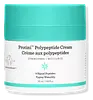 Key Ingredients
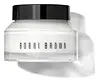
Benefits
Concerns
Ingredients Side-by-side
Water
Skin ConditioningDicaprylyl Carbonate
EmollientGlycerin
Humectant


Cetearyl Alcohol
Emollient




Cetearyl Olivate
Sorbitan Olivate
Emulsifying
Sclerocarya Birrea Seed Oil
Humectant
Bacillus/Folic Acid Ferment Filtrate Extract
Antioxidant
Nymphaea Alba Root Extract
Skin ConditioningSh-Oligopeptide-1
Skin Conditioning

Sh-Oligopeptide-2
Skin Conditioning
Sh-Polypeptide-1
Skin Conditioning
Sh-Polypeptide-9
Skin Conditioning
Sh-Polypeptide-11
Copper Palmitoyl Heptapeptide-14
Skin Conditioning
Heptapeptide-15 Palmitate
Skin Conditioning
Palmitoyl Tetrapeptide-7
Skin Conditioning
Palmitoyl Tripeptide-1
Skin Conditioning
Alanine
Masking
Arginine
Masking
Glycine
Buffering
Histidine
Humectant
Isoleucine
Skin ConditioningPhenylalanine
Masking
Proline
Skin Conditioning
Serine
Masking
Threonine
Valine
MaskingAcetyl Glutamine
Skin ConditioningCoconut Alkanes
Emollient
Coco-Caprylate/Caprate
Emollient
Sodium Hyaluronate
Humectant

Aspartic Acid
Masking
Linoleic Acid
Cleansing

Linolenic Acid
Cleansing
Lecithin
Emollient
Butylene Glycol
Humectant
Polyvinyl Alcohol
Sodium Lactate
Buffering
Sodium PCA
Humectant
PCA
Humectant
Sorbitan Isostearate
Emulsifying
Carbomer
Emulsion StabilisingPolysorbate 20
Emulsifying
Polysorbate 60
Emulsifying
Lactic Acid/Glycolic Acid Copolymer
Skin ConditioningHydroxyethyl Acrylate/Sodium Acryloyldimethyl Taurate Copolymer
Emulsion StabilisingXanthan Gum
EmulsifyingIsomalt
Humectant1,2-Hexanediol
Skin Conditioning
Caprylyl Glycol
Emollient
Chlorphenesin
Antimicrobial
Phenoxyethanol
Preservative
Tocopherol
Antioxidant

Sodium Benzoate
Masking
Phenylpropanol
Masking
Glyceryl Caprylate
EmollientSymphytum Officinale Callus Culture Extract
Skin ConditioningWater, Dicaprylyl Carbonate, Glycerin, Cetearyl Alcohol, Cetearyl Olivate, Sorbitan Olivate, Sclerocarya Birrea Seed Oil, Bacillus/Folic Acid Ferment Filtrate Extract, Nymphaea Alba Root Extract, Sh-Oligopeptide-1, Sh-Oligopeptide-2, Sh-Polypeptide-1, Sh-Polypeptide-9, Sh-Polypeptide-11, Copper Palmitoyl Heptapeptide-14, Heptapeptide-15 Palmitate, Palmitoyl Tetrapeptide-7, Palmitoyl Tripeptide-1, Alanine, Arginine, Glycine, Histidine, Isoleucine, Phenylalanine, Proline, Serine, Threonine, Valine, Acetyl Glutamine, Coconut Alkanes, Coco-Caprylate/Caprate, Sodium Hyaluronate, Aspartic Acid, Linoleic Acid, Linolenic Acid, Lecithin, Butylene Glycol, Polyvinyl Alcohol, Sodium Lactate, Sodium PCA, PCA, Sorbitan Isostearate, Carbomer, Polysorbate 20, Polysorbate 60, Lactic Acid/Glycolic Acid Copolymer, Hydroxyethyl Acrylate/Sodium Acryloyldimethyl Taurate Copolymer, Xanthan Gum, Isomalt, 1,2-Hexanediol, Caprylyl Glycol, Chlorphenesin, Phenoxyethanol, Tocopherol, Sodium Benzoate, Phenylpropanol, Glyceryl Caprylate, Symphytum Officinale Callus Culture Extract
Trehalose
Humectant
Dimethicone
Emollient
Butylene Glycol
Humectant
Cetyl Alcohol
Emollient
Ethylhexyl Palmitate
Emollient
Caprylic/Capric/Myristic/Stearic Triglyceride
EmollientAleurites Moluccanus Seed Oil
Skin Conditioning
Myristyl Myristate
Emollient
Glyceryl Stearate
Emollient
Algae Extract
EmollientCetyl Phosphate
EmulsifyingPolyperfluoromethylisopropyl Ether
Skin ConditioningCoriandrum Sativum Seed Oil
Emollient
Rosmarinus Officinalis Leaf
Skin ConditioningRosa Canina Fruit Oil
Emollient
Elettaria Cardamomum Seed Oil
Masking
Lavandula Angustifolia Extract
Skin Conditioning

Jasminum Officinale Oil
Masking
Tocopheryl Acetate
Antioxidant
Cholesterol
Emollient
Linoleic Acid
Cleansing
Glycerin
Humectant
Caffeine
Skin Conditioning
PEG-10 Dimethicone
Skin Conditioning
Myristyl Laurate
Phytantriol
HumectantAcrylates Copolymer
Lecithin
Emollient
Sodium Acrylate/Acrylonitrogens Copolymer
Skin ConditioningPhytosphingosine
Skin Conditioning
Propylene Glycol Stearate
Skin Conditioning
Sodium Hyaluronate
Humectant
Polysorbate 20
Emulsifying
Caprylyl Glycol
Emollient
Sorbitan Laurate
Emulsifying
Myristyl Alcohol
Emollient
Propylene Glycol Laurate
Skin ConditioningTocopherol
Antioxidant
Glycine
Buffering
Sodium Hydroxide
BufferingCarbomer
Emulsion StabilisingHydroxyproline
Skin ConditioningProline
Skin Conditioning
Citric Acid
Buffering

Hexylene Glycol
EmulsifyingDisodium EDTA
Trehalose, Dimethicone, Butylene Glycol, Cetyl Alcohol, Ethylhexyl Palmitate, Caprylic/Capric/Myristic/Stearic Triglyceride, Aleurites Moluccanus Seed Oil, Myristyl Myristate, Glyceryl Stearate, Algae Extract, Cetyl Phosphate, Polyperfluoromethylisopropyl Ether, Coriandrum Sativum Seed Oil, Rosmarinus Officinalis Leaf, Rosa Canina Fruit Oil, Elettaria Cardamomum Seed Oil, Lavandula Angustifolia Extract, Jasminum Officinale Oil, Tocopheryl Acetate, Cholesterol, Linoleic Acid, Glycerin, Caffeine, PEG-10 Dimethicone, Myristyl Laurate, Phytantriol, Acrylates Copolymer, Lecithin, Sodium Acrylate/Acrylonitrogens Copolymer, Phytosphingosine, Propylene Glycol Stearate, Sodium Hyaluronate, Polysorbate 20, Caprylyl Glycol, Sorbitan Laurate, Myristyl Alcohol, Propylene Glycol Laurate, Tocopherol, Glycine, Sodium Hydroxide, Carbomer, Hydroxyproline, Proline, Citric Acid, Hexylene Glycol, Disodium EDTA
Reviews
Ingredients Explained
These ingredients are found in both products.
Ingredients higher up in an ingredient list are typically present in a larger amount.
Butylene Glycol (or BG) is used within cosmetic products for a few different reasons:
Overall, Butylene Glycol is a safe and well-rounded ingredient that works well with other ingredients.
Though this ingredient works well with most skin types, some people with sensitive skin may experience a reaction such as allergic rashes, closed comedones, or itchiness.
Learn more about Butylene GlycolCaprylyl Glycol is a humectant, skin conditioner, emollient, and preservative booster derived from either caprylic acid or synthetically created.
Typical use levels vary from 0.3-1% as a preservative booster and go up to 2% to condition skin.
Because it is not a free-fatty acid or alcohol, this ingredient is fungal acne safe (there's nothing for Malassezia to feed on).
Learn more about Caprylyl GlycolCarbomer is a high-molecular weight polymer of acrylic acid. It is used to form gels and thicken formulas.
Due to its large molecular size, carbomer has minimal skin penetration and is considered an inert ingredient.
A high amount of carbomer can cause pilling or balling up of products. Don't worry, most products contain 1% or less of carbomer.
Learn more about CarbomerGlycerin (or glycerol) is a compound naturally found in your skin. It's a powerhouse humectant that pulls water into the stratum corneum.
Topically, glycerin does several things at once:
Your skin makes glycerin on its own (mostly from sebaceous oil breakdown) and shuttles it to your outermost layer of skin, or your epidermis, via aquaporin-3.
Aquaporin-3 is a transporter that is essential for normal skin hydration, elasticity, and repair. Interestingly, mice lacking in AQP3 have dry and less elastic skin that can be fully corrected with glycerin.
This ingredient is non-irritating, plays well with almost every ingredient, and works across all skin types. Typical use is anywhere between 3-10% but can go up to 79% in some leave-on products.
Just know very high concentrations (>40%) can feel tacky in low humidity.
Glycerin is the name for this ingredient in American English. British English uses Glycerol/Glycerine.
Learn more about GlycerinGlycine is the smallest amino acid and a key building block of collagen. It's part if your skin's Natural Moisturizing Factor (NMF), or the water-loving molecules in your outermost layer of skin (stratum corneum) that keeps everything hydrated and happy.
A study from 2022 found that an amino acid complex featuring taurine, arginine, and glycine significantly reduced skin irritation, improved redness, and accelerated the skin repair process.
Lecithin is a term for a group of substances found in the cell membranes of plants, animals, and humans. They are made up of phospholipids.
Thanks to its amphiphilic structure (water-loving head and oil-loving tail), it is a true multitasker:
It plays well with most ingredients and is typically used at 0.1-1%. However, concentrations up to 50% have been reported in moisturizers.
Depending on the source of this ingredient, lecithin may not be fungal acne safe. This is because some sources of lecithin come from soybean oil, which may feed the malassezia yeast that causes fungal acne.
We recommend reaching out to the brand you are purchasing from to inquire about the source of their lecithin.
Learn more about LecithinLinoleic Acid is also known as Vitamin F. It is a fatty acid with emollient and skin conditioning properties. Our top layer of skin, or epidermis, contains high amounts of linoleic acid naturally.
Your body uses linoleic acid to build ceramides and prostaglandins. Ceramides keep your skin's barrier hydrated and strong while prosaglandins help control inflammation and healing. Needless to say, linoleic acid is crucial for having a strong skin barrier.
One study found applying linoleic acid rich sunflower oil to be more effective at repairing the skin barrier than oleic rich olive oil.
Linoleic acid is an essential fatty acid, meaning our bodies cannot create it on its own. We need to get linoleic acid through foods such as nuts and vegetable oils.
Acne-prone skin tends to have linoleic acid and high levels of oleic acid.
Linoleic acid can also help treat acne by softening sebum to prevent clogged pores. Another study found using 2.5% linoleic acid gel for 4 weeks showed a 25% reduction in small comedones.
This ingredient can also help lighten hyperpigmentation or sun spots by disrupting the melanin production process. It also helps your skin shed melanin pigment from your skin caused by UV exposure.
Due to its role in the production of the fatty acid prostaglandin, linoleic acid can also help reduce inflammation and support wound healing.
Linoleic acid is not always fungal-acne safe; it may trigger flare-ups in sensitive individuals.
Learn more about Linoleic AcidPolysorbate 20 is a gentle, water-soluble emulsifier and mild surfactant. It stops oil and water from separating to keep your formulas blended and stable.
It also acts as a mild penetration enhancer by helping active ingredients absorb slightly better.
The common safety discussion around this ingredient involves a manufacturing byproduct called 1,4-dioxane.
Trace amounts can form during production but the EU's Scientific Committee on Consumer Safety has concluded that levels at/below 10 ppm in finished products are safe (commercial products consistently fall within acceptable margins).
True allergic reactions are uncommon and the CIR Expert Panel has confirmed this ingredient to be safe as used in cosmetics.
Because it is derived from lauric acid, it may not be fungal acne safe.
Learn more about Polysorbate 20Proline is a non-essential amino acid, meaning your body can make it on its own. In skincare, it is a skin conditioning ingredient that keeps skin soft and hydrated.
It makes up about 23% of the collagen molecule (collagen is the protein responsible for keeping your skin firm) and is involved in your skin's natural hyaluronic acid production. When applied topically, proline can penetrate the skin fairly well due to its small molecular size.
Reviews of this ingredient have found it to be neither a dermal irritant nor a sensitizer.
Fun fact: Proline can be found in protein-rich foods like meat, fish, eggs, and dairy.
Learn more about ProlineSodium Hyaluronate is the salt form of hyaluronic acid. It is a long sugar chain that is naturally found in your skin, joints, and connective tissue that maintains hydration and elasticity.
In skincare, it works as a humectant. It pulls water from the environment and deeper layers of skin and binds it to the surface.
Interestingly, the size of the molecule affects its behavior:
Some clinical evidence links low molecular weight versions to improved wrinkle depth, elasticity, anti-inflammatory effects, and barrier repair.
Many serums use a blend of both weights so you can get surface hydration plus longer-lasting and deeper effects.
You'll typically see concentrations between 0.1-2% for this ingredient.
Learn more about Sodium HyaluronateTocopherol (also known as Vitamin E) is a common antioxidant used to help protect the skin from free-radicals and strengthen the skin barrier. It's also fat soluble - this means our skin is great at absorbing it.
Vitamin E also helps keep your natural skin lipids healthy. Your lipid skin barrier naturally consists of lipids, ceramides, and fatty acids. Vitamin E offers extra protection for your skin’s lipid barrier, keeping your skin healthy and nourished.
Another benefit is a bit of UV protection. Vitamin E helps reduce the damage caused by UVB rays. (It should not replace your sunscreen). Combining it with Vitamin C can decrease sunburned cells and hyperpigmentation after UV exposure.
You might have noticed Vitamin E + C often paired together. This is because it is great at stabilizing Vitamin C. Using the two together helps increase the effectiveness of both ingredients.
There are often claims that Vitamin E can reduce/prevent scarring, but these claims haven't been confirmed by scientific research.
Learn more about Tocopherol
