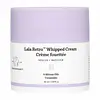
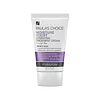
Drunk Elephant Lala Retro Whipped Cream Versus Paula's Choice Moisture Boost Hydrating Treatment Cream

What's inside
What's inside
 Key Ingredients
Benefits
Concerns
Ingredients Side-by-side
Water
Skin ConditioningGlycerin
Humectant



Caprylic/Capric Triglyceride
Masking
Isopropyl Isostearate
Emollient


Pseudozyma Epicola/Camellia Sinensis Seed Oil Ferment Extract Filtrate
Humectant
Glyceryl Stearate Se
Emulsifying
Cetearyl Alcohol
Emollient
Palmitic Acid
Emollient
Stearic Acid
Cleansing
Pentylene Glycol
Skin ConditioningPlantago Lanceolata Leaf Extract
AntimicrobialAdansonia Digitata Seed Oil
Emollient
Citrullus Lanatus Seed Oil
Emollient
Passiflora Edulis Seed Oil
Emollient
Schinziophyton Rautanenii Kernel Oil
Emollient
Sclerocarya Birrea Seed Oil
Humectant
Ximenia Americana Seed Oil
Emollient
Cholesterol
Emollient
Ceramide AP
Skin Conditioning

Ceramide EOP
Skin Conditioning
Sodium Hyaluronate Crosspolymer
Humectant
Ceramide NP
Skin Conditioning
Phytosphingosine
Skin Conditioning
Ceteareth-20
Cleansing
Trisodium Ethylenediamine Disuccinate
Tocopherol
Antioxidant

Sodium Lauroyl Lactylate
EmulsifyingSodium Hydroxide
BufferingCitric Acid
Buffering




Carbomer
Emulsion StabilisingXanthan Gum
EmulsifyingCaprylyl Glycol
Emollient
Sodium Chloride
Masking
Sodium Carbonate
BufferingChlorphenesin
Antimicrobial
Phenoxyethanol
Preservative
Ethylhexylglycerin
Skin ConditioningWater, Glycerin, Caprylic/Capric Triglyceride, Isopropyl Isostearate, Pseudozyma Epicola/Camellia Sinensis Seed Oil Ferment Extract Filtrate, Glyceryl Stearate Se, Cetearyl Alcohol, Palmitic Acid, Stearic Acid, Pentylene Glycol, Plantago Lanceolata Leaf Extract, Adansonia Digitata Seed Oil, Citrullus Lanatus Seed Oil, Passiflora Edulis Seed Oil, Schinziophyton Rautanenii Kernel Oil, Sclerocarya Birrea Seed Oil, Ximenia Americana Seed Oil, Cholesterol, Ceramide AP, Ceramide EOP, Sodium Hyaluronate Crosspolymer, Ceramide NP, Phytosphingosine, Ceteareth-20, Trisodium Ethylenediamine Disuccinate, Tocopherol, Sodium Lauroyl Lactylate, Sodium Hydroxide, Citric Acid, Carbomer, Xanthan Gum, Caprylyl Glycol, Sodium Chloride, Sodium Carbonate, Chlorphenesin, Phenoxyethanol, Ethylhexylglycerin
Water
Skin ConditioningEthylhexyl Stearate
Emollient
Simmondsia Chinensis Seed Oil
Emollient
Butylene Glycol
Humectant
Glycerin
Humectant
Petrolatum
Emollient
Cetearyl Alcohol
Emollient
Dipentaerythrityl Hexacaprylate/Hexacaprate
EmulsifyingTridecyl Trimellitate
EmollientSodium Hyaluronate
Humectant
Ceramide NP
Skin Conditioning
Cholesterol
Emollient
Tocopherol
Antioxidant
Squalane
Emollient
Magnesium Ascorbyl Phosphate
Antioxidant

Dimethicone
Emollient
Niacinamide
Smoothing


Polysorbate 60
Emulsifying
Hydrolyzed Jojoba Protein
Skin ConditioningHydrolyzed Wheat Protein
Skin ConditioningAvena Sativa Kernel Extract
Abrasive
Hydrogenated Lecithin
Emulsifying
Whey Protein
Skin ConditioningTridecyl Stearate
Emollient
Neopentyl Glycol Dicaprylate/Dicaprate
EmollientPhenyl Trimethicone
Skin Conditioning
Myristyl Myristate
Emollient
Linoleic Acid
Cleansing
Linolenic Acid
Cleansing
Decarboxy Carnosine Hcl
Skin ConditioningHydroxyethyl Acrylate/Sodium Acryloyldimethyl Taurate Copolymer
Emulsion StabilisingAcrylates/C10-30 Alkyl Acrylate Crosspolymer
Emulsion StabilisingCetearyl Glucoside
EmulsifyingCetyl Alcohol
Emollient
Polyglyceryl-3 Beeswax
Emulsifying
Aminomethyl Propanol
BufferingDisodium EDTA
Benzoic Acid
Masking
Chlorphenesin
Antimicrobial
Sorbic Acid
Preservative
Phenoxyethanol
Preservative
Water, Ethylhexyl Stearate, Simmondsia Chinensis Seed Oil, Butylene Glycol, Glycerin, Petrolatum, Cetearyl Alcohol, Dipentaerythrityl Hexacaprylate/Hexacaprate, Tridecyl Trimellitate, Sodium Hyaluronate, Ceramide NP, Cholesterol, Tocopherol, Squalane, Magnesium Ascorbyl Phosphate, Dimethicone, Niacinamide, Polysorbate 60, Hydrolyzed Jojoba Protein, Hydrolyzed Wheat Protein, Avena Sativa Kernel Extract, Hydrogenated Lecithin, Whey Protein, Tridecyl Stearate, Neopentyl Glycol Dicaprylate/Dicaprate, Phenyl Trimethicone, Myristyl Myristate, Linoleic Acid, Linolenic Acid, Decarboxy Carnosine Hcl, Hydroxyethyl Acrylate/Sodium Acryloyldimethyl Taurate Copolymer, Acrylates/C10-30 Alkyl Acrylate Crosspolymer, Cetearyl Glucoside, Cetyl Alcohol, Polyglyceryl-3 Beeswax, Aminomethyl Propanol, Disodium EDTA, Benzoic Acid, Chlorphenesin, Sorbic Acid, Phenoxyethanol
Reviews
Ingredients Explained
These ingredients are found in both products.
Ingredients higher up in an ingredient list are typically present in a larger amount.
Ceramide NP is a type of ceramide and formally known as ceramide 3.
Ceramides are intercellular lipids naturally found in our skin that bonds dead skin cells together to create a barrier. They are known for their ability to hold water and thus are a great ingredient for dry skin.
Ceramides are an important building block for our skin barrier. A stronger barrier helps the skin look more firm and hydrated. By bolstering the skin ceramides act as a barrier against irritating ingredients. This can help with inflammation as well.
If you would like to eat ceramides, sweet potatoes contain a small amount.
Read more about other common types of ceramides here:
Ceramide AP
Ceramide EOP
Cetearyl alcohol is a mixture of two fatty alcohols: cetyl alcohol and stearyl alcohol. It is mainly used as an emulsifier. Emulsifiers help prevent the separation of oils and products. Due to its composition, it can also be used to thicken a product or help create foam.
Cetearyl alcohol is an emollient. Emollients help soothe and hydrate the skin by trapping moisture.
Studies show Cetearyl alcohol is non-toxic and non-irritating. The FDA allows products labeled "alcohol-free" to have fatty alcohols.
This ingredient is usually derived from plant oils such as palm, vegetable, or coconut oils. There is debate on whether this ingredient will cause acne.
Due to the fatty acid base, this ingredient may not be Malassezia folliculitis safe.
Learn more about Cetearyl AlcoholChlorphenesin is a synthetic preservative. It helps protect a product against bacteria in order to extend shelf life. In most cases, Chlorphenesin is paired with other preservatives such as phenoxyethanol and caprylyl glycol.
Chlorphenesin is a biocide. This means it is able to help fight the microorganisms on our skin. It is also able to fight odor-releasing bacteria.
Chlorphenesin is soluble in both water and glycerin.
Studies show Chlorphenesin is easily absorbed by our skin. You should speak with a skincare professional if you have concerns about using Chlorphenesin.
Learn more about ChlorphenesinCholesterol is a class of organic molecules called lipids. It helps hydrate your skin and is essential to having a healthy skin barrier.
Our skin naturally contains cholesterol in the outermost layer. Besides cholesterol, it also contains ceramides and fatty acids. Cholesterol makes up about 1/4 of your skin's outer layer and barrier. Your skin barrier is responsible for keeping allergens and microbes out. Having a healthy skin barrier is also responsible for keeping your skin firm and plump.
Our bodies use cholestrol to create vitamin D, steroid hormones, and more.
Learn more about CholesterolGlycerin is already naturally found in your skin. It helps moisturize and protect your skin.
A study from 2016 found glycerin to be more effective as a humectant than AHAs and hyaluronic acid.
As a humectant, it helps the skin stay hydrated by pulling moisture to your skin. The low molecular weight of glycerin allows it to pull moisture into the deeper layers of your skin.
Hydrated skin improves your skin barrier; Your skin barrier helps protect against irritants and bacteria.
Glycerin has also been found to have antimicrobial and antiviral properties. Due to these properties, glycerin is often used in wound and burn treatments.
In cosmetics, glycerin is usually derived from plants such as soybean or palm. However, it can also be sourced from animals, such as tallow or animal fat.
This ingredient is organic, colorless, odorless, and non-toxic.
Glycerin is the name for this ingredient in American English. British English uses Glycerol/Glycerine.
Learn more about GlycerinPhenoxyethanol is a preservative that has germicide, antimicrobial, and aromatic properties. Studies show that phenoxyethanol can prevent microbial growth. By itself, it has a scent that is similar to that of a rose.
It's often used in formulations along with Caprylyl Glycol to preserve the shelf life of products.
Tocopherol (also known as Vitamin E) is a common antioxidant used to help protect the skin from free-radicals and strengthen the skin barrier. It's also fat soluble - this means our skin is great at absorbing it.
Vitamin E also helps keep your natural skin lipids healthy. Your lipid skin barrier naturally consists of lipids, ceramides, and fatty acids. Vitamin E offers extra protection for your skin’s lipid barrier, keeping your skin healthy and nourished.
Another benefit is a bit of UV protection. Vitamin E helps reduce the damage caused by UVB rays. (It should not replace your sunscreen). Combining it with Vitamin C can decrease sunburned cells and hyperpigmentation after UV exposure.
You might have noticed Vitamin E + C often paired together. This is because it is great at stabilizing Vitamin C. Using the two together helps increase the effectiveness of both ingredients.
There are often claims that Vitamin E can reduce/prevent scarring, but these claims haven't been confirmed by scientific research.
Learn more about TocopherolWater. It's the most common cosmetic ingredient of all. You'll usually see it at the top of ingredient lists, meaning that it makes up the largest part of the product.
So why is it so popular? Water most often acts as a solvent - this means that it helps dissolve other ingredients into the formulation.
You'll also recognize water as that liquid we all need to stay alive. If you see this, drink a glass of water. Stay hydrated!
Learn more about Water
