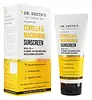
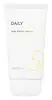
Dr. Sheth's Centella & Niacinamide Sunscreen SPF50 Versus Missha All Around Safe Block Daily Sun SPF50+ PA++++
This hybrid sunscreen covers the full UV range and blocks ~98% of UVB at SPF 50.
This chemical sunscreen covers the full UV range and blocks ~98% of UVB at SPF 50.


What's inside
What's inside
 Key Ingredients
Benefits
Concerns
Ingredients Side-by-side
Cyclopentasiloxane
Emollient
Dimethicone/Vinyl Dimethicone Crosspolymer
Skin Conditioning
Ethylhexyl Methoxycinnamate
UV Absorber


Caprylyl Methicone
Skin Conditioning
PEG-12 Dimethicone/PPG-20 Crosspolymer
C12-15 Alkyl Benzoate
AntimicrobialZinc Oxide
Cosmetic Colorant
Triethoxycaprylylsilane
Diethylhexyl Butamido Triazone
UV Absorber
Diethylamino Hydroxybenzoyl Hexyl Benzoate
UV Filter
Niacinamide
Smoothing










Tapioca Starch
Polymethylsilsesquioxane
Titanium Dioxide
Cosmetic Colorant
Alumina
Abrasive
Simethicone
Emollient
Bis-Ethylhexyloxyphenol Methoxyphenyl Triazine
UV Absorber
Dicaprylyl Carbonate
EmollientCentella Asiatica Extract
Cleansing
Diethylhexyl Syringylidenemalonate
Skin Protecting
Caprylic/Capric Triglyceride
Masking

Cyclopentasiloxane, Dimethicone/Vinyl Dimethicone Crosspolymer, Ethylhexyl Methoxycinnamate, Caprylyl Methicone, PEG-12 Dimethicone/PPG-20 Crosspolymer, C12-15 Alkyl Benzoate, Zinc Oxide, Triethoxycaprylylsilane, Diethylhexyl Butamido Triazone, Diethylamino Hydroxybenzoyl Hexyl Benzoate, Niacinamide, Tapioca Starch, Polymethylsilsesquioxane, Titanium Dioxide, Alumina, Simethicone, Bis-Ethylhexyloxyphenol Methoxyphenyl Triazine, Dicaprylyl Carbonate, Centella Asiatica Extract, Diethylhexyl Syringylidenemalonate, Caprylic/Capric Triglyceride
Water
Skin ConditioningHomosalate
Skin Conditioning
Silica
Abrasive
Propanediol
Solvent
Ethylhexyl Salicylate
UV Absorber
CI 77891
Cosmetic ColorantDipropylene Glycol
HumectantC12-15 Alkyl Benzoate
AntimicrobialDiethylamino Hydroxybenzoyl Hexyl Benzoate
UV Filter
Dimethicone
Emollient
Alcohol Denat.
Antimicrobial



Polysorbate 60
Emulsifying
Potassium Cetyl Phosphate
EmulsifyingButylene Glycol
Humectant
Bis-Ethylhexyloxyphenol Methoxyphenyl Triazine
UV Absorber
Glyceryl Stearate
Emollient
Sodium Acrylate/Sodium Acryloyldimethyl Taurate Copolymer
Emulsion StabilisingCetearyl Olivate
Stearic Acid
Cleansing
Sorbitan Olivate
Emulsifying
Aluminum Hydroxide
EmollientIsohexadecane
EmollientSorbitan Stearate
Emulsifying
Cetearyl Alcohol
Emollient

Caprylyl Glycol
Emollient
Parfum
Masking

Ethylhexylglycerin
Skin ConditioningCarbomer
Emulsion StabilisingPolysorbate 80
Emulsifying
Palmitic Acid
Emollient
Tromethamine
BufferingTocopheryl Acetate
Antioxidant

Xanthan Gum
Emulsifying1,2-Hexanediol
Skin Conditioning
Sorbitan Oleate
Emulsifying
Disodium EDTA
Potassium Hydroxide
BufferingLeontopodium Alpinum Flower/Leaf Extract
Skin ConditioningMyristic Acid
Cleansing
Vp/Hexadecene Copolymer
Cyclopentasiloxane
Emollient
Anthemis Nobilis Flower Extract
Masking
Helianthus Annuus Seed Extract
Skin Conditioning
Acrylates/Dimethicone Copolymer
Skin Conditioning
Phenoxyethanol
Preservative
Calendula Officinalis Flower Extract
Masking
Aloe Barbadensis Leaf Extract
Emollient
Morus Alba Fruit Extract
Antioxidant
Pueraria Lobata Root Extract
HumectantCamellia Sinensis Leaf Extract
Antimicrobial
Chrysanthemum Indicum Flower Extract
Skin Conditioning
Sodium Benzoate
Masking
Artemisia Princeps Leaf Extract
Skin ConditioningCinnamomum Cassia Bark Extract
Masking
Diospyros Kaki Leaf Extract
Skin Protecting
Citric Acid
Buffering
Centaurea Cyanus Flower Water
Skin Conditioning
Helichrysum Italicum Flower Water
Skin ConditioningThymus Vulgaris Leaf Water
Skin ConditioningWater, Homosalate, Silica, Propanediol, Ethylhexyl Salicylate, CI 77891, Dipropylene Glycol, C12-15 Alkyl Benzoate, Diethylamino Hydroxybenzoyl Hexyl Benzoate, Dimethicone, Alcohol Denat., Polysorbate 60, Potassium Cetyl Phosphate, Butylene Glycol, Bis-Ethylhexyloxyphenol Methoxyphenyl Triazine, Glyceryl Stearate, Sodium Acrylate/Sodium Acryloyldimethyl Taurate Copolymer, Cetearyl Olivate, Stearic Acid, Sorbitan Olivate, Aluminum Hydroxide, Isohexadecane, Sorbitan Stearate, Cetearyl Alcohol, Caprylyl Glycol, Parfum, Ethylhexylglycerin, Carbomer, Polysorbate 80, Palmitic Acid, Tromethamine, Tocopheryl Acetate, Xanthan Gum, 1,2-Hexanediol, Sorbitan Oleate, Disodium EDTA, Potassium Hydroxide, Leontopodium Alpinum Flower/Leaf Extract, Myristic Acid, Vp/Hexadecene Copolymer, Cyclopentasiloxane, Anthemis Nobilis Flower Extract, Helianthus Annuus Seed Extract, Acrylates/Dimethicone Copolymer, Phenoxyethanol, Calendula Officinalis Flower Extract, Aloe Barbadensis Leaf Extract, Morus Alba Fruit Extract, Pueraria Lobata Root Extract, Camellia Sinensis Leaf Extract, Chrysanthemum Indicum Flower Extract, Sodium Benzoate, Artemisia Princeps Leaf Extract, Cinnamomum Cassia Bark Extract, Diospyros Kaki Leaf Extract, Citric Acid, Centaurea Cyanus Flower Water, Helichrysum Italicum Flower Water, Thymus Vulgaris Leaf Water
Reviews
Ingredients Explained
These ingredients are found in both products.
Ingredients higher up in an ingredient list are typically present in a larger amount.
This ingredient is better known as bemotrizinol or Tinosorb S and is one of the best broad-spectrum UV filters in modern sunscreen.
It works by absorbing UV light across a whole range (280-400 nm) with peaks around 310 nm (UVB) and 340-345 nm (UVA). This means it covers UVB plus the deeper UVA wavelengths that drive photoaging and pigmentation.
Another pro?
It's exceptionally photostable, barely degrades in sunlight, and acts as a "bodyguard" for less stable filters.
That's why you'll see it paired with avobenzone or octinoxate; this team up ensures they keep working through sun exposure.
Safety reviews have been reassuring across the board. This ingredient shows low absorption through the skin, rarely irritates, and lab studies found it doesn't act like a hormone in the body (a concern that's been raised about some older sunscreen filters).
On maximum concentrations:
In 2026, the US F.D.A finally added it as an OTC sunscreen ingredient at concentrations up to 6% for adults / children 6 months and older
Learn more about Bis-Ethylhexyloxyphenol Methoxyphenyl TriazineC12-15 Alkyl Benzoate is a lightweight emollient made by combinig benzoic acid with fatty alcohols that are 12-15 carbons long.
In cosmetics, it plays several roles:
The Cosmetic Review Expert Panel has concluded the alkyl benzoate group to be safe as used in cosmetics; it wasn't found to be a skin irritant and unlikely to be absorbed due to its low water solubility.
This report recorded almost 1000 reported uses with concentrations up to 59% in leave-on products but your cosmetics will typically use 0.5-15% depending on the product.
It's often called a "SPF booster": this is because it keeps UV filters properly dissolved and evenly distributed to support a sunscreen's performance. It doesn't actually raise SPF on its own.
Overall, this ingredient is well tolerated.
This ingredient is fungal acne safe because it is an ester of benzoic acid.
Think of this ingredient as two parts stuck together: an oily part and an acid part. Malassezia only gets a meal when it can snip off a fatty acid to eat. With C12-15 Alkyl Benzoate, the acid part is benzoic acid, which isn't a fatty acid and which the yeast can't use as food.
Benzoic acid is actually used as a preservative to stop yeast from growing.
The oily part is a blend of C12-15 fatty alcohols but fatty alcohols in this size range can support only a little Malassezia growth (mostly for one species of Malassezia as well).
In the ingredient, those alcohols stay locked inside the molecule. The yeast can only reach them by snipping the benzoate bond, and that type of bond is harder for it to cut than a normal fatty bond.
So not much gets released. And whatever does get snipped comes packaged with benzoic acid, which discourages yeast growth.
Learn more about C12-15 Alkyl BenzoateCyclopentasiloxane (D5) is a lightweight silicone that mostly acts as an emollient and solvent in cosmetics. Its the reason your products feel silky, fast-spreading, and non-greasy.
Since D5 is volatile, it does its thing and then evaporates off the skin quickly.
The safety profile of this ingredient is reassuring; the US CIR Expert Panel concluded D5 is safe as used in cosmetics and Health Canada concluded that D5 is not harmful to human health or the environment as currently used in cosmetics
There's a study that people mention about D5 in a rat study showing tumors. This study is related to long-term inhalation of high D5 levels.
Regulatory bodies have judged this study to be not applicable in topical skincare since skin absorption of D5 is very low and we're not really inhaling huge amounts of D5.
The only restriction for this ingredient is environmental. The European Chemicals Agency (ECHA) restricted D5 in wash-off cosmetics at or above 0.1% due to their persistence in water.
Learn more about CyclopentasiloxaneDiethylamino Hydroxybenzoyl Hexyl Benzoate (DHHB) is a chemical UV-A absorber. It is formulated for high UVA protection (320-400 nm).
DHHB is well-liked for:
DHHB has been approved by the EU, Japan, Taiwan, and South America for use up to 10%. Unfortunately, it has not been approved for use in the US or Canada due to slow regulatory processes.
This ingredient is soluble in oils, fats, and lipids.
Learn more about Diethylamino Hydroxybenzoyl Hexyl Benzoate

