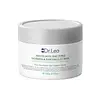
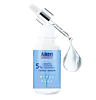
Dr.Leo Amazon White Deep Pores Cleansing & Purifying Clay Mask Versus Aiken Hydra Plus 5% Prebiotic, Vitamin B5, Niacinamide Triple Serum
This wash off mask is formulated around Salicylic Acid to clear breakouts and unclog pores.
This hydrating serum is formulated around Panthenol and Niacinamide to hydrate skin and strengthen the skin barrier.


What's inside
What's inside
 Key Ingredients
Benefits
Concerns
Ingredients Side-by-side
Water
Skin ConditioningKaolin
Abrasive



Glycerin
Humectant


Paraffinum Liquidum
Emollient


Caprylic/Capric Triglyceride
Masking
Cetearyl Alcohol
Emollient




Dipropylene Glycol
HumectantIsohexadecane
EmollientSteareth-21
CleansingSilt
AbsorbentSalicylic Acid
Masking




Avena Sativa Kernel Flour
Abrasive
Dipotassium Glycyrrhizate
Humectant

Lactobionic Acid
Buffering

Allantoin
Skin Conditioning
Hamamelis Virginiana Water
Astringent
Tartaric Acid
Buffering
Sodium Hyaluronate
Humectant
1,2-Hexanediol
Skin Conditioning
Hydroxyacetophenone
Antioxidant
Olea Europaea Fruit Oil
Masking
Avena Sativa Kernel Oil
Skin Conditioning
Ceramide NP
Skin Conditioning
Myrothamnus Flabellifolia Leaf Extract
EmollientPrunus Serotina Fruit Extract
MaskingChaenomeles Sinensis Fruit Extract
Antioxidant
Diospyros Kaki Fruit Extract
Skin ConditioningCitrus Grandis Fruit Extract
Astringent
Bellis Perennis Flower Extract
Skin ConditioningJasminum Officinale Flower Extract
Masking
Rosa Centifolia Flower Extract
Astringent
Sodium Lactate
Buffering
Glycolic Acid
Buffering
Leontopodium Alpinum Flower/Leaf Extract
Skin ConditioningButylene Glycol
Humectant
Sodium Stearoyl Glutamate
CleansingCeteareth-20
Cleansing
Xanthan Gum
EmulsifyingPotassium Cetyl Phosphate
EmulsifyingDisodium EDTA
ChelatingAlumina
Abrasive
Phenoxyethanol
Preservative
Hydroxypropyl Cyclodextrin
MaskingPropanediol
Solvent
Caprylyl Glycol
Emollient
Pentylene Glycol
Skin Conditioning
10-Hydroxydecanoic Acid
Skin ConditioningOctyldodecanol
Emollient
Sucrose
Humectant
Urea
Buffering
Sodium Citrate
BufferingHydrogenated Lecithin
Emulsifying
Levulinic Acid
Perfuming
Cholesterol
Emollient
Glyceryl Caprylate
EmollientCitric Acid
Buffering
Malic Acid
Buffering
Sodium Benzoate
Masking
Potassium Sorbate
Preservative
CI 77891
Cosmetic ColorantWater, Kaolin, Glycerin, Paraffinum Liquidum, Caprylic/Capric Triglyceride, Cetearyl Alcohol, Dipropylene Glycol, Isohexadecane, Steareth-21, Silt, Salicylic Acid, Avena Sativa Kernel Flour, Dipotassium Glycyrrhizate, Lactobionic Acid, Allantoin, Hamamelis Virginiana Water, Tartaric Acid, Sodium Hyaluronate, 1,2-Hexanediol, Hydroxyacetophenone, Olea Europaea Fruit Oil, Avena Sativa Kernel Oil, Ceramide NP, Myrothamnus Flabellifolia Leaf Extract, Prunus Serotina Fruit Extract, Chaenomeles Sinensis Fruit Extract, Diospyros Kaki Fruit Extract, Citrus Grandis Fruit Extract, Bellis Perennis Flower Extract, Jasminum Officinale Flower Extract, Rosa Centifolia Flower Extract, Sodium Lactate, Glycolic Acid, Leontopodium Alpinum Flower/Leaf Extract, Butylene Glycol, Sodium Stearoyl Glutamate, Ceteareth-20, Xanthan Gum, Potassium Cetyl Phosphate, Disodium EDTA, Alumina, Phenoxyethanol, Hydroxypropyl Cyclodextrin, Propanediol, Caprylyl Glycol, Pentylene Glycol, 10-Hydroxydecanoic Acid, Octyldodecanol, Sucrose, Urea, Sodium Citrate, Hydrogenated Lecithin, Levulinic Acid, Cholesterol, Glyceryl Caprylate, Citric Acid, Malic Acid, Sodium Benzoate, Potassium Sorbate, CI 77891
Water
Skin ConditioningPanthenol
Skin Conditioning
Niacinamide
Smoothing
Biosaccharide Gum-1
Humectant
Glycerin
Humectant
Glyceryl Polyacrylate
Sodium Hyaluronate
Humectant
Hyaluronic Acid
Humectant
Disodium EDTA
ChelatingPEG-7 Glyceryl Cocoate
Emulsifying
Triethanolamine
BufferingButylene Glycol
Humectant
Alpha-Glucan Oligosaccharide
Cleansing
Polymnia Sonchifolia Root Juice
Skin ConditioningEthylhexylglycerin
Skin ConditioningAspergillus Ferment
Skin ConditioningCeramide NP
Skin Conditioning
Lactobacillus
Skin ConditioningPhenoxyethanol
Preservative
Chlorphenesin
Antimicrobial
Water, Panthenol, Niacinamide, Biosaccharide Gum-1, Glycerin, Glyceryl Polyacrylate, Sodium Hyaluronate, Hyaluronic Acid, Disodium EDTA, PEG-7 Glyceryl Cocoate, Triethanolamine, Butylene Glycol, Alpha-Glucan Oligosaccharide, Polymnia Sonchifolia Root Juice, Ethylhexylglycerin, Aspergillus Ferment, Ceramide NP, Lactobacillus, Phenoxyethanol, Chlorphenesin
Ingredients Explained
These ingredients are found in both products.
Ingredients higher up in an ingredient list are typically present in a larger amount.
Butylene Glycol (or BG) is used within cosmetic products for a few different reasons:
Overall, Butylene Glycol is a safe and well-rounded ingredient that works well with other ingredients.
Though this ingredient works well with most skin types, some people with sensitive skin may experience a reaction such as allergic rashes, closed comedones, or itchiness.
Learn more about Butylene GlycolCeramide NP (formerly known as Ceramide 3) is one of the skin's naturally occurring lipids.
Since ceramides are the major lipid components of the skin, they are crucial for maintaining skin barrier and hydration. Ceramide NP most closely mirrors the dominant kind in human skin amongst ceramide subtypes.
This ceramide works by slotting into gaps within the stratum corneum's lipid matrix to limit trans-epidermal water loss (TEWL) and shield the skin against external irritants.
A study with 312 patients found that using a ceramide-containing routine for 4 weeks reduced the severity of atopic dermatitis by over 61%.
Another clinical study in subjects aged 60 and older found that a ceramide body wash and moisturizer improved skin dryness and itchy skin in 15 days.
Overall, ceramides are considered non-irritating and safety tests have found little to no observable adverse effects from using this ingredient.
Ceramide NP is usually sourced from plants (like soybean or rice bran), or produced synthetically.
Learn more about Ceramide NPDisodium EDTA is a chelating agent. It grabs onto and deactivates metal ions that sneak into your products from water, packaging, or air.
This ingredient mainly works behind the scenes and helps with:
On top of that, this ingredient can counteract the effects of hard water by binding to the minerals in it.
One thing worth knowing is that Disodium EDTA has been shown to be a mild penetration enhancer. It can help other ingredients absorb into skin more effectively which can be a double-edged sword (great for actives, but can also make the active too strong if you have sensitive skin).
Clinical patch testing showed no significant skin irritation at typical use concentrations and minimal dermal absorption.
You'll most likely see this ingredient near the end of an ingredient list. It's typically found in concentrations less than 1%.
Learn more about Disodium EDTAGlycerin (or glycerol) is a compound naturally found in your skin. It's a powerhouse humectant that pulls water into the stratum corneum.
Topically, glycerin does several things at once:
Your skin makes glycerin on its own (mostly from sebaceous oil breakdown) and shuttles it to your outermost layer of skin, or your epidermis, via aquaporin-3.
Aquaporin-3 is a transporter that is essential for normal skin hydration, elasticity, and repair. Interestingly, mice lacking in AQP3 have dry and less elastic skin that can be fully corrected with glycerin.
This ingredient is non-irritating, plays well with almost every ingredient, and works across all skin types. Typical use is anywhere between 3-10% but can go up to 79% in some leave-on products.
Just know very high concentrations (>40%) can feel tacky in low humidity.
Glycerin is the name for this ingredient in American English. British English uses Glycerol/Glycerine.
Learn more about GlycerinPhenoxyethanol is one of the most widely used preservatives in skincare (and for good reason!).
It has a large spectrum of antimicrobial activity and especially effective bacteria, yeast, and mold while only having a weak effect on your skin's natural microbiome.
On a cellular level, it disrupts the cell membranes of microbes by poking holes that make the cell leak. This shuts down the chemical reactions the microbe needs to make energy so it can no longer survive.
Another perk of this ingredient is that it stays functional across a wide pH range (3-10).
You'll often see it paired with boosters like Ethylhexylglycerin; one study showed that a 1:9 ratio of Ethylhexylglycerin to Phenoxyethanol damages bacterial membranes as effectively as doubling the Phenoxyethanol concentration on its own.
Typical use concentrations range from 0.3-1% depending on the formula, and this ingredient is capped at 1% int the EU.
Safety-wise, the fear mongering does not hold up to the evidence. The EU's Scientific Committee on Consumer Safety and FDA consider it safe as a preservative at up to 1%, including for children of all ages.
Adverse systemic effects only showed up in animal studies at exposures roughly 200x higher than what people get from cosmetics. And despite its very widespread use, this ingredient is a rare sensitizer and allergic reactions are uncommon.
Learn more about PhenoxyethanolSodium Hyaluronate is the salt form of hyaluronic acid. It is a long sugar chain that is naturally found in your skin, joints, and connective tissue that maintains hydration and elasticity.
In skincare, it works as a humectant. It pulls water from the environment and deeper layers of skin and binds it to the surface.
Interestingly, the size of the molecule affects its behavior:
Some clinical evidence links low molecular weight versions to improved wrinkle depth, elasticity, anti-inflammatory effects, and barrier repair.
Many serums use a blend of both weights so you can get surface hydration plus longer-lasting and deeper effects.
You'll typically see concentrations between 0.1-2% for this ingredient.
Learn more about Sodium HyaluronateWater. It's the most common cosmetic ingredient of all. You'll usually see it at the top of ingredient lists, meaning that it makes up the largest part of the product.
So why is it so popular? Water most often acts as a solvent - this means that it helps dissolve other ingredients into the formulation.
You'll also recognize water as that liquid we all need to stay alive. If you see this, drink a glass of water. Remember to stay hydrated!
Learn more about Water

