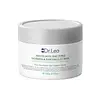
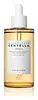
Dr.Leo Amazon White Deep Pores Cleansing & Purifying Clay Mask Versus SKIN1004 Madagascar Centella Ampoule
This wash off mask is formulated around Salicylic Acid to clear breakouts and unclog pores.
This calming ampoule is formulated around Centella Asiatica Extract to calm redness and strengthen the skin barrier.


What's inside
What's inside
 Key Ingredients
No key ingredients
Benefits
Concerns
No concerns
Ingredients Side-by-side
Water
Skin ConditioningKaolin
Abrasive



Glycerin
Humectant


Paraffinum Liquidum
Emollient


Caprylic/Capric Triglyceride
Masking
Cetearyl Alcohol
Emollient




Dipropylene Glycol
HumectantIsohexadecane
EmollientSteareth-21
CleansingSilt
AbsorbentSalicylic Acid
Masking




Avena Sativa Kernel Flour
Abrasive
Dipotassium Glycyrrhizate
Humectant

Lactobionic Acid
Buffering

Allantoin
Skin Conditioning
Hamamelis Virginiana Water
Astringent
Tartaric Acid
Buffering
Sodium Hyaluronate
Humectant
1,2-Hexanediol
Skin Conditioning
Hydroxyacetophenone
Antioxidant
Olea Europaea Fruit Oil
Masking
Avena Sativa Kernel Oil
Skin Conditioning
Ceramide NP
Skin Conditioning
Myrothamnus Flabellifolia Leaf Extract
EmollientPrunus Serotina Fruit Extract
MaskingChaenomeles Sinensis Fruit Extract
Antioxidant
Diospyros Kaki Fruit Extract
Skin ConditioningCitrus Grandis Fruit Extract
Astringent
Bellis Perennis Flower Extract
Skin ConditioningJasminum Officinale Flower Extract
Masking
Rosa Centifolia Flower Extract
Astringent
Sodium Lactate
Buffering
Glycolic Acid
Buffering
Leontopodium Alpinum Flower/Leaf Extract
Skin ConditioningButylene Glycol
Humectant
Sodium Stearoyl Glutamate
CleansingCeteareth-20
Cleansing
Xanthan Gum
EmulsifyingPotassium Cetyl Phosphate
EmulsifyingDisodium EDTA
Alumina
Abrasive
Phenoxyethanol
Preservative
Hydroxypropyl Cyclodextrin
MaskingPropanediol
Solvent
Caprylyl Glycol
Emollient
Pentylene Glycol
Skin Conditioning
10-Hydroxydecanoic Acid
Skin ConditioningOctyldodecanol
Emollient
Sucrose
Humectant
Urea
Buffering
Sodium Citrate
BufferingHydrogenated Lecithin
Emulsifying
Levulinic Acid
Perfuming
Cholesterol
Emollient
Glyceryl Caprylate
EmollientCitric Acid
Buffering
Malic Acid
Buffering
Sodium Benzoate
Masking
Potassium Sorbate
Preservative
CI 77891
Cosmetic ColorantWater, Kaolin, Glycerin, Paraffinum Liquidum, Caprylic/Capric Triglyceride, Cetearyl Alcohol, Dipropylene Glycol, Isohexadecane, Steareth-21, Silt, Salicylic Acid, Avena Sativa Kernel Flour, Dipotassium Glycyrrhizate, Lactobionic Acid, Allantoin, Hamamelis Virginiana Water, Tartaric Acid, Sodium Hyaluronate, 1,2-Hexanediol, Hydroxyacetophenone, Olea Europaea Fruit Oil, Avena Sativa Kernel Oil, Ceramide NP, Myrothamnus Flabellifolia Leaf Extract, Prunus Serotina Fruit Extract, Chaenomeles Sinensis Fruit Extract, Diospyros Kaki Fruit Extract, Citrus Grandis Fruit Extract, Bellis Perennis Flower Extract, Jasminum Officinale Flower Extract, Rosa Centifolia Flower Extract, Sodium Lactate, Glycolic Acid, Leontopodium Alpinum Flower/Leaf Extract, Butylene Glycol, Sodium Stearoyl Glutamate, Ceteareth-20, Xanthan Gum, Potassium Cetyl Phosphate, Disodium EDTA, Alumina, Phenoxyethanol, Hydroxypropyl Cyclodextrin, Propanediol, Caprylyl Glycol, Pentylene Glycol, 10-Hydroxydecanoic Acid, Octyldodecanol, Sucrose, Urea, Sodium Citrate, Hydrogenated Lecithin, Levulinic Acid, Cholesterol, Glyceryl Caprylate, Citric Acid, Malic Acid, Sodium Benzoate, Potassium Sorbate, CI 77891
Reviews
Ingredients Explained
These ingredients are found in both products.
Ingredients higher up in an ingredient list are typically present in a larger amount.
1,2-Hexanediol is a synthetic liquid and another multi-functional powerhouse.
It is a:
- Humectant, drawing moisture into the skin
- Emollient, helping to soften skin
- Solvent, dispersing and stabilizing formulas
- Preservative booster, enhancing the antimicrobial activity of other preservatives
Butylene Glycol (or BG) is used within cosmetic products for a few different reasons:
Overall, Butylene Glycol is a safe and well-rounded ingredient that works well with other ingredients.
Though this ingredient works well with most skin types, some people with sensitive skin may experience a reaction such as allergic rashes, closed comedones, or itchiness.
Learn more about Butylene GlycolGlycerin (or glycerol) is a compound naturally found in your skin. It's a powerhouse humectant that pulls water into the stratum corneum.
Topically, glycerin does several things at once:
Your skin makes glycerin on its own (mostly from sebaceous oil breakdown) and shuttles it to your outermost layer of skin, or your epidermis, via aquaporin-3.
Aquaporin-3 is a transporter that is essential for normal skin hydration, elasticity, and repair. Interestingly, mice lacking in AQP3 have dry and less elastic skin that can be fully corrected with glycerin.
This ingredient is non-irritating, plays well with almost every ingredient, and works across all skin types. Typical use is anywhere between 3-10% but can go up to 79% in some leave-on products.
Just know very high concentrations (>40%) can feel tacky in low humidity.
Glycerin is the name for this ingredient in American English. British English uses Glycerol/Glycerine.
Learn more about GlycerinWater. It's the most common cosmetic ingredient of all. You'll usually see it at the top of ingredient lists, meaning that it makes up the largest part of the product.
So why is it so popular? Water most often acts as a solvent - this means that it helps dissolve other ingredients into the formulation.
You'll also recognize water as that liquid we all need to stay alive. If you see this, drink a glass of water. Remember to stay hydrated!
Learn more about Water

