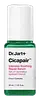
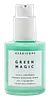
Dr. Jart+ Cicapair Intensive Soothing Repair Serum Versus Herbivore Green Magic Cica + Ceramides Redness-Reducing Serum
This calming serum is formulated around Allantoin and Asiaticoside to calm redness and strengthen the skin barrier.
This calming serum is formulated around Centella Asiatica Leaf Extract and Ceramide NP to calm redness and strengthen the skin barrier.


What's inside
What's inside
 Key Ingredients
Benefits
Concerns
Ingredients Side-by-side
Water
Skin ConditioningGlycerin
Humectant


Butylene Glycol
Humectant
Propanediol
Solvent
Methyl Gluceth-20
Humectant
Ethoxydiglycol
HumectantBetaine
Humectant
Allantoin
Skin Conditioning
Octyldodecanol
Emollient
Ethylhexylglycerin
Skin ConditioningAsiaticoside
Antioxidant


Madecassic Acid
Skin Conditioning
Glycolipids
Skin ConditioningAsiatic Acid
Skin Conditioning
Polyglyceryl-4 Oleate
Emulsifying

Centella Asiatica Leaf Extract
Skin Conditioning
Sodium Stearoyl Glutamate
CleansingPalmitoyl Tripeptide-8
Skin Conditioning

1,2-Hexanediol
Skin Conditioning
Isopentyldiol
Humectant
Carbomer
Emulsion StabilisingXanthan Gum
EmulsifyingTromethamine
BufferingPolyglyceryl-10 Laurate
Skin Conditioning
Hydrogenated Lecithin
Emulsifying
C12-13 Alketh-9
EmulsifyingSodium Surfactin
CleansingDextran
CI 19140
Cosmetic ColorantCI 42090
Cosmetic ColorantWater, Glycerin, Butylene Glycol, Propanediol, Methyl Gluceth-20, Ethoxydiglycol, Betaine, Allantoin, Octyldodecanol, Ethylhexylglycerin, Asiaticoside, Madecassic Acid, Glycolipids, Asiatic Acid, Polyglyceryl-4 Oleate, Centella Asiatica Leaf Extract, Sodium Stearoyl Glutamate, Palmitoyl Tripeptide-8, 1,2-Hexanediol, Isopentyldiol, Carbomer, Xanthan Gum, Tromethamine, Polyglyceryl-10 Laurate, Hydrogenated Lecithin, C12-13 Alketh-9, Sodium Surfactin, Dextran, CI 19140, CI 42090
Water
Skin ConditioningPropanediol
Solvent
Caprylic/Capric Triglyceride
Masking
Simmondsia Chinensis Seed Oil
Emollient
Coco-Caprylate/Caprate
Emollient
Cetyl Stearate
Emollient
Centella Asiatica Leaf Extract
Skin Conditioning
Rosmarinus Officinalis Leaf Oil
Masking
PCA
Humectant
Glycine
Buffering
Alanine
Masking
Serine
Masking
Arginine
Masking
Glutamic Acid
Humectant
Lysine Hcl
Skin Conditioning
Threonine
Sodium PCA
Humectant
Sodium Lactate
Buffering
Proline
Skin Conditioning
Betaine
Humectant
Ceramide NP
Skin Conditioning
Ceramide AP
Skin Conditioning
Glycosphingolipids
EmollientTetraacetylphytosphingosine
Skin ConditioningCholesterol
Emollient
Pinus Cembra Wood Extract
Skin ConditioningPhaeodactylum Tricornutum Extract
HumectantAllantoin
Skin Conditioning
Hydrogenated Lecithin
Emulsifying
Salvia Hispanica Seed Oil
Emollient
Cannabis Sativa Seed Oil
Emollient
Borago Officinalis Seed Oil
Emollient

Eucalyptus Globulus Leaf Oil
Perfuming



Squalane
Emollient
Cetearyl Alcohol
Emollient
Coco-Glucoside
Cleansing
1,2-Hexanediol
Skin Conditioning
Polyacrylate Crosspolymer-6
Emulsion StabilisingMelia Azadirachta Leaf Extract
Skin ConditioningC9-12 Alkane
SolventTrisodium Ethylenediamine Disuccinate
Caprylhydroxamic Acid
Tocopheryl Acetate
Antioxidant

Melia Azadirachta Flower Extract
Skin ConditioningAloe Barbadensis Leaf Juice
Skin Conditioning
Hyaluronic Acid
Humectant
Linoleic Acid
Cleansing
Linolenic Acid
Cleansing
Lecithin
Emollient
Glycerin
Humectant
Phenoxyethanol
Preservative
Glyceryl Stearate
Emollient
Sodium Ascorbate
Antioxidant
Stearic Acid
Cleansing
Tocopherol
Antioxidant
Pentylene Glycol
Skin Conditioning
Xanthan Gum
EmulsifyingAlcohol
Antimicrobial

Water, Propanediol, Caprylic/Capric Triglyceride, Simmondsia Chinensis Seed Oil, Coco-Caprylate/Caprate, Cetyl Stearate, Centella Asiatica Leaf Extract, Rosmarinus Officinalis Leaf Oil, PCA, Glycine, Alanine, Serine, Arginine, Glutamic Acid, Lysine Hcl, Threonine, Sodium PCA, Sodium Lactate, Proline, Betaine, Ceramide NP, Ceramide AP, Glycosphingolipids, Tetraacetylphytosphingosine, Cholesterol, Pinus Cembra Wood Extract, Phaeodactylum Tricornutum Extract, Allantoin, Hydrogenated Lecithin, Salvia Hispanica Seed Oil, Cannabis Sativa Seed Oil, Borago Officinalis Seed Oil, Eucalyptus Globulus Leaf Oil, Squalane, Cetearyl Alcohol, Coco-Glucoside, 1,2-Hexanediol, Polyacrylate Crosspolymer-6, Melia Azadirachta Leaf Extract, C9-12 Alkane, Trisodium Ethylenediamine Disuccinate, Caprylhydroxamic Acid, Tocopheryl Acetate, Melia Azadirachta Flower Extract, Aloe Barbadensis Leaf Juice, Hyaluronic Acid, Linoleic Acid, Linolenic Acid, Lecithin, Glycerin, Phenoxyethanol, Glyceryl Stearate, Sodium Ascorbate, Stearic Acid, Tocopherol, Pentylene Glycol, Xanthan Gum, Alcohol
Reviews
Ingredients Explained
These ingredients are found in both products.
Ingredients higher up in an ingredient list are typically present in a larger amount.
1,2-Hexanediol is a synthetic liquid and another multi-functional powerhouse.
It is a:
- Humectant, drawing moisture into the skin
- Emollient, helping to soften skin
- Solvent, dispersing and stabilizing formulas
- Preservative booster, enhancing the antimicrobial activity of other preservatives
Allantoin is a soothing ingredient known for its protective and moisturizing properties; it's basically a quiet workhorse ingredient you can find in a huge range of cosmetics.
Though it can be derived from the comfrey plant, allantoin is produced synthetically for cosmetic products to ensure purity.
Research shows it can encourage your skin cells to turn over and renew by stimulating keratinocyte and fibroblast proliferation.
It also has mild keratolytic properties to help loosen and shed dead skin cells without being harsh.
Studies also suggest allantoin can help calm inflammation by dialing down some of the chemical signals your skin sends out when it is irritated.
This ingredient is typically used in the 0.1-0.5% range, and the FDA recognizes it as a skin protectant in OTC products up to 2%.
Overall, allantoin is a wonderful addition to most routines; it is stable across a wide pH range (~4-8), works well with other ingredients, and is considered non-sensitizing/non-irritating.
Fun fact: Allantoin is naturally occurring in comfrey root, beets, chamomile, and wheat sprouts. Our bodies even produce it as a byproduct of uric acid metabolism.
Learn more about AllantoinBetaine is a humectant. Like hyaluronic acid, it helps attract and retain moisture in the skin. It’s known for being gentle and for helping the skin maintain balanced hydration.
Betaine is mainly used to improve hydration and support calmer skin. It helps skin cells regulate water balance because it functions as an osmolyte.
Some studies suggest betaine may support making skin tone more even.
Fun fact: Betaine naturally exists in the skin and the body. In cosmetic products, it can be either plant-derived (most commonly from sugar beets) or synthetically produced for consistency and stability.
Betaine is also known as trimethylglycine.
Learn more about BetaineCentella Asiatica Leaf Extract comes from the leaves of an herb plant native to Southeast Asia. Centella Asiatica is rich in antioxidants and amino acids. It can help reduce irritation and soothe the skin.
Many active components found in centella asiatica, such as Madecassic Acid and Asiaticoside, encourage the skin to naturally produce hyaluronic acid. This helps keep our skin hydrated. Many of these components also show antioxidant activity and may help reduce the signs of aging.
Research shows centella asiatica can help increase Type I collagen production by increasing fibroblast production. Fibroblast helps form connective tissue.
The combination of all these properties makes centella asiatica leaf extract effective at soothing the skin.
Other components of centella asiatica leaf extract include Vitamin A, vitamin C, several B vitamins, and Asiatic Acid.
Recent studies found madecassoside may help prevent damage from UV rays by preventing UV-induced inflammation. Further research is needed.
This plant has been used as a medicine and in food for many centuries. As a medicine, it is used to treat burns, scratches, and wounds.
Learn more about Centella Asiatica Leaf ExtractGlycerin (or glycerol) is a compound naturally found in your skin. It's a powerhouse humectant that pulls water into the stratum corneum.
Topically, glycerin does several things at once:
Your skin makes glycerin on its own (mostly from sebaceous oil breakdown) and shuttles it to your outermost layer of skin, or your epidermis, via aquaporin-3.
Aquaporin-3 is a transporter that is essential for normal skin hydration, elasticity, and repair. Interestingly, mice lacking in AQP3 have dry and less elastic skin that can be fully corrected with glycerin.
This ingredient is non-irritating, plays well with almost every ingredient, and works across all skin types. Typical use is anywhere between 3-10% but can go up to 79% in some leave-on products.
Just know very high concentrations (>40%) can feel tacky in low humidity.
Glycerin is the name for this ingredient in American English. British English uses Glycerol/Glycerine.
Learn more about GlycerinHydrogenated Lecithin is a more stable version of lecithin.
It's made by taking lecithin (a phospholipid commonly found in soybeans and egg yolks) and hydrogenating it. This just means the unsaturated fatty acids are turned into saturated ones so they don't go bad as easily.
This ingredient is an emollient, emulsifier, and penetration enhancer. As an emollient, it helps soften and hydrate skin by trapping moisture within. As an emulsifier, it prevents oil and water ingredients from separating.
Hydrogenated Lecithin can form tiny spherical structures made of phospholipid bilayers called liposomes. These liposomes are able to capture compounds inside their structure and deliver them through the skin barrier.
Because phospholipids are a natural component of our cell membranes, this ingredient is inherently compatible with skin.
A 2021 study found lecithin-based surfactants were less harsh and more tolerable comared to Sodium Lauryl Sulfate (SLS).
Learn more about Hydrogenated LecithinPropanediol is an all-star ingredient. It softens, hydrates, and smooths the skin.
It’s often used to:
Propanediol is not likely to cause sensitivity and considered safe to use. It is derived from corn or petroleum with a clear color and no scent.
Learn more about PropanediolWater. It's the most common cosmetic ingredient of all. You'll usually see it at the top of ingredient lists, meaning that it makes up the largest part of the product.
So why is it so popular? Water most often acts as a solvent - this means that it helps dissolve other ingredients into the formulation.
You'll also recognize water as that liquid we all need to stay alive. If you see this, drink a glass of water. Remember to stay hydrated!
Learn more about WaterXanthan gum is used as a stabilizer and thickener within cosmetic products. It helps give products a sticky, thick feeling - preventing them from being too runny.
On the technical side of things, xanthan gum is a polysaccharide - a combination consisting of multiple sugar molecules bonded together.
Xanthan gum is a pretty common and great ingredient. It is a natural, non-toxic, non-irritating ingredient that is also commonly used in food products.
Learn more about Xanthan Gum

