Dr.G R.E.D Blemish Clear Soothing Cream Versus Pipiqiu 5% Centella Acne Calming Moisture Gel + Tranexamic Acid


What's inside
What's inside
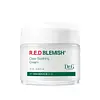 Key Ingredients
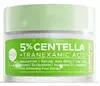
Benefits
Concerns
No concerns
Ingredients Side-by-side
Water
Skin ConditioningGlycerin
Humectant



Butylene Glycol
Humectant
Dicaprylyl Ether
Emollient
Niacinamide
Smoothing







1,2-Hexanediol
Skin Conditioning
Hydrogenated Polydecene
EmollientPentylene Glycol
Skin ConditioningDicaprylyl Carbonate
EmollientVinyldimethicone

Caprylyl Methicone
Skin Conditioning
Hydroxyethyl Acrylate/Sodium Acryloyldimethyl Taurate Copolymer
Emulsion StabilisingPanthenol
Skin Conditioning
Acrylates/C10-30 Alkyl Acrylate Crosspolymer
Emulsion StabilisingDimethiconol
Emollient
Polymethylsilsesquioxane
Tromethamine
BufferingDipotassium Glycyrrhizate
Humectant
Glyceryl Acrylate/Acrylic Acid Copolymer
HumectantEthylhexylglycerin
Skin ConditioningXanthan Gum
EmulsifyingCentella Asiatica Leaf Extract
Skin Conditioning
Fructooligosaccharides
Humectant
Sodium Phytate
Allantoin
Skin Conditioning
Lactobacillus Ferment
Skin Conditioning
Lactobacillus/Soybean Ferment Extract
Skin ConditioningLeuconostoc/Radish Root Ferment Filtrate
Antimicrobial
Yeast Ferment Extract
Skin ConditioningTocopherol
Antioxidant

Epigallocatechin Gallate
Antioxidant
Madecassoside
Antioxidant
Beta-Glucan
Skin Conditioning
Centella Asiatica Extract
Cleansing
Asiaticoside
Antioxidant
Madecassic Acid
Skin Conditioning
Asiatic Acid
Skin ConditioningWater, Glycerin, Butylene Glycol, Dicaprylyl Ether, Niacinamide, 1,2-Hexanediol, Hydrogenated Polydecene, Pentylene Glycol, Dicaprylyl Carbonate, Vinyldimethicone, Caprylyl Methicone, Hydroxyethyl Acrylate/Sodium Acryloyldimethyl Taurate Copolymer, Panthenol, Acrylates/C10-30 Alkyl Acrylate Crosspolymer, Dimethiconol, Polymethylsilsesquioxane, Tromethamine, Dipotassium Glycyrrhizate, Glyceryl Acrylate/Acrylic Acid Copolymer, Ethylhexylglycerin, Xanthan Gum, Centella Asiatica Leaf Extract, Fructooligosaccharides, Sodium Phytate, Allantoin, Lactobacillus Ferment, Lactobacillus/Soybean Ferment Extract, Leuconostoc/Radish Root Ferment Filtrate, Yeast Ferment Extract, Tocopherol, Epigallocatechin Gallate, Madecassoside, Beta-Glucan, Centella Asiatica Extract, Asiaticoside, Madecassic Acid, Asiatic Acid
Water
Skin ConditioningCentella Asiatica Extract
Cleansing
Propylene Glycol
Humectant

Glycerin
Humectant
Niacinamide
Smoothing
Dimethicone
Emollient
Melaleuca Alternifolia Leaf Extract
Perfuming
Salicylic Acid
Masking


Tranexamic Acid
Astringent
Allantoin
Skin Conditioning
Ceramide NP
Skin Conditioning
Hydrogenated Lecithin
Emulsifying
Sodium Hyaluronate Crosspolymer
Humectant
Sodium Hyaluronate
Humectant
Ceramide AP
Skin Conditioning
Ceramide As
Skin Conditioning
Ceramide Ns
Skin Conditioning
Sodium Acetylated Hyaluronate
Humectant
Hyaluronic Acid
Humectant
Hydrolyzed Glycosaminoglycans
HumectantHydrolyzed Sodium Hyaluronate
Skin Conditioning
Hydrolyzed Hyaluronic Acid
Humectant
Ceramide EOP
Skin Conditioning
Ammonium Acryloyldimethyltaurate/Vp Copolymer
Phenoxyethanol
Preservative
Styrene/Acrylates Copolymer
Acetyl Cysteine
Antioxidant
Vaccinium Vitis-Idaea Fruit Extract
Antioxidant
Cholesterol
Emollient
Citrus Unshiu Peel Extract
MaskingHippophae Rhamnoides Fruit Extract
Skin Conditioning
Litchi Chinensis Seed Extract
Skin ConditioningMangifera Indica Pulp Extract
Skin Conditioning1,2-Hexanediol
Skin Conditioning
Polysorbate 60
Emulsifying
Menthol
Masking

Propanediol
Solvent
Amylopectin
Biosaccharide Gum-1
Humectant
Dextrin
AbsorbentXanthan Gum
Emulsifying2,3-Butanediol
HumectantCitric Acid
Buffering

Potassium Sorbate
Preservative
Sodium Benzoate
Masking
Glyceryl Stearate
Emollient
Sodium Sulfite
Preservative
Water, Centella Asiatica Extract, Propylene Glycol, Glycerin, Niacinamide, Dimethicone, Melaleuca Alternifolia Leaf Extract, Salicylic Acid, Tranexamic Acid, Allantoin, Ceramide NP, Hydrogenated Lecithin, Sodium Hyaluronate Crosspolymer, Sodium Hyaluronate, Ceramide AP, Ceramide As, Ceramide Ns, Sodium Acetylated Hyaluronate, Hyaluronic Acid, Hydrolyzed Glycosaminoglycans, Hydrolyzed Sodium Hyaluronate, Hydrolyzed Hyaluronic Acid, Ceramide EOP, Ammonium Acryloyldimethyltaurate/Vp Copolymer, Phenoxyethanol, Styrene/Acrylates Copolymer, Acetyl Cysteine, Vaccinium Vitis-Idaea Fruit Extract, Cholesterol, Citrus Unshiu Peel Extract, Hippophae Rhamnoides Fruit Extract, Litchi Chinensis Seed Extract, Mangifera Indica Pulp Extract, 1,2-Hexanediol, Polysorbate 60, Menthol, Propanediol, Amylopectin, Biosaccharide Gum-1, Dextrin, Xanthan Gum, 2,3-Butanediol, Citric Acid, Potassium Sorbate, Sodium Benzoate, Glyceryl Stearate, Sodium Sulfite
Reviews
Ingredients Explained
These ingredients are found in both products.
Ingredients higher up in an ingredient list are typically present in a larger amount.
1,2-Hexanediol is a synthetic liquid and another multi-functional powerhouse.
It is a:
- Humectant, drawing moisture into the skin
- Emollient, helping to soften skin
- Solvent, dispersing and stabilizing formulas
- Preservative booster, enhancing the antimicrobial activity of other preservatives
Allantoin is a soothing ingredient known for its protective and moisturizingg properties. Because of this, it is often added to products with strong active ingredients.
Studies show higher concentrations of this ingredient can promote wound healing.
Though it can be derived from the comfrey plant, allantoin is produced synthetically for cosmetic products to ensure purity.
Learn more about AllantoinCentella Asiatica Extract (Centella) is derived from an herb native to Southeast Asia. It is famous for its anti-inflammatory and soothing properties.
Centella is rich in antioxidants and amino acids, such as Madecassic Acid and Asiaticoside.
Studies show the compounds in centella help with:
The combination of all these properties makes centella effective at soothing, hydrating, and protecting the skin.
Other great components of centella include Vitamin A, vitamin C, several B vitamins, and Asiatic Acid.
Fun fact: Centella has been used as a medicine and in food for many centuries. As a medicine, it is used to treat burns, scratches, and wounds.
Learn more about Centella Asiatica ExtractGlycerin is already naturally found in your skin. It helps moisturize and protect your skin.
A study from 2016 found glycerin to be more effective as a humectant than AHAs and hyaluronic acid.
As a humectant, it helps the skin stay hydrated by pulling moisture to your skin. The low molecular weight of glycerin allows it to pull moisture into the deeper layers of your skin.
Hydrated skin improves your skin barrier; Your skin barrier helps protect against irritants and bacteria.
Glycerin has also been found to have antimicrobial and antiviral properties. Due to these properties, glycerin is often used in wound and burn treatments.
In cosmetics, glycerin is usually derived from plants such as soybean or palm. However, it can also be sourced from animals, such as tallow or animal fat.
This ingredient is organic, colorless, odorless, and non-toxic.
Glycerin is the name for this ingredient in American English. British English uses Glycerol/Glycerine.
Learn more about GlycerinNiacinamide is a multitasking form of vitamin B3 that strengthens the skin barrier, reduces pores and dark spots, regulates oil, and improves signs of aging.
And the best part? It's gentle and well-tolerated by most skin types, including sensitive and reactive skin.
You might have heard of "niacin flush", or the reddening of skin that causes itchiness. Niacinamide has not been found to cause this.
In very rare cases, some individuals may not be able to tolerate niacinamide at all or experience an allergic reaction to it.
If you are experiencing flaking, irritation, and dryness with this ingredient, be sure to double check all your products as this ingredient can be found in all categories of skincare.
When incorporating niacinamide into your routine, look out for concentration amounts. Typically, 5% niacinamide provides benefits such as fading dark spots. However, if you have sensitive skin, it is better to begin with a smaller concentration.
When you apply niacinamide to your skin, your body converts it into nicotinamide adenine dinucleotide (NAD). NAD is an essential coenzyme that is already found in your cells as "fuel" and powers countless biological processes.
In your skin, NAD helps repair cell damage, produce new healthy cells, support collagen production, strengthen the skin barrier, and fight environmental stressors (like UV and pollution).
Our natural NAD levels start to decline with age, leading to slower skin repair, visible aging, and a weaker skin barrier. By providing your skin niacinamide, you're recharging your skin's NAD levels. This leads to stronger, healthier, and younger looking skin.
Another name for vitamin B3 is nicotinamide. This vitamin is water-soluble and our bodies don't store it. We obtain Vitamin B3 from either food or skincare. Meat, fish, wheat, yeast, and leafy greens contain vitamin B3.
The type of niacinamide used in skincare is synthetically created.
Learn more about NiacinamideWater. It's the most common cosmetic ingredient of all. You'll usually see it at the top of ingredient lists, meaning that it makes up the largest part of the product.
So why is it so popular? Water most often acts as a solvent - this means that it helps dissolve other ingredients into the formulation.
You'll also recognize water as that liquid we all need to stay alive. If you see this, drink a glass of water. Stay hydrated!
Learn more about WaterXanthan gum is used as a stabilizer and thickener within cosmetic products. It helps give products a sticky, thick feeling - preventing them from being too runny.
On the technical side of things, xanthan gum is a polysaccharide - a combination consisting of multiple sugar molecules bonded together.
Xanthan gum is a pretty common and great ingredient. It is a natural, non-toxic, non-irritating ingredient that is also commonly used in food products.
Learn more about Xanthan Gum
