
What's inside
What's inside
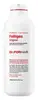 Key Ingredients
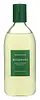
Benefits
Concerns
Ingredients Side-by-side
Water
Skin ConditioningDisodium Laureth Sulfosuccinate
CleansingLauryl Hydroxysultaine
CleansingCocamide Methyl Mea
Foam Boosting
Styrene/Acrylates Copolymer
Glycerin
Humectant


Sodium Cocoyl Isethionate
Cleansing
Biotin
AntiseborrhoeicCeramide NP
Skin Conditioning



Serenoa Serrulata Fruit Extract
Skin Conditioning
Panthenol
Skin Conditioning
Adenosine
Skin Conditioning
Caffeic Acid
Antioxidant
Niacinamide
Smoothing





Zinc Pyrithione
Antiseborrhoeic
Salicylic Acid
Masking




Rhodiola Rosea Root Extract
EmollientDioscorea Japonica Root Extract
Skin Conditioning
Paeonia Lactiflora Root Extract
Skin ConditioningZingiber Officinale Root Extract
Masking
Sophora Flavescens Extract
Skin ConditioningPolyquaternium-7
PEG-120 Methyl Glucose Dioleate
Emulsifying
Propanediol
Solvent
Sodium Lauroyl Methylaminopropionate
CleansingAlcohol
Antimicrobial
PEG-45 Palm Kernel Glycerides
Emulsifying
C12-13 Alkyl Lactate
EmollientPolyquaternium-10
Cetrimonium Chloride
Antimicrobial
Menthol
Masking
Cocamidopropyl Betaine
Cleansing
Caprylyl Glycol
Emollient
Sodium Chloride
MaskingSodium Benzoate
Masking
Trihydroxystearin
Skin Conditioning
Disodium EDTA
ChelatingPEG-6 Caprylic/Capric Glycerides
EmulsifyingEthylhexylglycerin
Skin ConditioningZinc Chloride
AntimicrobialCitric Acid
Buffering
Camellia Japonica Seed Oil
Emollient
Argania Spinosa Kernel Oil
Emollient
Disodium Phosphate
BufferingMoringa Oleifera Seed Oil
Emollient
Tocopherol
Antioxidant
Lecithin
Emollient
Caprylic/Capric Triglyceride
Masking
Polysorbate 80
Emulsifying
1,2-Hexanediol
Skin Conditioning
Parfum
Masking

Water, Disodium Laureth Sulfosuccinate, Lauryl Hydroxysultaine, Cocamide Methyl Mea, Styrene/Acrylates Copolymer, Glycerin, Sodium Cocoyl Isethionate, Biotin, Ceramide NP, Serenoa Serrulata Fruit Extract, Panthenol, Adenosine, Caffeic Acid, Niacinamide, Zinc Pyrithione, Salicylic Acid, Rhodiola Rosea Root Extract, Dioscorea Japonica Root Extract, Paeonia Lactiflora Root Extract, Zingiber Officinale Root Extract, Sophora Flavescens Extract, Polyquaternium-7, PEG-120 Methyl Glucose Dioleate, Propanediol, Sodium Lauroyl Methylaminopropionate, Alcohol, PEG-45 Palm Kernel Glycerides, C12-13 Alkyl Lactate, Polyquaternium-10, Cetrimonium Chloride, Menthol, Cocamidopropyl Betaine, Caprylyl Glycol, Sodium Chloride, Sodium Benzoate, Trihydroxystearin, Disodium EDTA, PEG-6 Caprylic/Capric Glycerides, Ethylhexylglycerin, Zinc Chloride, Citric Acid, Camellia Japonica Seed Oil, Argania Spinosa Kernel Oil, Disodium Phosphate, Moringa Oleifera Seed Oil, Tocopherol, Lecithin, Caprylic/Capric Triglyceride, Polysorbate 80, 1,2-Hexanediol, Parfum
Rosmarinus Officinalis Leaf Extract
AntimicrobialWater
Skin ConditioningPinus Densiflora Leaf Extract
Antimicrobial
Sodium Methyl Cocoyl Taurate
Cleansing
Sodium Cocoyl Isethionate
Cleansing
Sodium Methyl Oleoyl Taurate
CleansingLauryl Betaine
CleansingPropanediol
Solvent
Sodium Chloride
MaskingErythritol
Humectant
Lauryl Glucoside
CleansingSalicylic Acid
Masking
Rosmarinus Officinalis Leaf Oil
Masking
Ocimum Basilicum Leaf Extract
Skin ConditioningOcimum Sanctum Leaf Extract
Skin ConditioningOriganum Vulgare Leaf Extract
Skin ConditioningZingiber Officinale Root Extract
Masking
Bifida Ferment Lysate
Skin Conditioning
Lactobacillus Ferment Lysate
Skin Conditioning
Arginine
Masking
Biotin
AntiseborrhoeicPanthenol
Skin Conditioning
Caffeine
Skin Conditioning
Polyquaternium-10
Caprylyl Glycol
Emollient
Cedrus Atlantica Bark Oil
Masking
Butylene Glycol
Humectant
Illicium Verum Fruit Extract
Perfuming
Cupressus Sempervirens Oil
Masking
Abies Sibirica Oil
Masking
Niacinamide
Smoothing
Styrax Benzoin Resin Extract
Masking
Dipropylene Glycol
HumectantLimonene
Perfuming
Glycerin
Humectant
Melia Azadirachta Leaf Extract
Skin ConditioningMelia Azadirachta Flower Extract
Skin ConditioningMalt Extract
Skin ProtectingCoccinia Indica Fruit Extract
Skin Conditioning
Amber Powder
Solanum Melongena Fruit Extract
Skin ConditioningCurcuma Longa Root Extract
Antioxidant
Corallina Officinalis Extract
Skin Conditioning
Moringa Oleifera Seed Oil
Emollient
Disodium EDTA
ChelatingIsopropyl Alcohol
Solvent
Sodium Acetate
Buffering1,2-Hexanediol
Skin Conditioning
Rosmarinus Officinalis Leaf Extract, Water, Pinus Densiflora Leaf Extract, Sodium Methyl Cocoyl Taurate, Sodium Cocoyl Isethionate, Sodium Methyl Oleoyl Taurate, Lauryl Betaine, Propanediol, Sodium Chloride, Erythritol, Lauryl Glucoside, Salicylic Acid, Rosmarinus Officinalis Leaf Oil, Ocimum Basilicum Leaf Extract, Ocimum Sanctum Leaf Extract, Origanum Vulgare Leaf Extract, Zingiber Officinale Root Extract, Bifida Ferment Lysate, Lactobacillus Ferment Lysate, Arginine, Biotin, Panthenol, Caffeine, Polyquaternium-10, Caprylyl Glycol, Cedrus Atlantica Bark Oil, Butylene Glycol, Illicium Verum Fruit Extract, Cupressus Sempervirens Oil, Abies Sibirica Oil, Niacinamide, Styrax Benzoin Resin Extract, Dipropylene Glycol, Limonene, Glycerin, Melia Azadirachta Leaf Extract, Melia Azadirachta Flower Extract, Malt Extract, Coccinia Indica Fruit Extract, Amber Powder, Solanum Melongena Fruit Extract, Curcuma Longa Root Extract, Corallina Officinalis Extract, Moringa Oleifera Seed Oil, Disodium EDTA, Isopropyl Alcohol, Sodium Acetate, 1,2-Hexanediol
Reviews
Ingredients Explained
These ingredients are found in both products.
Ingredients higher up in an ingredient list are typically present in a larger amount.
1,2-Hexanediol is a synthetic liquid and another multi-functional powerhouse.
It is a:
- Humectant, drawing moisture into the skin
- Emollient, helping to soften skin
- Solvent, dispersing and stabilizing formulas
- Preservative booster, enhancing the antimicrobial activity of other preservatives
Biotin is a B vitamin that is naturally produced by our bodies. It is also called Vitamin H.
Our bodies use biotin in the metabolism process. It also helps our bodies use enzymes and move nutrients around. A biotin deficiency can lead to brittle hair and nails.
More research is needed on applying biotin topically. However, taking biotin orally has been shown to help nourish the skin, hair, and nails. They play a role in forming skin-hydrating fatty acids.
Biotin is water-soluble. It can be found in foods such as fish, eggs, dairy, nuts, and meat. Vitamin H stands for "haar" and "haut". These are the German words for hair and skin.
Learn more about BiotinCaprylyl Glycol is a humectant, skin conditioner, emollient, and preservative booster derived from either caprylic acid or synthetically created.
Typical use levels vary from 0.3-1% as a preservative booster and go up to 2% to condition skin.
Because it is not a free-fatty acid, this ingredient is fungal acne safe (there's nothing for Malassezia to feed on).
Learn more about Caprylyl GlycolDisodium EDTA is a chelating agent. It grabs onto and deactivates metal ions that sneak into your products from water, packaging, or air.
This ingredient mainly works behind the scenes and helps with:
On top of that, this ingredient can counteract the effects of hard water by binding to the minerals in it.
One thing worth knowing is that Disodium EDTA has been shown to be a mild penetration enhancer. It can help other ingredients absorb into skin more effectively which can be a double-edged sword (great for actives, but can also make the active too strong if you have sensitive skin).
Clinical patch testing showed no significant skin irritation at typical use concentrations and minimal dermal absorption.
You'll most likely see this ingredient near the end of an ingredient list. It's typically found in concentrations less than 1%.
Learn more about Disodium EDTAGlycerin (or glycerol) is a compound naturally found in your skin. It's a powerhouse humectant that pulls water into the stratum corneum.
Topically, glycerin does several things at once:
Your skin makes glycerin on its own (mostly from sebaceous oil breakdown) and shuttles it to your outermost layer of skin, or your epidermis, via aquaporin-3.
Aquaporin-3 is a transporter that is essential for normal skin hydration, elasticity, and repair. Interestingly, mice lacking in AQP3 have dry and less elastic skin that can be fully corrected with glycerin.
This ingredient is non-irritating, plays well with almost every ingredient, and works across all skin types. Typical use is anywhere between 3-10% but can go up to 79% in some leave-on products.
Just know very high concentrations (>40%) can feel tacky in low humidity.
Glycerin is the name for this ingredient in American English. British English uses Glycerol/Glycerine.
Learn more about GlycerinMoringa Oleifera Seed Oil is a lightweight oil from the seeds of the Moringa oleifera tree. In cosmetics, it's an emollient that forms a light film to slow water loss and soften skin.
Its fatty acid composition is dominated by oleic acid (70-78%), with smaller amounts of behenic, palmitic, and stearic acids (this profile is actually pretty similar to olive oil).
Notably, this ingredient is oxidatively stable for an oil and resists going rancid as fast as other oils.
A small, in vivo study on 32 participants found a cream with this ingredient increased skin hydration with no reported skin irritation. It also found the tocopherol content gave it some antioxidant activity as well.
Because this oil is so high in oleic acid, Malassezia can use it as a food source and this ingredient may not be fungal acne safe.
For everyone else, this ingredient is well-tolerated and nourishing with a good safety track record.
This ingredient shows up on a lot of "pore-clogging" lists but there's no real evidence behind that. It doesn't even have a comedogenic rating from an actual study; the numbers you'll find online come from blogs citing other blogs.
Ratings for other ingredients mostly come from a 1980s rabbit ear test. This test doesn't translate well to human skin or to real products because the ingredient sits at a much lower percentage.
Some people still find it breaks them out. So if that's you, definitely trust your skin.
Learn more about Moringa Oleifera Seed OilNiacinamide is a multitasking form of vitamin B3 that strengthens the skin barrier, reduces pores and dark spots, regulates oil, and improves signs of aging.
And the best part? It's gentle and well-tolerated by most skin types, including sensitive and reactive skin.
You might have heard of "niacin flush", or the reddening of skin that causes itchiness. Niacinamide has not been found to cause this.
In very rare cases, some individuals may not be able to tolerate niacinamide at all or experience an allergic reaction to it.
If you are experiencing flaking, irritation, and dryness with this ingredient, be sure to double check all your products as this ingredient can be found in all categories of skincare.
When incorporating niacinamide into your routine, look out for concentration amounts. Typically, 5% niacinamide provides benefits such as fading dark spots. However, if you have sensitive skin, it is better to begin with a smaller concentration.
When you apply niacinamide to your skin, your body converts it into nicotinamide adenine dinucleotide (NAD). NAD is an essential coenzyme that is already found in your cells as "fuel" and powers countless biological processes.
In your skin, NAD helps repair cell damage, produce new healthy cells, support collagen production, strengthen the skin barrier, and fight environmental stressors (like UV and pollution).
Our natural NAD levels start to decline with age, leading to slower skin repair, visible aging, and a weaker skin barrier. By providing your skin niacinamide, you're recharging your skin's NAD levels. This leads to stronger, healthier, and younger looking skin.
Another name for vitamin B3 is nicotinamide. This vitamin is water-soluble and our bodies don't store it. We obtain Vitamin B3 from either food or skincare. Meat, fish, wheat, yeast, and leafy greens contain vitamin B3.
The type of niacinamide used in skincare is synthetically created.
Learn more about NiacinamidePanthenol is a common ingredient that helps hydrate and soothe the skin. It is found naturally in our skin and hair.
There are two forms of panthenol: D and L.
D-panthenol is also known as dexpanthenol. Most cosmetics use dexpanthenol or a mixture of D and L-panthenol.
Panthenol is famous due to its ability to go deeper into the skin's layers. Using this ingredient has numerous pros (and no cons):
Like hyaluronic acid, panthenol is a humectant. Humectants are able to bind and hold large amounts of water to keep skin hydrated.
This ingredient works well for wound healing. It works by increasing tissue in the wound and helps close open wounds.
Once oxidized, panthenol converts to pantothenic acid. Panthothenic acid is found in all living cells.
This ingredient is also referred to as pro-vitamin B5.
Learn more about PanthenolPolyquaternium-10 is an ammonium salt of hydroxyethylcellulose. It is a white and granular powder used as a film-former and anti-static agent.
This ingredient is commonly found in hair conditioning products. According to a manufacturer, its positive charge makes it great for absorbing hair proteins. The manufacturer also states this ingredient helps with curl retention.
For haircare friends: this ingredient is not a silicone.
Learn more about Polyquaternium-10Propanediol is an all-star ingredient. It softens, hydrates, and smooths the skin.
It’s often used to:
Propanediol is not likely to cause sensitivity and considered safe to use. It is derived from corn or petroleum with a clear color and no scent.
Learn more about PropanediolSalicylic Acid (also known as beta hydroxy acid or BHA) is a well-known ingredient for treating skin that struggles with acne and clogged pores. It exfoliates both the skin's surface and deep within the pores to help clear out buildup, control oil, and reduce inflammation.
Unlike AHAs (alpha hydroxy acids), salicylic acid is oil-soluble. This allows it to penetrate into pores which makes it especially effective for treating blackheads and preventing future breakouts.
Salicylic acid is also known for its soothing properties. It has a similar structure to aspirin and can calm inflamed or irritated skin, making it a good option for acne-prone skin that is also sensitive.
Concentrations of 0.5-2% are recognized by the U.S. FDA as an over-the-counter topical acne product.
It can cause irritation and/or dryness if one's skin already has a compromised moisture barrier, so it's best to focus on repairing that before introducing this ingredient into your routine.
While salicylic acid does not increase sun sensitivity, it’s still important to wear sunscreen daily to protect your skin.
If you are looking for the ingredient called BHA or Butylated Hydroxyanisole, click here.
Learn more about Salicylic AcidChances are, you eat sodium chloride every day. Sodium Chloride is also known as table salt. This ingredient has many purposes in skincare: thickener, emulsifier, and exfoliator.
You'll most likely find this ingredient in cleansers where it is used to create a gel-like texture. As an emulsifier, it also prevents ingredients from separating.
You might see people debate whether Sodium Chloride is comedogenic, but there actually haven't been any comedogenic tests done on it. Either way, the overall formulation of a product matters a lot more than any single ingredient.
You might see this ingredient used in scrubs as a primary exfoliating ingredient.
Learn more about Sodium ChlorideSodium cocoyl isethionate is a natural ingredient from coconut oil. It is an ultra gentle cleanser that gives a nice foam without drying the skin or impacting the skin barrier.
The amount of foam created depends on the amount of sodium cocoyl isethionate used in the product.
This ingredient also helps improve the spreadability of a product.
This ingredient hasn’t been shown in studies to feed fungal acne yeast.
Learn more about Sodium Cocoyl IsethionateWater. It's the most common cosmetic ingredient of all. You'll usually see it at the top of ingredient lists, meaning that it makes up the largest part of the product.
So why is it so popular? Water most often acts as a solvent - this means that it helps dissolve other ingredients into the formulation.
You'll also recognize water as that liquid we all need to stay alive. If you see this, drink a glass of water. Remember to stay hydrated!
Learn more about WaterZingiber Officinale is more commonly known as ginger.
Ginger root has antioxidant, anti-inflammation, and antimicrobial properties.
The antioxidant properties help protect your body from free-radicals. Free-radicals are molecules that may damage your skin cells. As a result, ginger may help slow down signs of aging such as hyperpigmentation and wrinkles.
Studies show ginger inhibits the enzyme that breaks down collagen. It also helps with:
This ingredient has no negative side-effects and is safe to use unless one has a specific allergy to it.
Ginger originates from Southeast Asia but has spread throughout the world. It is now a common spice used in many cultures.
Learn more about Zingiber Officinale Root Extract

