
What's inside
What's inside
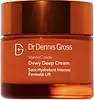 Key Ingredients
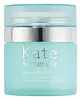
Benefits
Concerns
Ingredients Side-by-side
3-O-Ethyl Ascorbic Acid
Skin Conditioning





Niacinamide
Smoothing






Squalane
Emollient
Water
Skin ConditioningGlycerin
Humectant
Butylene Glycol
Humectant
Camellia Japonica Seed Oil
Emollient

Oryza Sativa Bran Oil
Emollient
Dimethicone
Emollient
Sucrose
Humectant
Pentylene Glycol
Skin Conditioning
Helianthus Annuus Seed Oil
Emollient
Hydroxyethyl Acrylate/Sodium Acryloyldimethyl Taurate Copolymer
Emulsion StabilisingLactic Acid
Buffering


Dipotassium Glycyrrhizate
Humectant
Ceramide NP
Skin Conditioning
Saccharide Isomerate
Humectant
Superoxide Dismutase
Antioxidant
Ubiquinone
Antioxidant
Undaria Pinnatifida Extract
Skin ConditioningAloe Barbadensis Leaf Juice
Skin Conditioning
Adenosine
Skin Conditioning
Collagen Amino Acids
Moisturising
Hydroxyproline
Skin ConditioningAcetyl Hexapeptide-8
Humectant
Leuconostoc/Radish Root Ferment Filtrate
Antimicrobial
Glycolic Acid
Buffering
Carnitine
Cleansing
Glycine
Buffering
Carnitine Hcl
HumectantLactobacillus Ferment
Skin Conditioning
1,2-Hexanediol
Skin Conditioning
Caprylyl Glycol
Emollient
Caprylic/Capric Triglyceride
Masking
Hydrogenated Lecithin
Emulsifying
Lecithin
Emollient
Maltodextrin
Absorbent
Hydroxyethylcellulose
Emulsion StabilisingPolysorbate 60
Emulsifying
Carbomer
Emulsion StabilisingAmmonium Hydroxide
BufferingPotassium Hydroxide
BufferingSodium Phytate
Camellia Sinensis Leaf Extract
Antimicrobial
Cucumis Sativus Fruit Extract
Emollient
Triethyl Citrate
Masking
Lavandula Angustifolia Flower/Leaf/Stem Extract
Masking
Elettaria Cardamomum Seed Extract
Perfuming
Pyrus Malus Fruit Extract
Skin Conditioning
Rubus Idaeus Fruit Extract
AstringentCananga Odorata Flower Extract
Perfuming
Citrus Aurantium Bergamia Fruit Extract
Skin ConditioningCitrus Aurantium Amara Flower Extract
RefreshingCoffea Arabica Seed Extract
Masking
Cucumis Melo Fruit Extract
Skin ConditioningCupressus Sempervirens Leaf/Stem Extract
Skin ConditioningFucus Vesiculosus Extract
Emollient
Jasminum Officinale Flower Extract
Masking
Rose Extract
Skin ConditioningRosmarinus Officinalis Leaf Extract
AntimicrobialSalvia Officinalis Leaf Extract
CleansingSantalum Album Wood Extract
Perfuming
Phenoxyethanol
Preservative
Potassium Sorbate
Preservative
3-O-Ethyl Ascorbic Acid, Niacinamide, Squalane, Water, Glycerin, Butylene Glycol, Camellia Japonica Seed Oil, Oryza Sativa Bran Oil, Dimethicone, Sucrose, Pentylene Glycol, Helianthus Annuus Seed Oil, Hydroxyethyl Acrylate/Sodium Acryloyldimethyl Taurate Copolymer, Lactic Acid, Dipotassium Glycyrrhizate, Ceramide NP, Saccharide Isomerate, Superoxide Dismutase, Ubiquinone, Undaria Pinnatifida Extract, Aloe Barbadensis Leaf Juice, Adenosine, Collagen Amino Acids, Hydroxyproline, Acetyl Hexapeptide-8, Leuconostoc/Radish Root Ferment Filtrate, Glycolic Acid, Carnitine, Glycine, Carnitine Hcl, Lactobacillus Ferment, 1,2-Hexanediol, Caprylyl Glycol, Caprylic/Capric Triglyceride, Hydrogenated Lecithin, Lecithin, Maltodextrin, Hydroxyethylcellulose, Polysorbate 60, Carbomer, Ammonium Hydroxide, Potassium Hydroxide, Sodium Phytate, Camellia Sinensis Leaf Extract, Cucumis Sativus Fruit Extract, Triethyl Citrate, Lavandula Angustifolia Flower/Leaf/Stem Extract, Elettaria Cardamomum Seed Extract, Pyrus Malus Fruit Extract, Rubus Idaeus Fruit Extract, Cananga Odorata Flower Extract, Citrus Aurantium Bergamia Fruit Extract, Citrus Aurantium Amara Flower Extract, Coffea Arabica Seed Extract, Cucumis Melo Fruit Extract, Cupressus Sempervirens Leaf/Stem Extract, Fucus Vesiculosus Extract, Jasminum Officinale Flower Extract, Rose Extract, Rosmarinus Officinalis Leaf Extract, Salvia Officinalis Leaf Extract, Santalum Album Wood Extract, Phenoxyethanol, Potassium Sorbate
Water
Skin ConditioningDimethicone
Emollient
Glycerin
Humectant
Propanediol
Solvent
Diphenylsiloxy Phenyl Trimethicone
Skin Conditioning
Glyceryl Glucoside
Humectant
Dimethicone/PEG-10/15 Crosspolymer
Spirulina Maxima Extract
SmoothingPalmitoyl Tetrapeptide-7
Skin Conditioning
Rosmarinus Officinalis Leaf Extract
AntimicrobialCalendula Officinalis Flower Extract
Masking
Tocopheryl Acetate
Antioxidant
Tocopherol
Antioxidant
Hydrolyzed Hyaluronic Acid
Humectant
Ethylhexylglycerin
Skin ConditioningPolysilicone-11
Lecithin
Emollient
Chrysin
Skin ConditioningLauryl PEG-9 Polydimethylsiloxyethyl Dimethicone
Skin Conditioning
Sodium Chloride
MaskingDisteardimonium Hectorite
StabilisingSucrose
Humectant
Sodium Citrate
BufferingParfum
Masking
1,2-Hexanediol
Skin Conditioning
Triethyl Citrate
Masking
Dipropylene Glycol
HumectantPentylene Glycol
Skin Conditioning
Disodium EDTA
Phenoxyethanol
Preservative
Linalool
Perfuming
Limonene
Perfuming
Water, Dimethicone, Glycerin, Propanediol, Diphenylsiloxy Phenyl Trimethicone, Glyceryl Glucoside, Dimethicone/PEG-10/15 Crosspolymer, Spirulina Maxima Extract, Palmitoyl Tetrapeptide-7, Rosmarinus Officinalis Leaf Extract, Calendula Officinalis Flower Extract, Tocopheryl Acetate, Tocopherol, Hydrolyzed Hyaluronic Acid, Ethylhexylglycerin, Polysilicone-11, Lecithin, Chrysin, Lauryl PEG-9 Polydimethylsiloxyethyl Dimethicone, Sodium Chloride, Disteardimonium Hectorite, Sucrose, Sodium Citrate, Parfum, 1,2-Hexanediol, Triethyl Citrate, Dipropylene Glycol, Pentylene Glycol, Disodium EDTA, Phenoxyethanol, Linalool, Limonene
Reviews
Ingredients Explained
These ingredients are found in both products.
Ingredients higher up in an ingredient list are typically present in a larger amount.
1,2-Hexanediol is a synthetic liquid and another multi-functional powerhouse.
It is a:
- Humectant, drawing moisture into the skin
- Emollient, helping to soften skin
- Solvent, dispersing and stabilizing formulas
- Preservative booster, enhancing the antimicrobial activity of other preservatives
Dimethicone is a type of synthetic silicone created from natural materials such as quartz. It is also known as polydimethylsiloxane.
What it does:
Dimethicone comes in different viscosities:
Depending on the viscosity, dimethicone has different properties.
Ingredients lists don't always show which type is used, so we recommend reaching out to the brand if you have questions about the viscosity.
This ingredient is unlikely to cause irritation because it does not get absorbed into skin. However, people with silicone allergies should be careful about using this ingredient.
Note: Dimethicone may contribute to pilling. This is because it is not oil or water soluble, so pilling may occur when layered with products. When mixed with heavy oils in a formula, the outcome is also quite greasy.
Learn more about DimethiconeGlycerin (or glycerol) is a compound naturally found in your skin. It's a powerhouse humectant that pulls water into the stratum corneum.
Topically, glycerin does several things at once:
Your skin makes glycerin on its own (mostly from sebaceous oil breakdown) and shuttles it to your outermost layer of skin, or your epidermis, via aquaporin-3.
Aquaporin-3 is a transporter that is essential for normal skin hydration, elasticity, and repair. Interestingly, mice lacking in AQP3 have dry and less elastic skin that can be fully corrected with glycerin.
This ingredient is non-irritating, plays well with almost every ingredient, and works across all skin types. Typical use is anywhere between 3-10% but can go up to 79% in some leave-on products.
Just know very high concentrations (>40%) can feel tacky in low humidity.
Glycerin is the name for this ingredient in American English. British English uses Glycerol/Glycerine.
Learn more about GlycerinLecithin is a term for a group of substances found in the cell membranes of plants, animals, and humans. They are made up of phospholipids.
Thanks to its amphiphilic structure (water-loving head and oil-loving tail), it is a true multitasker:
It plays well with most ingredients and is typically used at 0.1-1%. However, concentrations up to 50% have been reported in moisturizers.
Depending on the source of this ingredient, lecithin may not be fungal acne safe. This is because some sources of lecithin come from soybean oil, which may feed the malassezia yeast that causes fungal acne.
We recommend reaching out to the brand you are purchasing from to inquire about the source of their lecithin.
Learn more about LecithinPentylene glycol is typically used within a product to thicken it. It also adds a smooth, soft, and moisturizing feel to the product. It is naturally found in plants such as sugar beets.
The hydrophilic trait of Pentylene Glycol makes it a humectant. As a humectant, Pentylene Glycol helps draw moisture from the air to your skin. This can help keep your skin hydrated.
This property also makes Pentylene Glycol a great texture enhancer. It can also help thicken or stabilize a product.
Pentylene Glycol also acts as a mild preservative and helps to keep a product microbe-free.
Some people may experience mild eye and skin irritation from Pentylene Glycol. We always recommend speaking with a professional about using this ingredient in your routine.
Pentylene Glycol has a low molecular weight and is part of the 1,2-glycol family.
Learn more about Pentylene GlycolPhenoxyethanol is a preservative that has germicide, antimicrobial, and aromatic properties. Studies show that phenoxyethanol can prevent microbial growth. By itself, it has a scent that is similar to that of a rose.
It's often used in formulations along with Caprylyl Glycol to preserve the shelf life of products.
This is a botanical extract from the rosemary plant (the same one you cook with). In skincare, it mostly works as a skin conditioning agent.
Its activity comes from a handful of polyphenols, carnosic acid, carnosol, and rosmarinic acid. Almost 90% of the antioxidant activity of this ingredient can be attributed to canosol and carnosic acid.
These compounds protect your skin two ways:
1) They fight off free radicals, or the unstable molecules from things like sun and pollution that age and damage skin.
2) They help calm inflammation by switching off the chemical signals that tell skin to get red and irritated.
Lab studies also suggest that rosmarinic acid may help protect collagen and slow sugar-related damage to it.
The Cosmetic Ingredient Review has concluded rosemary-derived ingredients to be safe when formulated to be non-sensitizing.
Rosemary can occasionally cause allergic contact dermatitis (due to carnosol), so be sure to patch test if you have reactive or fragrance-sensitive skin.
Learn more about Rosmarinus Officinalis Leaf ExtractSucrose is a natural sugar found in fruits, vegetables, and nuts. It is the main constituent of white sugar.
In skincare, sucrose is a humectant and can be a mild exfoliant.
Sucrose is hydrophilic, meaning it attracts water. This makes it an effective humectant and helps hydrate the skin.
Studies show sugars may worsen acne-prone skin due to it disrupting the skin's natural biome. We recommend speaking with a professional if you have any concerns.
In some products such as body scrubs, sucrose is used as an gentle exfoliant.
The term 'sucrose' comes from the french word for sugar, 'sucre'.
Learn more about SucroseTriethyl Citrate comes from citric acid. It has masking, perfuming, and solvent properties. As a solvent, this ingredient helps disperse ingredients evenly in skincare.
One manufacturer claims this ingredient can:
According to perfume manufacturers, this ingredient is almost odorless but has a mild fruity, wine and plum scent. It can be used to mask the scent of other ingredients.
This ingredient can be plant-sourced or synthetic; it can naturally be found in cabbage and white wine.
Learn more about Triethyl CitrateWater. It's the most common cosmetic ingredient of all. You'll usually see it at the top of ingredient lists, meaning that it makes up the largest part of the product.
So why is it so popular? Water most often acts as a solvent - this means that it helps dissolve other ingredients into the formulation.
You'll also recognize water as that liquid we all need to stay alive. If you see this, drink a glass of water. Remember to stay hydrated!
Learn more about Water
