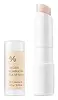
This barrier-repair lip moisturizer is formulated around Squalane and Butyrospermum Parkii Butter to strengthen the lip barrier and hydrate lips.

What's inside
What's inside
 Key Ingredients
Benefits
Concerns
Ingredients Side-by-side
Polyglyceryl-2 Triisostearate
Emulsifying

Squalane
Emollient


Bis-Diglyceryl Polyacyladipate-2
Emollient
Caprylic/Capric Triglyceride
Masking
Octyldodecanol
Emollient
Phytosteryl/Isostearyl/Cetyl/Stearyl/Behenyl Dimer Dilinoleate
Skin Conditioning
Synthetic Wax
Abrasive

Octyldodecyl Stearoyl Stearate
Emollient
Polyhydroxystearic Acid
Emulsifying
Butyrospermum Parkii Butter
Skin Conditioning

Ethylene/Propylene Copolymer
Abrasive
Copernicia Cerifera Wax
Eclipta Prostrata Extract
Skin Conditioning
Eclipta Prostrata Leaf Extract
Skin ConditioningEuphorbia Cerifera Wax
Moringa Oleifera Seed Oil
Emollient
Water
Skin ConditioningMelia Azadirachta Leaf Extract
Skin ConditioningMelia Azadirachta Flower Extract
Skin ConditioningButylene Glycol
Humectant
Anemarrhena Asphodeloides Root Extract
Skin Conditioning
Ceramide NP
Skin Conditioning

Citric Acid
Buffering

Ocimum Sanctum Leaf Extract
Skin ConditioningCandida Bombicola/Glucose/Methyl Rapeseedate Ferment
AntimicrobialCorallina Officinalis Extract
Skin Conditioning
Oryza Sativa Germ Oil
Emollient
Camellia Sinensis Leaf Extract
Antimicrobial


Saccharomyces Ferment Filtrate
Humectant
Schisandra Chinensis Fruit Extract
Skin Conditioning
1,2-Hexanediol
Skin Conditioning
Polyglyceryl-2 Triisostearate, Squalane, Bis-Diglyceryl Polyacyladipate-2, Caprylic/Capric Triglyceride, Octyldodecanol, Phytosteryl/Isostearyl/Cetyl/Stearyl/Behenyl Dimer Dilinoleate, Synthetic Wax, Octyldodecyl Stearoyl Stearate, Polyhydroxystearic Acid, Butyrospermum Parkii Butter, Ethylene/Propylene Copolymer, Copernicia Cerifera Wax, Eclipta Prostrata Extract, Eclipta Prostrata Leaf Extract, Euphorbia Cerifera Wax, Moringa Oleifera Seed Oil, Water, Melia Azadirachta Leaf Extract, Melia Azadirachta Flower Extract, Butylene Glycol, Anemarrhena Asphodeloides Root Extract, Ceramide NP, Citric Acid, Ocimum Sanctum Leaf Extract, Candida Bombicola/Glucose/Methyl Rapeseedate Ferment, Corallina Officinalis Extract, Oryza Sativa Germ Oil, Camellia Sinensis Leaf Extract, Saccharomyces Ferment Filtrate, Schisandra Chinensis Fruit Extract, 1,2-Hexanediol
Polyglyceryl-2 Isostearate/Dimer Dilinoleate Copolymer
EmollientHelianthus Annuus Seed Oil
Emollient
Simmondsia Chinensis Seed Oil
Emollient
Tocopheryl Acetate
Antioxidant
Olea Europaea Fruit Oil
Masking
Silica Dimethyl Silylate
EmollientCamellia Japonica Seed Oil
Emollient
Camellia Sinensis Seed Oil
Humectant
Argania Spinosa Kernel Oil
Emollient
Macadamia Ternifolia Seed Oil
Emollient
Rosa Damascena Flower Water
Masking
Monascus Extract
Skin ConditioningMentha Viridis Leaf Oil
Astringent

Eclipta Prostrata Extract
Skin Conditioning
Rubus Idaeus Fruit Extract
AstringentVaccinium Angustifolium Fruit Extract
Skin Protecting
Morus Alba Root Extract
BleachingFragaria Vesca Fruit Extract
AstringentOriganum Vulgare Leaf Extract
Skin ConditioningChamaecyparis Obtusa Leaf Extract
Skin ConditioningSalix Alba Bark Extract
Astringent
Melia Azadirachta Leaf Extract
Skin ConditioningLactobacillus/Soybean Ferment Extract
Skin ConditioningPortulaca Oleracea Extract
Skin Conditioning
Cinnamomum Cassia Bark
Skin ConditioningScutellaria Baicalensis Root Extract
Astringent
Moringa Oleifera Seed Oil
Emollient
Polyhydroxystearic Acid
Emulsifying
Ceramide NP
Skin Conditioning
Lecithin
Emollient
Isostearic Acid
Cleansing
Isopropyl Myristate
Emollient
Ethylhexyl Palmitate
Emollient
Diisostearyl Malate
EmollientDehydroacetic Acid
Preservative
Polyglyceryl-3 Polyricinoleate
Emulsifying
Tocopherol
Antioxidant
Parfum
Masking
CI 15850
Cosmetic ColorantCI 15985
Cosmetic ColorantBenzyl Benzoate
Antimicrobial
Polyglyceryl-2 Isostearate/Dimer Dilinoleate Copolymer, Helianthus Annuus Seed Oil, Simmondsia Chinensis Seed Oil, Tocopheryl Acetate, Olea Europaea Fruit Oil, Silica Dimethyl Silylate, Camellia Japonica Seed Oil, Camellia Sinensis Seed Oil, Argania Spinosa Kernel Oil, Macadamia Ternifolia Seed Oil, Rosa Damascena Flower Water, Monascus Extract, Mentha Viridis Leaf Oil, Eclipta Prostrata Extract, Rubus Idaeus Fruit Extract, Vaccinium Angustifolium Fruit Extract, Morus Alba Root Extract, Fragaria Vesca Fruit Extract, Origanum Vulgare Leaf Extract, Chamaecyparis Obtusa Leaf Extract, Salix Alba Bark Extract, Melia Azadirachta Leaf Extract, Lactobacillus/Soybean Ferment Extract, Portulaca Oleracea Extract, Cinnamomum Cassia Bark, Scutellaria Baicalensis Root Extract, Moringa Oleifera Seed Oil, Polyhydroxystearic Acid, Ceramide NP, Lecithin, Isostearic Acid, Isopropyl Myristate, Ethylhexyl Palmitate, Diisostearyl Malate, Dehydroacetic Acid, Polyglyceryl-3 Polyricinoleate, Tocopherol, Parfum, CI 15850, CI 15985, Benzyl Benzoate
Reviews
Ingredients Explained
These ingredients are found in both products.
Ingredients higher up in an ingredient list are typically present in a larger amount.
Ceramide NP (formerly known as Ceramide 3) is one of the skin's naturally occurring lipids.
Since ceramides are the major lipid components of the skin, they are crucial for maintaining skin barrier and hydration. Ceramide NP most closely mirrors the dominant kind in human skin amongst ceramide subtypes.
This ceramide works by slotting into gaps within the stratum corneum's lipid matrix to limit trans-epidermal water loss (TEWL) and shield the skin against external irritants.
A study with 312 patients found that using a ceramide-containing routine for 4 weeks reduced the severity of atopic dermatitis by over 61%.
Another clinical study in subjects aged 60 and older found that a ceramide body wash and moisturizer improved skin dryness and itchy skin in 15 days.
Overall, ceramides are considered non-irritating and safety tests have found little to no observable adverse effects from using this ingredient.
Ceramide NP is usually sourced from plants (like soybean or rice bran), or produced synthetically.
Learn more about Ceramide NPThis ingredient is also known as Bhringaraj extract or False Daisy. It is a skin conditioning ingredient that keeps skin soft and hydrated.
Research shows it has antioxidant properties; lab studies have found it can protect skin cells from UV-induced damage and help suppress inflammation.
There's also some interesting research on its potential to support hair growth by promoting the growth phase of the hair cycle.
Those with an allergy to plants in the daisy family may want to patch test this ingredient. This ingredient is generally well-tolerated otherwise.
Learn more about Eclipta Prostrata ExtractThis ingredient is also known as neem leaf extract. It contains natural compounds like nimbidin, quercetin, and other polyphenols that give it antibacterial, antifungal, and anti-inflammatory activity.
Lab studies have shown neem leaf extract can inhibit acne-related bacteria and help calm skin. Animal studies on wound gels using 1-3% neem leaf extract found it sped up healing without causing irritation.
A wound-healing study testing gels with the extract at 1%, 2%, and 3% concentrations and found none of them irritated the skin.
Most commercial products also use it in a similar low range (typically under 5%).
Allergy-wise, there are some case reports on neem oil causing allergic contact dermatitis so people with plant/botanical sensitivities may want to patch test first.
Learn more about Melia Azadirachta Leaf ExtractMoringa Oleifera Seed Oil is a lightweight oil from the seeds of the Moringa oleifera tree. In cosmetics, it's an emollient that forms a light film to slow water loss and soften skin.
Its fatty acid composition is dominated by oleic acid (70-78%), with smaller amounts of behenic, palmitic, and stearic acids (this profile is actually pretty similar to olive oil).
Notably, this ingredient is oxidatively stable for an oil and resists going rancid as fast as other oils.
A small, in vivo study on 32 participants found a cream with this ingredient increased skin hydration with no reported skin irritation. It also found the tocopherol content gave it some antioxidant activity as well.
Because this oil is so high in oleic acid, Malassezia can use it as a food source and this ingredient may not be fungal acne safe.
For everyone else, this ingredient is well-tolerated and nourishing with a good safety track record.
This ingredient shows up on a lot of "pore-clogging" lists but there's no real evidence behind that. It doesn't even have a comedogenic rating from an actual study; the numbers you'll find online come from blogs citing other blogs.
Ratings for other ingredients mostly come from a 1980s rabbit ear test. This test doesn't translate well to human skin or to real products because the ingredient sits at a much lower percentage.
Some people still find it breaks them out. So if that's you, definitely trust your skin.
Learn more about Moringa Oleifera Seed OilPolyhydroxystearic Acid is a vegetable-derived soft wax made from castor oil. It's an emulsion stabilizer, thickener, and film former.
You'll likely see it in sunscreens because it helps disperse pigments and UV-reflecting minerals like titanium dioxide and zinc oxide evenly.
Depending on the concentration, it can drastically change the texture of a product from pasty solid (like lipstick) to sprayable liquid.
The CIR Expert Panel for Cosmetic Ingredient Safety has concluded this ingredient to be safe in cosmetics. The highest reported use concentration is 14.2% in lipsticks.
Learn more about Polyhydroxystearic Acid


