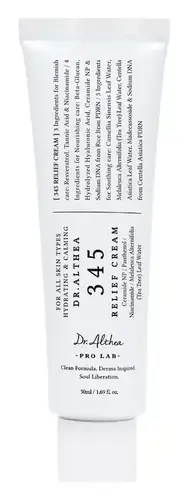
This calming moisturizer is formulated around Melaleuca Alternifolia Leaf Water and Niacinamide to calm redness and strengthen the skin barrier.
This barrier-repair moisturizer is formulated around Azelaic Acid and Bifida Ferment Lysate to strengthen the skin barrier and calm redness.


What's inside
What's inside
 Key Ingredients
Benefits
Concerns
No concerns
Ingredients Side-by-side
Water
Skin ConditioningMelaleuca Alternifolia Leaf Water
Antimicrobial


Propanediol
Solvent

Glycerin
Humectant
1,2-Hexanediol
Skin Conditioning
Hydrogenated Polydecene
EmollientVinyldimethicone

C14-22 Alcohols
Emulsion Stabilising
Niacinamide
Smoothing






Caprylic/Capric Triglyceride
Masking
Panthenol
Skin Conditioning
Dicaprylyl Carbonate
EmollientButylene Glycol
Humectant
Ammonium Acryloyldimethyltaurate/Vp Copolymer
Caprylyl Methicone
Skin Conditioning
Polymethylsilsesquioxane
C12-20 Alkyl Glucoside
EmulsifyingHydroxyacetophenone
Antioxidant
Acrylates/C10-30 Alkyl Acrylate Crosspolymer
Emulsion StabilisingPolyquaternium-51
Skin Conditioning
Ethylhexylglycerin
Skin ConditioningTromethamine
BufferingSodium Hyaluronate
Humectant
Sodium Stearoyl Glutamate
CleansingCoptis Japonica Root Extract
Skin ConditioningCentella Asiatica Leaf Water
Skin Conditioning
Beta-Glucan
Skin Conditioning
Resveratrol
Antioxidant
Hydrolyzed Hyaluronic Acid
Humectant
Camellia Sinensis Leaf Water
Masking
Tocopherol
Antioxidant
Madecassoside
Antioxidant
Sodium DNA
Skin Conditioning
Centella Asiatica Extract
Cleansing
Ceramide NP
Skin Conditioning
Tannic Acid
AstringentDisodium EDTA
ChelatingSodium Phytate
ChelatingWater, Melaleuca Alternifolia Leaf Water, Propanediol, Glycerin, 1,2-Hexanediol, Hydrogenated Polydecene, Vinyldimethicone, C14-22 Alcohols, Niacinamide, Caprylic/Capric Triglyceride, Panthenol, Dicaprylyl Carbonate, Butylene Glycol, Ammonium Acryloyldimethyltaurate/Vp Copolymer, Caprylyl Methicone, Polymethylsilsesquioxane, C12-20 Alkyl Glucoside, Hydroxyacetophenone, Acrylates/C10-30 Alkyl Acrylate Crosspolymer, Polyquaternium-51, Ethylhexylglycerin, Tromethamine, Sodium Hyaluronate, Sodium Stearoyl Glutamate, Coptis Japonica Root Extract, Centella Asiatica Leaf Water, Beta-Glucan, Resveratrol, Hydrolyzed Hyaluronic Acid, Camellia Sinensis Leaf Water, Tocopherol, Madecassoside, Sodium DNA, Centella Asiatica Extract, Ceramide NP, Tannic Acid, Disodium EDTA, Sodium Phytate
Water
Skin ConditioningAzelaic Acid
Buffering
Bifida Ferment Lysate
Skin Conditioning
C15-19 Alkane
SolventGlycerin
Humectant
Squalane
Emollient
Lactococcus Ferment Lysate
Skin Conditioning
Sodium Acrylates Copolymer
Inulin
Skin Conditioning
Propanediol
Solvent
Butylene Glycol
Humectant
Prunus Amygdalus Dulcis Oil
Skin Conditioning




Myristyl Myristate
Emollient
Phytosphingosine
Skin Conditioning
Cholesterol
Emollient
Ceramide AP
Skin Conditioning
Ceramide NP
Skin Conditioning
Ceramide EOP
Skin Conditioning
Alpha-Glucan Oligosaccharide
Cleansing
Carnosine
Skin Conditioning
Copper Tripeptide-1
Skin Conditioning
Acetyl Dipeptide-1 Cetyl Ester
Skin Conditioning
Baicalin
Antioxidant
Ectoin
Skin Conditioning
Tremella Fuciformis Sporocarp Extract
Antioxidant
Hydrolyzed Jojoba Esters
Skin Conditioning
Aloe Barbadensis Leaf Juice
Skin Conditioning
Tocopherol
Antioxidant
Lecithin
Emollient
Arginine
Masking
Lactic Acid
Buffering

Acetic Acid
BufferingHelianthus Annuus Seed Oil
Emollient
Xanthan Gum
EmulsifyingHydroxyethylcellulose
Emulsion StabilisingCarbomer
Emulsion StabilisingSodium Lauroyl Lactylate
EmulsifyingSodium Chloride
MaskingSorbitan Laurate
Emulsifying
Caprylyl Glycol
Emollient
Glyceryl Caprylate
EmollientEthylhexylglycerin
Skin ConditioningSodium Phytate
ChelatingPhenylpropanol
Masking
Levulinic Acid
Perfuming
Sodium Levulinate
Skin ConditioningSodium Benzoate
Masking
Phenoxyethanol
Preservative
Water, Azelaic Acid, Bifida Ferment Lysate, C15-19 Alkane, Glycerin, Squalane, Lactococcus Ferment Lysate, Sodium Acrylates Copolymer, Inulin, Propanediol, Butylene Glycol, Prunus Amygdalus Dulcis Oil, Myristyl Myristate, Phytosphingosine, Cholesterol, Ceramide AP, Ceramide NP, Ceramide EOP, Alpha-Glucan Oligosaccharide, Carnosine, Copper Tripeptide-1, Acetyl Dipeptide-1 Cetyl Ester, Baicalin, Ectoin, Tremella Fuciformis Sporocarp Extract, Hydrolyzed Jojoba Esters, Aloe Barbadensis Leaf Juice, Tocopherol, Lecithin, Arginine, Lactic Acid, Acetic Acid, Helianthus Annuus Seed Oil, Xanthan Gum, Hydroxyethylcellulose, Carbomer, Sodium Lauroyl Lactylate, Sodium Chloride, Sorbitan Laurate, Caprylyl Glycol, Glyceryl Caprylate, Ethylhexylglycerin, Sodium Phytate, Phenylpropanol, Levulinic Acid, Sodium Levulinate, Sodium Benzoate, Phenoxyethanol
Reviews
Ingredients Explained
These ingredients are found in both products.
Ingredients higher up in an ingredient list are typically present in a larger amount.
Butylene Glycol (or BG) is used within cosmetic products for a few different reasons:
Overall, Butylene Glycol is a safe and well-rounded ingredient that works well with other ingredients.
Though this ingredient works well with most skin types, some people with sensitive skin may experience a reaction such as allergic rashes, closed comedones, or itchiness.
Learn more about Butylene GlycolCeramide NP (formerly known as Ceramide 3) is one of the skin's naturally occurring lipids.
Since ceramides are the major lipid components of the skin, they are crucial for maintaining skin barrier and hydration. Ceramide NP most closely mirrors the dominant kind in human skin amongst ceramide subtypes.
This ceramide works by slotting into gaps within the stratum corneum's lipid matrix to limit trans-epidermal water loss (TEWL) and shield the skin against external irritants.
A study with 312 patients found that using a ceramide-containing routine for 4 weeks reduced the severity of atopic dermatitis by over 61%.
Another clinical study in subjects aged 60 and older found that a ceramide body wash and moisturizer improved skin dryness and itchy skin in 15 days.
Overall, ceramides are considered non-irritating and safety tests have found little to no observable adverse effects from using this ingredient.
Ceramide NP is usually sourced from plants (like soybean or rice bran), or produced synthetically.
Learn more about Ceramide NPEthylhexylglycerin is created from glycerin. It is a multitasker ingredient that:
The CIR Expert Panel found minimal skin absorption or sensitization of any kind in a safety assessment. Though this ingredient is considered well-tolerated, a small number of cases of allergic dermatitis have been published since 2002. Just be sure to patch test if you are unsure.
Industry-reported use ranges from 8% in rinse-off products and 2% in leave-on formulations.
Learn more about EthylhexylglycerinGlycerin (or glycerol) is a compound naturally found in your skin. It's a powerhouse humectant that pulls water into the stratum corneum.
Topically, glycerin does several things at once:
Your skin makes glycerin on its own (mostly from sebaceous oil breakdown) and shuttles it to your outermost layer of skin, or your epidermis, via aquaporin-3.
Aquaporin-3 is a transporter that is essential for normal skin hydration, elasticity, and repair. Interestingly, mice lacking in AQP3 have dry and less elastic skin that can be fully corrected with glycerin.
This ingredient is non-irritating, plays well with almost every ingredient, and works across all skin types. Typical use is anywhere between 3-10% but can go up to 79% in some leave-on products.
Just know very high concentrations (>40%) can feel tacky in low humidity.
Glycerin is the name for this ingredient in American English. British English uses Glycerol/Glycerine.
Learn more about GlycerinPropanediol is an all-star ingredient. It softens, hydrates, and smooths the skin.
It’s often used to:
Propanediol is not likely to cause sensitivity and considered safe to use. It is derived from corn or petroleum with a clear color and no scent.
Learn more about PropanediolSodium Phytate is the sodium salt of Phytic acid, a compound that plants store phosphorus in. It's the plant-derived alternative to ingredients like Disodium EDTA.
In skincare, this ingredient is a chelator that grabs onto trace metal ions like iron and copper that sneak into formulas through water/raw materials.
Those metals speed up oxidation so binding them keeps oils, fragrance, and actives from going off, stops color changes, and helps the preservative system work harder.
Survey data shows usage levels range from 0.0099%-0.5% in leave-on products, 0.025%-0.3% in rinse-off, and up to 0.05% in eye-area products. Suppliers typically recommend a range between 0.05-0.5%.
Learn more about Sodium PhytateTocopherol is a fat-soluble antioxidant known as Vitamin E.
You'll find this ingredient in the vast majority of skincare (for good reason). It works to neutralize free radicals, or unstable molecules generated by UV exposure, pollution, and other environmental stressors, before they can cause oxidative damage to your skin cells.
Topically applied tocopherol has been shown to protect against UV damage by ramping up the skin's own natural defense enzymes.
It also acts as a skin conditioning agent; some studies show that regular topical use can improve the skin's water-binding capacity over 2-4 weeks.
This ingredient is especially loved for being a team player. When combined with Vitamin C, the photoprotective effect of both ingredients roughly doubles and the combo also helps reduce UV-induced DNA damage.
This ingredient has some brightening potential but it's more of a prevention ingredient than spot-fader. Cell studies show it can slow down melanin production but it's worth noting that it's not the most powerful brightener out there.
In formulations, it also serves as a stabilizer that helps protect other oxidation-prone ingredients from degrading.
Concentrations usually range from 0.1-1% in most leave-on products.
Learn more about TocopherolWater. It's the most common cosmetic ingredient of all. You'll usually see it at the top of ingredient lists, meaning that it makes up the largest part of the product.
So why is it so popular? Water most often acts as a solvent - this means that it helps dissolve other ingredients into the formulation.
You'll also recognize water as that liquid we all need to stay alive. If you see this, drink a glass of water. Remember to stay hydrated!
Learn more about Water

