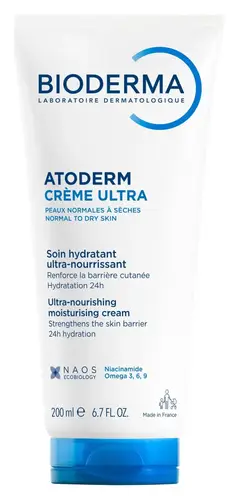
Dot & Key Skincare Ceramides & Hyaluronic Acid Barrier Repair Moisturizer Versus Simple Skincare Kind To Skin Hydrating Light Moisturiser


What's inside
What's inside
 Key Ingredients
Benefits
Concerns
Ingredients Side-by-side
Water
Skin ConditioningCaprylic/Capric Triglyceride
Masking


Glycerin
Humectant
Glyceryl Stearate
Emollient
PEG-100 Stearate
Surfactant
Cetyl Alcohol
Emollient
Cetearyl Olivate
Sorbitan Olivate
Emulsifying
Cyclopentasiloxane
Emollient
Dimethicone Crosspolymer
Emulsion Stabilising
Sodium Polyacrylate
Absorbent
Dicaprylyl Carbonate
EmollientPolyglyceryl-3 Caprate
EmulsifyingDimethicone
Emollient
C14-22 Alcohols
Emulsion Stabilising
C12-20 Alkyl Glucoside
EmulsifyingXylitylglucoside
Humectant
Anhydroxylitol
Humectant
Xylitol
Humectant
Stearic Acid
Cleansing
Olea Europaea Fruit Oil
Masking

Simmondsia Chinensis Seed Oil
Emollient
Laminaria Digitata Extract
Skin Protecting
Hydrogenated Lecithin
Emulsifying
Cetyl-Pg Hydroxyethyl Palmitamide
Skin ConditioningCeramide EOP
Skin Conditioning


Ceramide Ns
Skin Conditioning
Ceramide NP
Skin Conditioning
Ceramide As
Skin Conditioning
Ceramide AP
Skin Conditioning
Cholesterol
Emollient
1,2-Hexanediol
Skin Conditioning
Sodium Hyaluronate
Humectant
Vaccinium Angustifolium Fruit Extract
Skin Protecting
Oryza Sativa Extract
Absorbent
Saccharomyces Ferment Lysate Filtrate
Skin Conditioning
Citric Acid
Buffering


Sodium Benzoate
Masking
Potassium Sorbate
Preservative
Polyglutamic Acid
Skin Conditioning
Lactobacillus
Skin ConditioningMaltodextrin
Absorbent
Tocopheryl Acetate
Antioxidant

Xanthan Gum
EmulsifyingDisodium EDTA
Sodium Hydroxide
BufferingBHT
Antioxidant
Phenoxyethanol
Preservative
Ethylhexylglycerin
Skin ConditioningWater, Caprylic/Capric Triglyceride, Glycerin, Glyceryl Stearate, PEG-100 Stearate, Cetyl Alcohol, Cetearyl Olivate, Sorbitan Olivate, Cyclopentasiloxane, Dimethicone Crosspolymer, Sodium Polyacrylate, Dicaprylyl Carbonate, Polyglyceryl-3 Caprate, Dimethicone, C14-22 Alcohols, C12-20 Alkyl Glucoside, Xylitylglucoside, Anhydroxylitol, Xylitol, Stearic Acid, Olea Europaea Fruit Oil, Simmondsia Chinensis Seed Oil, Laminaria Digitata Extract, Hydrogenated Lecithin, Cetyl-Pg Hydroxyethyl Palmitamide, Ceramide EOP, Ceramide Ns, Ceramide NP, Ceramide As, Ceramide AP, Cholesterol, 1,2-Hexanediol, Sodium Hyaluronate, Vaccinium Angustifolium Fruit Extract, Oryza Sativa Extract, Saccharomyces Ferment Lysate Filtrate, Citric Acid, Sodium Benzoate, Potassium Sorbate, Polyglutamic Acid, Lactobacillus, Maltodextrin, Tocopheryl Acetate, Xanthan Gum, Disodium EDTA, Sodium Hydroxide, BHT, Phenoxyethanol, Ethylhexylglycerin
Water
Skin ConditioningGlycerin
Humectant
Paraffinum Liquidum
Emollient
Polyglyceryl-3 Methylglucose Distearate
Emulsifying
Niacinamide
Smoothing




Dimethicone
Emollient
Cetyl Palmitate
Emollient
Cetyl Alcohol
Emollient
Panthenol
Skin Conditioning
Phenoxyethanol
Preservative
Caprylyl Glycol
Emollient
Carbomer
Emulsion StabilisingPotassium Hydroxide
BufferingTocopheryl Acetate
Antioxidant
Acrylates/C10-30 Alkyl Acrylate Crosspolymer
Emulsion StabilisingDisodium EDTA
Pantolactone
Humectant
Borago Officinalis Seed Oil
Emollient
Potassium Carbonate
BufferingBisabolol
Antioxidant
Pentylene Glycol
Skin Conditioning
Urea
Buffering
Lactic Acid
Buffering
Sodium Lactate
Buffering
Serine
Masking
Sorbitol
Humectant
Sodium Chloride
MaskingAllantoin
Skin Conditioning
Water, Glycerin, Paraffinum Liquidum, Polyglyceryl-3 Methylglucose Distearate, Niacinamide, Dimethicone, Cetyl Palmitate, Cetyl Alcohol, Panthenol, Phenoxyethanol, Caprylyl Glycol, Carbomer, Potassium Hydroxide, Tocopheryl Acetate, Acrylates/C10-30 Alkyl Acrylate Crosspolymer, Disodium EDTA, Pantolactone, Borago Officinalis Seed Oil, Potassium Carbonate, Bisabolol, Pentylene Glycol, Urea, Lactic Acid, Sodium Lactate, Serine, Sorbitol, Sodium Chloride, Allantoin
Reviews
Ingredients Explained
These ingredients are found in both products.
Ingredients higher up in an ingredient list are typically present in a larger amount.
Cetyl Alcohol is a fatty alcohol. Fatty Alcohols are most often used as an emollient or to thicken a product.
Its main roles are:
Though it has "alcohol" in the name, it is not related to denatured alcohol or ethyl alcohol.
The FDA allows products labeled "alcohol-free" to have fatty alcohols.
This ingredient may not be fungal acne safe. It is a primary fatty alcohol with a chain length above 12 carbons. A study from 2019 show Malassezia can feed on fatty alcohols in this range, so it may trigger fungal acne in those prone to it.
Learn more about Cetyl AlcoholDimethicone is a type of synthetic silicone created from natural materials such as quartz. It is also known as polydimethylsiloxane.
What it does:
Dimethicone comes in different viscosities:
Depending on the viscosity, dimethicone has different properties.
Ingredients lists don't always show which type is used, so we recommend reaching out to the brand if you have questions about the viscosity.
This ingredient is unlikely to cause irritation because it does not get absorbed into skin. However, people with silicone allergies should be careful about using this ingredient.
Note: Dimethicone may contribute to pilling. This is because it is not oil or water soluble, so pilling may occur when layered with products. When mixed with heavy oils in a formula, the outcome is also quite greasy.
Learn more about DimethiconeDisodium EDTA is a chelating agent. It grabs onto and deactivates metal ions that sneak into your products from water, packaging, or air.
This ingredient mainly works behind the scenes and helps with:
On top of that, this ingredient can counteract the effects of hard water by binding to the minerals in it.
One thing worth knowing is that Disodium EDTA has been shown to be a mild penetration enhancer. It can help other ingredients absorb into skin more effectively which can be a double-edged sword (great for actives, but can also make the active too strong if you have sensitive skin).
Clinical patch testing showed no significant skin irritation at typical use concentrations and minimal dermal absorption.
You'll most likely see this ingredient near the end of an ingredient list. It's typically found in concentrations less than 1%.
Learn more about Disodium EDTAGlycerin (or glycerol) is a compound naturally found in your skin. It's a powerhouse humectant that pulls water into the stratum corneum.
Topically, glycerin does several things at once:
Your skin makes glycerin on its own (mostly from sebaceous oil breakdown) and shuttles it to your outermost layer of skin, or your epidermis, via aquaporin-3.
Aquaporin-3 is a transporter that is essential for normal skin hydration, elasticity, and repair. Interestingly, mice lacking in AQP3 have dry and less elastic skin that can be fully corrected with glycerin.
This ingredient is non-irritating, plays well with almost every ingredient, and works across all skin types. Typical use is anywhere between 3-10% but can go up to 79% in some leave-on products.
Just know very high concentrations (>40%) can feel tacky in low humidity.
Glycerin is the name for this ingredient in American English. British English uses Glycerol/Glycerine.
Learn more about GlycerinPhenoxyethanol is a preservative that has germicide, antimicrobial, and aromatic properties. Studies show that phenoxyethanol can prevent microbial growth. By itself, it has a scent that is similar to that of a rose.
It's often used in formulations along with Caprylyl Glycol to preserve the shelf life of products.
Tocopheryl Acetate is AKA Vitamin E. It is an antioxidant and protects your skin from free radicals. Free radicals damage the skin by breaking down collagen.
One study found using Tocopheryl Acetate with Vitamin C decreased the number of sunburned cells.
Tocopheryl Acetate is commonly found in both skincare and dietary supplements.
Learn more about Tocopheryl AcetateWater. It's the most common cosmetic ingredient of all. You'll usually see it at the top of ingredient lists, meaning that it makes up the largest part of the product.
So why is it so popular? Water most often acts as a solvent - this means that it helps dissolve other ingredients into the formulation.
You'll also recognize water as that liquid we all need to stay alive. If you see this, drink a glass of water. Remember to stay hydrated!
Learn more about Water