Dior Capture Totale Firming & Wrinkle-Correcting Creme Versus Shiseido Vital Perfection Uplifting and Firming Eye Cream
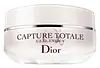
This anti-aging moisturizer is formulated around Niacinamide and Adenosine to soften the look of wrinkles.
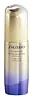
This anti-aging eye moisturizer is formulated around Retinyl Acetate and Squalane to soften the look of wrinkles and fade the look of dark spots.


What's inside
What's inside
 Key Ingredients
Benefits
Concerns
Ingredients Side-by-side
Water
Skin ConditioningGlycerin
Humectant


Propylene Glycol Dicaprylate/Dicaprate
EmollientNiacinamide
Smoothing









Alcohol
Antimicrobial




Butylene Glycol
Humectant
Prunus Amygdalus Dulcis Oil
Skin Conditioning


Cetearyl Alcohol
Emollient


Butyrospermum Parkii Butter
Skin Conditioning
Pentaerythrityl Tetraisostearate
Emollient
Limnanthes Alba Seed Oil
Skin Conditioning
Steareth-21
CleansingDiglycerin
Humectant
Polyglycerin-3
Humectant
Aframomum Angustifolium Seed Extract
Skin ConditioningPaeonia Lactiflora Root Extract
Skin ConditioningLilium Candidum Bulb Extract
Skin ConditioningJasminum Officinale Flower Extract
Masking

Sodium Surfactin
CleansingCeramide NP
Skin Conditioning
Hydrolyzed Soy Protein
Humectant
Ascorbyl Glucoside
Antioxidant

Sodium Tocopheryl Phosphate
Antioxidant
Sodium Acetylated Hyaluronate
Humectant
Adenosine
Skin Conditioning
Xylitol
Humectant
Trehalose
Humectant
Palmaria Palmata Extract
Skin Protecting
Camelina Sativa Seed Oil
Skin Conditioning
Polymethyl Methacrylate
Dimethicone
Emollient
Cetearyl Glucoside
Emulsifying
Parfum
Masking
Glyceryl Stearate
Emollient
Caprylyl Glycol
Emollient
Chlorphenesin
Antimicrobial
Acrylates/C10-30 Alkyl Acrylate Crosspolymer
Emulsion StabilisingXanthan Gum
EmulsifyingCetyl Palmitate
Emollient
Cocoglycerides
Emollient
Sodium Hydroxide
BufferingGlucose
Humectant
CI 14700
Cosmetic ColorantCitric Acid
Buffering
Sodium Benzoate
Masking
Potassium Sorbate
Preservative
Tocopherol
Antioxidant
Water, Glycerin, Propylene Glycol Dicaprylate/Dicaprate, Niacinamide, Alcohol, Butylene Glycol, Prunus Amygdalus Dulcis Oil, Cetearyl Alcohol, Butyrospermum Parkii Butter, Pentaerythrityl Tetraisostearate, Limnanthes Alba Seed Oil, Steareth-21, Diglycerin, Polyglycerin-3, Aframomum Angustifolium Seed Extract, Paeonia Lactiflora Root Extract, Lilium Candidum Bulb Extract, Jasminum Officinale Flower Extract, Sodium Surfactin, Ceramide NP, Hydrolyzed Soy Protein, Ascorbyl Glucoside, Sodium Tocopheryl Phosphate, Sodium Acetylated Hyaluronate, Adenosine, Xylitol, Trehalose, Palmaria Palmata Extract, Camelina Sativa Seed Oil, Polymethyl Methacrylate, Dimethicone, Cetearyl Glucoside, Parfum, Glyceryl Stearate, Caprylyl Glycol, Chlorphenesin, Acrylates/C10-30 Alkyl Acrylate Crosspolymer, Xanthan Gum, Cetyl Palmitate, Cocoglycerides, Sodium Hydroxide, Glucose, CI 14700, Citric Acid, Sodium Benzoate, Potassium Sorbate, Tocopherol
Water
Skin ConditioningPentaerythrityl Tetraethylhexanoate
Emollient
Squalane
Emollient
Butylene Glycol
Humectant
Glycerin
Humectant
Dipropylene Glycol
HumectantBehenyl Alcohol
Emollient
Dimethicone
Emollient
Diphenylsiloxy Phenyl Trimethicone
Skin Conditioning
Myristyl Myristate
Emollient
Potassium Methoxysalicylate
BleachingHydrogenated Polyisobutene
EmollientStearyl Alcohol
Emollient
Beheneth-20
EmulsifyingPEG-400
Emulsion StabilisingPhenoxyethanol
Preservative
Hydrogenated Palm Oil
Emollient
Dimethicone/Phenyl Vinyl Dimethicone Crosspolymer
Elaeis Guineensis Kernel Oil
Emollient
Polyvinyl Alcohol
Dimethylacrylamide/Sodium Acryloyldimethyltaurate Crosspolymer
Elaeis Guineensis Oil
Emollient
Parfum
Masking
Disodium EDTA
ChelatingTocopheryl Acetate
Antioxidant
Xanthan Gum
EmulsifyingRosa Damascena Flower Water
Masking
Retinyl Acetate
Skin Conditioning
Sodium Citrate
BufferingHelianthus Annuus Seed Oil
Emollient
BHT
Antioxidant
Alcohol
Antimicrobial
Caffeine
Skin Conditioning
Sodium Metabisulfite
Antioxidant
Lavandula Angustifolia Oil
Masking
Citric Acid
Buffering
Sodium Metaphosphate
BufferingPPG-3 Dipivalate
Skin ConditioningLimonene
Perfuming
Hexyl Cinnamal
Perfuming
Tocopherol
Antioxidant
Linalool
Perfuming
CI 77492
Cosmetic ColorantCitronellol
Perfuming
Sodium Acetylated Hyaluronate
Humectant
Angelica Acutiloba Root Extract
Skin ConditioningAngelica Keiskei Leaf/Stem Extract
Skin ConditioningCI 77491
Cosmetic ColorantOlea Europaea Leaf Extract
Perfuming
Sanguisorba Officinalis Root Extract
CleansingLamium Album Flower/Leaf/Stem Extract
Skin ConditioningCamellia Sinensis Leaf Extract
Antimicrobial
Inositol
Humectant
Carthamus Tinctorius Flower Extract
Skin ConditioningPinus Sylvestris Cone Extract
Masking
Ziziphus Jujuba Fruit Extract
Skin ConditioningRosmarinus Officinalis Leaf Extract
AntimicrobialEucheuma Serra/Grateloupia Sparsa/Saccharina Angustata/Ulva Linza/Undaria Pinnatifida Extract
EmollientSaccharina Angustata/Undaria Pinnatifida Extract
EmollientBupleurum Falcatum Root Extract
Skin ConditioningCoix Lacryma-Jobi Ma-Yuen Seed Extract
Skin ConditioningCellulose
Absorbent
Water, Pentaerythrityl Tetraethylhexanoate, Squalane, Butylene Glycol, Glycerin, Dipropylene Glycol, Behenyl Alcohol, Dimethicone, Diphenylsiloxy Phenyl Trimethicone, Myristyl Myristate, Potassium Methoxysalicylate, Hydrogenated Polyisobutene, Stearyl Alcohol, Beheneth-20, PEG-400, Phenoxyethanol, Hydrogenated Palm Oil, Dimethicone/Phenyl Vinyl Dimethicone Crosspolymer, Elaeis Guineensis Kernel Oil, Polyvinyl Alcohol, Dimethylacrylamide/Sodium Acryloyldimethyltaurate Crosspolymer, Elaeis Guineensis Oil, Parfum, Disodium EDTA, Tocopheryl Acetate, Xanthan Gum, Rosa Damascena Flower Water, Retinyl Acetate, Sodium Citrate, Helianthus Annuus Seed Oil, BHT, Alcohol, Caffeine, Sodium Metabisulfite, Lavandula Angustifolia Oil, Citric Acid, Sodium Metaphosphate, PPG-3 Dipivalate, Limonene, Hexyl Cinnamal, Tocopherol, Linalool, CI 77492, Citronellol, Sodium Acetylated Hyaluronate, Angelica Acutiloba Root Extract, Angelica Keiskei Leaf/Stem Extract, CI 77491, Olea Europaea Leaf Extract, Sanguisorba Officinalis Root Extract, Lamium Album Flower/Leaf/Stem Extract, Camellia Sinensis Leaf Extract, Inositol, Carthamus Tinctorius Flower Extract, Pinus Sylvestris Cone Extract, Ziziphus Jujuba Fruit Extract, Rosmarinus Officinalis Leaf Extract, Eucheuma Serra/Grateloupia Sparsa/Saccharina Angustata/Ulva Linza/Undaria Pinnatifida Extract, Saccharina Angustata/Undaria Pinnatifida Extract, Bupleurum Falcatum Root Extract, Coix Lacryma-Jobi Ma-Yuen Seed Extract, Cellulose
Reviews
Ingredients Explained
These ingredients are found in both products.
Ingredients higher up in an ingredient list are typically present in a larger amount.
This ingredient is also called ethanol or ethyl alcohol. It is denatured, meaning made undrinkable for cosmetic use.
In formulas, it:
Is it bad for your skin?
The answer comes down to concentration. Patch and wash studies have found highly concentrated alcohol-based hand rubs (60-100%) cause less barrier disruption than washing with a basic detergent like SLS. The only measurable effect in these studies was a temporary dip in skin hydration.
Concentrations below 12-15% in leave-on cosmetics is generally well-tolerated. Concentrations above start to see increased transepidermal water loss (TEWL) and reduced hydration.
In concentrations about 58%, it creates temporary channels in your skin's lipid layers to become more permeable and allow other ingredients to slip through easily.
This ingredient can be up to 80% of the formula in alcohol-based perfumes.
Overall, this ingredient is probably harmless if found lower down an ingredients list but worth side-eyeing if it's high up (especially if your barrier is already struggling).
Alcohol can worsen dry skin, eczema, and oily skin, especially at higher concentrations. This is because it can increase transepidermal water loss and decrease hydration to disrupt the skin barrier.
According to the National Rosacea Society based in the US, you should be mindful of products with these alcohols in the top half of ingredients.
True allergic contact dermatitis to ethanol is uncommon, but be sure to patch test if you have dry or sensitive skin.
Learn more about AlcoholButylene Glycol (or BG) is used within cosmetic products for a few different reasons:
Overall, Butylene Glycol is a safe and well-rounded ingredient that works well with other ingredients.
Though this ingredient works well with most skin types, some people with sensitive skin may experience a reaction such as allergic rashes, closed comedones, or itchiness.
Learn more about Butylene GlycolCitric Acid is an alpha hydroxy acid (AHA) naturally found in citrus fruits like oranges, lemons, and limes.
Like other AHAs, citric acid can exfoliate skin by breaking down the bonds that hold dead skin cells together. This helps reveal smoother and brighter skin underneath.
However, this exfoliating effect only happens at high concentrations (20%) which can be hard to find in cosmetic products.
Due to this, citric acid is usually included in small amounts as a pH adjuster. This helps keep products slightly more acidic and compatible with skin's natural pH.
In skincare formulas, citric acid can:
While it can provide some skin benefits, research shows lactic acid and glycolic acid are generally more effective and less irritating exfoliants.
Most citric acid used in skincare today is made by fermenting sugars (usually from molasses). This synthetic version is identical to the natural citrus form but easier to stabilize and use in formulations.
Rosacea skin has a lower threshold for acids generally, with 62.5% of rosacea subjects in one study reacting to lactic acid in a sting test. This is why we mark citric acid as a potential rosacea trigger.
However, this ingredient shows up as a pH adjuster or chelator at roughly 0.1-1% in many products. These low levels are unlikely to be an issue for rosacea skin and becomes a potential trigger at exfoliating concentrations (20%). Because everybody's skin is unique, we recommend a patch test if you are unsure.
Learn more about Citric AcidDimethicone is a type of synthetic silicone created from natural materials such as quartz. It is also known as polydimethylsiloxane.
What it does:
Dimethicone comes in different viscosities:
Depending on the viscosity, dimethicone has different properties.
Ingredients lists don't always show which type is used, so we recommend reaching out to the brand if you have questions about the viscosity.
This ingredient is unlikely to cause irritation because it does not get absorbed into skin. However, people with silicone allergies should be careful about using this ingredient.
Note: Dimethicone may contribute to pilling. This is because it is not oil or water soluble, so pilling may occur when layered with products. When mixed with heavy oils in a formula, the outcome is also quite greasy.
Learn more about DimethiconeGlycerin (or glycerol) is a compound naturally found in your skin. It's a powerhouse humectant that pulls water into the stratum corneum.
Topically, glycerin does several things at once:
Your skin makes glycerin on its own (mostly from sebaceous oil breakdown) and shuttles it to your outermost layer of skin, or your epidermis, via aquaporin-3.
Aquaporin-3 is a transporter that is essential for normal skin hydration, elasticity, and repair. Interestingly, mice lacking in AQP3 have dry and less elastic skin that can be fully corrected with glycerin.
This ingredient is non-irritating, plays well with almost every ingredient, and works across all skin types. Typical use is anywhere between 3-10% but can go up to 79% in some leave-on products.
Just know very high concentrations (>40%) can feel tacky in low humidity.
Glycerin is the name for this ingredient in American English. British English uses Glycerol/Glycerine.
Learn more about GlycerinParfum is a catch-all term for an ingredient or more that is used to give a scent to products.
Also called "fragrance", this ingredient can be a blend of hundreds of chemicals or plant oils. This means every product with "fragrance" or "parfum" in the ingredients list is a different mixture.
For instance, Habanolide is a proprietary trade name for a specific aroma chemical. When used as a fragrance ingredient in cosmetics, most aroma chemicals fall under the broad labeling category of “FRAGRANCE” or “PARFUM” according to EU and US regulations.
The term 'parfum' or 'fragrance' is not regulated in many countries. In many cases, it is up to the brand to define this term.
For instance, many brands choose to label themselves as "fragrance-free" because they are not using synthetic fragrances. However, their products may still contain ingredients such as essential oils that are considered a fragrance by INCI standards.
One example is Calendula flower extract. Calendula is an essential oil that still imparts a scent or 'fragrance'.
Depending on the blend, the ingredients in the mixture can cause allergies and sensitivities on the skin. Some ingredients that are known EU allergens include linalool and citronellol.
Parfum can also be used to mask or cover an unpleasant scent.
The bottom line is: not all fragrances/parfum/ingredients are created equally. If you are worried about fragrances, we recommend taking a closer look at an ingredient. And of course, we always recommend speaking with a professional.
Learn more about ParfumSodium Acetylated Hyaluronate is a type of Hyaluronic Acid.
Hyaluronic Acids help moisturize, soothe, and protect the skin.
Read about common types of Hyaluronic Acid here:
Learn more about Sodium Acetylated HyaluronateTocopherol is a fat-soluble antioxidant known as Vitamin E.
You'll find this ingredient in the vast majority of skincare (for good reason). It works to neutralize free radicals, or unstable molecules generated by UV exposure, pollution, and other environmental stressors, before they can cause oxidative damage to your skin cells.
Topically applied tocopherol has been shown to protect against UV damage by ramping up the skin's own natural defense enzymes.
It also acts as a skin conditioning agent; some studies show that regular topical use can improve the skin's water-binding capacity over 2-4 weeks.
This ingredient is especially loved for being a team player. When combined with Vitamin C, the photoprotective effect of both ingredients roughly doubles and the combo also helps reduce UV-induced DNA damage.
This ingredient has some brightening potential but it's more of a prevention ingredient than spot-fader. Cell studies show it can slow down melanin production but it's worth noting that it's not the most powerful brightener out there.
In formulations, it also serves as a stabilizer that helps protect other oxidation-prone ingredients from degrading.
Concentrations usually range from 0.1-1% in most leave-on products.
Learn more about TocopherolWater. It's the most common cosmetic ingredient of all. You'll usually see it at the top of ingredient lists, meaning that it makes up the largest part of the product.
So why is it so popular? Water most often acts as a solvent - this means that it helps dissolve other ingredients into the formulation.
You'll also recognize water as that liquid we all need to stay alive. If you see this, drink a glass of water. Remember to stay hydrated!
Learn more about WaterXanthan gum is used as a stabilizer and thickener within cosmetic products. It helps give products a sticky, thick feeling - preventing them from being too runny.
On the technical side of things, xanthan gum is a polysaccharide - a combination consisting of multiple sugar molecules bonded together.
Xanthan gum is a pretty common and great ingredient. It is a natural, non-toxic, non-irritating ingredient that is also commonly used in food products.
Learn more about Xanthan Gum

