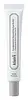
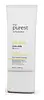
Dear, Klairs Fundamental Nourishing Eye Butter Versus The Purest Solutions Invisible UV Protection - Daily Intensive Moisturizer SPF 50+
This anti-aging eye moisturizer is formulated around Caffeine and Acetyl Hexapeptide-8 to soften the look of wrinkles.
This hybrid sunscreen covers the full UV range and blocks ~98% of UVB at SPF 50.


What's inside
What's inside
 Key Ingredients
Benefits
Concerns
Ingredients Side-by-side
Water
Skin ConditioningGlycerin
Humectant


Stearic Acid
Cleansing


1,2-Hexanediol
Skin Conditioning
Helianthus Annuus Seed Oil
Emollient
Betaine
Humectant
Caffeine
Skin Conditioning
Phaseolus Angularis Seed Extract
Antioxidant
Artemisia Princeps Leaf Extract
Skin ConditioningCamellia Sinensis Leaf Extract
Antimicrobial



Chaenomeles Sinensis Fruit Extract
Antioxidant
Chrysanthellum Indicum Extract
Skin Conditioning
Cinnamomum Cassia Bark Extract
Masking
Corallina Officinalis Extract
Skin Conditioning
Curcuma Longa Root Extract
Antioxidant
Diospyros Kaki Leaf Extract
Skin Protecting
Melia Azadirachta Flower Extract
Skin ConditioningMelia Azadirachta Leaf Extract
Skin ConditioningOcimum Sanctum Leaf Extract
Skin ConditioningAcetyl Hexapeptide-8
Humectant
Copper Tripeptide-1
Skin Conditioning
Oligopeptide-29
Antioxidant
Oligopeptide-32
Antiseborrhoeic
Panthenol
Skin Conditioning
Pantolactone
Humectant
Hydrogenated Lecithin
Emulsifying
Hydroxyethyl Acrylate/Sodium Acryloyldimethyl Taurate Copolymer
Emulsion StabilisingSodium Hyaluronate
Humectant
Glyceryl Stearate
Emollient
Sorbitan Isostearate
Emulsifying
Cetearyl Alcohol
Emollient


Propanediol
Solvent
Arachidic Acid
Cleansing
Oleic Acid
Emollient
Palmitic Acid
Emollient
Caprylyl/Capryl Glucoside
CleansingEthylhexylglycerin
Skin ConditioningWater, Glycerin, Stearic Acid, 1,2-Hexanediol, Helianthus Annuus Seed Oil, Betaine, Caffeine, Phaseolus Angularis Seed Extract, Artemisia Princeps Leaf Extract, Camellia Sinensis Leaf Extract, Chaenomeles Sinensis Fruit Extract, Chrysanthellum Indicum Extract, Cinnamomum Cassia Bark Extract, Corallina Officinalis Extract, Curcuma Longa Root Extract, Diospyros Kaki Leaf Extract, Melia Azadirachta Flower Extract, Melia Azadirachta Leaf Extract, Ocimum Sanctum Leaf Extract, Acetyl Hexapeptide-8, Copper Tripeptide-1, Oligopeptide-29, Oligopeptide-32, Panthenol, Pantolactone, Hydrogenated Lecithin, Hydroxyethyl Acrylate/Sodium Acryloyldimethyl Taurate Copolymer, Sodium Hyaluronate, Glyceryl Stearate, Sorbitan Isostearate, Cetearyl Alcohol, Propanediol, Arachidic Acid, Oleic Acid, Palmitic Acid, Caprylyl/Capryl Glucoside, Ethylhexylglycerin
Water
Skin ConditioningEthylhexyl Methoxycinnamate
UV Absorber


Diethylamino Hydroxybenzoyl Hexyl Benzoate
UV Filter
Bis-Ethylhexyloxyphenol Methoxyphenyl Triazine
UV Absorber
Octocrylene
UV Absorber
Caprylic/Capric Triglyceride
Masking
Glycerin
Humectant
C12-15 Alkyl Benzoate
AntimicrobialCyclopentasiloxane
Emollient
Dimethiconol
Emollient
Scenedesmus Rubescens Extract
Skin ConditioningGlyceryl Stearate
Emollient
Ceteareth-20
CleansingCeteareth-12
EmulsifyingCetearyl Alcohol
Emollient
Cetyl Palmitate
Emollient
PEG-100 Stearate
Surfactant
Potassium Cetyl Phosphate
EmulsifyingZinc Oxide
Cosmetic Colorant
Titanium Dioxide
Cosmetic Colorant
Dimethicone
Emollient
Sodium PCA
Humectant
Saccharide Isomerate
Humectant
Sodium Hyaluronate Crosspolymer
Humectant
Sodium Hyaluronate
Humectant
Sodium Acetylated Hyaluronate
Humectant
Hydrolyzed Sodium Hyaluronate
Skin Conditioning
Erythritol
Humectant
Chondrus Crispus
Masking
Hydrogenated Starch Hydrolysate
HumectantAscophyllum Nodosum Extract
Skin ConditioningAsparagopsis Armata Extract
Skin ProtectingTocopheryl Acetate
Antioxidant
Bisabolol
Antioxidant
Centella Asiatica Extract
Cleansing
Camellia Sinensis Leaf Extract
Antimicrobial
Butyrospermum Parkii Butter
Skin Conditioning
Panthenol
Skin Conditioning
Glycine Soja Seed Extract
Skin Conditioning
Xanthan Gum
EmulsifyingDisodium EDTA
Polyhydroxystearic Acid
Emulsifying
Phenoxyethanol
Preservative
Ethylhexylglycerin
Skin ConditioningCitric Acid
Buffering
Parfum
Masking
Sodium Citrate
BufferingWater, Ethylhexyl Methoxycinnamate, Diethylamino Hydroxybenzoyl Hexyl Benzoate, Bis-Ethylhexyloxyphenol Methoxyphenyl Triazine, Octocrylene, Caprylic/Capric Triglyceride, Glycerin, C12-15 Alkyl Benzoate, Cyclopentasiloxane, Dimethiconol, Scenedesmus Rubescens Extract, Glyceryl Stearate, Ceteareth-20, Ceteareth-12, Cetearyl Alcohol, Cetyl Palmitate, PEG-100 Stearate, Potassium Cetyl Phosphate, Zinc Oxide, Titanium Dioxide, Dimethicone, Sodium PCA, Saccharide Isomerate, Sodium Hyaluronate Crosspolymer, Sodium Hyaluronate, Sodium Acetylated Hyaluronate, Hydrolyzed Sodium Hyaluronate, Erythritol, Chondrus Crispus, Hydrogenated Starch Hydrolysate, Ascophyllum Nodosum Extract, Asparagopsis Armata Extract, Tocopheryl Acetate, Bisabolol, Centella Asiatica Extract, Camellia Sinensis Leaf Extract, Butyrospermum Parkii Butter, Panthenol, Glycine Soja Seed Extract, Xanthan Gum, Disodium EDTA, Polyhydroxystearic Acid, Phenoxyethanol, Ethylhexylglycerin, Citric Acid, Parfum, Sodium Citrate
Reviews
Ingredients Explained
These ingredients are found in both products.
Ingredients higher up in an ingredient list are typically present in a larger amount.
Camellia Sinensis Leaf Extract (tea extract) is one of the most well-researched plant extracts in skincare with an impressive resume.
Black tea, green tea, and oolong tea are all harvested from the Camellia Sinensis plant.
Studies show green tea extract and its catechins (like epigallocatechin gallate (EGCG)) help your skin cells product energy more efficiently and reducing the number of free-radicals that can damage your skin from the inside.
In lab-grown skin models, this translated to younger, healthier, and stronger skin.
There's also good sun protection data; researchers saw less DNA damage and redness on human skin when green tea was applied before UVB exposure. And the more they applied, the better the protection.
Needless to say, this ingredient shouldn't replace your sunscreen. But it is a great supportive ingredient that you can already find in many sunscreens and antioxidant serums.
A 2009 study found a 2% green tea lotion was effective for mild-to-moderate acne thanks to its anti-inflammatory and mild antimicrobial activity.
The quality of the extract matters a lot here:
Good extracts contain 50-90% catechins while lower quality ones are mostly there for marketing. We recommend reaching out to the brand if you have questions about the quality or source of their ingredients.
Human Repeated Insult Patch Testing showed no irritation or sensitization at use concentrations (0.86% in leave-on products and up to 30% as leaf water).
Learn more about Camellia Sinensis Leaf ExtractCetearyl alcohol is a waxy mixture of two fatty alcohols: cetyl alcohol and stearyl alcohol. It is an emollient and emulsifier.
Despite having "alcohol" in its name, it has nothing to do with drying solvent alcohols; the FDA also allows "alcohol-free" products to contain fatty alcohols like this ingredient.
It plays several roles in a formula:
Typical use levels for this ingredient sit around 1-10% and the Cosmetic Ingredient Review Expert Panel has affirmed safety at concentrations up to 25% in leave-on products.
Multiple assessments have found it to be non-irritating and non-sensitizing to most people.
However, there have been some cases of allergic contact dermatitis in patients with chronically compromised skin barriers.
Cetearyl alcohol has a comedogenic rating of 2 and irritancy rating of 1. Both of these numbers come from the 1989 study that used rabbit ears; a "2" means mildly comedogenic and a "1" means low irritancy.
Here's the catch: rabbit skin is more sensitive than human skin and throws a lot of false positives. A 1996 reappraisal found that ingredients rated 1-2 in the rabbit ear tests are generally safe for humans.
Remember comedogenic ratings are unable to assess the entire formula of a product or how it will react on your skin. Just be sure to patch test if you are unsure about certain ingredients.
This ingredient is not fungal acne safe. Cetearyl alcohol is a fatty alcohol with chain lengths that fall within the range that Malassezia can metabolize.
A 2019 study has also observed Malassezia growth in the presence of this ingredient, confirming it to be not-fungal acne safe.
Learn more about Cetearyl AlcoholEthylhexylglycerin is created from glycerin. It is a multitasker ingredient that:
The CIR Expert Panel found minimal skin absorption or sensitization of any kind in a safety assessment. Though this ingredient is considered well-tolerated, a small number of cases of allergic dermatitis have been published since 2002. Just be sure to patch test if you are unsure.
Industry-reported use ranges from 8% in rinse-off products and 2% in leave-on formulations.
Learn more about EthylhexylglycerinGlycerin (or glycerol) is a compound naturally found in your skin. It's a powerhouse humectant that pulls water into the stratum corneum.
Topically, glycerin does several things at once:
Your skin makes glycerin on its own (mostly from sebaceous oil breakdown) and shuttles it to your outermost layer of skin, or your epidermis, via aquaporin-3.
Aquaporin-3 is a transporter that is essential for normal skin hydration, elasticity, and repair. Interestingly, mice lacking in AQP3 have dry and less elastic skin that can be fully corrected with glycerin.
This ingredient is non-irritating, plays well with almost every ingredient, and works across all skin types. Typical use is anywhere between 3-10% but can go up to 79% in some leave-on products.
Just know very high concentrations (>40%) can feel tacky in low humidity.
Glycerin is the name for this ingredient in American English. British English uses Glycerol/Glycerine.
Learn more about GlycerinGlyceryl Stearate is made by reacting glycerin with stearic acid (typically sourced from plant oils like palm or coconut). It's an emulsifier, emollient, and mild occlusive.
Emulsifiers help ingredients like oil and water stay mixed so your formula stays nicely blended and uniform in texture.
This ingredient is typically used in concentrations between 1-10%. Studies have found it to be non-sensitizing, non-phototoxic, and non-photoallergenic.
A close cousin of this ingredient is Glyceryl Stearate SE ("self-emulsifying"). This just has a small amount of sodium or potassium stearate added so it can emulsify without a co-emulsifier.
Since this ingredient is an ester of a C18 fatty acid, it may not be fungal acne safe. The Malassezia yeast can potentially metabolize within the C11-C24 range.
Fun fact: The human body also creates Glyceryl Stearate naturally.
Learn more about Glyceryl StearatePanthenol is a common ingredient that helps hydrate and soothe the skin. It is found naturally in our skin and hair.
There are two forms of panthenol: D and L.
D-panthenol is also known as dexpanthenol. Most cosmetics use dexpanthenol or a mixture of D and L-panthenol.
Panthenol is famous due to its ability to go deeper into the skin's layers. Using this ingredient has numerous pros (and no cons):
Like hyaluronic acid, panthenol is a humectant. Humectants are able to bind and hold large amounts of water to keep skin hydrated.
This ingredient works well for wound healing. It works by increasing tissue in the wound and helps close open wounds.
Once oxidized, panthenol converts to pantothenic acid. Panthothenic acid is found in all living cells.
This ingredient is also referred to as pro-vitamin B5.
Learn more about PanthenolSodium Hyaluronate is the salt form of hyaluronic acid. It is a long sugar chain that is naturally found in your skin, joints, and connective tissue that maintains hydration and elasticity.
In skincare, it works as a humectant. It pulls water from the environment and deeper layers of skin and binds it to the surface.
Interestingly, the size of the molecule affects its behavior:
Some clinical evidence links low molecular weight versions to improved wrinkle depth, elasticity, anti-inflammatory effects, and barrier repair.
Many serums use a blend of both weights so you can get surface hydration plus longer-lasting and deeper effects.
You'll typically see concentrations between 0.1-2% for this ingredient.
Learn more about Sodium HyaluronateWater. It's the most common cosmetic ingredient of all. You'll usually see it at the top of ingredient lists, meaning that it makes up the largest part of the product.
So why is it so popular? Water most often acts as a solvent - this means that it helps dissolve other ingredients into the formulation.
You'll also recognize water as that liquid we all need to stay alive. If you see this, drink a glass of water. Remember to stay hydrated!
Learn more about Water

