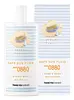
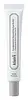
Thank You Farmer Safe Sun Fluid AGE 0880 SPF50+/PA++++ Versus Dear, Klairs Fundamental Nourishing Eye Butter
This hybrid sunscreen covers the full UV range and blocks ~98% of UVB at SPF 50.
This anti-aging eye moisturizer is formulated around Caffeine and Acetyl Hexapeptide-8 to soften the look of wrinkles.

What's inside
What's inside
 Key Ingredients
Benefits
Concerns
Ingredients Side-by-side
Water
Skin ConditioningC12-15 Alkyl Benzoate
AntimicrobialTitanium Dioxide
Cosmetic Colorant

Butylene Glycol
Humectant

Dipropylene Glycol
HumectantNiacinamide
Smoothing










Butyloctyl Salicylate
Skin Conditioning
Caprylyl Methicone
Skin Conditioning
1,2-Hexanediol
Skin Conditioning
Aluminum Stearate
Cosmetic ColorantPolyhydroxystearic Acid
Emulsifying

Cetyl Ethylhexanoate
EmollientSilica
Abrasive
Pentylene Glycol
Skin Conditioning
Polymethylsilsesquioxane
Caprylic/Capric Triglyceride
Masking
Alumina
Abrasive
Propanediol
Solvent
Ammonium Acryloyldimethyltaurate/Vp Copolymer
Parfum
Masking



Polyacrylate Crosspolymer-6
Emulsion StabilisingSaccharide Hydrolysate
HumectantSodium Stearoyl Glutamate
CleansingHydroxypropyl Methylcellulose Stearoxy Ether
Octyldodecanol
Emollient
Stearic Acid
Cleansing
Ethylhexylglycerin
Skin ConditioningAdenosine
Skin Conditioning
Salvia Hispanica Seed Extract
Emollient
Centella Asiatica Extract
Cleansing
Portulaca Oleracea Extract
Skin Conditioning
Houttuynia Cordata Extract
Skin Conditioning
Echium Plantagineum Seed Oil
Skin Conditioning
Curcuma Longa Root Extract
Antioxidant
T-Butyl Alcohol
Perfuming

Cardiospermum Halicacabum Flower/Leaf/Vine Extract
Skin ConditioningHelianthus Annuus Seed Oil Unsaponifiables
Emollient
Glycerin
Humectant
Tocopherol
Antioxidant
Camellia Japonica Flower Extract
EmollientChamomilla Recutita Flower/Leaf Extract
AntimicrobialPancratium Maritimum Extract
BleachingWater, C12-15 Alkyl Benzoate, Titanium Dioxide, Butylene Glycol, Dipropylene Glycol, Niacinamide, Butyloctyl Salicylate, Caprylyl Methicone, 1,2-Hexanediol, Aluminum Stearate, Polyhydroxystearic Acid, Cetyl Ethylhexanoate, Silica, Pentylene Glycol, Polymethylsilsesquioxane, Caprylic/Capric Triglyceride, Alumina, Propanediol, Ammonium Acryloyldimethyltaurate/Vp Copolymer, Parfum, Polyacrylate Crosspolymer-6, Saccharide Hydrolysate, Sodium Stearoyl Glutamate, Hydroxypropyl Methylcellulose Stearoxy Ether, Octyldodecanol, Stearic Acid, Ethylhexylglycerin, Adenosine, Salvia Hispanica Seed Extract, Centella Asiatica Extract, Portulaca Oleracea Extract, Houttuynia Cordata Extract, Echium Plantagineum Seed Oil, Curcuma Longa Root Extract, T-Butyl Alcohol, Cardiospermum Halicacabum Flower/Leaf/Vine Extract, Helianthus Annuus Seed Oil Unsaponifiables, Glycerin, Tocopherol, Camellia Japonica Flower Extract, Chamomilla Recutita Flower/Leaf Extract, Pancratium Maritimum Extract
Water
Skin ConditioningGlycerin
Humectant
Stearic Acid
Cleansing
1,2-Hexanediol
Skin Conditioning
Helianthus Annuus Seed Oil
Emollient
Betaine
Humectant
Caffeine
Skin Conditioning
Phaseolus Angularis Seed Extract
Antioxidant
Artemisia Princeps Leaf Extract
Skin ConditioningCamellia Sinensis Leaf Extract
Antimicrobial
Chaenomeles Sinensis Fruit Extract
Antioxidant
Chrysanthellum Indicum Extract
Skin Conditioning
Cinnamomum Cassia Bark Extract
Masking
Corallina Officinalis Extract
Skin Conditioning
Curcuma Longa Root Extract
Antioxidant
Diospyros Kaki Leaf Extract
Skin Protecting
Melia Azadirachta Flower Extract
Skin ConditioningMelia Azadirachta Leaf Extract
Skin ConditioningOcimum Sanctum Leaf Extract
Skin ConditioningAcetyl Hexapeptide-8
Humectant
Copper Tripeptide-1
Skin Conditioning
Oligopeptide-29
Antioxidant
Oligopeptide-32
Antiseborrhoeic
Panthenol
Skin Conditioning
Pantolactone
Humectant
Hydrogenated Lecithin
Emulsifying
Hydroxyethyl Acrylate/Sodium Acryloyldimethyl Taurate Copolymer
Emulsion StabilisingSodium Hyaluronate
Humectant
Glyceryl Stearate
Emollient
Sorbitan Isostearate
Emulsifying
Cetearyl Alcohol
Emollient
Propanediol
Solvent
Arachidic Acid
Cleansing
Oleic Acid
Emollient
Palmitic Acid
Emollient
Caprylyl/Capryl Glucoside
CleansingEthylhexylglycerin
Skin ConditioningWater, Glycerin, Stearic Acid, 1,2-Hexanediol, Helianthus Annuus Seed Oil, Betaine, Caffeine, Phaseolus Angularis Seed Extract, Artemisia Princeps Leaf Extract, Camellia Sinensis Leaf Extract, Chaenomeles Sinensis Fruit Extract, Chrysanthellum Indicum Extract, Cinnamomum Cassia Bark Extract, Corallina Officinalis Extract, Curcuma Longa Root Extract, Diospyros Kaki Leaf Extract, Melia Azadirachta Flower Extract, Melia Azadirachta Leaf Extract, Ocimum Sanctum Leaf Extract, Acetyl Hexapeptide-8, Copper Tripeptide-1, Oligopeptide-29, Oligopeptide-32, Panthenol, Pantolactone, Hydrogenated Lecithin, Hydroxyethyl Acrylate/Sodium Acryloyldimethyl Taurate Copolymer, Sodium Hyaluronate, Glyceryl Stearate, Sorbitan Isostearate, Cetearyl Alcohol, Propanediol, Arachidic Acid, Oleic Acid, Palmitic Acid, Caprylyl/Capryl Glucoside, Ethylhexylglycerin
Reviews
Ingredients Explained
These ingredients are found in both products.
Ingredients higher up in an ingredient list are typically present in a larger amount.
1,2-Hexanediol is a synthetic liquid and another multi-functional powerhouse.
It is a:
- Humectant, drawing moisture into the skin
- Emollient, helping to soften skin
- Solvent, dispersing and stabilizing formulas
- Preservative booster, enhancing the antimicrobial activity of other preservatives
Curcuma Longa Root Extract comes from the rhizome (underground stem) of the turmeric plant.
While the official EU Cosing Database lists this ingredient as a fragrance, it actually does more than give products a scent.
This ingredient contains a group of yellow pigments called curcuminoids (mostly curcumin) that give it genuine antioxidant and anti-inflammatory activity in skin.
Reviews of topical clinical studies have found turmeric/curcumin to be generally well-tolerated and useful across conditions like eczema and mild inflammation.
One thing working in its favor is that curcumin barely penetrates; in lab skin-permeation testing, the curcuminoids mostly stayed in the outermost layer of skin. This is a good thing because its soothing and antioxidant activity is a surface-level job anyway.
At this time, industry data shows there's no single "correct" cosmetic percentage. It's used across a wide range depending on the product and varies from tiny fractions of a percent up to a few percent.
Allergy-wise, curcumin is a documented (but uncommon) contact allergen. It can also cross react with related plants, so anyone with a turmeric/ginger/cinnamon allergy or reactive skin should patch test first.
Learn more about Curcuma Longa Root ExtractEthylhexylglycerin is created from glycerin. It is a multitasker ingredient that:
The CIR Expert Panel found minimal skin absorption or sensitization of any kind in a safety assessment. Though this ingredient is considered well-tolerated, a small number of cases of allergic dermatitis have been published since 2002. Just be sure to patch test if you are unsure.
Industry-reported use ranges from 8% in rinse-off products and 2% in leave-on formulations.
Learn more about EthylhexylglycerinGlycerin (or glycerol) is a compound naturally found in your skin. It's a powerhouse humectant that pulls water into the stratum corneum.
Topically, glycerin does several things at once:
Your skin makes glycerin on its own (mostly from sebaceous oil breakdown) and shuttles it to your outermost layer of skin, or your epidermis, via aquaporin-3.
Aquaporin-3 is a transporter that is essential for normal skin hydration, elasticity, and repair. Interestingly, mice lacking in AQP3 have dry and less elastic skin that can be fully corrected with glycerin.
This ingredient is non-irritating, plays well with almost every ingredient, and works across all skin types. Typical use is anywhere between 3-10% but can go up to 79% in some leave-on products.
Just know very high concentrations (>40%) can feel tacky in low humidity.
Glycerin is the name for this ingredient in American English. British English uses Glycerol/Glycerine.
Learn more about GlycerinPropanediol is an all-star ingredient. It softens, hydrates, and smooths the skin.
It’s often used to:
Propanediol is not likely to cause sensitivity and considered safe to use. It is derived from corn or petroleum with a clear color and no scent.
Learn more about PropanediolStearic Acid is a fatty acid that is already found in your skin. It's one of the free fatty acids that works alongside ceramides and cholesterols to maintain your barrier.
In cosmetics, it is a multitasker:
Safety-wise, the CIR Expert Panel has concluded it to be safe in cosmetics when formulated to be non-irritating and non-sensitizing.
Free stearic acid is a C18 fatty acid that the Malassezia yeast can substrate, so this ingredient may not be fungal acne safe.
This ingredient does have a comedogenic rating of 2-3, but this doesn't mean a formula with this ingredient will clog pores.
Human testing has proved that any finished product with this ingredient won't automatically make you break out; it really comes down to concentration, formula, and your skin.
Learn more about Stearic AcidWater. It's the most common cosmetic ingredient of all. You'll usually see it at the top of ingredient lists, meaning that it makes up the largest part of the product.
So why is it so popular? Water most often acts as a solvent - this means that it helps dissolve other ingredients into the formulation.
You'll also recognize water as that liquid we all need to stay alive. If you see this, drink a glass of water. Remember to stay hydrated!
Learn more about Water

