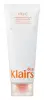
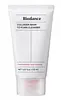
This mild foaming cleanser is made to cleanse without leaving your skin tight or dry.

What's inside
What's inside
 Key Ingredients
Benefits
Concerns
Ingredients Side-by-side
Glycerin
Humectant


Water
Skin ConditioningMyristic Acid
Cleansing



Potassium Hydroxide
BufferingPalmitic Acid
Emollient
Stearic Acid
Cleansing
Glyceryl Stearate Se
Emulsifying
Sorbitan Olivate
Emulsifying
Lauric Acid
Cleansing
Sodium Methyl Cocoyl Taurate
Cleansing
Hydroxypropyl Starch Phosphate
Potassium Cocoyl Glycinate
Surfactant
Lauryl Hydroxysultaine
CleansingGlycol Distearate
Emollient
Citrus Unshiu Peel Powder
MaskingDipropylene Glycol
HumectantKaolin
Abrasive



Polyquaternium-7
Hydroxyacetophenone
Antioxidant
Citrus Aurantium Dulcis Peel Oil
Masking

Caprylyl Glycol
Emollient
Sodium Chloride
MaskingGluconolactone
Chelating



Sodium Phytate
ChelatingMelia Azadirachta Flower Extract
Skin ConditioningOcimum Sanctum Leaf Extract
Skin ConditioningMelia Azadirachta Leaf Extract
Skin ConditioningCurcuma Longa Root Extract
Antioxidant
Corallina Officinalis Extract
Skin Conditioning
Panthenol
Skin Conditioning
Sodium Benzoate
Masking
Dipotassium Glycyrrhizate
Humectant
Niacinamide
Smoothing

Ascorbic Acid
Antioxidant
Glutathione
Butylene Glycol
Humectant
Caprylic/Capric Triglyceride
Masking
1,2-Hexanediol
Skin Conditioning
Hydrogenated Lecithin
Emulsifying
Sodium Hyaluronate
Humectant
Beta-Glucan
Skin Conditioning
Hyaluronic Acid
Humectant
Hydrolyzed Hyaluronic Acid
Humectant
Hydroxypropyltrimonium Hyaluronate
Hydrolyzed Sodium Hyaluronate
Skin Conditioning
Potassium Hyaluronate
Skin ConditioningPentylene Glycol
Skin Conditioning
Sodium Hyaluronate Crosspolymer
Humectant
Sodium Acetylated Hyaluronate
Humectant
Limonene
Perfuming
Glycerin, Water, Myristic Acid, Potassium Hydroxide, Palmitic Acid, Stearic Acid, Glyceryl Stearate Se, Sorbitan Olivate, Lauric Acid, Sodium Methyl Cocoyl Taurate, Hydroxypropyl Starch Phosphate, Potassium Cocoyl Glycinate, Lauryl Hydroxysultaine, Glycol Distearate, Citrus Unshiu Peel Powder, Dipropylene Glycol, Kaolin, Polyquaternium-7, Hydroxyacetophenone, Citrus Aurantium Dulcis Peel Oil, Caprylyl Glycol, Sodium Chloride, Gluconolactone, Sodium Phytate, Melia Azadirachta Flower Extract, Ocimum Sanctum Leaf Extract, Melia Azadirachta Leaf Extract, Curcuma Longa Root Extract, Corallina Officinalis Extract, Panthenol, Sodium Benzoate, Dipotassium Glycyrrhizate, Niacinamide, Ascorbic Acid, Glutathione, Butylene Glycol, Caprylic/Capric Triglyceride, 1,2-Hexanediol, Hydrogenated Lecithin, Sodium Hyaluronate, Beta-Glucan, Hyaluronic Acid, Hydrolyzed Hyaluronic Acid, Hydroxypropyltrimonium Hyaluronate, Hydrolyzed Sodium Hyaluronate, Potassium Hyaluronate, Pentylene Glycol, Sodium Hyaluronate Crosspolymer, Sodium Acetylated Hyaluronate, Limonene
Glycerin
Humectant
Water
Skin ConditioningSodium Cocoyl Glycinate
Cleansing
Sodium Methyl Cocoyl Taurate
Cleansing
Coco-Betaine
Cleansing
Cetearyl Olivate
Sodium Carboxymethyl Starch
Emulsion StabilisingSodium Chloride
MaskingSorbitan Olivate
Emulsifying
Niacinamide
Smoothing
Hydroxypropyl Starch Phosphate
Hydroxyacetophenone
Antioxidant
Citric Acid
Buffering
Hydroxypropyl Methylcellulose
Emulsion StabilisingPyrus Communis Fruit Extract
Skin ConditioningSodium Polyacrylate
Absorbent
Hydroxyethylcellulose
Emulsion StabilisingRosa Damascena Flower Water
Masking
Iris Florentina Root Extract
Masking1,2-Hexanediol
Skin Conditioning
Ethylhexylglycerin
Skin ConditioningCucumis Melo Fruit Extract
Skin ConditioningKaolin
Abrasive
Butylene Glycol
Humectant
Disodium EDTA
ChelatingHedera Helix Leaf/Stem Extract
AntimicrobialCyanocobalamin
Skin ConditioningCollagen Extract
Skin Conditioning
Propanediol
Solvent
Tocopherol
Antioxidant
Galactomyces Ferment Filtrate
Humectant
Hydrolyzed Elastin
EmollientHydrolyzed Hyaluronic Acid
Humectant
Alginic Acid
Skin ConditioningSilanetriol
Caprylyl Glycol
Emollient
Palmitoyl Tripeptide-5
Skin Conditioning
Glycerin, Water, Sodium Cocoyl Glycinate, Sodium Methyl Cocoyl Taurate, Coco-Betaine, Cetearyl Olivate, Sodium Carboxymethyl Starch, Sodium Chloride, Sorbitan Olivate, Niacinamide, Hydroxypropyl Starch Phosphate, Hydroxyacetophenone, Citric Acid, Hydroxypropyl Methylcellulose, Pyrus Communis Fruit Extract, Sodium Polyacrylate, Hydroxyethylcellulose, Rosa Damascena Flower Water, Iris Florentina Root Extract, 1,2-Hexanediol, Ethylhexylglycerin, Cucumis Melo Fruit Extract, Kaolin, Butylene Glycol, Disodium EDTA, Hedera Helix Leaf/Stem Extract, Cyanocobalamin, Collagen Extract, Propanediol, Tocopherol, Galactomyces Ferment Filtrate, Hydrolyzed Elastin, Hydrolyzed Hyaluronic Acid, Alginic Acid, Silanetriol, Caprylyl Glycol, Palmitoyl Tripeptide-5
Reviews
Ingredients Explained
These ingredients are found in both products.
Ingredients higher up in an ingredient list are typically present in a larger amount.
1,2-Hexanediol is a synthetic liquid and another multi-functional powerhouse.
It is a:
- Humectant, drawing moisture into the skin
- Emollient, helping to soften skin
- Solvent, dispersing and stabilizing formulas
- Preservative booster, enhancing the antimicrobial activity of other preservatives
Butylene Glycol (or BG) is used within cosmetic products for a few different reasons:
Overall, Butylene Glycol is a safe and well-rounded ingredient that works well with other ingredients.
Though this ingredient works well with most skin types, some people with sensitive skin may experience a reaction such as allergic rashes, closed comedones, or itchiness.
Learn more about Butylene GlycolCaprylyl Glycol is a humectant, skin conditioner, emollient, and preservative booster derived from either caprylic acid or synthetically created.
Typical use levels vary from 0.3-1% as a preservative booster and go up to 2% to condition skin.
Because it is not a free-fatty acid, this ingredient is fungal acne safe (there's nothing for Malassezia to feed on).
Learn more about Caprylyl GlycolGlycerin (or glycerol) is a compound naturally found in your skin. It's a powerhouse humectant that pulls water into the stratum corneum.
Topically, glycerin does several things at once:
Your skin makes glycerin on its own (mostly from sebaceous oil breakdown) and shuttles it to your outermost layer of skin, or your epidermis, via aquaporin-3.
Aquaporin-3 is a transporter that is essential for normal skin hydration, elasticity, and repair. Interestingly, mice lacking in AQP3 have dry and less elastic skin that can be fully corrected with glycerin.
This ingredient is non-irritating, plays well with almost every ingredient, and works across all skin types. Typical use is anywhere between 3-10% but can go up to 79% in some leave-on products.
Just know very high concentrations (>40%) can feel tacky in low humidity.
Glycerin is the name for this ingredient in American English. British English uses Glycerol/Glycerine.
Learn more about GlycerinHydrolyzed Hyaluronic Acid is hyaluronic acid (HA) that is broken down into lower molecular weight fragments.
It's a humectant that pulls and holds water in the skin to help with hydration, plumpness, and reduce transepidermal water loss.
Because hydrolyzed hyaluronic acid is smaller in size, it can slip past your outermost layer of skin more easily than full-sized HA.
Most formulations will combine all sizes to get the best of both worlds.
Typical usage levels range from 0.01-1%. Any percentage higher than 2% might become goopy and tacky.
Learn more about Hydrolyzed Hyaluronic AcidHydroxyacetophenone is a small phenolic molecule that earns its place in a formulas as an antioxidant and preservative booster.
As a phenol, it is able to neutralize free radicals to protect both the product and the skin from oxidative stress.
Though it can't kill microbes on its own, it works as a good supporting agent when combined with other preservatives like Phenoxyethanol or 1,2-Hexanediol.
This ingredient naturally occurs as piceol in Norwegian spruce needles (~0.4-1.1% dry weight and in cloudberries). Though the cosmetic-grade material is synthesized for purity and consistency.
You'll usually see it used at low levels and suppliers recommend up to 1% added to a water phase.
Safety testing was done at concentrations like 0.05% in SPF products and 0.5% in a Human Repeated Insult Patch Test. The safety evidence is assuring; this ingredient is safe for cosmetics in current use and also holds safety status as a food flavoring as well.
An honest caveat: the "soothing" and "anti-inflammatory" claims come mostly from supplier marketing rather than published clinical trials. The Cosmetic Ingredient Review's own literature search found no useful efficacy studies on this ingredient.
So the antioxidant and preservative-boosting roles are the well supported ones while the calming benefit is plausible but thinly evidenced.
Overall, this is a well-tolerated, low-irritation multitasker that quietly helps a formula stay fresh and stable.
Learn more about HydroxyacetophenoneHydroxypropyl Starch Phosphate is a modified starch used to help thicken a product.
It is also used in foods.
Kaolin is a clay. It is used for oil control and to help minimize pores. Like other clays, kaolin has the ability to absorb excess sebum or oil. This can help clean out pores and mattify the skin.
Some types of kaolin may have exfoliating properties. When water is added to kaolin, it becomes a paste with small abrasive particles.
Most kaolin is a white color, but may be pink/orange/red depending on where it comes from.
The name 'kaolin' comes from a Chinese village named 'Gaoling'. Kaolin clay comes from rocks rich in kaolinite. Kaolinite, the mineral, has a silicate layered structure. Kaolinite is formed from chemical weathering of aluminum siilicate minerals.
Besides skincare, kaolin is commonly used to make glossy paper, in ceramics, toothpaste, and as medicine to soothe stomach issues.
Learn more about KaolinNiacinamide is a multitasking form of vitamin B3 that strengthens the skin barrier, reduces pores and dark spots, regulates oil, and improves signs of aging.
And the best part? It's gentle and well-tolerated by most skin types, including sensitive and reactive skin.
You might have heard of "niacin flush", or the reddening of skin that causes itchiness. Niacinamide has not been found to cause this.
In very rare cases, some individuals may not be able to tolerate niacinamide at all or experience an allergic reaction to it.
If you are experiencing flaking, irritation, and dryness with this ingredient, be sure to double check all your products as this ingredient can be found in all categories of skincare.
When incorporating niacinamide into your routine, look out for concentration amounts. Typically, 5% niacinamide provides benefits such as fading dark spots. However, if you have sensitive skin, it is better to begin with a smaller concentration.
When you apply niacinamide to your skin, your body converts it into nicotinamide adenine dinucleotide (NAD). NAD is an essential coenzyme that is already found in your cells as "fuel" and powers countless biological processes.
In your skin, NAD helps repair cell damage, produce new healthy cells, support collagen production, strengthen the skin barrier, and fight environmental stressors (like UV and pollution).
Our natural NAD levels start to decline with age, leading to slower skin repair, visible aging, and a weaker skin barrier. By providing your skin niacinamide, you're recharging your skin's NAD levels. This leads to stronger, healthier, and younger looking skin.
Another name for vitamin B3 is nicotinamide. This vitamin is water-soluble and our bodies don't store it. We obtain Vitamin B3 from either food or skincare. Meat, fish, wheat, yeast, and leafy greens contain vitamin B3.
The type of niacinamide used in skincare is synthetically created.
Learn more about NiacinamideChances are, you eat sodium chloride every day. Sodium Chloride is also known as table salt. This ingredient has many purposes in skincare: thickener, emulsifier, and exfoliator.
You'll most likely find this ingredient in cleansers where it is used to create a gel-like texture. As an emulsifier, it also prevents ingredients from separating.
You might see people debate whether Sodium Chloride is comedogenic, but there actually haven't been any comedogenic tests done on it. Either way, the overall formulation of a product matters a lot more than any single ingredient.
You might see this ingredient used in scrubs as a primary exfoliating ingredient.
Learn more about Sodium ChlorideSodium Methyl Cocoyl Taurate is a gentle, coconut-derived cleansing surfactant. It's most commonly found in "sulfate-free" cleansers.
As a taurate, it belongs to a class of anionic surfactants prized for being efficient at cleansing without harshness, good performance in hard water, stability across a wide pH range, and easily biodegradable.
It is able to lift away oil and grime and make a nice lather without stripping your skin, so it's a good pick for sensitive skin.
Safety-wise, it has a good record. The CIR Expert Panel has concluded this ingredient to be safe in cosmetics and concentrations go up to 11% in leave-on products or 13% in rinse-off products.
Despite being derived from coconut oil, this ingredient is fungal acne safe. It's a water-soluble surfactant with no fatty oils or esters left intact on skin for the Malassezia yeast to feed.
Learn more about Sodium Methyl Cocoyl TaurateSorbitan Olivate is created from the fatty acids in olive oil and sorbitol.
This ingredient is an oil in water emulsifier. It helps stabilize a product by preventing oils and waters from separating. Sorbitan Olivate also helps hydrate the skin.
This ingredient is also known as part of Olivem 1000, with Cetearyl Olivate being the other part.
According to a manufacturer, this ingredient helps preserve the natural microbiome of skin. Having a healthy microbiome helps keep our skin healthy and protects against harmful bacteria.
Please note, having a healthy microbiome is different from fungal acne; a healthy microbiome includes small amounts of yeast that normally live on your skin without causing problems.
Fungal acne happens when one type of yeast (Malassezia) grows out of control. This is usually because it's feeding on certain oils or fatty acids. Due to the olive oil base, this ingredient may not be fungal acne safe.
Learn more about Sorbitan OlivateWater. It's the most common cosmetic ingredient of all. You'll usually see it at the top of ingredient lists, meaning that it makes up the largest part of the product.
So why is it so popular? Water most often acts as a solvent - this means that it helps dissolve other ingredients into the formulation.
You'll also recognize water as that liquid we all need to stay alive. If you see this, drink a glass of water. Remember to stay hydrated!
Learn more about Water

