D'You In My Defence Versus D'You Unkissed SPF 50
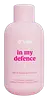
This barrier-repair moisturizer is formulated around Portulaca Oleracea Extract and Ceramide NP to strengthen the skin barrier and calm redness.
This chemical sunscreen covers the full UV range and blocks ~98% of UVB at SPF 50.

What's inside
What's inside
 Key Ingredients
Benefits
Concerns
Ingredients Side-by-side
Portulaca Oleracea Extract
Skin Conditioning


Water
Skin ConditioningGlycerin
Humectant

Dicaprylyl Carbonate
EmollientButylene Glycol
Humectant
1,2-Hexanediol
Skin Conditioning
Dipropylene Glycol
HumectantBetaine
Humectant
Euterpe Oleracea Sterols
Skin ConditioningCeramide NP
Skin Conditioning

Ceramide Ns
Skin Conditioning
Ceramide As
Skin Conditioning
Ceramide AP
Skin Conditioning
Ceramide EOP
Skin Conditioning
Bisabolol
Antioxidant
Cetearyl Olivate


Sorbitan Olivate
Emulsifying
Panthenol
Skin Conditioning
Allantoin
Skin Conditioning
Vinyldimethicone

Hydrogenated Lecithin
Emulsifying
Hydroxyethyl Acrylate/Sodium Acryloyldimethyl Taurate Copolymer
Emulsion StabilisingCholesterol
Emollient
Stearic Acid
Cleansing
Glyceryl Stearate
Emollient
Eclipta Prostrata Extract
Skin Conditioning
Phytosphingosine
Skin Conditioning
Curcuma Longa Root Extract
Antioxidant
Xanthan Gum
EmulsifyingMelia Azadirachta Leaf Extract
Skin ConditioningSorbitan Isostearate
Emulsifying
Disodium EDTA
ChelatingSodium Hyaluronate
Humectant
Melia Azadirachta Flower Extract
Skin ConditioningMoringa Oleifera Seed Oil
Emollient


Arachidic Acid
Cleansing
Melia Azadirachta Bark Extract
AntimicrobialCorallina Officinalis Extract
Skin Conditioning
Ocimum Sanctum Leaf Extract
Skin ConditioningPalmitic Acid
Emollient
Tocopherol
Antioxidant


Pantolactone
Humectant
Oleic Acid
Emollient
Ethylhexylglycerin
Skin ConditioningParfum
Masking

Portulaca Oleracea Extract, Water, Glycerin, Dicaprylyl Carbonate, Butylene Glycol, 1,2-Hexanediol, Dipropylene Glycol, Betaine, Euterpe Oleracea Sterols, Ceramide NP, Ceramide Ns, Ceramide As, Ceramide AP, Ceramide EOP, Bisabolol, Cetearyl Olivate, Sorbitan Olivate, Panthenol, Allantoin, Vinyldimethicone, Hydrogenated Lecithin, Hydroxyethyl Acrylate/Sodium Acryloyldimethyl Taurate Copolymer, Cholesterol, Stearic Acid, Glyceryl Stearate, Eclipta Prostrata Extract, Phytosphingosine, Curcuma Longa Root Extract, Xanthan Gum, Melia Azadirachta Leaf Extract, Sorbitan Isostearate, Disodium EDTA, Sodium Hyaluronate, Melia Azadirachta Flower Extract, Moringa Oleifera Seed Oil, Arachidic Acid, Melia Azadirachta Bark Extract, Corallina Officinalis Extract, Ocimum Sanctum Leaf Extract, Palmitic Acid, Tocopherol, Pantolactone, Oleic Acid, Ethylhexylglycerin, Parfum
Water
Skin ConditioningHomosalate
Skin Conditioning

Octocrylene
UV Absorber
Ethylhexyl Salicylate
UV Absorber
Chondrus Crispus Extract
Skin Conditioning
Silica
Abrasive


Alcohol
Antimicrobial

Butyl Methoxydibenzoylmethane
UV Absorber
Bis-Ethylhexyloxyphenol Methoxyphenyl Triazine
UV Absorber
Dicaprylyl Ether
Emollient
Helianthus Annuus Seed Oil
Emollient
Saccharum Officinarum Extract
MoisturisingMethylpropanediol
SolventTrimethyl Pentaphenyl Trisiloxane
Emollient
1,2-Hexanediol
Skin Conditioning
Butylene Glycol
Humectant
Dipropylene Glycol
HumectantC30-45 Alkyldimethylsilyl Polypropylsilsesquioxane
Pentylene Glycol
Skin Conditioning
Dibutyl Ethylhexanoyl Glutamide
Skin ConditioningDibutyl Lauroyl Glutamide
Skin ConditioningPanthenol
Skin Conditioning
Sodium Acrylates Crosspolymer-2
AbsorbentSodium Polyacryloyldimethyl Taurate
Emulsion StabilisingHydroxyacetophenone
Antioxidant
Polyacrylate Crosspolymer-6
Emulsion StabilisingPolyamide-8
EmollientOphiopogon Japonicus Root Extract
Skin ConditioningSphingomonas Ferment Extract
Skin Conditioning
Lactobacillus Ferment Lysate
Skin Conditioning
Ammonium Acryloyldimethyltaurate/Vp Copolymer
Allantoin
Skin Conditioning
Maltodextrin
Absorbent
Chrysanthellum Indicum Extract
Skin Conditioning
Xanthan Gum
EmulsifyingCynanchum Atratum Extract
Skin ConditioningTocopherol
Antioxidant
Pentaerythrityl Tetra-Di-T-Butyl Hydroxyhydrocinnamate
Antioxidant
Althaea Rosea Flower Extract
Skin ConditioningEthylhexylglycerin
Skin ConditioningWater, Homosalate, Octocrylene, Ethylhexyl Salicylate, Chondrus Crispus Extract, Silica, Alcohol, Butyl Methoxydibenzoylmethane, Bis-Ethylhexyloxyphenol Methoxyphenyl Triazine, Dicaprylyl Ether, Helianthus Annuus Seed Oil, Saccharum Officinarum Extract, Methylpropanediol, Trimethyl Pentaphenyl Trisiloxane, 1,2-Hexanediol, Butylene Glycol, Dipropylene Glycol, C30-45 Alkyldimethylsilyl Polypropylsilsesquioxane, Pentylene Glycol, Dibutyl Ethylhexanoyl Glutamide, Dibutyl Lauroyl Glutamide, Panthenol, Sodium Acrylates Crosspolymer-2, Sodium Polyacryloyldimethyl Taurate, Hydroxyacetophenone, Polyacrylate Crosspolymer-6, Polyamide-8, Ophiopogon Japonicus Root Extract, Sphingomonas Ferment Extract, Lactobacillus Ferment Lysate, Ammonium Acryloyldimethyltaurate/Vp Copolymer, Allantoin, Maltodextrin, Chrysanthellum Indicum Extract, Xanthan Gum, Cynanchum Atratum Extract, Tocopherol, Pentaerythrityl Tetra-Di-T-Butyl Hydroxyhydrocinnamate, Althaea Rosea Flower Extract, Ethylhexylglycerin
Reviews
Ingredients Explained
These ingredients are found in both products.
Ingredients higher up in an ingredient list are typically present in a larger amount.
1,2-Hexanediol is a synthetic liquid and another multi-functional powerhouse.
It is a:
- Humectant, drawing moisture into the skin
- Emollient, helping to soften skin
- Solvent, dispersing and stabilizing formulas
- Preservative booster, enhancing the antimicrobial activity of other preservatives
Allantoin is a soothing ingredient known for its protective and moisturizing properties; it's basically a quiet workhorse ingredient you can find in a huge range of cosmetics.
Though it can be derived from the comfrey plant, allantoin is produced synthetically for cosmetic products to ensure purity.
Research shows it can encourage your skin cells to turn over and renew by stimulating keratinocyte and fibroblast proliferation.
It also has mild keratolytic properties to help loosen and shed dead skin cells without being harsh.
Studies also suggest allantoin can help calm inflammation by dialing down some of the chemical signals your skin sends out when it is irritated.
This ingredient is typically used in the 0.1-0.5% range, and the FDA recognizes it as a skin protectant in OTC products up to 2%.
Overall, allantoin is a wonderful addition to most routines; it is stable across a wide pH range (~4-8), works well with other ingredients, and is considered non-sensitizing/non-irritating.
Fun fact: Allantoin is naturally occurring in comfrey root, beets, chamomile, and wheat sprouts. Our bodies even produce it as a byproduct of uric acid metabolism.
Learn more about AllantoinButylene Glycol (or BG) is used within cosmetic products for a few different reasons:
Overall, Butylene Glycol is a safe and well-rounded ingredient that works well with other ingredients.
Though this ingredient works well with most skin types, some people with sensitive skin may experience a reaction such as allergic rashes, closed comedones, or itchiness.
Learn more about Butylene GlycolDipropylene Glycol is a synthetically created humectant, stabilizer, and solvent.
This ingredient helps:
Dipropylene glycol is technically an alcohol, but it belongs to the glycol family (often considered part of the ‘good’ alcohols). This means it is hydrating and gentle on skin unlike drying solvent alcohols like denatured alcohol.
As a masking agent, Dipropylene Glycol can be used to cover the smell of other ingredients. However, it does not have a scent.
Studies show Dipropylene Glycol is considered safe to use in skincare.
Learn more about Dipropylene GlycolEthylhexylglycerin is created from glycerin. It is a multitasker ingredient that:
The CIR Expert Panel found minimal skin absorption or sensitization of any kind in a safety assessment. Though this ingredient is considered well-tolerated, a small number of cases of allergic dermatitis have been published since 2002. Just be sure to patch test if you are unsure.
Industry-reported use ranges from 8% in rinse-off products and 2% in leave-on formulations.
Learn more about EthylhexylglycerinPanthenol is a common ingredient that helps hydrate and soothe the skin. It is found naturally in our skin and hair.
There are two forms of panthenol: D and L.
D-panthenol is also known as dexpanthenol. Most cosmetics use dexpanthenol or a mixture of D and L-panthenol.
Panthenol is famous due to its ability to go deeper into the skin's layers. Using this ingredient has numerous pros (and no cons):
Like hyaluronic acid, panthenol is a humectant. Humectants are able to bind and hold large amounts of water to keep skin hydrated.
This ingredient works well for wound healing. It works by increasing tissue in the wound and helps close open wounds.
Once oxidized, panthenol converts to pantothenic acid. Panthothenic acid is found in all living cells.
This ingredient is also referred to as pro-vitamin B5.
Learn more about PanthenolTocopherol is a fat-soluble antioxidant known as Vitamin E.
You'll find this ingredient in the vast majority of skincare (for good reason). It works to neutralize free radicals, or unstable molecules generated by UV exposure, pollution, and other environmental stressors, before they can cause oxidative damage to your skin cells.
Topically applied tocopherol has been shown to protect against UV damage by ramping up the skin's own natural defense enzymes.
It also acts as a skin conditioning agent; some studies show that regular topical use can improve the skin's water-binding capacity over 2-4 weeks.
This ingredient is especially loved for being a team player. When combined with Vitamin C, the photoprotective effect of both ingredients roughly doubles and the combo also helps reduce UV-induced DNA damage.
This ingredient has some brightening potential but it's more of a prevention ingredient than spot-fader. Cell studies show it can slow down melanin production but it's worth noting that it's not the most powerful brightener out there.
In formulations, it also serves as a stabilizer that helps protect other oxidation-prone ingredients from degrading.
Concentrations usually range from 0.1-1% in most leave-on products.
Learn more about TocopherolWater. It's the most common cosmetic ingredient of all. You'll usually see it at the top of ingredient lists, meaning that it makes up the largest part of the product.
So why is it so popular? Water most often acts as a solvent - this means that it helps dissolve other ingredients into the formulation.
You'll also recognize water as that liquid we all need to stay alive. If you see this, drink a glass of water. Remember to stay hydrated!
Learn more about WaterXanthan gum is used as a stabilizer and thickener within cosmetic products. It helps give products a sticky, thick feeling - preventing them from being too runny.
On the technical side of things, xanthan gum is a polysaccharide - a combination consisting of multiple sugar molecules bonded together.
Xanthan gum is a pretty common and great ingredient. It is a natural, non-toxic, non-irritating ingredient that is also commonly used in food products.
Learn more about Xanthan Gum

