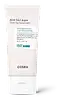
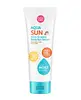
COSRX Aloe 54.2 Aqua Tone-up Sunscreen SPF 50+ PA++++ Versus Cathy Doll Aqua Sun Non Greasy Body Sun Serum SPF50
This chemical sunscreen covers the full UV range and blocks ~98% of UVB at SPF 50.
This hybrid sunscreen covers the full UV range and blocks ~98% of UVB at SPF 50.


What's inside
What's inside
 Key Ingredients
Benefits
Concerns
Ingredients Side-by-side
Aloe Barbadensis Leaf Water
MaskingHomosalate
Skin Conditioning

Butylene Glycol
Humectant

Diethylamino Hydroxybenzoyl Hexyl Benzoate
UV Filter
Ethylhexyl Salicylate
UV Absorber
Glycerin
Humectant
Water
Skin ConditioningBis-Ethylhexyloxyphenol Methoxyphenyl Triazine
UV Absorber
C12-15 Alkyl Benzoate
AntimicrobialMethyl Trimethicone
Skin Conditioning
Niacinamide
Smoothing









CI 77891
Cosmetic ColorantDiisopropyl Sebacate
EmollientTerephthalylidene Dicamphor Sulfonic Acid
UV Absorber
1,2-Hexanediol
Skin Conditioning
Potassium Cetyl Phosphate
EmulsifyingCetearyl Alcohol
Emollient






Tromethamine
BufferingGlyceryl Stearate
Emollient
Behenyl Alcohol
Emollient
Polyacrylate Crosspolymer-6
Emulsion StabilisingXanthan Gum
EmulsifyingSodium Polyacryloyldimethyl Taurate
Emulsion StabilisingHydrogenated Lecithin
Emulsifying
Poly C10-30 Alkyl Acrylate
Emulsion StabilisingEthylhexylglycerin
Skin ConditioningStearic Acid
Cleansing
Aluminum Hydroxide
EmollientPolyglyceryl-3 Methylglucose Distearate
Emulsifying
Palmitic Acid
Emollient
CI 77491
Cosmetic ColorantDisodium EDTA
Triethoxycaprylylsilane
CI 77492
Cosmetic ColorantSodium Hyaluronate
Humectant
Allantoin
Skin Conditioning
Myristic Acid
Cleansing
Cyanocobalamin
Skin ConditioningLauric Acid
Cleansing
Tocopherol
Antioxidant

Aloe Barbadensis Leaf Water, Homosalate, Butylene Glycol, Diethylamino Hydroxybenzoyl Hexyl Benzoate, Ethylhexyl Salicylate, Glycerin, Water, Bis-Ethylhexyloxyphenol Methoxyphenyl Triazine, C12-15 Alkyl Benzoate, Methyl Trimethicone, Niacinamide, CI 77891, Diisopropyl Sebacate, Terephthalylidene Dicamphor Sulfonic Acid, 1,2-Hexanediol, Potassium Cetyl Phosphate, Cetearyl Alcohol, Tromethamine, Glyceryl Stearate, Behenyl Alcohol, Polyacrylate Crosspolymer-6, Xanthan Gum, Sodium Polyacryloyldimethyl Taurate, Hydrogenated Lecithin, Poly C10-30 Alkyl Acrylate, Ethylhexylglycerin, Stearic Acid, Aluminum Hydroxide, Polyglyceryl-3 Methylglucose Distearate, Palmitic Acid, CI 77491, Disodium EDTA, Triethoxycaprylylsilane, CI 77492, Sodium Hyaluronate, Allantoin, Myristic Acid, Cyanocobalamin, Lauric Acid, Tocopherol
Water
Skin ConditioningPropylene Glycol
Humectant
Ethylhexyl Methoxycinnamate
UV Absorber
Chamomilla Recutita Flower Extract
Masking
Niacinamide
Smoothing
Camellia Japonica Seed Oil
Emollient
Simmondsia Chinensis Seed Oil
Emollient
Vitis Vinifera Seed Oil
Emollient
Sodium Hyaluronate
Humectant
Hydrolyzed Collagen
Emollient
Polyquaternium-51
Skin Conditioning
Portulaca Oleracea Extract
Skin Conditioning
Glycol
HumectantTocopheryl Acetate
Antioxidant
Ubiquinone
Antioxidant
Titanium Dioxide
Cosmetic Colorant
Punica Granatum Fruit Extract
Antioxidant
Ficus Carica Fruit Extract
Humectant
Codonopsis Lanceolata Root Extract
Skin ConditioningCentella Asiatica Extract
Cleansing
Glycyrrhiza Glabra Root Extract
Bleaching
Camellia Sinensis Leaf Extract
Antimicrobial
Polygonum Cuspidatum Root Extract
Antioxidant
Rosmarinus Officinalis Leaf Extract
AntimicrobialScutellaria Baicalensis Root Extract
Astringent
Imidazolidinyl Urea
Preservative
Gleditsia Australis Thorn Extract
Skin ConditioningAngelica Dahurica Root Extract
Skin ConditioningCimicifuga Racemosa Root Extract
Antimicrobial
Bletilla Striata Root Extract
Skin ConditioningOryza Sativa Extract
Absorbent
Phaseolus Radiatus Seed Extract
Skin ConditioningTrichosanthes Kirilowii Root Extract
Skin ProtectingAmomum Xanthioides Seed Extract
Skin ConditioningBroussonetia Kazinoki Root Extract
Skin ConditioningEugenia Caryophyllus Flower Extract
AstringentMethylparaben
Preservative
Parfum
Masking

Disodium EDTA
Arbutin
Antioxidant
Cyclopentasiloxane
Emollient
Sodium Chloride
MaskingCetyl PEG/PPG-10/1 Dimethicone
Emulsifying
Dimethicone Crosspolymer
Emulsion Stabilising
Water, Propylene Glycol, Ethylhexyl Methoxycinnamate, Chamomilla Recutita Flower Extract, Niacinamide, Camellia Japonica Seed Oil, Simmondsia Chinensis Seed Oil, Vitis Vinifera Seed Oil, Sodium Hyaluronate, Hydrolyzed Collagen, Polyquaternium-51, Portulaca Oleracea Extract, Glycol, Tocopheryl Acetate, Ubiquinone, Titanium Dioxide, Punica Granatum Fruit Extract, Ficus Carica Fruit Extract, Codonopsis Lanceolata Root Extract, Centella Asiatica Extract, Glycyrrhiza Glabra Root Extract, Camellia Sinensis Leaf Extract, Polygonum Cuspidatum Root Extract, Rosmarinus Officinalis Leaf Extract, Scutellaria Baicalensis Root Extract, Imidazolidinyl Urea, Gleditsia Australis Thorn Extract, Angelica Dahurica Root Extract, Cimicifuga Racemosa Root Extract, Bletilla Striata Root Extract, Oryza Sativa Extract, Phaseolus Radiatus Seed Extract, Trichosanthes Kirilowii Root Extract, Amomum Xanthioides Seed Extract, Broussonetia Kazinoki Root Extract, Eugenia Caryophyllus Flower Extract, Methylparaben, Parfum, Disodium EDTA, Arbutin, Cyclopentasiloxane, Sodium Chloride, Cetyl PEG/PPG-10/1 Dimethicone, Dimethicone Crosspolymer
Reviews
Ingredients Explained
These ingredients are found in both products.
Ingredients higher up in an ingredient list are typically present in a larger amount.
Disodium EDTA is a chelating agent. It grabs onto and deactivates metal ions that sneak into your products from water, packaging, or air.
This ingredient mainly works behind the scenes and helps with:
On top of that, this ingredient can counteract the effects of hard water by binding to the minerals in it.
One thing worth knowing is that Disodium EDTA has been shown to be a mild penetration enhancer. It can help other ingredients absorb into skin more effectively which can be a double-edged sword (great for actives, but can also make the active too strong if you have sensitive skin).
Clinical patch testing showed no significant skin irritation at typical use concentrations and minimal dermal absorption.
You'll most likely see this ingredient near the end of an ingredient list. It's typically found in concentrations less than 1%.
Learn more about Disodium EDTANiacinamide is a multitasking form of vitamin B3 that strengthens the skin barrier, reduces pores and dark spots, regulates oil, and improves signs of aging.
And the best part? It's gentle and well-tolerated by most skin types, including sensitive and reactive skin.
You might have heard of "niacin flush", or the reddening of skin that causes itchiness. Niacinamide has not been found to cause this.
In very rare cases, some individuals may not be able to tolerate niacinamide at all or experience an allergic reaction to it.
If you are experiencing flaking, irritation, and dryness with this ingredient, be sure to double check all your products as this ingredient can be found in all categories of skincare.
When incorporating niacinamide into your routine, look out for concentration amounts. Typically, 5% niacinamide provides benefits such as fading dark spots. However, if you have sensitive skin, it is better to begin with a smaller concentration.
When you apply niacinamide to your skin, your body converts it into nicotinamide adenine dinucleotide (NAD). NAD is an essential coenzyme that is already found in your cells as "fuel" and powers countless biological processes.
In your skin, NAD helps repair cell damage, produce new healthy cells, support collagen production, strengthen the skin barrier, and fight environmental stressors (like UV and pollution).
Our natural NAD levels start to decline with age, leading to slower skin repair, visible aging, and a weaker skin barrier. By providing your skin niacinamide, you're recharging your skin's NAD levels. This leads to stronger, healthier, and younger looking skin.
Another name for vitamin B3 is nicotinamide. This vitamin is water-soluble and our bodies don't store it. We obtain Vitamin B3 from either food or skincare. Meat, fish, wheat, yeast, and leafy greens contain vitamin B3.
The type of niacinamide used in skincare is synthetically created.
Learn more about NiacinamideSodium Hyaluronate is the salt form of hyaluronic acid. It is a long sugar chain that is naturally found in your skin, joints, and connective tissue that maintains hydration and elasticity.
In skincare, it works as a humectant. It pulls water from the environment and deeper layers of skin and binds it to the surface.
Interestingly, the size of the molecule affects its behavior:
Some clinical evidence links low molecular weight versions to improved wrinkle depth, elasticity, anti-inflammatory effects, and barrier repair.
Many serums use a blend of both weights so you can get surface hydration plus longer-lasting and deeper effects.
You'll typically see concentrations between 0.1-2% for this ingredient.
Learn more about Sodium HyaluronateWater. It's the most common cosmetic ingredient of all. You'll usually see it at the top of ingredient lists, meaning that it makes up the largest part of the product.
So why is it so popular? Water most often acts as a solvent - this means that it helps dissolve other ingredients into the formulation.
You'll also recognize water as that liquid we all need to stay alive. If you see this, drink a glass of water. Remember to stay hydrated!
Learn more about Water

