Cos De BAHA Centella Asiatica Recovery Cream Versus COSRX Balancium Comfort Cool Ceramide Soothing Gel Cream
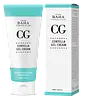
This calming moisturizer is formulated around Centella Asiatica Extract and Niacinamide to calm redness and strengthen the skin barrier.
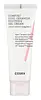
This barrier-repair moisturizer is formulated around Squalane and Ceramide NP to strengthen the skin barrier and calm redness.

What's inside
What's inside
 Key Ingredients
Benefits
Concerns
Ingredients Side-by-side
Centella Asiatica Extract
Cleansing





Glycerin
Humectant
Isononyl Isononanoate
EmollientPropanediol
Solvent
Niacinamide
Smoothing





1,2-Hexanediol
Skin Conditioning
Polyglyceryl-3 Methylglucose Distearate
Emulsifying

Aloe Barbadensis Leaf Extract
Emollient
Caffeine
Skin Conditioning
Panthenol
Skin Conditioning
Sodium Hyaluronate
Humectant
Camellia Sinensis Leaf Extract
Antimicrobial
Momordica Charantia Fruit Extract
Skin ConditioningSambucus Nigra Flower Extract
RefreshingLeontopodium Alpinum Extract
Skin ConditioningAllantoin
Skin Conditioning
Tocopheryl Acetate
Antioxidant
Acrylates/C10-30 Alkyl Acrylate Crosspolymer
Emulsion StabilisingAmmonium Acryloyldimethyltaurate/Vp Copolymer
Cetearyl Alcohol
Emollient




Tromethamine
BufferingCentella Asiatica Extract, Glycerin, Isononyl Isononanoate, Propanediol, Niacinamide, 1,2-Hexanediol, Polyglyceryl-3 Methylglucose Distearate, Aloe Barbadensis Leaf Extract, Caffeine, Panthenol, Sodium Hyaluronate, Camellia Sinensis Leaf Extract, Momordica Charantia Fruit Extract, Sambucus Nigra Flower Extract, Leontopodium Alpinum Extract, Allantoin, Tocopheryl Acetate, Acrylates/C10-30 Alkyl Acrylate Crosspolymer, Ammonium Acryloyldimethyltaurate/Vp Copolymer, Cetearyl Alcohol, Tromethamine
Water
Skin ConditioningButylene Glycol
Humectant
Glycerin
Humectant
Helianthus Annuus Seed Oil
Emollient
Squalane
Emollient
PCA Dimethicone
Skin Conditioning
Phenyl Trimethicone
Skin Conditioning
Polyglyceryl-3 Methylglucose Distearate
Emulsifying
Polyglycerin-3
Humectant
Dipropylene Glycol
HumectantCeramide NP
Skin Conditioning
Betaine
Humectant
Hydrogenated Lecithin
Emulsifying
Hydroxyacetophenone
Antioxidant
Ammonium Acryloyldimethyltaurate/Vp Copolymer
Sodium Polyacrylate
Absorbent
Xylitol
Humectant
Sodium Acrylate/Sodium Acryloyldimethyl Taurate Copolymer
Emulsion StabilisingCaprylyl Glycol
Emollient
Glyceryl Stearate
Emollient
Polyisobutene
Polyquaternium-51
Skin Conditioning
Ethylhexylglycerin
Skin ConditioningCaprylic/Capric Triglyceride
Masking
Disodium EDTA
Chelating1,2-Hexanediol
Skin Conditioning
Caprylyl/Capryl Glucoside
CleansingSorbitan Oleate
Emulsifying
Mentha Piperita Leaf Extract
Skin ConditioningZingiber Officinale Root Extract
Masking
Menthyl Lactate
Masking
Ethyl Menthane Carboxamide
TonicMethyl Diisopropyl Propionamide
MaskingLeuconostoc/Radish Root Ferment Filtrate
Antimicrobial
Centella Asiatica Leaf Extract
Skin Conditioning
Anthemis Nobilis Flower Water
Masking
Glycyrrhiza Glabra Root Extract
Bleaching
Aloe Barbadensis Leaf Juice
Skin Conditioning
Chamaecyparis Obtusa Water
MaskingCitrus Aurantium Bergamia Fruit Oil
Masking


Dipotassium Glycyrrhizate
Humectant
Melaleuca Alternifolia Leaf Oil
Antioxidant
Aniba Rosaeodora Wood Oil
Astringent
Tocopherol
Antioxidant
Cetearyl Alcohol
Emollient
Stearic Acid
Cleansing
Sodium Hyaluronate
Humectant
Hydrolyzed Hyaluronic Acid
Humectant
Allantoin
Skin Conditioning
Panthenol
Skin Conditioning
Palmitoyl Pentapeptide-4
Skin Conditioning
Phytosphingosine
Skin Conditioning
Cholesterol
Emollient
Ceramide Ng
Skin Conditioning
Ceramide Ns
Skin Conditioning
Ceramide AP
Skin Conditioning
Ceramide As
Skin Conditioning
Ceramide EOP
Skin Conditioning
Water, Butylene Glycol, Glycerin, Helianthus Annuus Seed Oil, Squalane, PCA Dimethicone, Phenyl Trimethicone, Polyglyceryl-3 Methylglucose Distearate, Polyglycerin-3, Dipropylene Glycol, Ceramide NP, Betaine, Hydrogenated Lecithin, Hydroxyacetophenone, Ammonium Acryloyldimethyltaurate/Vp Copolymer, Sodium Polyacrylate, Xylitol, Sodium Acrylate/Sodium Acryloyldimethyl Taurate Copolymer, Caprylyl Glycol, Glyceryl Stearate, Polyisobutene, Polyquaternium-51, Ethylhexylglycerin, Caprylic/Capric Triglyceride, Disodium EDTA, 1,2-Hexanediol, Caprylyl/Capryl Glucoside, Sorbitan Oleate, Mentha Piperita Leaf Extract, Zingiber Officinale Root Extract, Menthyl Lactate, Ethyl Menthane Carboxamide, Methyl Diisopropyl Propionamide, Leuconostoc/Radish Root Ferment Filtrate, Centella Asiatica Leaf Extract, Anthemis Nobilis Flower Water, Glycyrrhiza Glabra Root Extract, Aloe Barbadensis Leaf Juice, Chamaecyparis Obtusa Water, Citrus Aurantium Bergamia Fruit Oil, Dipotassium Glycyrrhizate, Melaleuca Alternifolia Leaf Oil, Aniba Rosaeodora Wood Oil, Tocopherol, Cetearyl Alcohol, Stearic Acid, Sodium Hyaluronate, Hydrolyzed Hyaluronic Acid, Allantoin, Panthenol, Palmitoyl Pentapeptide-4, Phytosphingosine, Cholesterol, Ceramide Ng, Ceramide Ns, Ceramide AP, Ceramide As, Ceramide EOP
Reviews
Ingredients Explained
These ingredients are found in both products.
Ingredients higher up in an ingredient list are typically present in a larger amount.
1,2-Hexanediol is a synthetic liquid and another multi-functional powerhouse.
It is a:
- Humectant, drawing moisture into the skin
- Emollient, helping to soften skin
- Solvent, dispersing and stabilizing formulas
- Preservative booster, enhancing the antimicrobial activity of other preservatives
Allantoin is a soothing ingredient known for its protective and moisturizing properties; it's basically a quiet workhorse ingredient you can find in a huge range of cosmetics.
Though it can be derived from the comfrey plant, allantoin is produced synthetically for cosmetic products to ensure purity.
Research shows it can encourage your skin cells to turn over and renew by stimulating keratinocyte and fibroblast proliferation.
It also has mild keratolytic properties to help loosen and shed dead skin cells without being harsh.
Studies also suggest allantoin can help calm inflammation by dialing down some of the chemical signals your skin sends out when it is irritated.
This ingredient is typically used in the 0.1-0.5% range, and the FDA recognizes it as a skin protectant in OTC products up to 2%.
Overall, allantoin is a wonderful addition to most routines; it is stable across a wide pH range (~4-8), works well with other ingredients, and is considered non-sensitizing/non-irritating.
Fun fact: Allantoin is naturally occurring in comfrey root, beets, chamomile, and wheat sprouts. Our bodies even produce it as a byproduct of uric acid metabolism.
Learn more about AllantoinAmmonium Acryloyldimethyltaurate/Vp Copolymer is a synthetically created polymer. It's used as a film-forming agent and used to thicken the consistency of products.
Think of it as a supportive ingredient that helps your gel-creams feel silky, "cloud cream-like", and spread evenly without being greasy.
The Cosmetic Ingredient Review (CIR) Expert Panel evaluated it (along with 22 other acryloyldimethyltaurate polymers) and concluded it's:
Due to its large molecular size, it sits on the surface of skin rather than penetrating it.
Learn more about Ammonium Acryloyldimethyltaurate/Vp CopolymerCetearyl alcohol is a waxy mixture of two fatty alcohols: cetyl alcohol and stearyl alcohol. It is an emollient and emulsifier.
Despite having "alcohol" in its name, it has nothing to do with drying solvent alcohols; the FDA also allows "alcohol-free" products to contain fatty alcohols like this ingredient.
It plays several roles in a formula:
Typical use levels for this ingredient sit around 1-10% and the Cosmetic Ingredient Review Expert Panel has affirmed safety at concentrations up to 25% in leave-on products.
Multiple assessments have found it to be non-irritating and non-sensitizing to most people.
However, there have been some cases of allergic contact dermatitis in patients with chronically compromised skin barriers.
Cetearyl alcohol has a comedogenic rating of 2 and irritancy rating of 1. Both of these numbers come from the 1989 study that used rabbit ears; a "2" means mildly comedogenic and a "1" means low irritancy.
Here's the catch: rabbit skin is more sensitive than human skin and throws a lot of false positives. A 1996 reappraisal found that ingredients rated 1-2 in the rabbit ear tests are generally safe for humans.
Remember comedogenic ratings are unable to assess the entire formula of a product or how it will react on your skin. Just be sure to patch test if you are unsure about certain ingredients.
This ingredient is not fungal acne safe. Cetearyl alcohol is a fatty alcohol with chain lengths that fall within the range that Malassezia can metabolize.
A 2019 study has also observed Malassezia growth in the presence of this ingredient, confirming it to be not-fungal acne safe.
Learn more about Cetearyl AlcoholGlycerin (or glycerol) is a compound naturally found in your skin. It's a powerhouse humectant that pulls water into the stratum corneum.
Topically, glycerin does several things at once:
Your skin makes glycerin on its own (mostly from sebaceous oil breakdown) and shuttles it to your outermost layer of skin, or your epidermis, via aquaporin-3.
Aquaporin-3 is a transporter that is essential for normal skin hydration, elasticity, and repair. Interestingly, mice lacking in AQP3 have dry and less elastic skin that can be fully corrected with glycerin.
This ingredient is non-irritating, plays well with almost every ingredient, and works across all skin types. Typical use is anywhere between 3-10% but can go up to 79% in some leave-on products.
Just know very high concentrations (>40%) can feel tacky in low humidity.
Glycerin is the name for this ingredient in American English. British English uses Glycerol/Glycerine.
Learn more about GlycerinPanthenol is a common ingredient that helps hydrate and soothe the skin. It is found naturally in our skin and hair.
There are two forms of panthenol: D and L.
D-panthenol is also known as dexpanthenol. Most cosmetics use dexpanthenol or a mixture of D and L-panthenol.
Panthenol is famous due to its ability to go deeper into the skin's layers. Using this ingredient has numerous pros (and no cons):
Like hyaluronic acid, panthenol is a humectant. Humectants are able to bind and hold large amounts of water to keep skin hydrated.
This ingredient works well for wound healing. It works by increasing tissue in the wound and helps close open wounds.
Once oxidized, panthenol converts to pantothenic acid. Panthothenic acid is found in all living cells.
This ingredient is also referred to as pro-vitamin B5.
Learn more about PanthenolPolyglyceryl-3 Methylglucose Distearate is a plant-derived emulsifier whose only job is to keep the oily and watery parts of a formula blended so it doesn't separate into layers.
It's compatible with a wide-range of active ingredients and especially good at making emulsions survive heat/freeze cycles.
Typical use concentrations range from 2-3% and it works across a pH of 4.5-8.5.
This ingredient has been found safe to use in cosmetics and has a low irritation profile.
Because it's build on stearic acid, it may not be fungal acne safe. Stearic acid is a C18 fatty acid that falls within the range (C11-24) that Malassezia can feed on.
Learn more about Polyglyceryl-3 Methylglucose DistearateSodium Hyaluronate is the salt form of hyaluronic acid. It is a long sugar chain that is naturally found in your skin, joints, and connective tissue that maintains hydration and elasticity.
In skincare, it works as a humectant. It pulls water from the environment and deeper layers of skin and binds it to the surface.
Interestingly, the size of the molecule affects its behavior:
Some clinical evidence links low molecular weight versions to improved wrinkle depth, elasticity, anti-inflammatory effects, and barrier repair.
Many serums use a blend of both weights so you can get surface hydration plus longer-lasting and deeper effects.
You'll typically see concentrations between 0.1-2% for this ingredient.
Learn more about Sodium Hyaluronate

