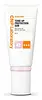
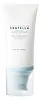
CNP Laboratory Sun Care Tone Up Protection Sun Versus SKIN1004 Madagascar Centella Hyalu-Cica Water-Fit Sun Serum SPF50+ PA++++
This hybrid sunscreen covers the full UV range, though its SPF isn't confirmed on file yet.
This chemical sunscreen covers the full UV range and blocks ~98% of UVB at SPF 50.

What's inside
What's inside
 Key Ingredients
Benefits
Concerns
Ingredients Side-by-side
Water
Skin ConditioningCyclopentasiloxane
Emollient
Ethylhexyl Methoxycinnamate
UV Absorber


Ethylhexyl Salicylate
UV Absorber
Zinc Oxide
Cosmetic Colorant
Cyclohexasiloxane
Emollient
Butylene Glycol
Humectant

PEG-10 Dimethicone
Skin Conditioning
CI 77891
Cosmetic ColorantMethyl Methacrylate Crosspolymer
Dipropylene Glycol
HumectantEthylhexyl Palmitate
Emollient




Dimethicone/Vinyl Dimethicone Crosspolymer
Skin Conditioning
Pelargonium Graveolens Flower Oil
Masking



Sea Water
HumectantCamellia Sinensis Leaf Extract
Antimicrobial





Pinus Pinaster Bark Extract
Antioxidant
Vitis Vinifera Seed Extract
Antimicrobial
Portulaca Oleracea Extract
Skin Conditioning
Pearl Powder
Tourmaline
Caprylyl Methicone
Skin Conditioning
Cetyl PEG/PPG-10/1 Dimethicone
Emulsifying
Dicaprylyl Carbonate
EmollientMagnesium Sulfate
Polymethylsilsesquioxane
Disteardimonium Hectorite
StabilisingIsoamyl P-Methoxycinnamate
UV Absorber
Vinyl Dimethicone/Methicone Silsesquioxane Crosspolymer
C30-45 Alkyl Cetearyl Dimethicone Crosspolymer
Emollient
Aluminum Hydroxide
EmollientStearic Acid
Cleansing
Glyceryl Caprylate
EmollientDimethicone
Emollient
Caprylyl Glycol
Emollient
Hydroxyapatite
Abrasive
Panthenol
Skin Conditioning
Triethoxycaprylylsilane
Montmorillonite
AbsorbentBiosaccharide Gum-4
Skin Conditioning
Thioctic Acid
Antioxidant
Ubiquinone
Antioxidant
1,2-Hexanediol
Skin Conditioning
Phenoxyethanol
Preservative
Citronellol
Perfuming
Geraniol
Perfuming
Citral
Perfuming
CI 77492
Cosmetic ColorantCI 77491
Cosmetic ColorantWater, Cyclopentasiloxane, Ethylhexyl Methoxycinnamate, Ethylhexyl Salicylate, Zinc Oxide, Cyclohexasiloxane, Butylene Glycol, PEG-10 Dimethicone, CI 77891, Methyl Methacrylate Crosspolymer, Dipropylene Glycol, Ethylhexyl Palmitate, Dimethicone/Vinyl Dimethicone Crosspolymer, Pelargonium Graveolens Flower Oil, Sea Water, Camellia Sinensis Leaf Extract, Pinus Pinaster Bark Extract, Vitis Vinifera Seed Extract, Portulaca Oleracea Extract, Pearl Powder, Tourmaline, Caprylyl Methicone, Cetyl PEG/PPG-10/1 Dimethicone, Dicaprylyl Carbonate, Magnesium Sulfate, Polymethylsilsesquioxane, Disteardimonium Hectorite, Isoamyl P-Methoxycinnamate, Vinyl Dimethicone/Methicone Silsesquioxane Crosspolymer, C30-45 Alkyl Cetearyl Dimethicone Crosspolymer, Aluminum Hydroxide, Stearic Acid, Glyceryl Caprylate, Dimethicone, Caprylyl Glycol, Hydroxyapatite, Panthenol, Triethoxycaprylylsilane, Montmorillonite, Biosaccharide Gum-4, Thioctic Acid, Ubiquinone, 1,2-Hexanediol, Phenoxyethanol, Citronellol, Geraniol, Citral, CI 77492, CI 77491
Water
Skin ConditioningDibutyl Adipate
EmollientPropanediol
Solvent
Diethylamino Hydroxybenzoyl Hexyl Benzoate
UV Filter
Polymethylsilsesquioxane
Ethylhexyl Triazone
UV Absorber
Methylene Bis-Benzotriazolyl Tetramethylbutylphenol
UV Filter
Niacinamide
Smoothing



Coco-Caprylate/Caprate
Emollient
Caprylyl Methicone
Skin Conditioning
Diethylhexyl Butamido Triazone
UV Absorber
Glycerin
Humectant
1,2-Hexanediol
Skin Conditioning
Butylene Glycol
Humectant
Pentylene Glycol
Skin Conditioning
Behenyl Alcohol
Emollient
Poly C10-30 Alkyl Acrylate
Emulsion StabilisingPolyglyceryl-3 Methylglucose Distearate
Emulsifying
Decyl Glucoside
Cleansing
Tromethamine
BufferingCarbomer
Emulsion StabilisingAcrylates/C10-30 Alkyl Acrylate Crosspolymer
Emulsion StabilisingSodium Stearoyl Glutamate
CleansingPolyacrylate Crosspolymer-6
Emulsion StabilisingEthylhexylglycerin
Skin ConditioningAdenosine
Skin Conditioning
Xanthan Gum
EmulsifyingCentella Asiatica Extract
Cleansing
T-Butyl Alcohol
Perfuming


Sodium Hyaluronate
Humectant
Betula Platyphylla Japonica Bark Extract
Skin ConditioningTocopherol
Antioxidant
Hydrolyzed Hyaluronic Acid
Humectant
Camellia Sinensis Leaf Extract
Antimicrobial
Ginkgo Biloba Leaf Extract
Skin Conditioning
Brassica Oleracea Italica Sprout Extract
EmollientCamellia Japonica Leaf Extract
Skin ConditioningEruca Sativa Leaf Extract
Skin ConditioningMedicago Sativa Extract
TonicTriticum Vulgare Sprout Extract
Skin ConditioningInositol
Humectant
Hyaluronic Acid
Humectant
Water, Dibutyl Adipate, Propanediol, Diethylamino Hydroxybenzoyl Hexyl Benzoate, Polymethylsilsesquioxane, Ethylhexyl Triazone, Methylene Bis-Benzotriazolyl Tetramethylbutylphenol, Niacinamide, Coco-Caprylate/Caprate, Caprylyl Methicone, Diethylhexyl Butamido Triazone, Glycerin, 1,2-Hexanediol, Butylene Glycol, Pentylene Glycol, Behenyl Alcohol, Poly C10-30 Alkyl Acrylate, Polyglyceryl-3 Methylglucose Distearate, Decyl Glucoside, Tromethamine, Carbomer, Acrylates/C10-30 Alkyl Acrylate Crosspolymer, Sodium Stearoyl Glutamate, Polyacrylate Crosspolymer-6, Ethylhexylglycerin, Adenosine, Xanthan Gum, Centella Asiatica Extract, T-Butyl Alcohol, Sodium Hyaluronate, Betula Platyphylla Japonica Bark Extract, Tocopherol, Hydrolyzed Hyaluronic Acid, Camellia Sinensis Leaf Extract, Ginkgo Biloba Leaf Extract, Brassica Oleracea Italica Sprout Extract, Camellia Japonica Leaf Extract, Eruca Sativa Leaf Extract, Medicago Sativa Extract, Triticum Vulgare Sprout Extract, Inositol, Hyaluronic Acid
Reviews
Ingredients Explained
These ingredients are found in both products.
Ingredients higher up in an ingredient list are typically present in a larger amount.
1,2-Hexanediol is a synthetic liquid and another multi-functional powerhouse.
It is a:
- Humectant, drawing moisture into the skin
- Emollient, helping to soften skin
- Solvent, dispersing and stabilizing formulas
- Preservative booster, enhancing the antimicrobial activity of other preservatives
Butylene Glycol (or BG) is used within cosmetic products for a few different reasons:
Overall, Butylene Glycol is a safe and well-rounded ingredient that works well with other ingredients.
Though this ingredient works well with most skin types, some people with sensitive skin may experience a reaction such as allergic rashes, closed comedones, or itchiness.
Learn more about Butylene GlycolCamellia Sinensis Leaf Extract (tea extract) is one of the most well-researched plant extracts in skincare with an impressive resume.
Black tea, green tea, and oolong tea are all harvested from the Camellia Sinensis plant.
Studies show green tea extract and its catechins (like epigallocatechin gallate (EGCG)) help your skin cells product energy more efficiently and reducing the number of free-radicals that can damage your skin from the inside.
In lab-grown skin models, this translated to younger, healthier, and stronger skin.
There's also good sun protection data; researchers saw less DNA damage and redness on human skin when green tea was applied before UVB exposure. And the more they applied, the better the protection.
Needless to say, this ingredient shouldn't replace your sunscreen. But it is a great supportive ingredient that you can already find in many sunscreens and antioxidant serums.
A 2009 study found a 2% green tea lotion was effective for mild-to-moderate acne thanks to its anti-inflammatory and mild antimicrobial activity.
The quality of the extract matters a lot here:
Good extracts contain 50-90% catechins while lower quality ones are mostly there for marketing. We recommend reaching out to the brand if you have questions about the quality or source of their ingredients.
Human Repeated Insult Patch Testing showed no irritation or sensitization at use concentrations (0.86% in leave-on products and up to 30% as leaf water).
Learn more about Camellia Sinensis Leaf ExtractCaprylyl Methicone is a synthetic and lightweight silicone fluid. It gives products a silky, dry-touch finish without the heaviness of pure oils.
Though the EU CosIng Database lists this ingredient as a skin conditioner, it is also used for sensory reasons. It spreads easily, cuts greasiness, and reduces tackiness.
This ingredient is volatile which means it will mostly evaporate (but it evaporates slower than older cyclomethicones, like Cyclotetrasiloxane).
Typical concentration ranges from 1-30% depending on if it's being used to tweak the feel of a product or acting as the main emollient.
Learn more about Caprylyl MethiconePolymethylsilsesquioxane is a silicone used as a film forming agent.
When applied to the skin, this ingredient creates an invisible film on the surface. This film still allows oxygen to pass through, but prevents moisture from escaping. This can help condition and hydrate the skin. It also leaves a silky feel when applied.
Polymethylsilsesquioxane has not been shown to clog pores. It has been deemed safe to use up to 55%, but most cosmetics use much less.
If you have concerns about using this ingredient, we recommend speaking with a professional.
Learn more about PolymethylsilsesquioxaneWater. It's the most common cosmetic ingredient of all. You'll usually see it at the top of ingredient lists, meaning that it makes up the largest part of the product.
So why is it so popular? Water most often acts as a solvent - this means that it helps dissolve other ingredients into the formulation.
You'll also recognize water as that liquid we all need to stay alive. If you see this, drink a glass of water. Remember to stay hydrated!
Learn more about Water

