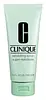
This smoothing exfoliator is formulated around Magnesium Aluminum Silicate and Salicylic Acid to refine skin texture and balance excess oil.
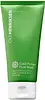
This wash off mask is formulated around Salicylic Acid to clear breakouts and unclog pores.


What's inside
What's inside
 Key Ingredients
Benefits
Concerns
Ingredients Side-by-side
Water
Skin ConditioningGlyceryl Stearate
Emollient

Polyethylene
Abrasive

Hexylene Glycol
EmulsifyingDisodium Cocoamphodiacetate
CleansingDisodium Oleamido Mipa-Sulfosuccinate
CleansingMagnesium Aluminum Silicate
Absorbent
Salicylic Acid
Masking







Menthol
Masking
Stearamidoethyl Diethylamine
Oleamide Mipa
Trisodium Sulfosuccinate
BufferingSodium Sulfate
Phenoxyethanol
Preservative
Methylisothiazolinone
Preservative
CI 77891
Cosmetic ColorantEthylhexyl Salicylate
UV Absorber

Methyl Trimethicone
Skin Conditioning
Homosalate
Skin Conditioning
Butylene Glycol
Humectant

Benzophenone-3
UV Absorber
Butyloctyl Salicylate
Skin Conditioning
Neopentyl Glycol Diheptanoate
EmollientButyl Methoxydibenzoylmethane
UV Absorber
Butyrospermum Parkii Butter
Skin Conditioning

Octocrylene
UV Absorber
PEG-100 Stearate
Surfactant
Silica
Abrasive
Dipentaerythrityl Tri-Polyhydroxystearate
Emollient
Lauryl PEG-9 Polydimethylsiloxyethyl Dimethicone
Skin Conditioning
Dimethicone
Emollient
Laurdimonium Hydroxypropyl Hydrolyzed Soy Protein
Rosmarinus Officinalis Extract
AntimicrobialPerilla Ocymoides Leaf Extract
TonicPlankton Extract
Skin ConditioningCaffeine
Skin Conditioning

Potassium Cetyl Phosphate
EmulsifyingSucrose
Humectant
Styrene/Acrylates Copolymer
C30-38 Olefin/Isopropyl Maleate/Ma Copolymer
EmulsifyingCetyl Alcohol
Emollient

Vp/Eicosene Copolymer
Ethylhexylglycerin
Skin ConditioningAmmonium Acryloyldimethyltaurate/Vp Copolymer
PEG-8 Laurate
Emulsifying
Sodium Rna
Skin ConditioningLecithin
Emollient
Propyl Gallate
Antioxidant


Arginine Ferulate
Skin ConditioningTocopheryl Acetate
Antioxidant
Caprylyl Glycol
Emollient
Ascorbyl Tocopheryl Maleate
Antioxidant
Stearic Acid
Cleansing
Xanthan Gum
EmulsifyingNordihydroguaiaretic Acid
Antioxidant
Disodium EDTA
Mica
Cosmetic ColorantSodium Dehydroacetate
Preservative
Water, Glyceryl Stearate, Polyethylene, Hexylene Glycol, Disodium Cocoamphodiacetate, Disodium Oleamido Mipa-Sulfosuccinate, Magnesium Aluminum Silicate, Salicylic Acid, Menthol, Stearamidoethyl Diethylamine, Oleamide Mipa, Trisodium Sulfosuccinate, Sodium Sulfate, Phenoxyethanol, Methylisothiazolinone, CI 77891, Ethylhexyl Salicylate, Methyl Trimethicone, Homosalate, Butylene Glycol, Benzophenone-3, Butyloctyl Salicylate, Neopentyl Glycol Diheptanoate, Butyl Methoxydibenzoylmethane, Butyrospermum Parkii Butter, Octocrylene, PEG-100 Stearate, Silica, Dipentaerythrityl Tri-Polyhydroxystearate, Lauryl PEG-9 Polydimethylsiloxyethyl Dimethicone, Dimethicone, Laurdimonium Hydroxypropyl Hydrolyzed Soy Protein, Rosmarinus Officinalis Extract, Perilla Ocymoides Leaf Extract, Plankton Extract, Caffeine, Potassium Cetyl Phosphate, Sucrose, Styrene/Acrylates Copolymer, C30-38 Olefin/Isopropyl Maleate/Ma Copolymer, Cetyl Alcohol, Vp/Eicosene Copolymer, Ethylhexylglycerin, Ammonium Acryloyldimethyltaurate/Vp Copolymer, PEG-8 Laurate, Sodium Rna, Lecithin, Propyl Gallate, Arginine Ferulate, Tocopheryl Acetate, Caprylyl Glycol, Ascorbyl Tocopheryl Maleate, Stearic Acid, Xanthan Gum, Nordihydroguaiaretic Acid, Disodium EDTA, Mica, Sodium Dehydroacetate
Water
Skin ConditioningKaolin
Abrasive
Glycerin
Humectant
Disodium Lauryl Sulfosuccinate
CleansingBentonite
Absorbent
Cetearyl Alcohol
Emollient
Lactic Acid
Buffering

Lauramidopropyl Betaine
CleansingSodium C14-16 Olefin Sulfonate
Cleansing
Menthoxypropanediol
Masking
Persea Gratissima Oil
Skin Conditioning
Phenoxyethanol
Preservative
Potassium Hydroxide
BufferingSalicylic Acid
Masking
Mentha Piperita Oil
Masking
Sodium Chloride
MaskingEthylhexylglycerin
Skin ConditioningPropanediol
Solvent
Sodium Phytate
Xanthan Gum
EmulsifyingEpilobium Fleischeri Extract
Skin ConditioningSaussurea Involucrata Extract
HumectantCitric Acid
Buffering
Potassium Sorbate
Preservative
Macrocystis Pyrifera Extract
Skin Conditioning
Eucalyptus Globulus Leaf Extract
Perfuming
Chondrus Crispus Extract
Skin Conditioning
Camellia Sinensis Leaf Extract
Antimicrobial
Tocopherol
Antioxidant
CI 77289
Cosmetic ColorantCI 77891
Cosmetic ColorantWater, Kaolin, Glycerin, Disodium Lauryl Sulfosuccinate, Bentonite, Cetearyl Alcohol, Lactic Acid, Lauramidopropyl Betaine, Sodium C14-16 Olefin Sulfonate, Menthoxypropanediol, Persea Gratissima Oil, Phenoxyethanol, Potassium Hydroxide, Salicylic Acid, Mentha Piperita Oil, Sodium Chloride, Ethylhexylglycerin, Propanediol, Sodium Phytate, Xanthan Gum, Epilobium Fleischeri Extract, Saussurea Involucrata Extract, Citric Acid, Potassium Sorbate, Macrocystis Pyrifera Extract, Eucalyptus Globulus Leaf Extract, Chondrus Crispus Extract, Camellia Sinensis Leaf Extract, Tocopherol, CI 77289, CI 77891
Reviews
Ingredients Explained
These ingredients are found in both products.
Ingredients higher up in an ingredient list are typically present in a larger amount.
Ci 77891 is a white pigment from Titanium dioxide. It is naturally found in minerals such as rutile and ilmenite.
It's main function is to add a white color to cosmetics. It can also be mixed with other colors to create different shades.
Ci 77891 is commonly found in sunscreens due to its ability to block UV rays.
Learn more about CI 77891Ethylhexylglycerin is created from glycerin. It is a multitasker ingredient that:
The CIR Expert Panel found minimal skin absorption or sensitization of any kind in a safety assessment. Though this ingredient is considered well-tolerated, a small number of cases of allergic dermatitis have been published since 2002. Just be sure to patch test if you are unsure.
Industry-reported use ranges from 8% in rinse-off products and 2% in leave-on formulations.
Learn more about EthylhexylglycerinPhenoxyethanol is one of the most widely used preservatives in skincare (and for good reason!).
It has a large spectrum of antimicrobial activity and especially effective bacteria, yeast, and mold while only having a weak effect on your skin's natural microbiome.
On a cellular level, it disrupts the cell membranes of microbes by poking holes that make the cell leak. This shuts down the chemical reactions the microbe needs to make energy so it can no longer survive.
Another perk of this ingredient is that it stays functional across a wide pH range (3-10).
You'll often see it paired with boosters like Ethylhexylglycerin; one study showed that a 1:9 ratio of Ethylhexylglycerin to Phenoxyethanol damages bacterial membranes as effectively as doubling the Phenoxyethanol concentration on its own.
Typical use concentrations range from 0.3-1% depending on the formula, and this ingredient is capped at 1% int the EU.
Safety-wise, the fear mongering does not hold up to the evidence. The EU's Scientific Committee on Consumer Safety and FDA consider it safe as a preservative at up to 1%, including for children of all ages.
Adverse systemic effects only showed up in animal studies at exposures roughly 200x higher than what people get from cosmetics. And despite its very widespread use, this ingredient is a rare sensitizer and allergic reactions are uncommon.
Learn more about PhenoxyethanolSalicylic Acid (also known as beta hydroxy acid or BHA) is a well-known ingredient for treating skin that struggles with acne and clogged pores. It exfoliates both the skin's surface and deep within the pores to help clear out buildup, control oil, and reduce inflammation.
Unlike AHAs (alpha hydroxy acids), salicylic acid is oil-soluble. This allows it to penetrate into pores which makes it especially effective for treating blackheads and preventing future breakouts.
Salicylic acid is also known for its soothing properties. It has a similar structure to aspirin and can calm inflamed or irritated skin, making it a good option for acne-prone skin that is also sensitive.
Concentrations of 0.5-2% are recognized by the U.S. FDA as an over-the-counter topical acne product.
It can cause irritation and/or dryness if one's skin already has a compromised moisture barrier, so it's best to focus on repairing that before introducing this ingredient into your routine.
While salicylic acid does not increase sun sensitivity, it’s still important to wear sunscreen daily to protect your skin.
If you are looking for the ingredient called BHA or Butylated Hydroxyanisole, click here.
Learn more about Salicylic AcidWater. It's the most common cosmetic ingredient of all. You'll usually see it at the top of ingredient lists, meaning that it makes up the largest part of the product.
So why is it so popular? Water most often acts as a solvent - this means that it helps dissolve other ingredients into the formulation.
You'll also recognize water as that liquid we all need to stay alive. If you see this, drink a glass of water. Remember to stay hydrated!
Learn more about WaterXanthan gum is used as a stabilizer and thickener within cosmetic products. It helps give products a sticky, thick feeling - preventing them from being too runny.
On the technical side of things, xanthan gum is a polysaccharide - a combination consisting of multiple sugar molecules bonded together.
Xanthan gum is a pretty common and great ingredient. It is a natural, non-toxic, non-irritating ingredient that is also commonly used in food products.
Learn more about Xanthan Gum

