
What's inside
What's inside
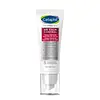 Key Ingredients
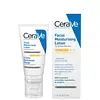
Benefits
Concerns
Ingredients Side-by-side
Water
Skin ConditioningDimethicone
Emollient
Titanium Dioxide
Cosmetic Colorant

Caprylyl Methicone
Skin Conditioning
Zinc Oxide
Cosmetic Colorant
Cetyl Diglyceryl Tris(Trimethylsiloxy)Silylethyl Dimethicone
Emulsion Stabilising
Glycerin
Humectant



C12-15 Alkyl Benzoate
AntimicrobialIsohexadecane
EmollientDicaprylyl Carbonate
EmollientSilica
Abrasive


Allantoin
Skin Conditioning

Benzyl Alcohol
Perfuming






Caffeine
Skin Conditioning
CI 77288
Cosmetic ColorantCI 77491
Cosmetic ColorantCI 77492
Cosmetic ColorantCI 77499
Cosmetic ColorantDipotassium Glycyrrhizate
Humectant
Ethylhexylglycerin
Skin ConditioningHydrogenated Lecithin
Emulsifying
Magnesium Sulfate
Methylpropanediol
SolventTocopherol
Antioxidant

Triethoxycaprylylsilane
Trisiloxane
Skin Conditioning
Water, Dimethicone, Titanium Dioxide, Caprylyl Methicone, Zinc Oxide, Cetyl Diglyceryl Tris(Trimethylsiloxy)Silylethyl Dimethicone, Glycerin, C12-15 Alkyl Benzoate, Isohexadecane, Dicaprylyl Carbonate, Silica, Allantoin, Benzyl Alcohol, Caffeine, CI 77288, CI 77491, CI 77492, CI 77499, Dipotassium Glycyrrhizate, Ethylhexylglycerin, Hydrogenated Lecithin, Magnesium Sulfate, Methylpropanediol, Tocopherol, Triethoxycaprylylsilane, Trisiloxane
Water
Skin ConditioningGlycerin
Humectant
Isopropyl Palmitate
Emollient

Bis-Ethylhexyloxyphenol Methoxyphenyl Triazine
Skin Conditioning
Ethylhexyl Salicylate
UV Absorber
Niacinamide
Smoothing


Pentylene Glycol
Skin ConditioningButyl Methoxydibenzoylmethane
UV Absorber
Ethylhexyl Triazone
UV Absorber
Propanediol
Solvent
Zea Mays Starch
AbsorbentPotassium Cetyl Phosphate
EmulsifyingDiisopropyl Sebacate
EmollientOryza Sativa Cera
Skin ConditioningStearic Acid
Cleansing
Ceramide NP
Skin Conditioning
Ceramide AP
Skin Conditioning
Ceramide EOP
Skin Conditioning
Carbomer
Emulsion StabilisingGlyceryl Stearate
Emollient
Cetearyl Alcohol
Emollient
Triethanolamine
BufferingBehentrimonium Methosulfate

Triethyl Citrate
Masking
Sodium Hyaluronate
Humectant
Sodium Polyacrylate
Absorbent
Sodium Lauroyl Lactylate
EmulsifyingMyristic Acid
Cleansing
Cholesterol
Emollient
Palmitic Acid
Emollient
Tocopherol
Antioxidant
Caprylyl Glycol
Emollient
Citric Acid
Buffering

Trisodium Ethylenediamine Disuccinate
Xanthan Gum
EmulsifyingPhytosphingosine
Skin Conditioning
Acrylates/C10-30 Alkyl Acrylate Crosspolymer
Emulsion StabilisingButyrospermum Parkii Butter
Skin Conditioning
Benzoic Acid
Masking
PEG-100 Stearate
Water, Glycerin, Isopropyl Palmitate, Bis-Ethylhexyloxyphenol Methoxyphenyl Triazine, Ethylhexyl Salicylate, Niacinamide, Pentylene Glycol, Butyl Methoxydibenzoylmethane, Ethylhexyl Triazone, Propanediol, Zea Mays Starch, Potassium Cetyl Phosphate, Diisopropyl Sebacate, Oryza Sativa Cera, Stearic Acid, Ceramide NP, Ceramide AP, Ceramide EOP, Carbomer, Glyceryl Stearate, Cetearyl Alcohol, Triethanolamine, Behentrimonium Methosulfate, Triethyl Citrate, Sodium Hyaluronate, Sodium Polyacrylate, Sodium Lauroyl Lactylate, Myristic Acid, Cholesterol, Palmitic Acid, Tocopherol, Caprylyl Glycol, Citric Acid, Trisodium Ethylenediamine Disuccinate, Xanthan Gum, Phytosphingosine, Acrylates/C10-30 Alkyl Acrylate Crosspolymer, Butyrospermum Parkii Butter, Benzoic Acid, PEG-100 Stearate
Reviews
Ingredients Explained
These ingredients are found in both products.
Ingredients higher up in an ingredient list are typically present in a larger amount.
Glycerin is already naturally found in your skin. It helps moisturize and protect your skin.
A study from 2016 found glycerin to be more effective as a humectant than AHAs and hyaluronic acid.
As a humectant, it helps the skin stay hydrated by pulling moisture to your skin. The low molecular weight of glycerin allows it to pull moisture into the deeper layers of your skin.
Hydrated skin improves your skin barrier; Your skin barrier helps protect against irritants and bacteria.
Glycerin has also been found to have antimicrobial and antiviral properties. Due to these properties, glycerin is often used in wound and burn treatments.
In cosmetics, glycerin is usually derived from plants such as soybean or palm. However, it can also be sourced from animals, such as tallow or animal fat.
This ingredient is organic, colorless, odorless, and non-toxic.
Glycerin is the name for this ingredient in American English. British English uses Glycerol/Glycerine.
Learn more about GlycerinTocopherol (also known as Vitamin E) is a common antioxidant used to help protect the skin from free-radicals and strengthen the skin barrier. It's also fat soluble - this means our skin is great at absorbing it.
Vitamin E also helps keep your natural skin lipids healthy. Your lipid skin barrier naturally consists of lipids, ceramides, and fatty acids. Vitamin E offers extra protection for your skin’s lipid barrier, keeping your skin healthy and nourished.
Another benefit is a bit of UV protection. Vitamin E helps reduce the damage caused by UVB rays. (It should not replace your sunscreen). Combining it with Vitamin C can decrease sunburned cells and hyperpigmentation after UV exposure.
You might have noticed Vitamin E + C often paired together. This is because it is great at stabilizing Vitamin C. Using the two together helps increase the effectiveness of both ingredients.
There are often claims that Vitamin E can reduce/prevent scarring, but these claims haven't been confirmed by scientific research.
Learn more about TocopherolWater. It's the most common cosmetic ingredient of all. You'll usually see it at the top of ingredient lists, meaning that it makes up the largest part of the product.
So why is it so popular? Water most often acts as a solvent - this means that it helps dissolve other ingredients into the formulation.
You'll also recognize water as that liquid we all need to stay alive. If you see this, drink a glass of water. Stay hydrated!
Learn more about Water
