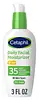
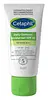
Cetaphil Daily Oil-Free Moisturizer SPF 35 Versus Cetaphil Daily Defence Face Moisturiser With SPF 50+

What's inside
What's inside
 Key Ingredients
Benefits
Concerns
Ingredients Side-by-side
Butyl Methoxydibenzoylmethane 2.8%
UV Absorber
Homosalate 9.5%
Skin Conditioning
Ethylhexyl Salicylate 4.8%
UV Absorber
Octocrylene 7%
UV Absorber

Water
Skin ConditioningGlycerin
Humectant


Dipropylene Glycol
HumectantPanthenol
Skin Conditioning

Ethylhexyl Methoxycrylene
Skin Conditioning
Isopropyl Palmitate
Emollient


Silica
Abrasive


Niacinamide
Smoothing





Cetearyl Olivate
Cetearyl Alcohol
Emollient

Glyceryl Stearate
Emollient
Potassium Cetyl Phosphate
EmulsifyingSorbitan Olivate
Emulsifying
Tocopheryl Acetate
Antioxidant

Caprylyl Glycol
Emollient
Acrylates/C10-30 Alkyl Acrylate Crosspolymer
Emulsion StabilisingPalmitic Acid
Emollient
Ethylhexylglycerin
Skin ConditioningLeontopodium Alpinum Extract
Skin ConditioningStearic Acid
Cleansing
1,2-Hexanediol
Skin Conditioning
Oryza Sativa Lees Extract
Skin ConditioningPropanediol
Solvent
Sodium Hydroxide
BufferingAdenosine
Skin Conditioning
Potassium Sorbate
Preservative
Sodium Benzoate
Masking
Citric Acid
Buffering

Myristic Acid
Cleansing
Buddleja Davidii Leaf Extract
Skin ConditioningThymus Vulgaris Leaf Extract
Skin ProtectingTocopherol
Antioxidant
Butyl Methoxydibenzoylmethane 2.8%, Homosalate 9.5%, Ethylhexyl Salicylate 4.8%, Octocrylene 7%, Water, Glycerin, Dipropylene Glycol, Panthenol, Ethylhexyl Methoxycrylene, Isopropyl Palmitate, Silica, Niacinamide, Cetearyl Olivate, Cetearyl Alcohol, Glyceryl Stearate, Potassium Cetyl Phosphate, Sorbitan Olivate, Tocopheryl Acetate, Caprylyl Glycol, Acrylates/C10-30 Alkyl Acrylate Crosspolymer, Palmitic Acid, Ethylhexylglycerin, Leontopodium Alpinum Extract, Stearic Acid, 1,2-Hexanediol, Oryza Sativa Lees Extract, Propanediol, Sodium Hydroxide, Adenosine, Potassium Sorbate, Sodium Benzoate, Citric Acid, Myristic Acid, Buddleja Davidii Leaf Extract, Thymus Vulgaris Leaf Extract, Tocopherol
Water
Skin ConditioningC12-15 Alkyl Benzoate
AntimicrobialGlycerin
Humectant
Ethylhexyl Salicylate
UV Absorber
Titanium Dioxide
Cosmetic Colorant
Butyl Methoxydibenzoylmethane
UV Absorber
Propylene Glycol
Humectant
Bis-Ethylhexyloxyphenol Methoxyphenyl Triazine
Skin Conditioning
Octocrylene
UV Absorber
Cyclopentasiloxane
Emollient
Stearic Acid
Cleansing
Dimethicone
Emollient
Methyl Methacrylate Crosspolymer
Nylon-12
Petrolatum
Emollient
Aluminum Hydroxide
EmollientAmmonium Polyacryloyldimethyl Taurate
Emulsion StabilisingDisodium EDTA
Drometrizole Trisiloxane
UV Absorber
Ethylhexyl Triazone
UV Absorber
Ethylparaben
Preservative
Glyceryl Stearate
Emollient
Hydrogenated Soybean Oil
Emollient
Hydroxypropyl Methylcellulose
Emulsion StabilisingMethylparaben
Preservative
Myristyl Myristate
Emollient
PEG-100 Stearate
Phenoxyethanol
Preservative
Potassium Cetyl Phosphate
EmulsifyingPropylparaben
Preservative
Sodium Chloride
MaskingStearyl Alcohol
Emollient
Terephthalylidene Dicamphor Sulfonic Acid
UV Absorber
Tocopherol
Antioxidant
Triethanolamine
BufferingWater, C12-15 Alkyl Benzoate, Glycerin, Ethylhexyl Salicylate, Titanium Dioxide, Butyl Methoxydibenzoylmethane, Propylene Glycol, Bis-Ethylhexyloxyphenol Methoxyphenyl Triazine, Octocrylene, Cyclopentasiloxane, Stearic Acid, Dimethicone, Methyl Methacrylate Crosspolymer, Nylon-12, Petrolatum, Aluminum Hydroxide, Ammonium Polyacryloyldimethyl Taurate, Disodium EDTA, Drometrizole Trisiloxane, Ethylhexyl Triazone, Ethylparaben, Glyceryl Stearate, Hydrogenated Soybean Oil, Hydroxypropyl Methylcellulose, Methylparaben, Myristyl Myristate, PEG-100 Stearate, Phenoxyethanol, Potassium Cetyl Phosphate, Propylparaben, Sodium Chloride, Stearyl Alcohol, Terephthalylidene Dicamphor Sulfonic Acid, Tocopherol, Triethanolamine
Reviews
Ingredients Explained
These ingredients are found in both products.
Ingredients higher up in an ingredient list are typically present in a larger amount.
Also known as Avobenzone, this ingredient is a chemical sunscreen filter that provides protection in the UV-A range.
Avobenzone is globally approved and is the most commonly used UV-A filter in the world.
Studies have found that avobenzone becomes ineffective when exposed to UV light (it is not photostable; meaning that it breaks down in sunlight). Because of this, formulations that include avobenzone will usually contain stabilizers such as octocrylene.
However, some modern formulations (looking at you, EU!) are able to stabilize avobenzone by coating the molecules.
Avobenzone does not protect against the UV-B range, so it's important to check that the sunscreen you're using contains other UV filters that do!
The highest concentration of avobenzone permitted is 3% in the US, and 5% in the EU.
Learn more about Butyl MethoxydibenzoylmethaneEthylhexyl Salicylate is an organic compound used to block UV rays. It primarily absorbs UVB rays but offers a small amount of UVA protection as well.
Commonly found in sunscreens, Ethylhexyl Salicylate is created from salicylic acid and 2-ethylhexanol. You might know salicylic acid as the effective acne fighter ingredient and BHA.
The ethylhexanol in this ingredient is a fatty alcohol and helps hydrate your skin, similar to oils. It is an emollient, which means it traps moisture into the skin.
According to manufacturers, Ethylhexyl Salicylate absorbs UV wavelength of 295-315 nm, with a peak absorption at 307-310 nm. UVA rays are linked to long term skin damage, such as hyperpigmentation. UVB rays emit more energy and are capable of damaging our DNA. UVB rays cause sunburn.
Learn more about Ethylhexyl SalicylateGlycerin (or glycerol) is a compound naturally found in your skin. It's a powerhouse humectant that pulls water into the stratum corneum.
Topically, glycerin does several things at once:
Your skin makes glycerin on its own (mostly from sebaceous oil breakdown) and shuttles it to your outermost layer of skin, or your epidermis, via aquaporin-3.
Aquaporin-3 is a transporter that is essential for normal skin hydration, elasticity, and repair. Interestingly, mice lacking in AQP3 have dry and less elastic skin that can be fully corrected with glycerin.
This ingredient is non-irritating, plays well with almost every ingredient, and works across all skin types. Typical use is anywhere between 3-10% but can go up to 79% in some leave-on products.
Just know very high concentrations (>40%) can feel tacky in low humidity.
Glycerin is the name for this ingredient in American English. British English uses Glycerol/Glycerine.
Learn more about GlycerinGlyceryl Stearate is made by reacting glycerin with stearic acid (typically sourced from plant oils like palm or coconut). It's an emulsifier, emollient, and mild occlusive.
Emulsifiers help ingredients like oil and water stay mixed so your formula stays nicely blended and uniform in texture.
This ingredient is typically used in concentrations between 1-10%. Studies have found it to be non-sensitizing, non-phototoxic, and non-photoallergenic.
A close cousin of this ingredient is Glyceryl Stearate SE ("self-emulsifying"). This just has a small amount of sodium or potassium stearate added so it can emulsify without a co-emulsifier.
Since this ingredient is an ester of a C18 fatty acid, it may not be fungal acne safe. The Malassezia yeast can potentially metabolize within the C11-C24 range.
Fun fact: The human body also creates Glyceryl Stearate naturally.
Learn more about Glyceryl StearateOctocrylene protects skin from sun damage. It absorbs UV-B with peak absorption of 304 nm. It is a common sunscreen ingredient and often paired with avobenzone, a UVA filter. This is because octocrylene stabilizes other sunscreen ingredients by protecting them from degradation when exposed to sunlight. Octocrylene is a photostable ingredient and loses about 10% of SPF in 95 minutes.
Octocrylene also acts as an emollient, meaning it helps skin retain moisture and softens skin. It is oil-soluble and hydrophobic, enhancing water-resistant properties in a product.
Those who are using ketoprofen, a topical anti-inflammatory drug, may experience an allergic reaction when using octocrylene. It is best to speak with a healthcare professional about using sunscreens with octocrylene.
The EU allows a maximum of these concentrations:
Learn more about OctocrylenePotassium Cetyl Phosphate is the potassium salt of a mixture. This mixture consists of the esters from phosphoricacid and cetyl alcohol.
Potassium Cetyl Phosphate is an emulsifier and cleansing agent. Emulsifiers help stabilize a product. It does this by preventing certain ingredients from separating.
As a cleansing agent, Potassium Cetyl Phosphate helps gather oils, dirts, and pollutants from your skin. This makes it easier to rinse them away with water.
Learn more about Potassium Cetyl PhosphateStearic Acid is a fatty acid that is already found in your skin. It's one of the free fatty acids that works alongside ceramides and cholesterols to maintain your barrier.
In cosmetics, it is a multitasker:
Safety-wise, the CIR Expert Panel has concluded it to be safe in cosmetics when formulated to be non-irritating and non-sensitizing.
Free stearic acid is a C18 fatty acid that the Malassezia yeast can substrate, so this ingredient may not be fungal acne safe.
Learn more about Stearic AcidTocopherol is a fat-soluble antioxidant known as Vitamin E.
You'll find this ingredient in the vast majority of skincare (for good reason). It works to neutralize free radicals, or unstable molecules generated by UV exposure, pollution, and other environmental stressors, before they can cause oxidative damage to your skin cells.
Topically applied tocopherol has been shown to protect against UV damage by ramping up the skin's own natural defense enzymes.
It also acts as a skin conditioning agent; some studies show that regular topical use can improve the skin's water-binding capacity over 2-4 weeks.
This ingredient is especially loved for being a team player. When combined with Vitamin C, the photoprotective effect of both ingredients roughly doubles and the combo also helps reduce UV-induced DNA damage.
This ingredient has some brightening potential but it's more of a prevention ingredient than spot-fader. Cell studies show it can slow down melanin production but it's worth noting that it's not the most powerful brightener out there.
In formulations, it also serves as a stabilizer that helps protect other oxidation-prone ingredients from degrading.
Concentrations usually range from 0.1-1% in most leave-on products.
Learn more about TocopherolWater. It's the most common cosmetic ingredient of all. You'll usually see it at the top of ingredient lists, meaning that it makes up the largest part of the product.
So why is it so popular? Water most often acts as a solvent - this means that it helps dissolve other ingredients into the formulation.
You'll also recognize water as that liquid we all need to stay alive. If you see this, drink a glass of water. Remember to stay hydrated!
Learn more about Water
