
What's inside
What's inside
 Key Ingredients
Benefits
Concerns
Ingredients Side-by-side
Water
Skin ConditioningCocamidopropyl Hydroxysultaine
CleansingGlycerin
Humectant



Sodium Lauroyl Sarcosinate
CleansingNiacinamide
Smoothing







Gluconolactone
Skin Conditioning

PEG-150 Pentaerythrityl Tetrastearate
Emulsifying
Sodium Methyl Cocoyl Taurate
Cleansing
Zea Mays Oil
Emulsifying

Ceramide NP
Skin Conditioning
Ceramide AP
Skin Conditioning
Ceramide EOP
Skin Conditioning
Carbomer
Emulsion StabilisingCalcium Gluconate
HumectantSodium Chloride
Masking


Salicylic Acid
Masking


Sodium Benzoate
Masking
Sodium Lauroyl Lactylate
EmulsifyingCholecalciferol
Cholesterol
Emollient
Phenoxyethanol
Preservative
Disodium EDTA
Tetrasodium EDTA
Hydrolyzed Hyaluronic Acid
Humectant
Phytosphingosine
Skin Conditioning
Xanthan Gum
EmulsifyingEthylhexylglycerin
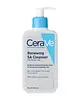
Skin ConditioningWater, Cocamidopropyl Hydroxysultaine, Glycerin, Sodium Lauroyl Sarcosinate, Niacinamide, Gluconolactone, PEG-150 Pentaerythrityl Tetrastearate, Sodium Methyl Cocoyl Taurate, Zea Mays Oil, Ceramide NP, Ceramide AP, Ceramide EOP, Carbomer, Calcium Gluconate, Sodium Chloride, Salicylic Acid, Sodium Benzoate, Sodium Lauroyl Lactylate, Cholecalciferol, Cholesterol, Phenoxyethanol, Disodium EDTA, Tetrasodium EDTA, Hydrolyzed Hyaluronic Acid, Phytosphingosine, Xanthan Gum, Ethylhexylglycerin
Water
Skin ConditioningGlycolic Acid
Buffering

Glycerin
Humectant
Caprylic/Capric Triglyceride
Masking
Dimethicone
Emollient
Sodium Hydroxide
BufferingHdi/Trimethylol Hexyllactone Crosspolymer
Diisopropyl Sebacate
EmollientC13-16 Isoparaffin
Solvent
Polyacrylate Crosspolymer-6
Emulsion StabilisingDimethyl Isosorbide
SolventAscorbic Acid
Antioxidant

Urea
Buffering
Yeast Amino Acids
HumectantTrehalose
Humectant
Inositol
Humectant
Taurine
BufferingBetaine
Humectant
Glutathione
Tetrahexyldecyl Ascorbate
Antioxidant
Cetearyl Isononanoate
EmollientHydroxyethyl Acrylate/Sodium Acryloyldimethyl Taurate Copolymer
Emulsion StabilisingOleyl Alcohol
Emollient
Silica
Abrasive
Hexylresorcinol
Antimicrobial
Polysilicone-11
Triheptanoin
Skin ConditioningPolyisobutene
Marrubium Vulgare Meristem Cell Culture
Skin ProtectingZanthoxylum Bungeanum Fruit Extract
Skin ConditioningHydrolyzed Verbascum Thapsus Flower
Antioxidant
Butylene Glycol
Humectant
Mica
Cosmetic Colorant
Hexylene Glycol
EmulsifyingSodium Surfactin
CleansingXymenynic Acid
EmollientTocopheryl Acetate
Antioxidant
PEG-7 Trimethylolpropane Coconut Ether
EmulsifyingTerminalia Ferdinandiana Fruit Extract
Antioxidant
Sorbitol
Humectant
Tin Oxide
Abrasive
Xanthan Gum
EmulsifyingT-Butyl Alcohol
Perfuming
Chlorella Vulgaris Extract
Skin Conditioning
Decyl Glucoside
CleansingGold
Cosmetic ColorantCitric Acid
Buffering
Caprylyl Glycol
Emollient
Phenoxyethanol
Preservative
Ethylhexylglycerin
Skin ConditioningSodium Benzoate
Masking
Potassium Sorbate
Preservative
CI 77891
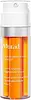
Cosmetic ColorantWater, Glycolic Acid, Glycerin, Caprylic/Capric Triglyceride, Dimethicone, Sodium Hydroxide, Hdi/Trimethylol Hexyllactone Crosspolymer, Diisopropyl Sebacate, C13-16 Isoparaffin, Polyacrylate Crosspolymer-6, Dimethyl Isosorbide, Ascorbic Acid, Urea, Yeast Amino Acids, Trehalose, Inositol, Taurine, Betaine, Glutathione, Tetrahexyldecyl Ascorbate, Cetearyl Isononanoate, Hydroxyethyl Acrylate/Sodium Acryloyldimethyl Taurate Copolymer, Oleyl Alcohol, Silica, Hexylresorcinol, Polysilicone-11, Triheptanoin, Polyisobutene, Marrubium Vulgare Meristem Cell Culture, Zanthoxylum Bungeanum Fruit Extract, Hydrolyzed Verbascum Thapsus Flower, Butylene Glycol, Mica, Hexylene Glycol, Sodium Surfactin, Xymenynic Acid, Tocopheryl Acetate, PEG-7 Trimethylolpropane Coconut Ether, Terminalia Ferdinandiana Fruit Extract, Sorbitol, Tin Oxide, Xanthan Gum, T-Butyl Alcohol, Chlorella Vulgaris Extract, Decyl Glucoside, Gold, Citric Acid, Caprylyl Glycol, Phenoxyethanol, Ethylhexylglycerin, Sodium Benzoate, Potassium Sorbate, CI 77891
Reviews
Ingredients Explained
These ingredients are found in both products.
Ingredients higher up in an ingredient list are typically present in a larger amount.
Ethylhexylglycerin (we can't pronounce this either) is commonly used as a preservative and skin softener. It is derived from glyceryl.
You might see Ethylhexylglycerin often paired with other preservatives such as phenoxyethanol. Ethylhexylglycerin has been found to increase the effectiveness of these other preservatives.
Glycerin is already naturally found in your skin. It helps moisturize and protect your skin.
A study from 2016 found glycerin to be more effective as a humectant than AHAs and hyaluronic acid.
As a humectant, it helps the skin stay hydrated by pulling moisture to your skin. The low molecular weight of glycerin allows it to pull moisture into the deeper layers of your skin.
Hydrated skin improves your skin barrier; Your skin barrier helps protect against irritants and bacteria.
Glycerin has also been found to have antimicrobial and antiviral properties. Due to these properties, glycerin is often used in wound and burn treatments.
In cosmetics, glycerin is usually derived from plants such as soybean or palm. However, it can also be sourced from animals, such as tallow or animal fat.
This ingredient is organic, colorless, odorless, and non-toxic.
Glycerin is the name for this ingredient in American English. British English uses Glycerol/Glycerine.
Learn more about GlycerinPhenoxyethanol is a preservative that has germicide, antimicrobial, and aromatic properties. Studies show that phenoxyethanol can prevent microbial growth. By itself, it has a scent that is similar to that of a rose.
It's often used in formulations along with Caprylyl Glycol to preserve the shelf life of products.
Sodium Benzoate is a preservative. It's used in both cosmetic and food products to inhibit the growth of mold and bacteria. It is typically produced synthetically.
Both the US FDA and EU Health Committee have approved the use of sodium benzoate. In the US, levels of 0.1% (of the total product) are allowed.
Sodium benzoate works as a preservative by inhibiting the growth of bacteria inside of cells. It prevents the cell from fermenting a type of sugar using an enzyme called phosphofructokinase.
It is the salt of benzoic acid. Foods containing sodium benzoate include soda, salad dressings, condiments, fruit juices, wines, and snack foods.
Studies for using ascorbic acid and sodium benzoate in cosmetics are lacking, especially in skincare routines with multiple steps.
We always recommend speaking with a professional, such as a dermatologist, if you have any concerns.
Learn more about Sodium BenzoateWater. It's the most common cosmetic ingredient of all. You'll usually see it at the top of ingredient lists, meaning that it makes up the largest part of the product.
So why is it so popular? Water most often acts as a solvent - this means that it helps dissolve other ingredients into the formulation.
You'll also recognize water as that liquid we all need to stay alive. If you see this, drink a glass of water. Stay hydrated!
Learn more about WaterXanthan gum is used as a stabilizer and thickener within cosmetic products. It helps give products a sticky, thick feeling - preventing them from being too runny.
On the technical side of things, xanthan gum is a polysaccharide - a combination consisting of multiple sugar molecules bonded together.
Xanthan gum is a pretty common and great ingredient. It is a natural, non-toxic, non-irritating ingredient that is also commonly used in food products.
Learn more about Xanthan Gum
