
What's inside
What's inside
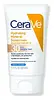 Key Ingredients
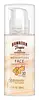
Benefits
Concerns
Ingredients Side-by-side
Titanium Dioxide 5.5%
Cosmetic Colorant

Zinc Oxide 10%
Cosmetic Colorant
Water
Skin ConditioningC12-15 Alkyl Benzoate
AntimicrobialIsohexadecane
EmollientIsononyl Isononanoate
EmollientDicaprylyl Ether
Emollient
PEG-30 Dipolyhydroxystearate
Emulsifying
Triethylhexanoin
MaskingPolyglyceryl-4 Isostearate
Emulsifying
Dicaprylyl Carbonate
EmollientEthylene/Acrylic Acid Copolymer
Emulsion StabilisingTriethanolamine
BufferingSilica
Abrasive

Poly C10-30 Alkyl Acrylate
Emulsion StabilisingStearic Acid
Cleansing
Ceramide NP
Skin Conditioning




Ceramide AP
Skin Conditioning
Ceramide EOP
Skin Conditioning
Carbomer
Emulsion StabilisingNiacinamide
Smoothing





Cetearyl Alcohol
Emollient


Triethoxycaprylylsilane

Behentrimonium Methosulfate
Surfactant
Sodium Chloride
MaskingSalicylic Acid
Masking




Sodium Hyaluronate
Humectant
Sodium Lauroyl Lactylate
EmulsifyingCholesterol
Emollient
Aluminum Stearate
Cosmetic ColorantAlumina
Abrasive
Aluminum Hydroxide
EmollientIron Oxides
Phenoxyethanol
Preservative
P-Anisic Acid
Masking
Chlorphenesin
Antimicrobial
Tocopherol
Antioxidant

Disodium EDTA
Disodium Stearoyl Glutamate
CleansingPropylene Carbonate
SolventCitric Acid
Buffering
Caprylyl Glycol
Emollient
Capryloyl Salicylic Acid
Exfoliating
Caprylic/Capric Triglyceride
Masking
Diethylhexyl Syringylidenemalonate
Skin ProtectingDisteardimonium Hectorite
StabilisingXanthan Gum
EmulsifyingPhytosphingosine
Skin Conditioning
Polyhydroxystearic Acid
Emulsifying
Ethylhexylglycerin
Skin ConditioningTitanium Dioxide 5.5%, Zinc Oxide 10%, Water, C12-15 Alkyl Benzoate, Isohexadecane, Isononyl Isononanoate, Dicaprylyl Ether, PEG-30 Dipolyhydroxystearate, Triethylhexanoin, Polyglyceryl-4 Isostearate, Dicaprylyl Carbonate, Ethylene/Acrylic Acid Copolymer, Triethanolamine, Silica, Poly C10-30 Alkyl Acrylate, Stearic Acid, Ceramide NP, Ceramide AP, Ceramide EOP, Carbomer, Niacinamide, Cetearyl Alcohol, Triethoxycaprylylsilane, Behentrimonium Methosulfate, Sodium Chloride, Salicylic Acid, Sodium Hyaluronate, Sodium Lauroyl Lactylate, Cholesterol, Aluminum Stearate, Alumina, Aluminum Hydroxide, Iron Oxides, Phenoxyethanol, P-Anisic Acid, Chlorphenesin, Tocopherol, Disodium EDTA, Disodium Stearoyl Glutamate, Propylene Carbonate, Citric Acid, Caprylyl Glycol, Capryloyl Salicylic Acid, Caprylic/Capric Triglyceride, Diethylhexyl Syringylidenemalonate, Disteardimonium Hectorite, Xanthan Gum, Phytosphingosine, Polyhydroxystearic Acid, Ethylhexylglycerin
Butyl Methoxydibenzoylmethane 2%
UV Absorber
Homosalate 5.5%
Skin Conditioning
Ethylhexyl Salicylate 4.5%
UV Absorber
Octocrylene 4%
UV Absorber
Water
Skin ConditioningIsohexadecane
EmollientDiisopropyl Adipate
EmollientC12-15 Alkyl Benzoate
AntimicrobialButylene Glycol
Humectant
Hydroxyethyl Acrylate/Sodium Acryloyldimethyl Taurate Copolymer
Emulsion StabilisingAcrylates/C12-22 Alkyl Methacrylate Copolymer
Phenoxyethanol
Preservative
Caprylyl Glycol
Emollient
Methylparaben
Preservative
Ceteth-10 Phosphate
CleansingDicetyl Phosphate
EmulsifyingParfum
Masking
Propylparaben
Preservative
Polysorbate 60
Emulsifying
Disodium EDTA
Xanthan Gum
EmulsifyingAminomethyl Propanol
BufferingMica
Cosmetic ColorantTocopheryl Acetate
Antioxidant
Aloe Barbadensis Leaf Juice
Skin Conditioning
Silk Amino Acids
HumectantSodium Ascorbyl Phosphate
Antioxidant
Colocasia Antiquorum Root Extract
Skin ConditioningMangifera Indica Fruit Extract
Skin ConditioningPassiflora Incarnata Fruit Extract
Skin ConditioningPlumeria Acutifolia Flower Extract
Skin ConditioningPsidium Guajava Fruit Extract
AstringentIron Oxides
Butyl Methoxydibenzoylmethane 2%, Homosalate 5.5%, Ethylhexyl Salicylate 4.5%, Octocrylene 4%, Water, Isohexadecane, Diisopropyl Adipate, C12-15 Alkyl Benzoate, Butylene Glycol, Hydroxyethyl Acrylate/Sodium Acryloyldimethyl Taurate Copolymer, Acrylates/C12-22 Alkyl Methacrylate Copolymer, Phenoxyethanol, Caprylyl Glycol, Methylparaben, Ceteth-10 Phosphate, Dicetyl Phosphate, Parfum, Propylparaben, Polysorbate 60, Disodium EDTA, Xanthan Gum, Aminomethyl Propanol, Mica, Tocopheryl Acetate, Aloe Barbadensis Leaf Juice, Silk Amino Acids, Sodium Ascorbyl Phosphate, Colocasia Antiquorum Root Extract, Mangifera Indica Fruit Extract, Passiflora Incarnata Fruit Extract, Plumeria Acutifolia Flower Extract, Psidium Guajava Fruit Extract, Iron Oxides
Reviews
Ingredients Explained
These ingredients are found in both products.
Ingredients higher up in an ingredient list are typically present in a larger amount.
C12-15 Alkyl Benzoate is a lightweight emollient made by combinig benzoic acid with fatty alcohols that are 12-15 carbons long.
In cosmetics, it plays several roles:
The Cosmetic Review Expert Panel has concluded the alkyl benzoate group to be safe as used in cosmetics; it wasn't found to be a skin irritant and unlikely to be absorbed due to its low water solubility.
This report recorded almost 1000 reported uses with concentrations up to 59% in leave-on products but your cosmetics will typically use 0.5-15% depending on the product.
It's often called a "SPF booster": this is because it keeps UV filters properly dissolved and evenly distributed to support a sunscreen's performance. It doesn't actually raise SPF on its own.
Overall, this ingredient is well tolerated.
This ingredient is fungal acne safe because it is an ester of benzoic acid.
Think of this ingredient as two parts stuck together: an oily part and an acid part. Malassezia only gets a meal when it can snip off a fatty acid to eat. With C12-15 Alkyl Benzoate, the acid part is benzoic acid, which isn't a fatty acid and which the yeast can't use as food.
Benzoic acid is actually used as a preservative to stop yeast from growing.
The oily part is a blend of C12-15 fatty alcohols but fatty alcohols in this size range can support only a little Malassezia growth (mostly for one species of Malassezia as well).
In the ingredient, those alcohols stay locked inside the molecule. The yeast can only reach them by snipping the benzoate bond, and that type of bond is harder for it to cut than a normal fatty bond.
So not much gets released. And whatever does get snipped comes packaged with benzoic acid, which discourages yeast growth.
Learn more about C12-15 Alkyl BenzoateCaprylyl Glycol is a humectant, skin conditioner, emollient, and preservative booster derived from either caprylic acid or synthetically created.
Typical use levels vary from 0.3-1% as a preservative booster and go up to 2% to condition skin.
Because it is not a free-fatty acid, this ingredient is fungal acne safe (there's nothing for Malassezia to feed on).
Learn more about Caprylyl GlycolDisodium EDTA is a chelating agent. It grabs onto and deactivates metal ions that sneak into your products from water, packaging, or air.
This ingredient mainly works behind the scenes and helps with:
On top of that, this ingredient can counteract the effects of hard water by binding to the minerals in it.
One thing worth knowing is that Disodium EDTA has been shown to be a mild penetration enhancer. It can help other ingredients absorb into skin more effectively which can be a double-edged sword (great for actives, but can also make the active too strong if you have sensitive skin).
Clinical patch testing showed no significant skin irritation at typical use concentrations and minimal dermal absorption.
You'll most likely see this ingredient near the end of an ingredient list. It's typically found in concentrations less than 1%.
Learn more about Disodium EDTAIsohexadecane is added to enhance texture, emulsify, and to help cleanse. It is an isoparrafin. It is a component of petrolatum.
Due to its large size, Isohexadecane is not absorbed by the skin. Instead, it sits on top and acts as an emollient. Emollients help keep your skin soft and smooth by trapping moisture within.
Isohexadecane is often used in products designed to help oily skin. It is lightweight and non-greasy while helping to moisturize. When mixed with silicones, it gives a product a silky feel.
Learn more about IsohexadecanePhenoxyethanol is one of the most widely used preservatives in skincare (and for good reason!).
It has a large spectrum of antimicrobial activity and especially effective bacteria, yeast, and mold while only having a weak effect on your skin's natural microbiome.
On a cellular level, it disrupts the cell membranes of microbes by poking holes that make the cell leak. This shuts down the chemical reactions the microbe needs to make energy so it can no longer survive.
Another perk of this ingredient is that it stays functional across a wide pH range (3-10).
You'll often see it paired with boosters like Ethylhexylglycerin; one study showed that a 1:9 ratio of Ethylhexylglycerin to Phenoxyethanol damages bacterial membranes as effectively as doubling the Phenoxyethanol concentration on its own.
Typical use concentrations range from 0.3-1% depending on the formula, and this ingredient is capped at 1% int the EU.
Safety-wise, the fear mongering does not hold up to the evidence. The EU's Scientific Committee on Consumer Safety and FDA consider it safe as a preservative at up to 1%, including for children of all ages.
Adverse systemic effects only showed up in animal studies at exposures roughly 200x higher than what people get from cosmetics. And despite its very widespread use, this ingredient is a rare sensitizer and allergic reactions are uncommon.
Learn more about PhenoxyethanolWater. It's the most common cosmetic ingredient of all. You'll usually see it at the top of ingredient lists, meaning that it makes up the largest part of the product.
So why is it so popular? Water most often acts as a solvent - this means that it helps dissolve other ingredients into the formulation.
You'll also recognize water as that liquid we all need to stay alive. If you see this, drink a glass of water. Remember to stay hydrated!
Learn more about WaterXanthan gum is used as a stabilizer and thickener within cosmetic products. It helps give products a sticky, thick feeling - preventing them from being too runny.
On the technical side of things, xanthan gum is a polysaccharide - a combination consisting of multiple sugar molecules bonded together.
Xanthan gum is a pretty common and great ingredient. It is a natural, non-toxic, non-irritating ingredient that is also commonly used in food products.
Learn more about Xanthan GumThis ingredient is a combination of red, black, and yellow iron oxide pigments. This combination of colors is usually found in foundation, because it results in a "skin" color.
The EU typically uses CI numbers for colorants when applicable, such as CI 77489. In the US, iron oxides are regulated as color additives and "iron oxides" is the most commonly used name in US cosmetic practice.
A 2021 paper looked at skincare formulations containing iron oxides and found that they reduced transmission of blue light when measured optically. In simple terms, the pigment particles helped block or scatter part of the visible light spectrum in lab testing and the authors suggest this could translate into better protection against blue-light-related skin effects.
There is also clinical and experimental research showing that tinted products containing iron oxides can reduce visible light-induced pigmentation:
Please note, whether a product reduces visible or blue light depends on things like:
In the EU's CosIng database, iron oxides are only listed as a colorant. CosIng groups ingredients by their main cosmetic role, such as colorant, preservative, or UV filter.
Though studies say iron oxides can "attenuate blue light", they're describing an optical property and not an officially recognized cosmetic function.
So CosIng isn’t contradicting the research. It’s just classifying iron oxides by what they officially are: pigments that add color.
Learn more about Iron Oxides

