
What's inside
What's inside
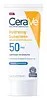 Key Ingredients
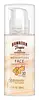
Benefits
Concerns
Ingredients Side-by-side
Titanium Dioxide 9%
Cosmetic Colorant

Zinc Oxide 7%
Cosmetic Colorant
Water
Skin ConditioningGlycerin
Humectant


C12-15 Alkyl Benzoate
AntimicrobialDimethicone
Emollient
Isododecane
EmollientStyrene/Acrylates Copolymer
Glyceryl Stearate
Emollient
Butyloctyl Salicylate
Skin Conditioning
Dicaprylyl Carbonate
EmollientPropanediol
Solvent
Stearic Acid
Cleansing
Aluminum Hydroxide
EmollientPEG-100 Stearate
Sorbitan Stearate
Emulsifying
Niacinamide
Smoothing








PEG-8 Laurate
Emulsifying
Ceramide NP
Skin Conditioning
Ceramide AP
Skin Conditioning
Ceramide EOP
Skin Conditioning
Sorbitan Isostearate
Emulsifying
Carbomer
Emulsion StabilisingCetearyl Alcohol
Emollient


Ceteareth-20
CleansingTriethoxycaprylylsilane
Dimethiconol
Emollient
Sodium Citrate
BufferingSodium Lauroyl Lactylate
EmulsifyingSodium Dodecylbenzenesulfonate
CleansingMyristic Acid
Cleansing
Sodium Hyaluronate
Humectant
Cholesterol
Emollient
Palmitic Acid
Emollient
Phenoxyethanol
Preservative
Chlorphenesin
Antimicrobial
Tocopherol
Antioxidant

Hydroxyethyl Acrylate/Sodium Acryloyldimethyl Taurate Copolymer
Emulsion StabilisingCaprylyl Glycol
Emollient
Citric Acid
Buffering

Panthenol
Skin Conditioning
Xanthan Gum
EmulsifyingPhytosphingosine
Skin Conditioning
Polyhydroxystearic Acid
Emulsifying
Polysorbate 60
Emulsifying
Ethylhexylglycerin
Skin ConditioningTitanium Dioxide 9%, Zinc Oxide 7%, Water, Glycerin, C12-15 Alkyl Benzoate, Dimethicone, Isododecane, Styrene/Acrylates Copolymer, Glyceryl Stearate, Butyloctyl Salicylate, Dicaprylyl Carbonate, Propanediol, Stearic Acid, Aluminum Hydroxide, PEG-100 Stearate, Sorbitan Stearate, Niacinamide, PEG-8 Laurate, Ceramide NP, Ceramide AP, Ceramide EOP, Sorbitan Isostearate, Carbomer, Cetearyl Alcohol, Ceteareth-20, Triethoxycaprylylsilane, Dimethiconol, Sodium Citrate, Sodium Lauroyl Lactylate, Sodium Dodecylbenzenesulfonate, Myristic Acid, Sodium Hyaluronate, Cholesterol, Palmitic Acid, Phenoxyethanol, Chlorphenesin, Tocopherol, Hydroxyethyl Acrylate/Sodium Acryloyldimethyl Taurate Copolymer, Caprylyl Glycol, Citric Acid, Panthenol, Xanthan Gum, Phytosphingosine, Polyhydroxystearic Acid, Polysorbate 60, Ethylhexylglycerin
Butyl Methoxydibenzoylmethane 2%
UV Absorber
Homosalate 5.5%
Skin Conditioning
Ethylhexyl Salicylate 4.5%
UV Absorber
Octocrylene 4%
UV Absorber

Water
Skin ConditioningIsohexadecane
EmollientDiisopropyl Adipate
EmollientC12-15 Alkyl Benzoate
AntimicrobialButylene Glycol
Humectant
Hydroxyethyl Acrylate/Sodium Acryloyldimethyl Taurate Copolymer
Emulsion StabilisingAcrylates/C12-22 Alkyl Methacrylate Copolymer
Phenoxyethanol
Preservative
Caprylyl Glycol
Emollient
Methylparaben
Preservative
Ceteth-10 Phosphate
CleansingDicetyl Phosphate
EmulsifyingParfum
Masking

Propylparaben
Preservative
Polysorbate 60
Emulsifying
Disodium EDTA
Xanthan Gum
EmulsifyingAminomethyl Propanol
BufferingMica
Cosmetic ColorantTocopheryl Acetate
Antioxidant
Aloe Barbadensis Leaf Juice
Skin Conditioning
Silk Amino Acids
HumectantSodium Ascorbyl Phosphate
Antioxidant
Colocasia Antiquorum Root Extract
Skin ConditioningMangifera Indica Fruit Extract
Skin ConditioningPassiflora Incarnata Fruit Extract
Skin ConditioningPlumeria Acutifolia Flower Extract
Skin ConditioningPsidium Guajava Fruit Extract
AstringentIron Oxides
Butyl Methoxydibenzoylmethane 2%, Homosalate 5.5%, Ethylhexyl Salicylate 4.5%, Octocrylene 4%, Water, Isohexadecane, Diisopropyl Adipate, C12-15 Alkyl Benzoate, Butylene Glycol, Hydroxyethyl Acrylate/Sodium Acryloyldimethyl Taurate Copolymer, Acrylates/C12-22 Alkyl Methacrylate Copolymer, Phenoxyethanol, Caprylyl Glycol, Methylparaben, Ceteth-10 Phosphate, Dicetyl Phosphate, Parfum, Propylparaben, Polysorbate 60, Disodium EDTA, Xanthan Gum, Aminomethyl Propanol, Mica, Tocopheryl Acetate, Aloe Barbadensis Leaf Juice, Silk Amino Acids, Sodium Ascorbyl Phosphate, Colocasia Antiquorum Root Extract, Mangifera Indica Fruit Extract, Passiflora Incarnata Fruit Extract, Plumeria Acutifolia Flower Extract, Psidium Guajava Fruit Extract, Iron Oxides
Reviews
Ingredients Explained
These ingredients are found in both products.
Ingredients higher up in an ingredient list are typically present in a larger amount.
C12-15 Alkyl Benzoate is made up of Benzoic Acid and long chain alcohols. It has a low molecular weight.
C12-15 Alkyl Benzoate is an emollient and texture enhancer. Due to its solubility, it is often used in sunscreens to help evenly distribute active ingredients.
As an emollient, C12-15 Alkyl Benzoate helps soften and hydrate your skin. Emollients create a film on your skin that traps moisture within.
This ingredient has been reported to cause eye irritation.
Learn more about C12-15 Alkyl BenzoateCaprylyl Glycol is a humectant, skin conditioner, emollient, and preservative booster derived from either caprylic acid or synthetically created.
Typical use levels vary from 0.3-1% as a preservative booster and go up to 2% to condition skin.
Because it is not a free-fatty acid or alcohol, this ingredient is fungal acne safe (there's nothing for Malassezia to feed on).
Learn more about Caprylyl GlycolThis is a synthetic polymer. It helps improve the texture of products by adding thickness and gel-like feel.
It is also an emulsifer, meaning it prevents ingredients such as oil and water from separating. It also helps evenly disperse other ingredients.
Phenoxyethanol is a preservative that has germicide, antimicrobial, and aromatic properties. Studies show that phenoxyethanol can prevent microbial growth. By itself, it has a scent that is similar to that of a rose.
It's often used in formulations along with Caprylyl Glycol to preserve the shelf life of products.
Polysorbate 60 is used to help stabilize products. It is a surfactant and emulsifier. These properties help keep ingredients together in a product. Surfactants help reduce surface tension between ingredients with different states, such as liquids and solids. Emulsifiers help prevent oils and waters from separating.
Polysorbate 60 is sorbitol-based and created from the ethoxylation of sorbitan. Ethoxylation is a chemical reaction used to add ethylene oxide. Sorbitan is a the dehydrated version of sorbitol, a sugar found in fruits.
In this case, the 60 comes from reacting 60 units of ethylene oxide with sorbitan.
Polysorbates are commonly used in medicine and foods.
Learn more about Polysorbate 60Water. It's the most common cosmetic ingredient of all. You'll usually see it at the top of ingredient lists, meaning that it makes up the largest part of the product.
So why is it so popular? Water most often acts as a solvent - this means that it helps dissolve other ingredients into the formulation.
You'll also recognize water as that liquid we all need to stay alive. If you see this, drink a glass of water. Remember to stay hydrated!
Learn more about WaterXanthan gum is used as a stabilizer and thickener within cosmetic products. It helps give products a sticky, thick feeling - preventing them from being too runny.
On the technical side of things, xanthan gum is a polysaccharide - a combination consisting of multiple sugar molecules bonded together.
Xanthan gum is a pretty common and great ingredient. It is a natural, non-toxic, non-irritating ingredient that is also commonly used in food products.
Learn more about Xanthan Gum
