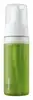
This salicylic acid foaming cleanser is formulated around Salicylic Acid to clear breakouts and unclog pores.
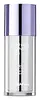
This calming serum is formulated around Niacinamide and Bakuchiol to calm redness and strengthen the skin barrier.

What's inside
What's inside
 Key Ingredients
Benefits
Concerns
Ingredients Side-by-side
Morinda Citrifolia Extract 35.511%
AstringentWater
Skin ConditioningCocamidopropyl Betaine
Cleansing



Butylene Glycol
Humectant

Glycerin
Humectant
Potassium Cocoyl Glycinate
Surfactant
Lauramide DEA
Foam BoostingSodium Chloride
MaskingDisodium Cocoamphodiacetate
CleansingSodium Cocoyl Glutamate
Cleansing
Panthenol
Skin Conditioning

1,2-Hexanediol
Skin Conditioning
Methylpropanediol
SolventAllantoin
Skin Conditioning
Salicylic Acid
Masking







Caprylyl Glycol
Emollient
Sodium Benzoate
Masking
Dipotassium Glycyrrhizate
Humectant
Rosmarinus Officinalis Leaf Oil
Masking
Salix Alba Bark Extract
Astringent
Camellia Sinensis Leaf Extract
Antimicrobial

Centella Asiatica Leaf Extract
Skin Conditioning
Cladosiphon Okamuranus Extract
Skin Conditioning
Decyl Glucoside
Cleansing
Buteth-3
SolventPiroctone Olamine
Preservative
Disodium EDTA
ChelatingCitric Acid
Buffering
Melia Azadirachta Leaf Extract
Skin ConditioningCoffea Arabica Seed Extract
Masking
Sodium Benzotriazolyl Butylphenol Sulfonate
UV AbsorberMelia Azadirachta Flower Extract
Skin ConditioningPrunus Mume Fruit Extract
Humectant
Lonicera Japonica Flower Extract
Skin ConditioningScutellaria Baicalensis Root Extract
Astringent
Citrus Aurantium Bergamia Leaf Extract
AstringentPinus Densiflora Leaf Extract
Antimicrobial
Tributyl Citrate
SolventTheobroma Cacao Extract
Skin ConditioningDextrin
AbsorbentPinus Palustris Leaf Extract
TonicUlmus Davidiana Root Extract
Skin Conditioning
Oenothera Biennis Flower Extract
AstringentPueraria Lobata Root Extract
HumectantMorinda Citrifolia Extract 35.511%, Water, Cocamidopropyl Betaine, Butylene Glycol, Glycerin, Potassium Cocoyl Glycinate, Lauramide DEA, Sodium Chloride, Disodium Cocoamphodiacetate, Sodium Cocoyl Glutamate, Panthenol, 1,2-Hexanediol, Methylpropanediol, Allantoin, Salicylic Acid, Caprylyl Glycol, Sodium Benzoate, Dipotassium Glycyrrhizate, Rosmarinus Officinalis Leaf Oil, Salix Alba Bark Extract, Camellia Sinensis Leaf Extract, Centella Asiatica Leaf Extract, Cladosiphon Okamuranus Extract, Decyl Glucoside, Buteth-3, Piroctone Olamine, Disodium EDTA, Citric Acid, Melia Azadirachta Leaf Extract, Coffea Arabica Seed Extract, Sodium Benzotriazolyl Butylphenol Sulfonate, Melia Azadirachta Flower Extract, Prunus Mume Fruit Extract, Lonicera Japonica Flower Extract, Scutellaria Baicalensis Root Extract, Citrus Aurantium Bergamia Leaf Extract, Pinus Densiflora Leaf Extract, Tributyl Citrate, Theobroma Cacao Extract, Dextrin, Pinus Palustris Leaf Extract, Ulmus Davidiana Root Extract, Oenothera Biennis Flower Extract, Pueraria Lobata Root Extract
Water
Skin ConditioningCaprylic/Capric Triglyceride
Masking
Butylene Glycol
Humectant
Methyl Trimethicone
Skin Conditioning
Niacinamide
Smoothing
Glycerin
Humectant
Bakuchiol
Antimicrobial
Panthenol
Skin Conditioning
Propanediol
Solvent
Lauryl Glucoside
CleansingPolyacrylate Crosspolymer-6
Emulsion StabilisingPolyglyceryl-6 Laurate
Emulsifying
Hydroxyethyl Acrylate/Sodium Acryloyldimethyl Taurate Copolymer
Emulsion StabilisingMyristyl Glucoside
CleansingCaprylyl Glycol
Emollient
Potassium Cetyl Phosphate
EmulsifyingEthylhexylglycerin
Skin ConditioningAdenosine
Skin Conditioning
Parfum
Masking

1,2-Hexanediol
Skin Conditioning
Sorbitan Isostearate
Emulsifying
Malt Extract
Skin ProtectingCopper Tripeptide-1
Skin Conditioning
Palmitoyl Tripeptide-1
Skin Conditioning
Perilla Ocymoides Leaf Extract
TonicEucalyptus Globulus Leaf Extract
Perfuming
Hydrogenated Lecithin
Emulsifying
Sodium Guaiazulene Sulfonate
SurfactantArginine
Masking
Sodium Surfactin
CleansingDisodium EDTA
ChelatingSodium Polyacryloyldimethyl Taurate
Emulsion StabilisingFerulic Acid
Antimicrobial
Glutathione
Glycine
Buffering
Serine
Masking
Aspartic Acid
Masking
Glutamic Acid
Humectant
Leucine
Skin ConditioningAlanine
Masking
Lysine
Skin ConditioningProline
Skin Conditioning
Phenylalanine
Masking
Threonine
Valine
MaskingIsoleucine
Skin ConditioningTyrosine
MaskingHistidine
Humectant
Cysteine
Antioxidant
Methionine
Skin ConditioningWater, Caprylic/Capric Triglyceride, Butylene Glycol, Methyl Trimethicone, Niacinamide, Glycerin, Bakuchiol, Panthenol, Propanediol, Lauryl Glucoside, Polyacrylate Crosspolymer-6, Polyglyceryl-6 Laurate, Hydroxyethyl Acrylate/Sodium Acryloyldimethyl Taurate Copolymer, Myristyl Glucoside, Caprylyl Glycol, Potassium Cetyl Phosphate, Ethylhexylglycerin, Adenosine, Parfum, 1,2-Hexanediol, Sorbitan Isostearate, Malt Extract, Copper Tripeptide-1, Palmitoyl Tripeptide-1, Perilla Ocymoides Leaf Extract, Eucalyptus Globulus Leaf Extract, Hydrogenated Lecithin, Sodium Guaiazulene Sulfonate, Arginine, Sodium Surfactin, Disodium EDTA, Sodium Polyacryloyldimethyl Taurate, Ferulic Acid, Glutathione, Glycine, Serine, Aspartic Acid, Glutamic Acid, Leucine, Alanine, Lysine, Proline, Phenylalanine, Threonine, Valine, Isoleucine, Tyrosine, Histidine, Cysteine, Methionine
Reviews
Ingredients Explained
These ingredients are found in both products.
Ingredients higher up in an ingredient list are typically present in a larger amount.
1,2-Hexanediol is a synthetic liquid and another multi-functional powerhouse.
It is a:
- Humectant, drawing moisture into the skin
- Emollient, helping to soften skin
- Solvent, dispersing and stabilizing formulas
- Preservative booster, enhancing the antimicrobial activity of other preservatives
Butylene Glycol (or BG) is used within cosmetic products for a few different reasons:
Overall, Butylene Glycol is a safe and well-rounded ingredient that works well with other ingredients.
Though this ingredient works well with most skin types, some people with sensitive skin may experience a reaction such as allergic rashes, closed comedones, or itchiness.
Learn more about Butylene GlycolCaprylyl Glycol is a humectant, skin conditioner, emollient, and preservative booster derived from either caprylic acid or synthetically created.
Typical use levels vary from 0.3-1% as a preservative booster and go up to 2% to condition skin.
Because it is not a free-fatty acid, this ingredient is fungal acne safe (there's nothing for Malassezia to feed on).
Learn more about Caprylyl GlycolDisodium EDTA is a chelating agent. It grabs onto and deactivates metal ions that sneak into your products from water, packaging, or air.
This ingredient mainly works behind the scenes and helps with:
On top of that, this ingredient can counteract the effects of hard water by binding to the minerals in it.
One thing worth knowing is that Disodium EDTA has been shown to be a mild penetration enhancer. It can help other ingredients absorb into skin more effectively which can be a double-edged sword (great for actives, but can also make the active too strong if you have sensitive skin).
Clinical patch testing showed no significant skin irritation at typical use concentrations and minimal dermal absorption.
You'll most likely see this ingredient near the end of an ingredient list. It's typically found in concentrations less than 1%.
Learn more about Disodium EDTAGlycerin (or glycerol) is a compound naturally found in your skin. It's a powerhouse humectant that pulls water into the stratum corneum.
Topically, glycerin does several things at once:
Your skin makes glycerin on its own (mostly from sebaceous oil breakdown) and shuttles it to your outermost layer of skin, or your epidermis, via aquaporin-3.
Aquaporin-3 is a transporter that is essential for normal skin hydration, elasticity, and repair. Interestingly, mice lacking in AQP3 have dry and less elastic skin that can be fully corrected with glycerin.
This ingredient is non-irritating, plays well with almost every ingredient, and works across all skin types. Typical use is anywhere between 3-10% but can go up to 79% in some leave-on products.
Just know very high concentrations (>40%) can feel tacky in low humidity.
Glycerin is the name for this ingredient in American English. British English uses Glycerol/Glycerine.
Learn more about GlycerinPanthenol is a common ingredient that helps hydrate and soothe the skin. It is found naturally in our skin and hair.
There are two forms of panthenol: D and L.
D-panthenol is also known as dexpanthenol. Most cosmetics use dexpanthenol or a mixture of D and L-panthenol.
Panthenol is famous due to its ability to go deeper into the skin's layers. Using this ingredient has numerous pros (and no cons):
Like hyaluronic acid, panthenol is a humectant. Humectants are able to bind and hold large amounts of water to keep skin hydrated.
This ingredient works well for wound healing. It works by increasing tissue in the wound and helps close open wounds.
Once oxidized, panthenol converts to pantothenic acid. Panthothenic acid is found in all living cells.
This ingredient is also referred to as pro-vitamin B5.
Learn more about PanthenolWater. It's the most common cosmetic ingredient of all. You'll usually see it at the top of ingredient lists, meaning that it makes up the largest part of the product.
So why is it so popular? Water most often acts as a solvent - this means that it helps dissolve other ingredients into the formulation.
You'll also recognize water as that liquid we all need to stay alive. If you see this, drink a glass of water. Remember to stay hydrated!
Learn more about Water

