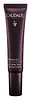
This anti-aging eye moisturizer is formulated around Palmitoyl Grapevine Shoot Extract and Hydrolyzed Hyaluronic Acid to soften the look of wrinkles and brighten dull-looking skin.
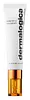
This brightening eye moisturizer is formulated around Aminopropyl Ascorbyl Phosphate and Ascorbyl Methylsilanol Pectinate to brighten dull-looking skin and soften the look of wrinkles.


What's inside
What's inside
 Key Ingredients
Benefits
Concerns
Ingredients Side-by-side
Water
Skin ConditioningMica
Cosmetic ColorantCoco-Caprylate/Caprate
Emollient
Ethylhexyl Stearate
Emollient




Glycerin
Humectant


Butylene Glycol
Humectant
Bis-Behenyl/Isostearyl/Phytosteryl Dimer Dilinoleyl Dimer Dilinoleate
EmollientZea Mays Starch
Absorbent
Pentylene Glycol
Skin Conditioning
Propanediol
Solvent
Cetearyl Alcohol
Emollient
Cetearyl Glucoside
Emulsifying
Persea Gratissima Oil
Skin Conditioning
Hydrogenated Olive Oil Stearyl Esters
Emulsion Stabilising
Palmitoyl Grapevine Shoot Extract
Antioxidant


Palmitoyl Grape Seed Extract
Skin ConditioningCaprylic/Capric Triglyceride
Masking
Oleic Acid
Emollient
Hydrogenated Avocado Oil
Skin Conditioning
Potassium Cetyl Phosphate
EmulsifyingTocopheryl Acetate
Antioxidant
Carbomer
Emulsion StabilisingCI 77891
Cosmetic ColorantTerminalia Arjuna Extract
Skin ConditioningXanthan Gum
EmulsifyingHelianthus Annuus Seed Oil
Emollient
Sodium Dehydroacetate
Preservative
CI 77491
Cosmetic ColorantHydrolyzed Hyaluronic Acid
Humectant

Magnolia Officinalis Bark Extract
Antimicrobial
Tocopherol
Antioxidant
Adenosine
Skin Conditioning
Lecithin
Emollient
Sodium Phytate
ChelatingGleditsia Triacanthos Seed Extract
Caprylyl Glycol
Emollient
Aniba Rosodora Wood Extract
MaskingWater, Mica, Coco-Caprylate/Caprate, Ethylhexyl Stearate, Glycerin, Butylene Glycol, Bis-Behenyl/Isostearyl/Phytosteryl Dimer Dilinoleyl Dimer Dilinoleate, Zea Mays Starch, Pentylene Glycol, Propanediol, Cetearyl Alcohol, Cetearyl Glucoside, Persea Gratissima Oil, Hydrogenated Olive Oil Stearyl Esters, Palmitoyl Grapevine Shoot Extract, Palmitoyl Grape Seed Extract, Caprylic/Capric Triglyceride, Oleic Acid, Hydrogenated Avocado Oil, Potassium Cetyl Phosphate, Tocopheryl Acetate, Carbomer, CI 77891, Terminalia Arjuna Extract, Xanthan Gum, Helianthus Annuus Seed Oil, Sodium Dehydroacetate, CI 77491, Hydrolyzed Hyaluronic Acid, Magnolia Officinalis Bark Extract, Tocopherol, Adenosine, Lecithin, Sodium Phytate, Gleditsia Triacanthos Seed Extract, Caprylyl Glycol, Aniba Rosodora Wood Extract
Water
Skin ConditioningButylene Glycol
Humectant
Propanediol
Solvent
Glycerin
Humectant
C15-19 Alkane
SolventSalvia Hispanica Seed Oil
Emollient
Sodium PCA
Humectant
Trehalose
Humectant
Poria Cocos Polysaccharide
Skin ConditioningPapain
Skin Conditioning
Dunaliella Salina Extract
Skin ConditioningAminopropyl Ascorbyl Phosphate
Antioxidant

Terminalia Arjuna Extract
Skin ConditioningTremella Fuciformis Sporocarp Extract
Antioxidant
Ascorbyl Methylsilanol Pectinate
Antioxidant
Palmitoyl Tripeptide-5
Skin Conditioning
Sodium Hyaluronate
Humectant
Phytosterols
Skin Conditioning
Algin
MaskingCitrus Grandis Peel Oil
Masking



Phytosteryl Oleate
Skin ConditioningTocopherol
Antioxidant
Serine
Masking
Oleic Acid
Emollient
Inositol
Humectant
Helianthus Annuus Seed Oil
Emollient
Betaine
Humectant
Carrageenan
Panthenol
Skin Conditioning
Dipotassium Glycyrrhizate
Humectant
Methylpropanediol
SolventProline
Skin Conditioning
Xylitol
Humectant
Calcium Gluconate
HumectantPantolactone
Humectant
Lecithin
Emollient
Xanthan Gum
EmulsifyingPentylene Glycol
Skin Conditioning
Aminomethyl Propanol
BufferingCaprylyl Glycol
Emollient
Polyacrylate-13
Acrylates/C10-30 Alkyl Acrylate Crosspolymer
Emulsion StabilisingTetrasodium Glutamate Diacetate
ChelatingPolyisobutene
Ethylhexylglycerin
Skin ConditioningSodium Benzoate
Masking
Citric Acid
Buffering
Gluconolactone
Chelating

Polysorbate 20
Emulsifying
Potassium Sorbate
Preservative
Carbomer
Emulsion Stabilising1,2-Hexanediol
Skin Conditioning
Sodium Hydroxide
BufferingLimonene
Perfuming
Phenoxyethanol
Preservative
Water, Butylene Glycol, Propanediol, Glycerin, C15-19 Alkane, Salvia Hispanica Seed Oil, Sodium PCA, Trehalose, Poria Cocos Polysaccharide, Papain, Dunaliella Salina Extract, Aminopropyl Ascorbyl Phosphate, Terminalia Arjuna Extract, Tremella Fuciformis Sporocarp Extract, Ascorbyl Methylsilanol Pectinate, Palmitoyl Tripeptide-5, Sodium Hyaluronate, Phytosterols, Algin, Citrus Grandis Peel Oil, Phytosteryl Oleate, Tocopherol, Serine, Oleic Acid, Inositol, Helianthus Annuus Seed Oil, Betaine, Carrageenan, Panthenol, Dipotassium Glycyrrhizate, Methylpropanediol, Proline, Xylitol, Calcium Gluconate, Pantolactone, Lecithin, Xanthan Gum, Pentylene Glycol, Aminomethyl Propanol, Caprylyl Glycol, Polyacrylate-13, Acrylates/C10-30 Alkyl Acrylate Crosspolymer, Tetrasodium Glutamate Diacetate, Polyisobutene, Ethylhexylglycerin, Sodium Benzoate, Citric Acid, Gluconolactone, Polysorbate 20, Potassium Sorbate, Carbomer, 1,2-Hexanediol, Sodium Hydroxide, Limonene, Phenoxyethanol
Reviews
Ingredients Explained
These ingredients are found in both products.
Ingredients higher up in an ingredient list are typically present in a larger amount.
Butylene Glycol (or BG) is used within cosmetic products for a few different reasons:
Overall, Butylene Glycol is a safe and well-rounded ingredient that works well with other ingredients.
Though this ingredient works well with most skin types, some people with sensitive skin may experience a reaction such as allergic rashes, closed comedones, or itchiness.
Learn more about Butylene GlycolCaprylyl Glycol is a humectant, skin conditioner, emollient, and preservative booster derived from either caprylic acid or synthetically created.
Typical use levels vary from 0.3-1% as a preservative booster and go up to 2% to condition skin.
Because it is not a free-fatty acid, this ingredient is fungal acne safe (there's nothing for Malassezia to feed on).
Learn more about Caprylyl GlycolCarbomer is a synthetic thickening and gelling agent. It's basically the ingredient that gives a lot of serums, gels, creams, and sunscreens their smooth, non-sticky texture.
Although legally permitted at very high levels, carbomers are normally used at concentrations below 1%.
It also needs to be neutralized to actually thicken, and because it is a large molecule, it doesn't really penetrate the skin barrier.
Allergy-wise, the risk is very low. Clinical studies show carbomers have low potential for skin irritation/sensitization even at concentrations up to 100%.
A 2024 UK study patch-tested 1,302 patients and found true allergy to the parent group of carbomer to be rare with no confirmed relevant reactions.
Learn more about CarbomerGlycerin (or glycerol) is a compound naturally found in your skin. It's a powerhouse humectant that pulls water into the stratum corneum.
Topically, glycerin does several things at once:
Your skin makes glycerin on its own (mostly from sebaceous oil breakdown) and shuttles it to your outermost layer of skin, or your epidermis, via aquaporin-3.
Aquaporin-3 is a transporter that is essential for normal skin hydration, elasticity, and repair. Interestingly, mice lacking in AQP3 have dry and less elastic skin that can be fully corrected with glycerin.
This ingredient is non-irritating, plays well with almost every ingredient, and works across all skin types. Typical use is anywhere between 3-10% but can go up to 79% in some leave-on products.
Just know very high concentrations (>40%) can feel tacky in low humidity.
Glycerin is the name for this ingredient in American English. British English uses Glycerol/Glycerine.
Learn more about GlycerinHelianthus Annuus Seed Oil is a plant oil derived from the seeds of a sunflower.
It is rich in fatty acids, primarily linoleic acid and oleic acid. This gives it emollient and skin conditioning properties.
The reason this ingredient is so effective is because it forms a thin film on the skin that reduces transepidermal water loss (TEWL) while supplying linoleic acid to the stratum corneum to improve barrier strength.
The high linoleic acid content is particularly noteworthy for acne-prone skin.
Research suggests that acne-prone skin tends to be deficient in linoleic acid in sebum. Topical application may help replenish this to support a healthier follicular environment and less comedone-promoting sebum.
One randomized study found sunflower seed oil preserved skin barrier integrity in adult volunteers with and without atopic dermatitis (outperforming olive oil).
This ingredient is well-studied, gentle, and an effective emollient suitable for most skin types.
On fungal acne: This ingredient may not be Fungal acne (Malassezia folliculitis) safe. This is because it contains fatty acids with carbon chain lengths in the C11-C24 range.
Learn more about Helianthus Annuus Seed OilLecithin is a term for a group of substances found in the cell membranes of plants, animals, and humans. They are made up of phospholipids.
Thanks to its amphiphilic structure (water-loving head and oil-loving tail), it is a true multitasker:
It plays well with most ingredients and is typically used at 0.1-1%. However, concentrations up to 50% have been reported in moisturizers.
Learn more about LecithinOleic Acid is an Omega-9 fatty acid that can be found naturally in your skin's sebum and in many plant oils such as avocado and olive oil.
It is an emollient that helps soften skin and prevent moisture loss.
Research shows:
A 1998 study did find that applying oleic acid at higher concentrations may cause irritation and disrupt the skin barrier. Modern formulations typically use low levels that is well-tolerated.
The culprit behind fungal acne, the Malassezia yeast, feeds on fatty acids with carbon chain lengths between C11-C24. Oleic Acid, at C18, falls right into that sweet spot.
In vitro studies have shown that Oleic Acid is one of the fatty acids that induce rapid Malassezia growth in lab settings.
Oleic Acid is widely listed with a comedogenic rating but no published study has ever actually assigned it one.
The 0 to 5 scale everyone quotes comes from Fulton's 1989 survey in the Journal of the Society of Cosmetic Chemists and Oleic Acid does not appear in his fatty acid tables at all; what he did test were related ingredients built from it, like Decyl Oleate and Oleyl Alcohol (which did get ratings).
Somewhere along the way people seem to have borrowed those numbers for Oleic Acid itself.
So why is it considered comedogenic? Oleic Acid has been studied. Researchers in 1971 and 1983 applied it to rabbit ears (the standard test back then) and it did clog pores. The 1983 study also found something useful: oxidized Oleic Acid, meaning the kind that's gone rancid, clogged pores noticeably more than fresh Oleic Acid did.
It's just worth keeping in mind that these tests used rabbit skin which reacts more easily than ours. They also used much higher concentrations than you'd ever find in a real product.
A 2006 study on actual people found finished products made with comedogenic ingredients often turn out not to be comedogenic at all. As always, listen to your skin.
Learn more about Oleic AcidPentylene Glycol (1,2-pentanediol) is a multitasking little diol with three main roles in a formula:
Research on alkanediols (the family pentylene glycol belongs to) show they work by disrupting microbial cell membranes. This disruption helps the primary preservative system in a product work more effectively at lower doses.
On the safety side, the Cosmetic Ingredient Review Expert Panel has concluded this ingredient to be safe as used in current cosmetic practices + concentrations.
Typical use levels in a formula run about 1-5%.
Learn more about Pentylene GlycolPropanediol is an all-star ingredient. It softens, hydrates, and smooths the skin.
It’s often used to:
Propanediol is not likely to cause sensitivity and considered safe to use. It is derived from corn or petroleum with a clear color and no scent.
Learn more about PropanediolWe don't have a description for Terminalia Arjuna Extract yet.
Tocopherol is a fat-soluble antioxidant known as Vitamin E.
You'll find this ingredient in the vast majority of skincare (for good reason). It works to neutralize free radicals, or unstable molecules generated by UV exposure, pollution, and other environmental stressors, before they can cause oxidative damage to your skin cells.
Topically applied tocopherol has been shown to protect against UV damage by ramping up the skin's own natural defense enzymes.
It also acts as a skin conditioning agent; some studies show that regular topical use can improve the skin's water-binding capacity over 2-4 weeks.
This ingredient is especially loved for being a team player. When combined with Vitamin C, the photoprotective effect of both ingredients roughly doubles and the combo also helps reduce UV-induced DNA damage.
This ingredient has some brightening potential but it's more of a prevention ingredient than spot-fader. Cell studies show it can slow down melanin production but it's worth noting that it's not the most powerful brightener out there.
In formulations, it also serves as a stabilizer that helps protect other oxidation-prone ingredients from degrading.
Concentrations usually range from 0.1-1% in most leave-on products.
Learn more about TocopherolWater. It's the most common cosmetic ingredient of all. You'll usually see it at the top of ingredient lists, meaning that it makes up the largest part of the product.
So why is it so popular? Water most often acts as a solvent - this means that it helps dissolve other ingredients into the formulation.
You'll also recognize water as that liquid we all need to stay alive. If you see this, drink a glass of water. Remember to stay hydrated!
Learn more about WaterXanthan gum is used as a stabilizer and thickener within cosmetic products. It helps give products a sticky, thick feeling - preventing them from being too runny.
On the technical side of things, xanthan gum is a polysaccharide - a combination consisting of multiple sugar molecules bonded together.
Xanthan gum is a pretty common and great ingredient. It is a natural, non-toxic, non-irritating ingredient that is also commonly used in food products.
Learn more about Xanthan Gum

