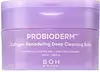
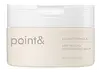
BOH Bio Heal Probioderm Collagen Remodeling Deep Cleansing Balm Versus Point& Deep Melting Soy Cleansing Balm
This oil-based makeup remover is made to dissolve makeup, sunscreen, and daily buildup.
This oil-based cleanser is made to cleanse while calming and soothing your skin.

What's inside
What's inside
 Key Ingredients
Benefits
Concerns
Ingredients Side-by-side
Glycine Soja Oil
Emollient








C12-15 Alkyl Benzoate
AntimicrobialPEG-20 Glyceryl Triisostearate
Emollient
Polyethylene
Abrasive
Citrus Limon Seed Oil
Masking
PEG-8 Diisostearate
Emulsifying
Collagen
Moisturising
Hydrolyzed Collagen
Emollient
Citrus Aurantium Dulcis Peel Oil
Masking
Eclipta Prostrata Extract
Skin Conditioning
Cymbopogon Martini Oil
Masking
Water
Skin ConditioningMelia Azadirachta Leaf Extract
Skin ConditioningGluconolactone
Chelating






Capryloyl Salicylic Acid
Exfoliating
Moringa Oleifera Seed Oil
Emollient
Lactobacillus Ferment
Skin Conditioning

Glycolic Acid
Buffering

Butylene Glycol
Humectant
Ceramide AP
Skin Conditioning
1,2-Hexanediol
Skin Conditioning
Panthenol
Skin Conditioning
Glycerin
Humectant
Sodium Hyaluronate
Humectant
Polyglyceryl-10 Laurate
Skin Conditioning
Caprylyl Glycol
Emollient
Diospyros Kaki Leaf Extract
Skin Protecting
Ethylhexylglycerin
Skin ConditioningVitis Vinifera Fruit Extract
Skin ConditioningHyaluronic Acid
Humectant
Hydrolyzed Hyaluronic Acid
Humectant
Hydroxypropyltrimonium Hyaluronate
Hydrolyzed Sodium Hyaluronate
Skin Conditioning
Potassium Hyaluronate
Skin ConditioningCoffea Arabica Seed Extract
Masking
Polygonum Cuspidatum Root Extract
Antioxidant
Carthamus Tinctorius Flower Extract
Skin ConditioningCastanea Crenata Shell Extract
Skin ConditioningZanthoxylum Piperitum Fruit Extract
Skin ConditioningCamellia Sinensis Leaf Extract
Antimicrobial
Betaine
Humectant
Pentylene Glycol
Skin Conditioning
Sodium Hyaluronate Crosspolymer
Humectant
Sodium Acetylated Hyaluronate
Humectant
Fructooligosaccharides
Humectant
Copper Tripeptide-1
Skin Conditioning
Tripeptide-1
Skin Conditioning
Palmitoyl Pentapeptide-4
Skin Conditioning
Beta-Glucan
Skin Conditioning
Palmitoyl Tripeptide-1
Skin Conditioning
Hexapeptide-9
Skin Conditioning
Hexapeptide-11
Skin Conditioning
Fructan
Skin ConditioningInulin
Skin Conditioning
Limonene
Perfuming
Geraniol
Perfuming
Linalool
Perfuming
Glycine Soja Oil, C12-15 Alkyl Benzoate, PEG-20 Glyceryl Triisostearate, Polyethylene, Citrus Limon Seed Oil, PEG-8 Diisostearate, Collagen, Hydrolyzed Collagen, Citrus Aurantium Dulcis Peel Oil, Eclipta Prostrata Extract, Cymbopogon Martini Oil, Water, Melia Azadirachta Leaf Extract, Gluconolactone, Capryloyl Salicylic Acid, Moringa Oleifera Seed Oil, Lactobacillus Ferment, Glycolic Acid, Butylene Glycol, Ceramide AP, 1,2-Hexanediol, Panthenol, Glycerin, Sodium Hyaluronate, Polyglyceryl-10 Laurate, Caprylyl Glycol, Diospyros Kaki Leaf Extract, Ethylhexylglycerin, Vitis Vinifera Fruit Extract, Hyaluronic Acid, Hydrolyzed Hyaluronic Acid, Hydroxypropyltrimonium Hyaluronate, Hydrolyzed Sodium Hyaluronate, Potassium Hyaluronate, Coffea Arabica Seed Extract, Polygonum Cuspidatum Root Extract, Carthamus Tinctorius Flower Extract, Castanea Crenata Shell Extract, Zanthoxylum Piperitum Fruit Extract, Camellia Sinensis Leaf Extract, Betaine, Pentylene Glycol, Sodium Hyaluronate Crosspolymer, Sodium Acetylated Hyaluronate, Fructooligosaccharides, Copper Tripeptide-1, Tripeptide-1, Palmitoyl Pentapeptide-4, Beta-Glucan, Palmitoyl Tripeptide-1, Hexapeptide-9, Hexapeptide-11, Fructan, Inulin, Limonene, Geraniol, Linalool
Isopropyl Myristate
Emollient
Glycine Soja Seed Extract 20%
Skin Conditioning
Ethylhexyl Palmitate
Emollient
Caprylic/Capric Triglyceride
Masking
Sorbeth-30 Tetraisostearate
Emulsifying
Polyethylene
Abrasive
Moringa Oleifera Seed Oil
Emollient
Helianthus Annuus Seed Oil
Emollient
Glycine Soja Protein
EmulsifyingHydrolyzed Soy Protein
Humectant
Water
Skin ConditioningButylene Glycol
Humectant
Capryloyl Salicylic Acid
Exfoliating
Lavandula Hybrida Oil
Emollient
Citrus Limon Peel Oil
Masking

Salvia Sclarea Oil
Masking
Citrus Aurantium Dulcis Peel Oil
Masking
Pogostemon Cablin Leaf Oil
Masking
Coriandrum Sativum Fruit Oil
Masking
Elettaria Cardamomum Seed Oil
Masking
Eclipta Prostrata Extract
Skin Conditioning
Eclipta Prostrata Leaf Extract
Skin ConditioningMelia Azadirachta Leaf Extract
Skin ConditioningMelia Azadirachta Flower Extract
Skin ConditioningCoccinia Indica Fruit Extract
Skin Conditioning
Solanum Melongena Fruit Extract
Skin ConditioningAmber Powder
Ocimum Sanctum Leaf Extract
Skin ConditioningCurcuma Longa Root Extract
Antioxidant
Corallina Officinalis Extract
Skin Conditioning
Sorbitan Sesquioleate
Emulsifying
Ethylhexylglycerin
Skin ConditioningIsopropyl Myristate, Glycine Soja Seed Extract 20%, Ethylhexyl Palmitate, Caprylic/Capric Triglyceride, Sorbeth-30 Tetraisostearate, Polyethylene, Moringa Oleifera Seed Oil, Helianthus Annuus Seed Oil, Glycine Soja Protein, Hydrolyzed Soy Protein, Water, Butylene Glycol, Capryloyl Salicylic Acid, Lavandula Hybrida Oil, Citrus Limon Peel Oil, Salvia Sclarea Oil, Citrus Aurantium Dulcis Peel Oil, Pogostemon Cablin Leaf Oil, Coriandrum Sativum Fruit Oil, Elettaria Cardamomum Seed Oil, Eclipta Prostrata Extract, Eclipta Prostrata Leaf Extract, Melia Azadirachta Leaf Extract, Melia Azadirachta Flower Extract, Coccinia Indica Fruit Extract, Solanum Melongena Fruit Extract, Amber Powder, Ocimum Sanctum Leaf Extract, Curcuma Longa Root Extract, Corallina Officinalis Extract, Sorbitan Sesquioleate, Ethylhexylglycerin
Alternatives
Ingredients Explained
These ingredients are found in both products.
Ingredients higher up in an ingredient list are typically present in a larger amount.
Butylene Glycol (or BG) is used within cosmetic products for a few different reasons:
Overall, Butylene Glycol is a safe and well-rounded ingredient that works well with other ingredients.
Though this ingredient works well with most skin types, some people with sensitive skin may experience a reaction such as allergic rashes, closed comedones, or itchiness.
Learn more about Butylene GlycolCapryloyl Salicylic Acid comes from salicylic acid, the famous acne-fighting BHA.
It usually goes by a more common name of LHA, or lipohydroxy acid.
Like salicylic acid, this ingredient is a chemical exfoliant that can help break down the oil in your pores and reduce inflammation.
Though studies for LHA do show it to be less effective than salicylic acid. To be fair, salicylic acid is the reigning monarch of acne treatments.
However, a study from 2009 found LHA to be comparable to BPO, making it a good alternative for people with sensitive skin. Another study of 14 patients found a significant decrease in comedones after using LHA.
Another pro of LHA? It is less irritating than salicylic acid due to its large molecule size.
Large molecules cannot penetrate skin as well, so they are gentler on the skin. LHA is much less penetrative than salicylic acid.
An in-vitro study (not done on a living organism) found only 6% of LHA penetrated past the statum corneum compared to 58% of salicylic acid. An in-vivo (done on a living organism) analysis revealed ~17% of LHA was still present in the top layer of skin after 4 days, versus ~9% of salicylic acid.
Interestingly, a study from 2008 found LHA comparable to another famous acid, glycolic acid.
This study found about 10% of LHA is as effective as 20-50% of glycolic acid in treating hyperpigmentation and fine-lines.
Hydroxy acids have been found to stimulate skin protein, lipids, and thermal thickening. This may have anti-aging benefits.
Learn more about Capryloyl Salicylic AcidCitrus Aurantium Dulcis Peel Oil is oil from the peel of an orange fruit.
Limonene and linalool make up the majority of oils from citrus peels. Limonene has a "citrus" fragrance. Citrus peels also contain flavonoids, which have anti-inflammatory properties.
Citrus peel is also a rich source of flavonoids. Flavonoids are natural antioxidants and help protect your skin against damage. Flavonoids are a group of compounds naturally found in vegetables and fruits.
The term 'fragrance' is not regulated in many countries. In many cases, it is up to the brand to define this term. For instance, many brands choose to label themselves as "fragrance-free" because they are not using synthetic fragrances. However, their products may still contain ingredients such as essential oils that are considered a fragrance.
Learn more about Citrus Aurantium Dulcis Peel OilThis ingredient is also known as Bhringaraj extract or False Daisy. It is a skin conditioning ingredient that keeps skin soft and hydrated.
Research shows it has antioxidant properties; lab studies have found it can protect skin cells from UV-induced damage and help suppress inflammation.
There's also some interesting research on its potential to support hair growth by promoting the growth phase of the hair cycle.
Those with an allergy to plants in the daisy family may want to patch test this ingredient. This ingredient is generally well-tolerated otherwise.
Learn more about Eclipta Prostrata ExtractEthylhexylglycerin is created from glycerin. It is a multitasker ingredient that:
The CIR Expert Panel found minimal skin absorption or sensitization of any kind in a safety assessment. Though this ingredient is considered well-tolerated, a small number of cases of allergic dermatitis have been published since 2002. Just be sure to patch test if you are unsure.
Industry-reported use ranges from 8% in rinse-off products and 2% in leave-on formulations.
Learn more about EthylhexylglycerinThis ingredient is also known as neem leaf extract. It contains natural compounds like nimbidin, quercetin, and other polyphenols that give it antibacterial, antifungal, and anti-inflammatory activity.
Lab studies have shown neem leaf extract can inhibit acne-related bacteria and help calm skin. Animal studies on wound gels using 1-3% neem leaf extract found it sped up healing without causing irritation.
A wound-healing study testing gels with the extract at 1%, 2%, and 3% concentrations and found none of them irritated the skin.
Most commercial products also use it in a similar low range (typically under 5%).
Allergy-wise, there are some case reports on neem oil causing allergic contact dermatitis so people with plant/botanical sensitivities may want to patch test first.
Learn more about Melia Azadirachta Leaf ExtractMoringa Oleifera Seed Oil is a lightweight oil from the seeds of the Moringa oleifera tree. In cosmetics, it's an emollient that forms a light film to slow water loss and soften skin.
Its fatty acid composition is dominated by oleic acid (70-78%), with smaller amounts of behenic, palmitic, and stearic acids (this profile is actually pretty similar to olive oil).
Notably, this ingredient is oxidatively stable for an oil and resists going rancid as fast as other oils.
A small, in vivo study on 32 participants found a cream with this ingredient increased skin hydration with no reported skin irritation. It also found the tocopherol content gave it some antioxidant activity as well.
Because this oil is so high in oleic acid, Malassezia can use it as a food source and this ingredient may not be fungal acne safe.
For everyone else, this ingredient is well-tolerated and nourishing with a good safety track record.
This ingredient shows up on a lot of "pore-clogging" lists but there's no real evidence behind that. It doesn't even have a comedogenic rating from an actual study; the numbers you'll find online come from blogs citing other blogs.
Ratings for other ingredients mostly come from a 1980s rabbit ear test. This test doesn't translate well to human skin or to real products because the ingredient sits at a much lower percentage.
Some people still find it breaks them out. So if that's you, definitely trust your skin.
Learn more about Moringa Oleifera Seed OilPolyethylene is a synthetic ingredient that helps the skin retain moisture. It is a polymer.
It is also typically used within product formulations to help bind solid ingredients together and thicken oil-based ingredients. When added to balms and emulsions, it helps increase the melting point temperature.
Water. It's the most common cosmetic ingredient of all. You'll usually see it at the top of ingredient lists, meaning that it makes up the largest part of the product.
So why is it so popular? Water most often acts as a solvent - this means that it helps dissolve other ingredients into the formulation.
You'll also recognize water as that liquid we all need to stay alive. If you see this, drink a glass of water. Remember to stay hydrated!
Learn more about Water

