
What's inside
What's inside
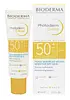 Key Ingredients
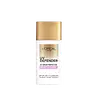
Benefits
Concerns
No concerns
Ingredients Side-by-side
Water
Skin ConditioningDiethylamino Hydroxybenzoyl Hexyl Benzoate
UV Filter
Homosalate
Skin Conditioning
Diisopropyl Sebacate
EmollientBis-Ethylhexyloxyphenol Methoxyphenyl Triazine
Skin Conditioning
Dibutyl Adipate
EmollientPropanediol
Solvent

Ethylhexyl Salicylate
UV Absorber
Ethylhexyl Triazone
UV Absorber
Glycerin
Humectant
Silica
Abrasive


CI 77891
Cosmetic ColorantSucrose Laurate
Emollient
Undecane
EmollientC20-22 Alkyl Phosphate
EmulsifyingSodium Stearoyl Glutamate
CleansingC20-22 Alcohols
Emulsion Stabilising
Sodium Polyacrylate
Absorbent
Tridecane
Perfuming
Capryloyl Glycine
CleansingSodium Hydroxide
BufferingSodium Citrate
BufferingCaprylyl Glycol
Emollient
Ectoin
Skin Conditioning



Mannitol
Humectant
Xylitol
Humectant
Rhamnose
HumectantSodium Lauroyl Glutamate
Lysine
Skin ConditioningMagnesium Chloride
Fructooligosaccharides
Humectant
Caprylic/Capric Triglyceride
Masking
Tocopherol
Antioxidant



Helianthus Annuus Seed Oil
Emollient
Laminaria Ochroleuca Extract
Skin Conditioning
Water, Diethylamino Hydroxybenzoyl Hexyl Benzoate, Homosalate, Diisopropyl Sebacate, Bis-Ethylhexyloxyphenol Methoxyphenyl Triazine, Dibutyl Adipate, Propanediol, Ethylhexyl Salicylate, Ethylhexyl Triazone, Glycerin, Silica, CI 77891, Sucrose Laurate, Undecane, C20-22 Alkyl Phosphate, Sodium Stearoyl Glutamate, C20-22 Alcohols, Sodium Polyacrylate, Tridecane, Capryloyl Glycine, Sodium Hydroxide, Sodium Citrate, Caprylyl Glycol, Ectoin, Mannitol, Xylitol, Rhamnose, Sodium Lauroyl Glutamate, Lysine, Magnesium Chloride, Fructooligosaccharides, Caprylic/Capric Triglyceride, Tocopherol, Helianthus Annuus Seed Oil, Laminaria Ochroleuca Extract
Water
Skin ConditioningEthylhexyl Methoxycinnamate
UV Absorber
Titanium Dioxide
Cosmetic Colorant
Squalane
Emollient
Glycerin
Humectant
Drometrizole Trisiloxane
UV Absorber
Terephthalylidene Dicamphor Sulfonic Acid
UV Absorber
Propylene Glycol
Humectant

Alcohol Denat.
Antimicrobial

Triethanolamine
BufferingDipropylene Glycol
HumectantMica
Cosmetic ColorantStearic Acid
Cleansing
Potassium Cetyl Phosphate
EmulsifyingTocopherol
Antioxidant
Nylon-12
CI 77891
Cosmetic ColorantNiacinamide
Smoothing


Sodium Cocoyl Sarcosinate
Cleansing
Sodium Chloride
MaskingPhenoxyethanol
Preservative
Diethylamino Hydroxybenzoyl Hexyl Benzoate
UV Filter
Paeonia Suffruticosa Root Extract
Skin ProtectingThermus Thermophillus Ferment
Skin ConditioningPEG-100 Stearate
Ethylhexyl Triazone
UV Absorber
Trisodium Ethylenediamine Disuccinate
Palmitic Acid
Emollient
Polysorbate 80
Emulsifying
Limonene
Perfuming
Xanthan Gum
EmulsifyingLinalool
Perfuming
Tromethamine
BufferingIsohexadecane
EmollientCaprylyl Glycol
Emollient
Alpha-Isomethyl Ionone
Perfuming
CI 77120
Cosmetic ColorantCarbomer
Emulsion StabilisingAcrylamide/Sodium Acryloyldimethyltaurate Copolymer
Emulsion StabilisingMyristic Acid
Cleansing
Sorbitan Oleate
Emulsifying
Bis-Ethylhexyloxyphenol Methoxyphenyl Triazine
Skin Conditioning
Cetyl Alcohol
Emollient
Butylene Glycol
Humectant
BHT
Antioxidant
Butyrospermum Parkii Seedcake Extract
Skin Protecting
Potassium Sorbate
Preservative
Aluminum Hydroxide
EmollientHexyl Cinnamal
Perfuming
Glyceryl Stearate
Emollient
Parfum
Masking
Water, Ethylhexyl Methoxycinnamate, Titanium Dioxide, Squalane, Glycerin, Drometrizole Trisiloxane, Terephthalylidene Dicamphor Sulfonic Acid, Propylene Glycol, Alcohol Denat., Triethanolamine, Dipropylene Glycol, Mica, Stearic Acid, Potassium Cetyl Phosphate, Tocopherol, Nylon-12, CI 77891, Niacinamide, Sodium Cocoyl Sarcosinate, Sodium Chloride, Phenoxyethanol, Diethylamino Hydroxybenzoyl Hexyl Benzoate, Paeonia Suffruticosa Root Extract, Thermus Thermophillus Ferment, PEG-100 Stearate, Ethylhexyl Triazone, Trisodium Ethylenediamine Disuccinate, Palmitic Acid, Polysorbate 80, Limonene, Xanthan Gum, Linalool, Tromethamine, Isohexadecane, Caprylyl Glycol, Alpha-Isomethyl Ionone, CI 77120, Carbomer, Acrylamide/Sodium Acryloyldimethyltaurate Copolymer, Myristic Acid, Sorbitan Oleate, Bis-Ethylhexyloxyphenol Methoxyphenyl Triazine, Cetyl Alcohol, Butylene Glycol, BHT, Butyrospermum Parkii Seedcake Extract, Potassium Sorbate, Aluminum Hydroxide, Hexyl Cinnamal, Glyceryl Stearate, Parfum
Reviews
Ingredients Explained
These ingredients are found in both products.
Ingredients higher up in an ingredient list are typically present in a larger amount.
You might know this ingredient as Tinosorb S or Bemotrizinol. It is a UV filter that covers both UVA and UVB rays.
This ingredient has two peak UV absorption peaks ( 310 and 340 nm) and is able to absorb both UV-A and UV-B rays. This ingredient works by preventing UV rays from reaching and damaging your skin.
On top of that - it is highly photostable and helps prevent the photodegration of other sunscreen ingredients such as avobenzone.
Tinosorb S is allowed in the EU, Australia, and Asia. It is close to being approved by the FDA and we'll hopefully get this ingredient in the U.S. by late 2026.
Fun fact: Tinosorb S is the most effective UV absorber at maximum concentration (measured by SPF) permitted in the EU.
This ingredient is oil-soluble, so your oil-cleansers will take this right off at night.
Learn more about Bis-Ethylhexyloxyphenol Methoxyphenyl TriazineCaprylyl Glycol is a humectant, skin conditioner, emollient, and preservative booster derived from either caprylic acid or synthetically created.
Typical use levels vary from 0.3-1% as a preservative booster and go up to 2% to condition skin.
Because it is not a free-fatty acid or alcohol, this ingredient is fungal acne safe (there's nothing for Malassezia to feed on).
Learn more about Caprylyl GlycolCi 77891 is a white pigment from Titanium dioxide. It is naturally found in minerals such as rutile and ilmenite.
It's main function is to add a white color to cosmetics. It can also be mixed with other colors to create different shades.
Ci 77891 is commonly found in sunscreens due to its ability to block UV rays.
Learn more about CI 77891Diethylamino Hydroxybenzoyl Hexyl Benzoate (DHHB) is a chemical UV-A absorber. It is formulated for high UVA protection (320-400 nm).
DHHB is well-liked for:
DHHB has been approved by the EU, Japan, Taiwan, and South America for use up to 10%. Unfortunately, it has not been approved for use in the US or Canada due to slow regulatory processes.
This ingredient is soluble in oils, fats, and lipids.
Learn more about Diethylamino Hydroxybenzoyl Hexyl BenzoateEthylhexyl Triazone is a modern chemical sunscreen that protects from UV-B radiation.
It is the most effective of existing UV-B filters, as it provides the highest level of photo-stable absorption. It protects from the entire UV-B range (280 to 320nm), with it's highest level of protection at 314nm.
Ethylhexyl Triazone is oil soluble, oderless and colorless, which mean it is able to be incorporated into a variety of different formulations.
It is not currently available within the United States due to slow changing FDA regulations. Outside of the US, it is used in formulations at concentrations up to 5%.
Learn more about Ethylhexyl TriazoneGlycerin (or glycerol) is a compound naturally found in your skin. It's a powerhouse humectant that pulls water into the stratum corneum.
Topically, glycerin does several things at once:
Your skin makes glycerin on its own (mostly from sebaceous oil breakdown) and shuttles it to your outermost layer of skin, or your epidermis, via aquaporin-3.
Aquaporin-3 is a transporter that is essential for normal skin hydration, elasticity, and repair. Interestingly, mice lacking in AQP3 have dry and less elastic skin that can be fully corrected with glycerin.
This ingredient is non-irritating, plays well with almost every ingredient, and works across all skin types. Typical use is anywhere between 3-10% but can go up to 79% in some leave-on products.
Just know very high concentrations (>40%) can feel tacky in low humidity.
Glycerin is the name for this ingredient in American English. British English uses Glycerol/Glycerine.
Learn more about GlycerinTocopherol is a fat-soluble antioxidant known as Vitamin E.
You'll find this ingredient in the vast majority of skincare (for good reason). It works to neutralize free radicals, or unstable molecules generated by UV exposure, pollution, and other environmental stressors, before they can cause oxidative damage to your skin cells.
Topically applied tocopherol has been shown to protect against UV damage by ramping up the skin's own natural defense enzymes.
It also acts as a skin conditioning agent; some studies show that regular topical use can improve the skin's water-binding capacity over 2-4 weeks.
This ingredient is especially loved for being a team player. When combined with Vitamin C, the photoprotective effect of both ingredients roughly doubles and the combo also helps reduce UV-induced DNA damage.
This ingredient has some brightening potential but it's more of a prevention ingredient than spot-fader. Cell studies show it can slow down melanin production but it's worth noting that it's not the most powerful brightener out there.
In formulations, it also serves as a stabilizer that helps protect other oxidation-prone ingredients from degrading.
Concentrations usually range from 0.1-1% in most leave-on products.
Learn more about TocopherolWater. It's the most common cosmetic ingredient of all. You'll usually see it at the top of ingredient lists, meaning that it makes up the largest part of the product.
So why is it so popular? Water most often acts as a solvent - this means that it helps dissolve other ingredients into the formulation.
You'll also recognize water as that liquid we all need to stay alive. If you see this, drink a glass of water. Remember to stay hydrated!
Learn more about Water
