
What's inside
What's inside
 Key Ingredients
Benefits
Concerns
Ingredients Side-by-side
Water
Skin ConditioningAlcohol Denat.
Antimicrobial




Glycerin
Humectant


Triethylhexanoin
MaskingCaprylic/Capric Triglyceride
Masking
Dipropylene Glycol
Humectant1,2-Hexanediol
Skin Conditioning
Hydrogenated Lecithin
Emulsifying
Panthenol
Skin Conditioning

Carbomer
Emulsion StabilisingTromethamine
BufferingC14-22 Alcohols
Emulsion Stabilising
Squalane
Emollient
Butylene Glycol
Humectant
Polysorbate 60
Emulsifying
Macadamia Ternifolia Seed Oil
Emollient
Arachidyl Glucoside
EmulsifyingButyrospermum Parkii Butter
Skin Conditioning

Glyceryl Stearate
Emollient
Stearic Acid
Cleansing
Ceramide NP
Skin Conditioning
Cholesterol
Emollient
Dimethicone
Emollient
PEG-100 Stearate
Alchemilla Vulgaris Leaf Extract
Antioxidant
Althaea Officinalis Root Extract
Skin Conditioning
Rosa Damascena Flower Extract
Masking
Spiraea Ulmaria Flower Extract
Skin ConditioningViola Tricolor Extract
EmollientCalendula Officinalis Flower Extract
Masking
Avena Sativa Kernel Extract
Abrasive
Nepeta Cataria Extract
TonicRubus Idaeus Leaf Extract
Skin ConditioningStellaria Media Extract
Skin ConditioningBaptisia Tinctoria Root Extract
Skin ConditioningEuphrasia Officinalis Extract
AntimicrobialThuja Occidentalis Leaf Extract
Antioxidant
Symphytum Officinale Leaf Extract
Skin ConditioningAchillea Millefolium Flower Extract
Antioxidant
Trifolium Pratense Flower Extract
AstringentMenyanthes Trifoliata Leaf Extract
Skin ConditioningSalix Alba Bark Extract
Astringent

Citrus Aurantium Dulcis Peel Oil
Masking
Citrus Aurantifolia Oil
Cleansing
Pelargonium Graveolens Flower Oil
Masking
Rosmarinus Officinalis Leaf Oil
Masking
Limonene
Perfuming
Citronellol
Perfuming
Geraniol
Perfuming
Citral
Perfuming
Linalool
Perfuming
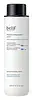
Water, Alcohol Denat., Glycerin, Triethylhexanoin, Caprylic/Capric Triglyceride, Dipropylene Glycol, 1,2-Hexanediol, Hydrogenated Lecithin, Panthenol, Carbomer, Tromethamine, C14-22 Alcohols, Squalane, Butylene Glycol, Polysorbate 60, Macadamia Ternifolia Seed Oil, Arachidyl Glucoside, Butyrospermum Parkii Butter, Glyceryl Stearate, Stearic Acid, Ceramide NP, Cholesterol, Dimethicone, PEG-100 Stearate, Alchemilla Vulgaris Leaf Extract, Althaea Officinalis Root Extract, Rosa Damascena Flower Extract, Spiraea Ulmaria Flower Extract, Viola Tricolor Extract, Calendula Officinalis Flower Extract, Avena Sativa Kernel Extract, Nepeta Cataria Extract, Rubus Idaeus Leaf Extract, Stellaria Media Extract, Baptisia Tinctoria Root Extract, Euphrasia Officinalis Extract, Thuja Occidentalis Leaf Extract, Symphytum Officinale Leaf Extract, Achillea Millefolium Flower Extract, Trifolium Pratense Flower Extract, Menyanthes Trifoliata Leaf Extract, Salix Alba Bark Extract, Citrus Aurantium Dulcis Peel Oil, Citrus Aurantifolia Oil, Pelargonium Graveolens Flower Oil, Rosmarinus Officinalis Leaf Oil, Limonene, Citronellol, Geraniol, Citral, Linalool
Water
Skin ConditioningDipropylene Glycol
HumectantBetaine
Humectant
Propanediol
Solvent
Alcohol Denat.
Antimicrobial
Glycosyl Trehalose
Emulsion StabilisingGlycerin
Humectant
1,2-Hexanediol
Skin Conditioning
Panthenol
Skin Conditioning
Pentylene Glycol
Skin Conditioning
Erythritol
Humectant
Hydrogenated Starch Hydrolysate
HumectantTriethylhexanoin
MaskingDiphenyl Dimethicone
Emollient
Polyglyceryl-10 Myristate
Skin Conditioning
Ceramide NP
Skin Conditioning
Sucrose Distearate
Emollient
Ethylhexylglycerin
Skin ConditioningSodium Hyaluronate
Humectant
Theobroma Cacao Seed Extract
Antioxidant
Pelargonium Graveolens Flower Oil
Masking
Olea Europaea Fruit Oil
Masking
Citrus Aurantium Bergamia Fruit Oil
Masking
C12-14 Pareth-12
EmulsifyingHydrogenated Lecithin
Emulsifying
Acrylates/C10-30 Alkyl Acrylate Crosspolymer
Emulsion StabilisingTromethamine
BufferingCarbomer
Emulsion StabilisingGlyceryl Polymethacrylate
Glyceryl Stearate
Emollient
Dextrin
AbsorbentSalvia Officinalis Oil
Masking
Citronellol
Perfuming
Disodium EDTA
CI 19140
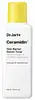
Cosmetic ColorantWater, Dipropylene Glycol, Betaine, Propanediol, Alcohol Denat., Glycosyl Trehalose, Glycerin, 1,2-Hexanediol, Panthenol, Pentylene Glycol, Erythritol, Hydrogenated Starch Hydrolysate, Triethylhexanoin, Diphenyl Dimethicone, Polyglyceryl-10 Myristate, Ceramide NP, Sucrose Distearate, Ethylhexylglycerin, Sodium Hyaluronate, Theobroma Cacao Seed Extract, Pelargonium Graveolens Flower Oil, Olea Europaea Fruit Oil, Citrus Aurantium Bergamia Fruit Oil, C12-14 Pareth-12, Hydrogenated Lecithin, Acrylates/C10-30 Alkyl Acrylate Crosspolymer, Tromethamine, Carbomer, Glyceryl Polymethacrylate, Glyceryl Stearate, Dextrin, Salvia Officinalis Oil, Citronellol, Disodium EDTA, CI 19140
Reviews
Ingredients Explained
These ingredients are found in both products.
Ingredients higher up in an ingredient list are typically present in a larger amount.
1,2-Hexanediol is a synthetic liquid and another multi-functional powerhouse.
It is a:
- Humectant, drawing moisture into the skin
- Emollient, helping to soften skin
- Solvent, dispersing and stabilizing formulas
- Preservative booster, enhancing the antimicrobial activity of other preservatives
Alcohol Denat. is an alcohol with a denaturant property. It is created by mixing ethanol with other additives.
The "denat" part just means "denatured"; common denaturants include Denatonium Benzoate, t-butyl alcohol, and Diethyl Phthalate. This step makes the alcohol undrinkable (and lets brand skip taxes related to beverage alcohol).
This ingredient gets a bad rep because it is irritating and drying due to its astringent property. Astringents draw out natural oils in tissue to constrict pores and dry out your skin.
However, alcohol denat. is not all that bad.
Due to its low molecular weight, alcohol denat. tends to evaporate quickly. One study on pig skin found half of applied alcohol evaporated in 10 seconds and less than 3% stayed on skin.
This also helps other ingredients become better absorbed upon application.
Studies are conflicted about whether this ingredient causes skin dehydration. One study from 2005 found adding emollients to propanol-based sanitizer decreased skin dryness and irritation. Another study found irritation only occurs if your skin is already damaged.
Small amounts of alcohol are generally tolerated by oily skin or people who live in humid environments.
The rule of thumb is this ingredient will probably not affect your skin much if it is near the end of an ingredients list.
One thing to note:
People with ALDH2 (aldehyde dehydrogenase 2) deficiency may experience skin irritation from continued alcohol use. About 8% of the world's population have this deficiency.
The Cosmetic Ingredient Review Expert Panel has determined denatured alcohols to be safe for use in concentrations between 0.05% and 12% (depending on which denaturant is used).
Also...
This ingredient has antimicrobial and solvent properties.
The antimicrobial property helps preserve products and increase their shelf life. As a solvent, it helps dissolve other ingredients.
Look for formulas that contain glycerin, hyaluronic acid, or panthenol if you want to offset any drying effect.
This ingredient will trip away your skin's natural oils/lipids that help it lock in moisture. This can worsen dryness, trigger eczema flare-ups, and aggravate rosacea.
Be sure to patch test any product with this ingredient if you have dry or sensitive skin, eczema, or rosacea.
Learn more about Alcohol Denat.Carbomer is a high-molecular weight polymer of acrylic acid. It is used to form gels and thicken formulas.
Due to its large molecular size, carbomer has minimal skin penetration and is considered an inert ingredient.
A high amount of carbomer can cause pilling or balling up of products. Don't worry, most products contain 1% or less of carbomer.
Learn more about CarbomerCeramide NP (formerly known as Ceramide 3) is one of the skin's naturally occurring lipids.
Since ceramides are the major lipid components of the skin, they are crucial for maintaining skin barrier and hydration. Ceramide NP most closely mirrors the dominant kind in human skin amongst ceramide subtypes.
This ceramide works by slotting into gaps within the stratum corneum's lipid matrix to limit trans-epidermal water loss (TEWL) and shield the skin against external irritants.
A study with 312 patients found that using a ceramide-containing routine for 4 weeks reduced the severity of atopic dermatitis by over 61%.
Another clinical study in subjects aged 60 and older found that a ceramide body wash and moisturizer improved skin dryness and itchy skin in 15 days.
Overall, ceramides are considered non-irritating and safety tests have found little to no observable adverse effects from using this ingredient.
Ceramide NP is usually sourced from plants (like soybean or rice bran), or produced synthetically.
Learn more about Ceramide NPCitronellol is used to add fragrance/parfum to a product. It is often derived from plants such as roses. In fact, it can be found in many essential oils including geranium, lavender, neroli, and more. The scent of Citronellol is often described as "fresh, grassy, and citrus-like".
Since the Citronellol molecule is already unstable, Citronellol becomes irritating on the skin when exposed to air.
Citronellol is a modified terpene. Terpenes are unsaturated hydrocarbons found in plants. They make up the primary part of essential oils.
Citronellol is not able to be absorbed into deeper layers of the skin. It has low permeability,
Citronellol is also a natural insect repellent.
Learn more about CitronellolDipropylene Glycol is a synthetically created humectant, stabilizer, and solvent.
This ingredient helps:
Dipropylene glycol is technically an alcohol, but it belongs to the glycol family (often considered part of the ‘good’ alcohols). This means it is hydrating and gentle on skin unlike drying solvent alcohols like denatured alcohol.
As a masking agent, Dipropylene Glycol can be used to cover the smell of other ingredients. However, it does not have a scent.
Studies show Dipropylene Glycol is considered safe to use in skincare.
Learn more about Dipropylene GlycolGlycerin (or glycerol) is a compound naturally found in your skin. It's a powerhouse humectant that pulls water into the stratum corneum.
Topically, glycerin does several things at once:
Your skin makes glycerin on its own (mostly from sebaceous oil breakdown) and shuttles it to your outermost layer of skin, or your epidermis, via aquaporin-3.
Aquaporin-3 is a transporter that is essential for normal skin hydration, elasticity, and repair. Interestingly, mice lacking in AQP3 have dry and less elastic skin that can be fully corrected with glycerin.
This ingredient is non-irritating, plays well with almost every ingredient, and works across all skin types. Typical use is anywhere between 3-10% but can go up to 79% in some leave-on products.
Just know very high concentrations (>40%) can feel tacky in low humidity.
Glycerin is the name for this ingredient in American English. British English uses Glycerol/Glycerine.
Learn more about GlycerinGlyceryl Stearate is made by reacting glycerin with stearic acid (typically sourced from plant oils like palm or coconut). It's an emulsifier, emollient, and mild occlusive.
Emulsifiers help ingredients like oil and water stay mixed so your formula stays nicely blended and uniform in texture.
This ingredient is typically used in concentrations between 1-10%. Studies have found it to be non-sensitizing, non-phototoxic, and non-photoallergenic.
A close cousin of this ingredient is Glyceryl Stearate SE ("self-emulsifying"). This just has a small amount of sodium or potassium stearate added so it can emulsify without a co-emulsifier.
Since this ingredient is an ester of a C18 fatty acid, it may not be fungal acne safe. The Malassezia yeast can potentially metabolize within the C11-C24 range.
Fun fact: The human body also creates Glyceryl Stearate naturally.
Learn more about Glyceryl StearateHydrogenated Lecithin is a more stable version of lecithin.
It's made by taking lecithin (a phospholipid commonly found in soybeans and egg yolks) and hydrogenating it. This just means the unsaturated fatty acids are turned into saturated ones so they don't go bad as easily.
This ingredient is an emollient, emulsifier, and penetration enhancer. As an emollient, it helps soften and hydrate skin by trapping moisture within. As an emulsifier, it prevents oil and water ingredients from separating.
Hydrogenated Lecithin can form tiny spherical structures made of phospholipid bilayers called liposomes. These liposomes are able to capture compounds inside their structure and deliver them through the skin barrier.
Because phospholipids are a natural component of our cell membranes, this ingredient is inherently compatible with skin.
A 2021 study found lecithin-based surfactants were less harsh and more tolerable comared to Sodium Lauryl Sulfate (SLS).
Learn more about Hydrogenated LecithinPanthenol is a common ingredient that helps hydrate and soothe the skin. It is found naturally in our skin and hair.
There are two forms of panthenol: D and L.
D-panthenol is also known as dexpanthenol. Most cosmetics use dexpanthenol or a mixture of D and L-panthenol.
Panthenol is famous due to its ability to go deeper into the skin's layers. Using this ingredient has numerous pros (and no cons):
Like hyaluronic acid, panthenol is a humectant. Humectants are able to bind and hold large amounts of water to keep skin hydrated.
This ingredient works well for wound healing. It works by increasing tissue in the wound and helps close open wounds.
Once oxidized, panthenol converts to pantothenic acid. Panthothenic acid is found in all living cells.
This ingredient is also referred to as pro-vitamin B5.
Learn more about PanthenolPelargonium Graveolens Flower Oil is the pressed oil of the Rose Geranium plant. It is volatile, meaning it evaporates off the skin.
Fragrant components of Rose Geranium include citronellol and geraniol. These may cause allergies and skin-sensitivity. We recommend speaking with a professional if you have any concerns.
The scent of Rose Geranium closely resembles traditional roses.
Learn more about Pelargonium Graveolens Flower OilTriethylhexanoin is created from glycerin and 2-ethylhexanoic acid. It is a solvent and emollient.
As a solvent, Triethylhexanoin helps dissolve ingredients to stable bases or help evenly distribute ingredients throughout the product.
It is also an emollient and helps condition the skin.
Learn more about TriethylhexanoinTromethamine helps balance the pH and improve the texture of a product. It is synthetically created.
As an emulsifier, Tromethamine prevents oil and water ingredients from separating. This helps stabilize the product and elongate a product's shelf life. Tromethamine also makes a product thicker.
Tromethamine helps balance the pH level of a product. Normal pH level of skin is slightly acidic (~4.75-5.5). The acidity of our skin is maintained by our glands and skin biome. Being slightly acidic allows our skin to create an "acid mantle". This acid mantle is a thin barrier that protects our skin from bacteria and contaminants.
Oral Tromethanmine is an anti-inflammatory drug but plays the role of masking, adding fragrance, and/or balancing pH in skincare.
1,3-Propanediol, 2-amino-2-(hydroxymethyl)-
Learn more about TromethamineWater. It's the most common cosmetic ingredient of all. You'll usually see it at the top of ingredient lists, meaning that it makes up the largest part of the product.
So why is it so popular? Water most often acts as a solvent - this means that it helps dissolve other ingredients into the formulation.
You'll also recognize water as that liquid we all need to stay alive. If you see this, drink a glass of water. Remember to stay hydrated!
Learn more about Water
