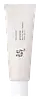
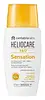
Beauty of Joseon Relief Sun : Rice + Probiotics SPF 50+ PA++++ Versus HELIOCARE 360 Sensation Ultralight Oil Free Sunscreen SPF 50+
This chemical sunscreen covers the full UV range and blocks ~98% of UVB at SPF 50.
This hybrid sunscreen covers the full UV range and blocks ~98% of UVB at SPF 50.


What's inside
What's inside
 Key Ingredients
Benefits
Concerns
Ingredients Side-by-side
Water
Skin ConditioningDibutyl Adipate
EmollientPropanediol
Solvent

Diethylamino Hydroxybenzoyl Hexyl Benzoate
UV Filter
Polymethylsilsesquioxane

Ethylhexyl Triazone
UV Absorber
Niacinamide
Smoothing










Methylene Bis-Benzotriazolyl Tetramethylbutylphenol
UV Filter
Coco-Caprylate/Caprate
Emollient
Caprylyl Methicone
Skin Conditioning
Diethylhexyl Butamido Triazone
UV Absorber
Glycerin
Humectant
1,2-Hexanediol
Skin Conditioning
Butylene Glycol
Humectant
Oryza Sativa Extract
Absorbent
Oryza Sativa Germ Extract
EmollientCamellia Sinensis Leaf Extract
Antimicrobial
Lactobacillus/Pumpkin Ferment Extract
Skin ConditioningBacillus/Soybean Ferment Extract
Skin ConditioningSaccharum Officinarum Extract
MoisturisingMacrocystis Pyrifera Extract
Skin Conditioning
Cocos Nucifera Fruit Extract
Emollient
Panax Ginseng Root Extract
Emollient
Monascus/Rice Ferment
Antioxidant
Behenyl Alcohol
Emollient
Poly C10-30 Alkyl Acrylate
Emulsion StabilisingPolyglyceryl-3 Methylglucose Distearate
Emulsifying

Decyl Glucoside
Cleansing
Tromethamine
BufferingCarbomer
Emulsion StabilisingAcrylates/C10-30 Alkyl Acrylate Crosspolymer
Emulsion StabilisingSodium Stearoyl Glutamate
CleansingPolyacrylate Crosspolymer-6
Emulsion StabilisingAdenosine
Skin Conditioning
Xanthan Gum
EmulsifyingT-Butyl Alcohol
Perfuming




Tocopherol
Antioxidant
Lactobacillus/Rice Ferment
Skin Conditioning
Aspergillus Ferment
Skin ConditioningSaccharomyces/Rice Ferment Filtrate
Skin Conditioning
Pentylene Glycol
Skin Conditioning
Ethylhexylglycerin
Skin ConditioningWater, Dibutyl Adipate, Propanediol, Diethylamino Hydroxybenzoyl Hexyl Benzoate, Polymethylsilsesquioxane, Ethylhexyl Triazone, Niacinamide, Methylene Bis-Benzotriazolyl Tetramethylbutylphenol, Coco-Caprylate/Caprate, Caprylyl Methicone, Diethylhexyl Butamido Triazone, Glycerin, 1,2-Hexanediol, Butylene Glycol, Oryza Sativa Extract, Oryza Sativa Germ Extract, Camellia Sinensis Leaf Extract, Lactobacillus/Pumpkin Ferment Extract, Bacillus/Soybean Ferment Extract, Saccharum Officinarum Extract, Macrocystis Pyrifera Extract, Cocos Nucifera Fruit Extract, Panax Ginseng Root Extract, Monascus/Rice Ferment, Behenyl Alcohol, Poly C10-30 Alkyl Acrylate, Polyglyceryl-3 Methylglucose Distearate, Decyl Glucoside, Tromethamine, Carbomer, Acrylates/C10-30 Alkyl Acrylate Crosspolymer, Sodium Stearoyl Glutamate, Polyacrylate Crosspolymer-6, Adenosine, Xanthan Gum, T-Butyl Alcohol, Tocopherol, Lactobacillus/Rice Ferment, Aspergillus Ferment, Saccharomyces/Rice Ferment Filtrate, Pentylene Glycol, Ethylhexylglycerin
Isododecane
EmollientDimethicone
Emollient
Propylene Glycol
Humectant
Butylene Glycol
Humectant
Vinyldimethicone
Diethylamino Hydroxybenzoyl Hexyl Benzoate
UV Filter
Methyl Salicylate
Perfuming

Neopentyl Glycol Diheptanoate
EmollientBis-Ethylhexyloxyphenol Methoxyphenyl Triazine
UV Absorber
Vp/Hexadecene Copolymer
Silica Dimethyl Silylate
EmollientGlycerin
Humectant
Methyl Methacrylate Crosspolymer
Alcohol
Antimicrobial
Zinc Oxide
Cosmetic Colorant
Lauryl PEG-9 Polydimethylsiloxyethyl Dimethicone
Skin Conditioning
Trimethylsiloxysilicate
Emollient
Polypodium Leucotomos Leaf Extract
Skin Protecting
C12-15 Alkyl Benzoate
AntimicrobialTitanium Dioxide
Cosmetic Colorant
1,2-Hexanediol
Skin Conditioning
Hydroxyacetophenone
Antioxidant
Fructose
Humectant
Disteardimonium Hectorite
StabilisingParfum
Masking
Panthenol
Skin Conditioning
Polyhydroxystearic Acid
Emulsifying
Tocopheryl Acetate
Antioxidant
Isohexadecane
EmollientBisabolol
Antioxidant
Dimethiconol
Emollient
Silica
Abrasive
Alumina
Abrasive
Stearic Acid
Cleansing
Triethoxycaprylylsilane
Sodium Polyglutamate
HumectantHydroxyphenyl Propamidobenzoic Acid
Skin ConditioningZingiber Officinale Root Extract
Masking
Tocopherol
Antioxidant
Alpha-Isomethyl Ionone
Perfuming
Citronellol
Perfuming
Citrus Aurantium Amara Peel Oil
Skin Conditioning
Hexyl Cinnamal
Perfuming
Limonene
Perfuming
Linalool
Perfuming
Linalyl Acetate
Masking
Tetramethyl Acetyloctahydronaphthalenes
Masking
Isododecane, Dimethicone, Propylene Glycol, Butylene Glycol, Vinyldimethicone, Diethylamino Hydroxybenzoyl Hexyl Benzoate, Methyl Salicylate, Neopentyl Glycol Diheptanoate, Bis-Ethylhexyloxyphenol Methoxyphenyl Triazine, Vp/Hexadecene Copolymer, Silica Dimethyl Silylate, Glycerin, Methyl Methacrylate Crosspolymer, Alcohol, Zinc Oxide, Lauryl PEG-9 Polydimethylsiloxyethyl Dimethicone, Trimethylsiloxysilicate, Polypodium Leucotomos Leaf Extract, C12-15 Alkyl Benzoate, Titanium Dioxide, 1,2-Hexanediol, Hydroxyacetophenone, Fructose, Disteardimonium Hectorite, Parfum, Panthenol, Polyhydroxystearic Acid, Tocopheryl Acetate, Isohexadecane, Bisabolol, Dimethiconol, Silica, Alumina, Stearic Acid, Triethoxycaprylylsilane, Sodium Polyglutamate, Hydroxyphenyl Propamidobenzoic Acid, Zingiber Officinale Root Extract, Tocopherol, Alpha-Isomethyl Ionone, Citronellol, Citrus Aurantium Amara Peel Oil, Hexyl Cinnamal, Limonene, Linalool, Linalyl Acetate, Tetramethyl Acetyloctahydronaphthalenes
Reviews
Ingredients Explained
These ingredients are found in both products.
Ingredients higher up in an ingredient list are typically present in a larger amount.
1,2-Hexanediol is a synthetic liquid and another multi-functional powerhouse.
It is a:
- Humectant, drawing moisture into the skin
- Emollient, helping to soften skin
- Solvent, dispersing and stabilizing formulas
- Preservative booster, enhancing the antimicrobial activity of other preservatives
Butylene Glycol (or BG) is used within cosmetic products for a few different reasons:
Overall, Butylene Glycol is a safe and well-rounded ingredient that works well with other ingredients.
Though this ingredient works well with most skin types, some people with sensitive skin may experience a reaction such as allergic rashes, closed comedones, or itchiness.
Learn more about Butylene GlycolDiethylamino Hydroxybenzoyl Hexyl Benzoate (DHHB) is a chemical UV-A absorber. It is formulated for high UVA protection (320-400 nm).
DHHB is well-liked for:
DHHB has been approved by the EU, Japan, Taiwan, and South America for use up to 10%. Unfortunately, it has not been approved for use in the US or Canada due to slow regulatory processes.
This ingredient is soluble in oils, fats, and lipids.
Learn more about Diethylamino Hydroxybenzoyl Hexyl BenzoateGlycerin (or glycerol) is a compound naturally found in your skin. It's a powerhouse humectant that pulls water into the stratum corneum.
Topically, glycerin does several things at once:
Your skin makes glycerin on its own (mostly from sebaceous oil breakdown) and shuttles it to your outermost layer of skin, or your epidermis, via aquaporin-3.
Aquaporin-3 is a transporter that is essential for normal skin hydration, elasticity, and repair. Interestingly, mice lacking in AQP3 have dry and less elastic skin that can be fully corrected with glycerin.
This ingredient is non-irritating, plays well with almost every ingredient, and works across all skin types. Typical use is anywhere between 3-10% but can go up to 79% in some leave-on products.
Just know very high concentrations (>40%) can feel tacky in low humidity.
Glycerin is the name for this ingredient in American English. British English uses Glycerol/Glycerine.
Learn more about GlycerinTocopherol is a fat-soluble antioxidant known as Vitamin E.
You'll find this ingredient in the vast majority of skincare (for good reason). It works to neutralize free radicals, or unstable molecules generated by UV exposure, pollution, and other environmental stressors, before they can cause oxidative damage to your skin cells.
Topically applied tocopherol has been shown to protect against UV damage by ramping up the skin's own natural defense enzymes.
It also acts as a skin conditioning agent; some studies show that regular topical use can improve the skin's water-binding capacity over 2-4 weeks.
This ingredient is especially loved for being a team player. When combined with Vitamin C, the photoprotective effect of both ingredients roughly doubles and the combo also helps reduce UV-induced DNA damage.
This ingredient has some brightening potential but it's more of a prevention ingredient than spot-fader. Cell studies show it can slow down melanin production but it's worth noting that it's not the most powerful brightener out there.
In formulations, it also serves as a stabilizer that helps protect other oxidation-prone ingredients from degrading.
Concentrations usually range from 0.1-1% in most leave-on products.
Learn more about Tocopherol

