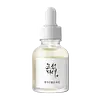
This brightening serum is formulated around Alpha-Arbutin and Niacinamide to fade the look of dark spots and brighten dull-looking skin.
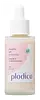
This anti-aging ampoule is formulated around Niacinamide and Adenosine to soften the look of wrinkles and strengthen the skin barrier.

What's inside
What's inside
 Key Ingredients
Benefits
Concerns
Ingredients Side-by-side
Oryza Sativa Bran Water 68.6%
Masking
Water
Skin ConditioningGlycerin
Humectant


Butylene Glycol
Humectant
1,2-Hexanediol
Skin Conditioning
Dipropylene Glycol
HumectantAlpha-Arbutin 2%
Antioxidant



Niacinamide
Smoothing







Methyl Gluceth-20
Humectant
Panthenol
Skin Conditioning
Polyglycerin-3
Humectant
Trehalose
Humectant
Glyceryl Glucoside
Humectant
Hydrolyzed Jojoba Esters
Skin Conditioning

Hydroxyethyl Acrylate/Sodium Acryloyldimethyl Taurate Copolymer
Emulsion StabilisingEthylhexylglycerin
Skin ConditioningHydroxyethylcellulose
Emulsion StabilisingXanthan Gum
EmulsifyingAcrylates/C10-30 Alkyl Acrylate Crosspolymer
Emulsion StabilisingArginine
Masking
Disodium EDTA
ChelatingCoptis Japonica Root Extract
Skin ConditioningSorbitan Isostearate
Emulsifying
Glucose
Humectant
Coix Lacryma-Jobi Ma-Yuen Seed Extract
Skin ConditioningGlycine Soja Seed Extract
Skin Conditioning
Hordeum Distichon Extract
Skin ProtectingOryza Sativa Extract
Absorbent
Sesamum Indicum Seed Extract
Skin Conditioning
Triticum Vulgare Seed Extract
BufferingVigna Radiata Seed Extract
Skin ConditioningZea Mays Kernel Extract
Oryza Sativa Bran Water 68.6%, Water, Glycerin, Butylene Glycol, 1,2-Hexanediol, Dipropylene Glycol, Alpha-Arbutin 2%, Niacinamide, Methyl Gluceth-20, Panthenol, Polyglycerin-3, Trehalose, Glyceryl Glucoside, Hydrolyzed Jojoba Esters, Hydroxyethyl Acrylate/Sodium Acryloyldimethyl Taurate Copolymer, Ethylhexylglycerin, Hydroxyethylcellulose, Xanthan Gum, Acrylates/C10-30 Alkyl Acrylate Crosspolymer, Arginine, Disodium EDTA, Coptis Japonica Root Extract, Sorbitan Isostearate, Glucose, Coix Lacryma-Jobi Ma-Yuen Seed Extract, Glycine Soja Seed Extract, Hordeum Distichon Extract, Oryza Sativa Extract, Sesamum Indicum Seed Extract, Triticum Vulgare Seed Extract, Vigna Radiata Seed Extract, Zea Mays Kernel Extract
Gynostemma Pentaphyllum Leaf/Stem Extract
Antioxidant
Butylene Glycol
Humectant
Glycerin
Humectant
Hydrogenated Polyisobutene
EmollientWater
Skin ConditioningNiacinamide
Smoothing
Caprylic/Capric Triglyceride
Masking
Simmondsia Chinensis Seed Oil
Emollient
Polyglyceryl-6 Stearate
Emollient
Pentaerythrityl Tetraethylhexanoate
Emollient
Polyglycerin-3
Humectant
Nelumbo Nucifera Callus Culture Extract
Antimicrobial
Theobroma Cacao Seed Extract
Antioxidant
Gynostemma Pentaphyllum Extract
AstringentGlycine Soja Seed Extract
Skin Conditioning
Triticum Aestivum Peptide
Skin Conditioning
Anemarrhena Asphodeloides Root Extract
Skin Conditioning
Hydrogenated Lecithin
Emulsifying
Olea Europaea Fruit Oil
Masking

C9-12 Alkane
SolventDiisostearyl Malate
EmollientDipentaerythrityl Hexahydroxystearate/Hexastearate/Hexarosinate
Skin ConditioningCaprylyl Methicone
Skin Conditioning
Polyglyceryl-6 Behenate
Emulsion Stabilising
Butyrospermum Parkii Butter
Skin Conditioning
Hydroxyethyl Acrylate/Sodium Acryloyldimethyl Taurate Copolymer
Emulsion StabilisingGlyceryl Stearate
Emollient
Polysilicone-11
Cetyl Palmitate
Emollient
Dipotassium Glycyrrhizate
Humectant
Carbomer
Emulsion StabilisingGlyceryl Polymethacrylate
Sorbitan Olivate
Emulsifying
Sorbitan Palmitate
Emulsifying
Sodium Polyacrylate
Absorbent
Tromethamine
BufferingDipropylene Glycol
HumectantAdenosine
Skin Conditioning
Propanediol
Solvent
Sorbitan Isostearate
Emulsifying
Dextrin
AbsorbentGlycine Soja Peptide
Skin Conditioning
Avena Sativa Peptide
Skin Conditioning
Lecithin
Emollient
Ceramide NP
Skin Conditioning
Squalane
Emollient
Glycine Max Polypeptide
Skin Conditioning
Hydrolyzed Pea Protein
Emollient1,2-Hexanediol
Skin Conditioning
Phytosterols
Skin Conditioning
Hydroxyacetophenone
Antioxidant
Gynostemma Pentaphyllum Leaf/Stem Extract, Butylene Glycol, Glycerin, Hydrogenated Polyisobutene, Water, Niacinamide, Caprylic/Capric Triglyceride, Simmondsia Chinensis Seed Oil, Polyglyceryl-6 Stearate, Pentaerythrityl Tetraethylhexanoate, Polyglycerin-3, Nelumbo Nucifera Callus Culture Extract, Theobroma Cacao Seed Extract, Gynostemma Pentaphyllum Extract, Glycine Soja Seed Extract, Triticum Aestivum Peptide, Anemarrhena Asphodeloides Root Extract, Hydrogenated Lecithin, Olea Europaea Fruit Oil, C9-12 Alkane, Diisostearyl Malate, Dipentaerythrityl Hexahydroxystearate/Hexastearate/Hexarosinate, Caprylyl Methicone, Polyglyceryl-6 Behenate, Butyrospermum Parkii Butter, Hydroxyethyl Acrylate/Sodium Acryloyldimethyl Taurate Copolymer, Glyceryl Stearate, Polysilicone-11, Cetyl Palmitate, Dipotassium Glycyrrhizate, Carbomer, Glyceryl Polymethacrylate, Sorbitan Olivate, Sorbitan Palmitate, Sodium Polyacrylate, Tromethamine, Dipropylene Glycol, Adenosine, Propanediol, Sorbitan Isostearate, Dextrin, Glycine Soja Peptide, Avena Sativa Peptide, Lecithin, Ceramide NP, Squalane, Glycine Max Polypeptide, Hydrolyzed Pea Protein, 1,2-Hexanediol, Phytosterols, Hydroxyacetophenone
Reviews
Ingredients Explained
These ingredients are found in both products.
Ingredients higher up in an ingredient list are typically present in a larger amount.
1,2-Hexanediol is a synthetic liquid and another multi-functional powerhouse.
It is a:
- Humectant, drawing moisture into the skin
- Emollient, helping to soften skin
- Solvent, dispersing and stabilizing formulas
- Preservative booster, enhancing the antimicrobial activity of other preservatives
Butylene Glycol (or BG) is used within cosmetic products for a few different reasons:
Overall, Butylene Glycol is a safe and well-rounded ingredient that works well with other ingredients.
Though this ingredient works well with most skin types, some people with sensitive skin may experience a reaction such as allergic rashes, closed comedones, or itchiness.
Learn more about Butylene GlycolDipropylene Glycol is a synthetically created humectant, stabilizer, and solvent.
This ingredient helps:
Dipropylene glycol is technically an alcohol, but it belongs to the glycol family (often considered part of the ‘good’ alcohols). This means it is hydrating and gentle on skin unlike drying solvent alcohols like denatured alcohol.
As a masking agent, Dipropylene Glycol can be used to cover the smell of other ingredients. However, it does not have a scent.
Studies show Dipropylene Glycol is considered safe to use in skincare.
Learn more about Dipropylene GlycolGlycerin (or glycerol) is a compound naturally found in your skin. It's a powerhouse humectant that pulls water into the stratum corneum.
Topically, glycerin does several things at once:
Your skin makes glycerin on its own (mostly from sebaceous oil breakdown) and shuttles it to your outermost layer of skin, or your epidermis, via aquaporin-3.
Aquaporin-3 is a transporter that is essential for normal skin hydration, elasticity, and repair. Interestingly, mice lacking in AQP3 have dry and less elastic skin that can be fully corrected with glycerin.
This ingredient is non-irritating, plays well with almost every ingredient, and works across all skin types. Typical use is anywhere between 3-10% but can go up to 79% in some leave-on products.
Just know very high concentrations (>40%) can feel tacky in low humidity.
Glycerin is the name for this ingredient in American English. British English uses Glycerol/Glycerine.
Learn more about GlycerinGlycine Soja Seed Extract comes from the seed of the wild soybean plant. Wild soybean extract contains fatty acids (linoleic, oleic, linolenic), vitamin E, and antioxidants.
The wild soybean contains soyasaponins, a bioactive compound. Soyasaponins have inflammatory, antimutagenic, anticarcinogenic, antimicrobial properties. Soyasaponin has also been found to inhibit the melanin-creation process.
Two powerful components found in the wild soybean include genistein and diadzein. These two isoflavones are potent antioxidants with anti-inflammatory properties. Genistein in particular has been found to prevent redness caused by UV exposure.
One study from South Korea found wild soybean extract to help promote hair growth at the cellular level.
The wild soybean plant is a cousin to the famous soybean that gives us tofu, soy milk, and soy sauce.
Learn more about Glycine Soja Seed ExtractThis is a synthetic polymer. It helps improve the texture of products by adding thickness and gel-like feel.
It is also an emulsifer, meaning it prevents ingredients such as oil and water from separating. It also helps evenly disperse other ingredients.
Niacinamide is a multitasking form of vitamin B3 that strengthens the skin barrier, reduces pores and dark spots, regulates oil, and improves signs of aging.
And the best part? It's gentle and well-tolerated by most skin types, including sensitive and reactive skin.
You might have heard of "niacin flush", or the reddening of skin that causes itchiness. Niacinamide has not been found to cause this.
In very rare cases, some individuals may not be able to tolerate niacinamide at all or experience an allergic reaction to it.
If you are experiencing flaking, irritation, and dryness with this ingredient, be sure to double check all your products as this ingredient can be found in all categories of skincare.
When incorporating niacinamide into your routine, look out for concentration amounts. Typically, 5% niacinamide provides benefits such as fading dark spots. However, if you have sensitive skin, it is better to begin with a smaller concentration.
When you apply niacinamide to your skin, your body converts it into nicotinamide adenine dinucleotide (NAD). NAD is an essential coenzyme that is already found in your cells as "fuel" and powers countless biological processes.
In your skin, NAD helps repair cell damage, produce new healthy cells, support collagen production, strengthen the skin barrier, and fight environmental stressors (like UV and pollution).
Our natural NAD levels start to decline with age, leading to slower skin repair, visible aging, and a weaker skin barrier. By providing your skin niacinamide, you're recharging your skin's NAD levels. This leads to stronger, healthier, and younger looking skin.
Another name for vitamin B3 is nicotinamide. This vitamin is water-soluble and our bodies don't store it. We obtain Vitamin B3 from either food or skincare. Meat, fish, wheat, yeast, and leafy greens contain vitamin B3.
The type of niacinamide used in skincare is synthetically created.
Learn more about NiacinamidePolyglycerin-3 is a 3-unit glycerin polymer.
Like glycerin, this ingredient is a humectant. Humectants help hydrate your skin by drawing water to it.
Having moisturized skin helps improve the skin barrier. Your skin barrier helps protect against irritants and bacteria.
Learn more about Polyglycerin-3Sorbitan Isostearate is an emulsifer. It is created from isostearic acid and sorbitol.
As an emulsifier, it keeps the water and oil ingredients from separating. This keeps formulas stable and smooth.
In a 24 hour occlusive patch test on 56 subjects, 10% sorbitan isostearate was completely non-irritating. Most formulas use less than 10%.
Because it's a fatty acid ester, it may not be fungal acne safe since the Malassezia yeast can utilize it as a nutrient source.
Learn more about Sorbitan IsostearateWater. It's the most common cosmetic ingredient of all. You'll usually see it at the top of ingredient lists, meaning that it makes up the largest part of the product.
So why is it so popular? Water most often acts as a solvent - this means that it helps dissolve other ingredients into the formulation.
You'll also recognize water as that liquid we all need to stay alive. If you see this, drink a glass of water. Remember to stay hydrated!
Learn more about Water

