
What's inside
What's inside
 Key Ingredients
Benefits
Concerns
Ingredients Side-by-side
Water
Skin ConditioningGlycerin
Humectant


Butylene Glycol
Humectant
Dimethicone
Emollient
Pentaerythrityl Tetraethylhexanoate
Emollient
Propanediol
Solvent
Tricaprylin
Perfuming
Glyceryl Stearate Se
Emulsifying


Cetyl Alcohol
Emollient

Silica
Abrasive


Myristyl Myristate
Emollient
PEG-100 Stearate
Butyrospermum Parkii Butter
Skin Conditioning
Copernicia Cerifera Wax
Hydrogenated Polyisobutene
EmollientHydrogenated Polydecene
EmollientBehenyl Alcohol
Emollient
Dimethylacrylamide/Sodium Acryloyldimethyltaurate Crosspolymer
Isostearic Acid
Cleansing
Stearyl Alcohol
Emollient
Urea
Buffering

Glucosamine Hcl
Algae Extract
EmollientSaccharomyces Cerevisiae Extract
Skin Conditioning
Sodium PCA
Humectant
Allantoin
Skin Conditioning
Ethylhexylglycerin
Skin ConditioningLauryl Betaine
CleansingSodium Citrate
BufferingDisodium EDTA
Sorbitan Tristearate
EmulsifyingPhytosteryl/Octyldodecyl Lauroyl Glutamate
Skin ConditioningAlcohol
Antimicrobial




Citric Acid
Buffering

Carbomer
Emulsion StabilisingPolysorbate 20
Emulsifying
Sodium Hyaluronate
Humectant

Hypericum Erectum Extract
Skin ConditioningPalmitoyl Tetrapeptide-7
Skin Conditioning
Palmitoyl Tripeptide-1
Skin Conditioning
Ceramide NP
Skin Conditioning
Tocopherol
Antioxidant


Parfum
Masking
Geraniol
Perfuming
Limonene
Perfuming
Linalool
Perfuming
Citral
Perfuming
Sodium Benzoate
Masking
Phenoxyethanol
Preservative
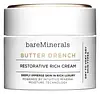
Water, Glycerin, Butylene Glycol, Dimethicone, Pentaerythrityl Tetraethylhexanoate, Propanediol, Tricaprylin, Glyceryl Stearate Se, Cetyl Alcohol, Silica, Myristyl Myristate, PEG-100 Stearate, Butyrospermum Parkii Butter, Copernicia Cerifera Wax, Hydrogenated Polyisobutene, Hydrogenated Polydecene, Behenyl Alcohol, Dimethylacrylamide/Sodium Acryloyldimethyltaurate Crosspolymer, Isostearic Acid, Stearyl Alcohol, Urea, Glucosamine Hcl, Algae Extract, Saccharomyces Cerevisiae Extract, Sodium PCA, Allantoin, Ethylhexylglycerin, Lauryl Betaine, Sodium Citrate, Disodium EDTA, Sorbitan Tristearate, Phytosteryl/Octyldodecyl Lauroyl Glutamate, Alcohol, Citric Acid, Carbomer, Polysorbate 20, Sodium Hyaluronate, Hypericum Erectum Extract, Palmitoyl Tetrapeptide-7, Palmitoyl Tripeptide-1, Ceramide NP, Tocopherol, Parfum, Geraniol, Limonene, Linalool, Citral, Sodium Benzoate, Phenoxyethanol
Water
Skin ConditioningGlycerin
Humectant
Butyrospermum Parkii Butter
Skin Conditioning
Caprylic/Capric/Myristic/Stearic Triglyceride
EmollientButylene Glycol
Humectant
Neopentyl Glycol Diheptanoate
EmollientAlgae Extract
EmollientTocopheryl Acetate
Antioxidant
Sodium Hyaluronate
Humectant
Helianthus Annuus Seedcake
Abrasive
Glycine Soja Seed Extract
Skin Conditioning
Citrullus Lanatus Fruit Extract
Skin Conditioning
Salvia Sclarea Extract
AntiseborrhoeicLens Esculenta Fruit Extract
Skin ConditioningPyrus Malus Fruit Extract
Skin Conditioning
Hordeum Vulgare Extract
EmollientCamellia Japonica Flower Extract
EmollientLactobacillus Ferment
Skin Conditioning
Propylene Glycol Dicaprate
EmollientPolyacrylate Crosspolymer-6
Emulsion StabilisingSorbitol
Humectant
Sodium Polyaspartate
HumectantLecithin
Emollient
Trehalose
Humectant
Coco-Caprylate/Caprate
Emollient
Rosmarinus Officinalis Leaf Water
MaskingSodium Lactate
Buffering
Cucumis Sativus Fruit Extract
Emollient
T-Butyl Alcohol
Perfuming
Sodium PCA
Humectant
Hydroxyethyl Urea
Humectant
C9-12 Alkane
SolventSodium Acrylates Copolymer
Propanediol
Solvent
Citric Acid
Buffering
Disodium EDTA
Potassium Sorbate
Preservative
Sodium Benzoate
Masking
Chlorphenesin
Antimicrobial
Phenoxyethanol
Preservative
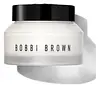
Water, Glycerin, Butyrospermum Parkii Butter, Caprylic/Capric/Myristic/Stearic Triglyceride, Butylene Glycol, Neopentyl Glycol Diheptanoate, Algae Extract, Tocopheryl Acetate, Sodium Hyaluronate, Helianthus Annuus Seedcake, Glycine Soja Seed Extract, Citrullus Lanatus Fruit Extract, Salvia Sclarea Extract, Lens Esculenta Fruit Extract, Pyrus Malus Fruit Extract, Hordeum Vulgare Extract, Camellia Japonica Flower Extract, Lactobacillus Ferment, Propylene Glycol Dicaprate, Polyacrylate Crosspolymer-6, Sorbitol, Sodium Polyaspartate, Lecithin, Trehalose, Coco-Caprylate/Caprate, Rosmarinus Officinalis Leaf Water, Sodium Lactate, Cucumis Sativus Fruit Extract, T-Butyl Alcohol, Sodium PCA, Hydroxyethyl Urea, C9-12 Alkane, Sodium Acrylates Copolymer, Propanediol, Citric Acid, Disodium EDTA, Potassium Sorbate, Sodium Benzoate, Chlorphenesin, Phenoxyethanol
Ingredients Explained
These ingredients are found in both products.
Ingredients higher up in an ingredient list are typically present in a larger amount.
Algae Extract is a confusing name. This is because algae is an informal term for a group of 30,000 aquatic organisms that can photosynthesize.
The term 'algae extract' can refer to any one, or a blend of, the 30,000 types.
Algae is rich in antioxidants. Antioxidants help fight free-radicals. Free-radicals are molecules that may damage your skin cells, such as pollution.
Algae can also help with soothing and hydrating skin.
Many different types of algae have different benefits.
Learn more about Algae ExtractButylene Glycol (or BG) is used within cosmetic products for a few different reasons:
Overall, Butylene Glycol is a safe and well-rounded ingredient that works well with other ingredients.
Though this ingredient works well with most skin types, some people with sensitive skin may experience a reaction such as allergic rashes, closed comedones, or itchiness.
Learn more about Butylene GlycolThis ingredient is also known as shea butter. It is a plant-derived extract from the nuts of the Africa shea tree and one of the most well-studied emollients.
Because it has a high concentration of fatty acids (primarily oleic, stearic, and linoleic) it is able to form a protective barrier on the skin's surface. This helps seal in moisture and prevents transepidermal water loss (TEWL).
In vitro research found an increase in skin hydration by 58% and a decrease in TEWL by 37.8% after 24 hours of applying this ingredient (pretty impressive for a single ingredient!).
Besides hydration, shea butter also contains triterpenes that have anti-inflammatory potential. In particule, lupeol cinnamate has shown the highest anti-inflammatory activity in vivo.
Shea butter also contains vitamins A and E which may contribute to antioxidant activity.
While Shea Butter has an SPF rating of about 3-4, it is not a sunscreen replacement.
This ingredient may not be fungal acne safe because its fatty acids fall within the C11-C24 range that the Malassezia yeast can metabolize.
Learn more about Butyrospermum Parkii ButterCitric Acid is an alpha hydroxy acid (AHA) naturally found in citrus fruits like oranges, lemons, and limes.
Like other AHAs, citric acid can exfoliate skin by breaking down the bonds that hold dead skin cells together. This helps reveal smoother and brighter skin underneath.
However, this exfoliating effect only happens at high concentrations (20%) which can be hard to find in cosmetic products.
Due to this, citric acid is usually included in small amounts as a pH adjuster. This helps keep products slightly more acidic and compatible with skin's natural pH.
In skincare formulas, citric acid can:
While it can provide some skin benefits, research shows lactic acid and glycolic acid are generally more effective and less irritating exfoliants.
Most citric acid used in skincare today is made by fermenting sugars (usually from molasses). This synthetic version is identical to the natural citrus form but easier to stabilize and use in formulations.
Read more about some other popular AHA's here:
Learn more about Citric AcidDisodium EDTA is a chelating agent. It grabs onto and deactivates metal ions that sneak into your products from water, packaging, or air.
This ingredient mainly works behind the scenes and helps with:
On top of that, this ingredient can counteract the effects of hard water by binding to the minerals in it.
One thing worth knowing is that Disodium EDTA has been shown to be a mild penetration enhancer. It can help other ingredients absorb into skin more effectively which can be a double-edged sword (great for actives, but can also make the active too strong if you have sensitive skin).
Clinical patch testing showed no significant skin irritation at typical use concentrations and minimal dermal absorption.
You'll most likely see this ingredient near the end of an ingredient list. It's typically found in concentrations less than 1%.
Learn more about Disodium EDTAGlycerin (or glycerol) is a compound naturally found in your skin. It's a powerhouse humectant that pulls water into the stratum corneum.
Topically, glycerin does several things at once:
Your skin makes glycerin on its own (mostly from sebaceous oil breakdown) and shuttles it to your outermost layer of skin, or your epidermis, via aquaporin-3.
Aquaporin-3 is a transporter that is essential for normal skin hydration, elasticity, and repair. Interestingly, mice lacking in AQP3 have dry and less elastic skin that can be fully corrected with glycerin.
This ingredient is non-irritating, plays well with almost every ingredient, and works across all skin types. Typical use is anywhere between 3-10% but can go up to 79% in some leave-on products.
Just know very high concentrations (>40%) can feel tacky in low humidity.
Glycerin is the name for this ingredient in American English. British English uses Glycerol/Glycerine.
Learn more about GlycerinPhenoxyethanol is a preservative that has germicide, antimicrobial, and aromatic properties. Studies show that phenoxyethanol can prevent microbial growth. By itself, it has a scent that is similar to that of a rose.
It's often used in formulations along with Caprylyl Glycol to preserve the shelf life of products.
Propanediol is an all-star ingredient. It softens, hydrates, and smooths the skin.
It’s often used to:
Propanediol is not likely to cause sensitivity and considered safe to use. It is derived from corn or petroleum with a clear color and no scent.
Learn more about PropanediolSodium Benzoate is a preservative. It's used in both cosmetic and food products to inhibit the growth of mold and bacteria. It is typically produced synthetically.
Both the US FDA and EU Health Committee have approved the use of sodium benzoate. In the US, levels of 0.1% (of the total product) are allowed.
Sodium benzoate works as a preservative by inhibiting the growth of bacteria inside of cells. It prevents the cell from fermenting a type of sugar using an enzyme called phosphofructokinase.
It is the salt of benzoic acid. Foods containing sodium benzoate include soda, salad dressings, condiments, fruit juices, wines, and snack foods.
Studies for using ascorbic acid and sodium benzoate in cosmetics are lacking, especially in skincare routines with multiple steps.
We always recommend speaking with a professional, such as a dermatologist, if you have any concerns.
Learn more about Sodium BenzoateSodium Hyaluronate is the salt form of hyaluronic acid. It is a long sugar chain that is naturally found in your skin, joints, and connective tissue that maintains hydration and elasticity.
In skincare, it works as a humectant. It pulls water from the environment and deeper layers of skin and binds it to the surface.
Interestingly, the size of the molecule affects its behavior:
Some clinical evidence links low molecular weight versions to improved wrinkle depth, elasticity, anti-inflammatory effects, and barrier repair.
Many serums use a blend of both weights so you can get surface hydration plus longer-lasting and deeper effects.
You'll typically see concentrations between 0.1-2% for this ingredient.
Learn more about Sodium HyaluronateSodium PCA is the sodium salt of pyroglutamic acid. It is naturally occurring in our skin's natural moisturizing factors where it works to maintain hydration.
The PCA stands for pyrrolidone carboxylic acid, a natural amino acid derivative.
This ingredient has skin conditioning, anti-inflammatory, and humectant properties. Humectants help hydrate your skin by drawing moisture from the air. This helps keep your skin moisturized.
Learn more about Sodium PCAWater. It's the most common cosmetic ingredient of all. You'll usually see it at the top of ingredient lists, meaning that it makes up the largest part of the product.
So why is it so popular? Water most often acts as a solvent - this means that it helps dissolve other ingredients into the formulation.
You'll also recognize water as that liquid we all need to stay alive. If you see this, drink a glass of water. Remember to stay hydrated!
Learn more about Water
