This mild cream cleanser is made to cleanse without leaving your skin tight or dry.


What's inside
What's inside
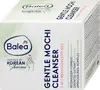 Key Ingredients
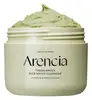
Benefits
Concerns
Ingredients Side-by-side
Glycerin
Humectant


Water
Skin ConditioningSodium Cocoyl Isethionate
Cleansing
Sodium Coco-Sulfate
Cleansing
Oryza Sativa Starch
AbsorbentCocamidopropyl Betaine
Cleansing


Pumice
Abrasive
Cellulose
Absorbent
Saccharomyces/Rice Ferment Filtrate
Skin Conditioning
Citric Acid
Buffering

Dicaprylyl Ether
Emollient
Lauryl Alcohol
Emollient
Coco-Glucoside
Cleansing
Glyceryl Oleate
Emollient

Persea Gratissima Oil
Skin Conditioning

Sodium Benzoate
Masking
Cetrimonium Chloride
Antimicrobial
Parfum
Masking
Sodium Chloride
MaskingSodium Hydroxide
BufferingSodium Sulfate
Pentylene Glycol
Skin Conditioning
CI 75810
Cosmetic ColorantSodium PCA
Humectant
Sodium Lactate
Buffering
Arginine
Masking
Linalool
Perfuming
Aspartic Acid
Masking
PCA
Humectant
Helianthus Annuus Seed Oil
Emollient
Camellia Sinensis Leaf Extract
Antimicrobial



Geraniol
Perfuming
Glycine
Buffering
Alanine
Masking
Serine
Masking
Valine
MaskingPotassium Sorbate
Preservative
Isoleucine
Skin ConditioningProline
Skin Conditioning
Threonine
Histidine
Humectant
Phenylalanine
Masking
Tocopherol
Antioxidant

Hydrogenated Palm Glycerides Citrate
Emollient
Lecithin
Emollient
Ascorbyl Palmitate
Antioxidant
Glycerin, Water, Sodium Cocoyl Isethionate, Sodium Coco-Sulfate, Oryza Sativa Starch, Cocamidopropyl Betaine, Pumice, Cellulose, Saccharomyces/Rice Ferment Filtrate, Citric Acid, Dicaprylyl Ether, Lauryl Alcohol, Coco-Glucoside, Glyceryl Oleate, Persea Gratissima Oil, Sodium Benzoate, Cetrimonium Chloride, Parfum, Sodium Chloride, Sodium Hydroxide, Sodium Sulfate, Pentylene Glycol, CI 75810, Sodium PCA, Sodium Lactate, Arginine, Linalool, Aspartic Acid, PCA, Helianthus Annuus Seed Oil, Camellia Sinensis Leaf Extract, Geraniol, Glycine, Alanine, Serine, Valine, Potassium Sorbate, Isoleucine, Proline, Threonine, Histidine, Phenylalanine, Tocopherol, Hydrogenated Palm Glycerides Citrate, Lecithin, Ascorbyl Palmitate
Glycerin
Humectant
Water
Skin ConditioningSodium Cocoyl Isethionate
Cleansing
Sodium Cocoyl Glycinate
Cleansing
Prunus Amygdalus Dulcis Seed Meal
Abrasive
1,2-Hexanediol
Skin Conditioning
Coconut Acid
Cleansing
Sodium Methyl Cocoyl Taurate
Cleansing
Cellulose
Absorbent
Oryza Sativa Powder
Sodium Isethionate
CleansingHamamelis Virginiana Extract
Antiseborrhoeic
Glyceryl Stearate
Emollient
Hydroxypropyl Starch Phosphate
Propanediol
Solvent
Sodium Chloride
MaskingXanthan Gum
EmulsifyingArtemisia Caruifolia Powder
Abrasive
Parfum
Masking
Caprylyl Glycol
Emollient
Dextrin
AbsorbentGardenia Florida Fruit Extract
Skin ConditioningHexyl Cinnamal
Perfuming
Ethylhexylglycerin
Skin ConditioningDipropylene Glycol
HumectantDisodium EDTA
ChelatingHelianthus Annuus Seed Oil
Emollient
Butylene Glycol
Humectant
Camellia Sinensis Leaf Powder
Olea Europaea Fruit Oil
Masking
Simmondsia Chinensis Seed Oil
Emollient
Sodium Hyaluronate
Humectant
Lupinus Albus Seed Extract
Skin ConditioningPortulaca Oleracea Extract
Skin Conditioning
Adansonia Digitata Fruit Extract
EmollientAnthemis Nobilis Flower Extract
Masking
Centella Asiatica Extract
Cleansing
Chamaecyparis Obtusa Leaf Extract
Skin ConditioningMelaleuca Alternifolia Leaf Extract
Perfuming
Origanum Vulgare Leaf Extract
Skin ConditioningSalix Alba Bark Extract
Astringent
Rosa Canina Fruit Extract
Astringent
Camellia Sinensis Leaf Extract
Antimicrobial
Cinnamomum Cassia Bark Extract
Masking
Lactobacillus/Soybean Ferment Extract
Skin ConditioningNelumbo Nucifera Leaf Extract
Skin ConditioningSaururus Chinensis Extract
Skin ConditioningScutellaria Baicalensis Root Extract
Astringent
Oryza Sativa Extract
Absorbent
Ficus Carica Fruit Extract
Humectant
Lycium Chinense Fruit Extract
Antioxidant
Tocopherol
Antioxidant
Vigna Radiata Seed Extract
Skin ConditioningGlycerin, Water, Sodium Cocoyl Isethionate, Sodium Cocoyl Glycinate, Prunus Amygdalus Dulcis Seed Meal, 1,2-Hexanediol, Coconut Acid, Sodium Methyl Cocoyl Taurate, Cellulose, Oryza Sativa Powder, Sodium Isethionate, Hamamelis Virginiana Extract, Glyceryl Stearate, Hydroxypropyl Starch Phosphate, Propanediol, Sodium Chloride, Xanthan Gum, Artemisia Caruifolia Powder, Parfum, Caprylyl Glycol, Dextrin, Gardenia Florida Fruit Extract, Hexyl Cinnamal, Ethylhexylglycerin, Dipropylene Glycol, Disodium EDTA, Helianthus Annuus Seed Oil, Butylene Glycol, Camellia Sinensis Leaf Powder, Olea Europaea Fruit Oil, Simmondsia Chinensis Seed Oil, Sodium Hyaluronate, Lupinus Albus Seed Extract, Portulaca Oleracea Extract, Adansonia Digitata Fruit Extract, Anthemis Nobilis Flower Extract, Centella Asiatica Extract, Chamaecyparis Obtusa Leaf Extract, Melaleuca Alternifolia Leaf Extract, Origanum Vulgare Leaf Extract, Salix Alba Bark Extract, Rosa Canina Fruit Extract, Camellia Sinensis Leaf Extract, Cinnamomum Cassia Bark Extract, Lactobacillus/Soybean Ferment Extract, Nelumbo Nucifera Leaf Extract, Saururus Chinensis Extract, Scutellaria Baicalensis Root Extract, Oryza Sativa Extract, Ficus Carica Fruit Extract, Lycium Chinense Fruit Extract, Tocopherol, Vigna Radiata Seed Extract
Reviews
Ingredients Explained
These ingredients are found in both products.
Ingredients higher up in an ingredient list are typically present in a larger amount.
Camellia Sinensis Leaf Extract (tea extract) is one of the most well-researched plant extracts in skincare with an impressive resume.
Black tea, green tea, and oolong tea are all harvested from the Camellia Sinensis plant.
Studies show green tea extract and its catechins (like epigallocatechin gallate (EGCG)) help your skin cells product energy more efficiently and reducing the number of free-radicals that can damage your skin from the inside.
In lab-grown skin models, this translated to younger, healthier, and stronger skin.
There's also good sun protection data; researchers saw less DNA damage and redness on human skin when green tea was applied before UVB exposure. And the more they applied, the better the protection.
Needless to say, this ingredient shouldn't replace your sunscreen. But it is a great supportive ingredient that you can already find in many sunscreens and antioxidant serums.
A 2009 study found a 2% green tea lotion was effective for mild-to-moderate acne thanks to its anti-inflammatory and mild antimicrobial activity.
The quality of the extract matters a lot here:
Good extracts contain 50-90% catechins while lower quality ones are mostly there for marketing. We recommend reaching out to the brand if you have questions about the quality or source of their ingredients.
Human Repeated Insult Patch Testing showed no irritation or sensitization at use concentrations (0.86% in leave-on products and up to 30% as leaf water).
Learn more about Camellia Sinensis Leaf ExtractCellulose is the main component of plant cell walls. It is used as an emulsifier, absorbent, and texture enhancer.
This ingredient has many functions:
Fun fact: Cellulose is the most abundant form of organic polymer on Earth.
Learn more about CelluloseGlycerin (or glycerol) is a compound naturally found in your skin. It's a powerhouse humectant that pulls water into the stratum corneum.
Topically, glycerin does several things at once:
Your skin makes glycerin on its own (mostly from sebaceous oil breakdown) and shuttles it to your outermost layer of skin, or your epidermis, via aquaporin-3.
Aquaporin-3 is a transporter that is essential for normal skin hydration, elasticity, and repair. Interestingly, mice lacking in AQP3 have dry and less elastic skin that can be fully corrected with glycerin.
This ingredient is non-irritating, plays well with almost every ingredient, and works across all skin types. Typical use is anywhere between 3-10% but can go up to 79% in some leave-on products.
Just know very high concentrations (>40%) can feel tacky in low humidity.
Glycerin is the name for this ingredient in American English. British English uses Glycerol/Glycerine.
Learn more about GlycerinHelianthus Annuus Seed Oil is a plant oil derived from the seeds of a sunflower.
It is rich in fatty acids, primarily linoleic acid and oleic acid. This gives it emollient and skin conditioning properties.
The reason this ingredient is so effective is because it forms a thin film on the skin that reduces transepidermal water loss (TEWL) while supplying linoleic acid to the stratum corneum to improve barrier strength.
The high linoleic acid content is particularly noteworthy for acne-prone skin.
Research suggests that acne-prone skin tends to be deficient in linoleic acid in sebum. Topical application may help replenish this to support a healthier follicular environment and less comedone-promoting sebum.
One randomized study found sunflower seed oil preserved skin barrier integrity in adult volunteers with and without atopic dermatitis (outperforming olive oil).
This ingredient is well-studied, gentle, and an effective emollient suitable for most skin types.
On fungal acne: This ingredient may not be Fungal acne (Malassezia folliculitis) safe. This is because it contains fatty acids with carbon chain lengths in the C11-C24 range.
Learn more about Helianthus Annuus Seed OilParfum is a catch-all term for an ingredient or more that is used to give a scent to products.
Also called "fragrance", this ingredient can be a blend of hundreds of chemicals or plant oils. This means every product with "fragrance" or "parfum" in the ingredients list is a different mixture.
For instance, Habanolide is a proprietary trade name for a specific aroma chemical. When used as a fragrance ingredient in cosmetics, most aroma chemicals fall under the broad labeling category of “FRAGRANCE” or “PARFUM” according to EU and US regulations.
The term 'parfum' or 'fragrance' is not regulated in many countries. In many cases, it is up to the brand to define this term.
For instance, many brands choose to label themselves as "fragrance-free" because they are not using synthetic fragrances. However, their products may still contain ingredients such as essential oils that are considered a fragrance by INCI standards.
One example is Calendula flower extract. Calendula is an essential oil that still imparts a scent or 'fragrance'.
Depending on the blend, the ingredients in the mixture can cause allergies and sensitivities on the skin. Some ingredients that are known EU allergens include linalool and citronellol.
Parfum can also be used to mask or cover an unpleasant scent.
The bottom line is: not all fragrances/parfum/ingredients are created equally. If you are worried about fragrances, we recommend taking a closer look at an ingredient. And of course, we always recommend speaking with a professional.
Learn more about ParfumChances are, you eat sodium chloride every day. Sodium Chloride is also known as table salt. This ingredient has many purposes in skincare: thickener, emulsifier, and exfoliator.
You'll most likely find this ingredient in cleansers where it is used to create a gel-like texture. As an emulsifier, it also prevents ingredients from separating.
You might see people debate whether Sodium Chloride is comedogenic, but there actually haven't been any comedogenic tests done on it. Either way, the overall formulation of a product matters a lot more than any single ingredient.
You might see this ingredient used in scrubs as a primary exfoliating ingredient.
Learn more about Sodium ChlorideSodium cocoyl isethionate is a natural ingredient from coconut oil. It is an ultra gentle cleanser that gives a nice foam without drying the skin or impacting the skin barrier.
The amount of foam created depends on the amount of sodium cocoyl isethionate used in the product.
This ingredient also helps improve the spreadability of a product.
This ingredient hasn’t been shown in studies to feed fungal acne yeast.
Learn more about Sodium Cocoyl IsethionateTocopherol is a fat-soluble antioxidant known as Vitamin E.
You'll find this ingredient in the vast majority of skincare (for good reason). It works to neutralize free radicals, or unstable molecules generated by UV exposure, pollution, and other environmental stressors, before they can cause oxidative damage to your skin cells.
Topically applied tocopherol has been shown to protect against UV damage by ramping up the skin's own natural defense enzymes.
It also acts as a skin conditioning agent; some studies show that regular topical use can improve the skin's water-binding capacity over 2-4 weeks.
This ingredient is especially loved for being a team player. When combined with Vitamin C, the photoprotective effect of both ingredients roughly doubles and the combo also helps reduce UV-induced DNA damage.
This ingredient has some brightening potential but it's more of a prevention ingredient than spot-fader. Cell studies show it can slow down melanin production but it's worth noting that it's not the most powerful brightener out there.
In formulations, it also serves as a stabilizer that helps protect other oxidation-prone ingredients from degrading.
Concentrations usually range from 0.1-1% in most leave-on products.
Learn more about TocopherolWater. It's the most common cosmetic ingredient of all. You'll usually see it at the top of ingredient lists, meaning that it makes up the largest part of the product.
So why is it so popular? Water most often acts as a solvent - this means that it helps dissolve other ingredients into the formulation.
You'll also recognize water as that liquid we all need to stay alive. If you see this, drink a glass of water. Remember to stay hydrated!
Learn more about Water

