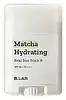
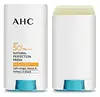
B.LAB Matcha Hydrating Real Sun Stick SPF 50+ Versus AHC Beauty Natural Perfection Fresh Sun Stick SPF50+PA++++
This chemical sunscreen covers the full UV range and blocks ~98% of UVB at SPF 50.
This chemical sunscreen covers the full UV range and blocks ~98% of UVB at SPF 50.

What's inside
What's inside
 Key Ingredients
Benefits
Concerns
Ingredients Side-by-side
Water
Skin ConditioningDicaprylyl Carbonate
EmollientSynthetic Wax
Abrasive

Dibutyl Adipate
EmollientDipropylene Glycol
HumectantDiethylamino Hydroxybenzoyl Hexyl Benzoate
UV Filter
Butyloctyl Salicylate
Skin Conditioning
Ethylhexyl Triazone
UV Absorber
Bis-Ethylhexyloxyphenol Methoxyphenyl Triazine
UV Absorber
Vinyl Dimethicone/Methicone Silsesquioxane Crosspolymer


Ozokerite
Emulsion StabilisingBisabolol
Antioxidant





Polyglyceryl-4 Diisostearate/Polyhydroxystearate/Sebacate
Emulsifying

Sodium Chloride
MaskingLauryl Polyglyceryl-3 Polydimethylsiloxyethyl Dimethicone
Skin Conditioning
Caprylyl Glycol
Emollient
1,2-Hexanediol
Skin Conditioning
Mesembryanthemum Crystallinum Extract
HumectantEthylhexylglycerin
Skin ConditioningAdenosine
Skin Conditioning
Water, Dicaprylyl Carbonate, Synthetic Wax, Dibutyl Adipate, Dipropylene Glycol, Diethylamino Hydroxybenzoyl Hexyl Benzoate, Butyloctyl Salicylate, Ethylhexyl Triazone, Bis-Ethylhexyloxyphenol Methoxyphenyl Triazine, Vinyl Dimethicone/Methicone Silsesquioxane Crosspolymer, Ozokerite, Bisabolol, Polyglyceryl-4 Diisostearate/Polyhydroxystearate/Sebacate, Sodium Chloride, Lauryl Polyglyceryl-3 Polydimethylsiloxyethyl Dimethicone, Caprylyl Glycol, 1,2-Hexanediol, Mesembryanthemum Crystallinum Extract, Ethylhexylglycerin, Adenosine
Dimethicone
Emollient
Vinyl Dimethicone/Methicone Silsesquioxane Crosspolymer
Polyethylene
Abrasive
Cetyl Ethylhexanoate
EmollientHomosalate
Skin Conditioning
Ethylhexyl Methoxycinnamate
UV Absorber
Dicaprylyl Carbonate
EmollientHydrogenated Poly(C6-14 Olefin)
EmollientEthylhexyl Salicylate
UV Absorber
Tocopheryl Acetate
Antioxidant

Diethylamino Hydroxybenzoyl Hexyl Benzoate
UV Filter
Bis-Ethylhexyloxyphenol Methoxyphenyl Triazine
UV Absorber
Ozokerite
Emulsion StabilisingCitrus Aurantium Dulcis Peel Oil
Masking

Passiflora Edulis Seed Oil
Emollient
Camellia Sinensis Leaf Extract
Antimicrobial
Camellia Sinensis Flower Extract
Perfuming
Lavandula Angustifolia Flower Water
Skin Conditioning
Centella Asiatica Extract
Cleansing
Water
Skin ConditioningOpuntia Ficus-Indica Stem Extract
Skin Conditioning
Oryza Sativa Bran Extract
Skin Conditioning
Argania Spinosa Kernel Oil
Emollient
Aloe Barbadensis Leaf Extract
Emollient
Citrus Aurantium Dulcis Fruit Extract
MaskingCalendula Officinalis Flower Extract
Masking
Cocos Nucifera Oil
Masking

Vanilla Tahitensis Fruit Extract
Skin ConditioningHelianthus Annuus Seed Oil
Emollient
Sea Water
HumectantLactobacillus/Soybean Ferment Extract
Skin ConditioningDioscorea Villosa Root Extract
Skin Conditioning
Pseudoalteromonas Ferment Extract
Humectant
Origanum Vulgare Leaf Extract
Skin ConditioningCupressus Sempervirens Leaf Extract
Perfuming
Salix Alba Bark Extract
Astringent
Tremella Fuciformis Extract
Humectant
Portulaca Oleracea Extract
Skin Conditioning
Ficus Carica Bark Extract
Skin ConditioningGolden Extract
Nymphaea Alba Flower Extract
Skin ConditioningEpilobium Fleischeri Extract
Skin ConditioningCinnamomum Zeylanicum Bark Extract
Antimicrobial
Nephelium Lappaceum Branch/Fruit/Leaf Extract
Skin ConditioningOryza Sativa Extract
Absorbent
Garcinia Mangostana Peel Extract
Skin ConditioningGardenia Taitensis Flower Extract
Skin ConditioningBisabolol
Antioxidant
Lauryl PEG-9 Polydimethylsiloxyethyl Dimethicone
Skin Conditioning
Dehydroacetic Acid
Preservative
Hydrolyzed Hyaluronic Acid
Humectant
Dipropylene Glycol
HumectantButylene Glycol
Humectant
Glycerin
Humectant
Xylitylglucoside
Humectant
Anhydroxylitol
Humectant
Capryloyl Glycine
CleansingSodium Palmitoyl Proline
Skin ConditioningHexylene Glycol
EmulsifyingXylitol
Humectant
1,2-Hexanediol
Skin Conditioning
Citric Acid
Buffering
Caprylyl Glycol
Emollient
Potassium Sulfate
Oxygen
Skin ConditioningEthylhexylglycerin
Skin ConditioningTocopherol
Antioxidant
Limonene
Perfuming
Citral
Perfuming
Linalool
Perfuming
Dimethicone, Vinyl Dimethicone/Methicone Silsesquioxane Crosspolymer, Polyethylene, Cetyl Ethylhexanoate, Homosalate, Ethylhexyl Methoxycinnamate, Dicaprylyl Carbonate, Hydrogenated Poly(C6-14 Olefin), Ethylhexyl Salicylate, Tocopheryl Acetate, Diethylamino Hydroxybenzoyl Hexyl Benzoate, Bis-Ethylhexyloxyphenol Methoxyphenyl Triazine, Ozokerite, Citrus Aurantium Dulcis Peel Oil, Passiflora Edulis Seed Oil, Camellia Sinensis Leaf Extract, Camellia Sinensis Flower Extract, Lavandula Angustifolia Flower Water, Centella Asiatica Extract, Water, Opuntia Ficus-Indica Stem Extract, Oryza Sativa Bran Extract, Argania Spinosa Kernel Oil, Aloe Barbadensis Leaf Extract, Citrus Aurantium Dulcis Fruit Extract, Calendula Officinalis Flower Extract, Cocos Nucifera Oil, Vanilla Tahitensis Fruit Extract, Helianthus Annuus Seed Oil, Sea Water, Lactobacillus/Soybean Ferment Extract, Dioscorea Villosa Root Extract, Pseudoalteromonas Ferment Extract, Origanum Vulgare Leaf Extract, Cupressus Sempervirens Leaf Extract, Salix Alba Bark Extract, Tremella Fuciformis Extract, Portulaca Oleracea Extract, Ficus Carica Bark Extract, Golden Extract, Nymphaea Alba Flower Extract, Epilobium Fleischeri Extract, Cinnamomum Zeylanicum Bark Extract, Nephelium Lappaceum Branch/Fruit/Leaf Extract, Oryza Sativa Extract, Garcinia Mangostana Peel Extract, Gardenia Taitensis Flower Extract, Bisabolol, Lauryl PEG-9 Polydimethylsiloxyethyl Dimethicone, Dehydroacetic Acid, Hydrolyzed Hyaluronic Acid, Dipropylene Glycol, Butylene Glycol, Glycerin, Xylitylglucoside, Anhydroxylitol, Capryloyl Glycine, Sodium Palmitoyl Proline, Hexylene Glycol, Xylitol, 1,2-Hexanediol, Citric Acid, Caprylyl Glycol, Potassium Sulfate, Oxygen, Ethylhexylglycerin, Tocopherol, Limonene, Citral, Linalool
Reviews
Ingredients Explained
These ingredients are found in both products.
Ingredients higher up in an ingredient list are typically present in a larger amount.
1,2-Hexanediol is a synthetic liquid and another multi-functional powerhouse.
It is a:
- Humectant, drawing moisture into the skin
- Emollient, helping to soften skin
- Solvent, dispersing and stabilizing formulas
- Preservative booster, enhancing the antimicrobial activity of other preservatives
This ingredient is better known as bemotrizinol or Tinosorb S and is one of the best broad-spectrum UV filters in modern sunscreen.
It works by absorbing UV light across a whole range (280-400 nm) with peaks around 310 nm (UVB) and 340-345 nm (UVA). This means it covers UVB plus the deeper UVA wavelengths that drive photoaging and pigmentation.
Another pro?
It's exceptionally photostable, barely degrades in sunlight, and acts as a "bodyguard" for less stable filters.
That's why you'll see it paired with avobenzone or octinoxate; this team up ensures they keep working through sun exposure.
Safety reviews have been reassuring across the board. This ingredient shows low absorption through the skin, rarely irritates, and lab studies found it doesn't act like a hormone in the body (a concern that's been raised about some older sunscreen filters).
On maximum concentrations:
In 2026, the US F.D.A finally added it as an OTC sunscreen ingredient at concentrations up to 6% for adults / children 6 months and older
Learn more about Bis-Ethylhexyloxyphenol Methoxyphenyl TriazineBisabolol is a gentle skin conditioner, antioxidant, and soothing ingredient.
It's primary claim to fame is soothing and research shows topically applied bisabolol can quiet the chemical messengers that cause your skin to become inflamed, helping to sooth any irritation.
A clinical study found that applying 0.5% bisabolol daily for 8 weeks produced an average 9% decrease in skin pigmentation. Researchers found it can also suppress the process that leads to excess melanin production in skin.
In vitro studies found that bisabolol combined with propylene glycol significantly increased skin permeability by increasing lipid fluidity in the stratum corneum.
You'll likely see use concentrations quite low, usually 0.1-0.2%.
Overall, this is a well-tolerated ingredient that works well in formulas designed for sensitive, reactive, or post-procedure skin.
Learn more about BisabololCaprylyl Glycol is a humectant, skin conditioner, emollient, and preservative booster derived from either caprylic acid or synthetically created.
Typical use levels vary from 0.3-1% as a preservative booster and go up to 2% to condition skin.
Because it is not a free-fatty acid, this ingredient is fungal acne safe (there's nothing for Malassezia to feed on).
Learn more about Caprylyl GlycolDicaprylyl Carbonate comes from carbonic acid and caprylyl alcohol, a fatty alcohol. It is an emollient and gives skin a velvet feel. The sources of Dicaprylyl Carbonate may be synthetic or from animals.
As an emollient, Dicaprylyl Carbonate creates a film on the skin. This film traps moisture in, keeping your skin soft and hydrated.
Diethylamino Hydroxybenzoyl Hexyl Benzoate (DHHB) is a chemical UV-A absorber. It is formulated for high UVA protection (320-400 nm).
DHHB is well-liked for:
DHHB has been approved by the EU, Japan, Taiwan, and South America for use up to 10%. Unfortunately, it has not been approved for use in the US or Canada due to slow regulatory processes.
This ingredient is soluble in oils, fats, and lipids.
Learn more about Diethylamino Hydroxybenzoyl Hexyl BenzoateDipropylene Glycol is a synthetically created humectant, stabilizer, and solvent.
This ingredient helps:
Dipropylene glycol is technically an alcohol, but it belongs to the glycol family (often considered part of the ‘good’ alcohols). This means it is hydrating and gentle on skin unlike drying solvent alcohols like denatured alcohol.
As a masking agent, Dipropylene Glycol can be used to cover the smell of other ingredients. However, it does not have a scent.
Studies show Dipropylene Glycol is considered safe to use in skincare.
Learn more about Dipropylene GlycolEthylhexylglycerin is created from glycerin. It is a multitasker ingredient that:
The CIR Expert Panel found minimal skin absorption or sensitization of any kind in a safety assessment. Though this ingredient is considered well-tolerated, a small number of cases of allergic dermatitis have been published since 2002. Just be sure to patch test if you are unsure.
Industry-reported use ranges from 8% in rinse-off products and 2% in leave-on formulations.
Learn more about EthylhexylglycerinOzokerite is a naturally occuring mineral wax. In cosmetics, ozokerite is used as a texture enhancer.
Ceresin wax is derived from this ingredient.
The melting point of ozokerite is 58-100 C.
Ozokerite is found all over the world including Scotland, the US, and India.
Learn more about OzokeriteThis ingredient is used in makeup and skincare to thicken formulas, reduce shine, and give skin a silky-smooth feel.
It’s a white silicone powder that sits in fine lines and pores to blur their appearance though its effectiveness depends on the particle size.
You'll typically find this ingredient in amounts between 0.1-20%.
Learn more about Vinyl Dimethicone/Methicone Silsesquioxane CrosspolymerWater. It's the most common cosmetic ingredient of all. You'll usually see it at the top of ingredient lists, meaning that it makes up the largest part of the product.
So why is it so popular? Water most often acts as a solvent - this means that it helps dissolve other ingredients into the formulation.
You'll also recognize water as that liquid we all need to stay alive. If you see this, drink a glass of water. Remember to stay hydrated!
Learn more about Water

