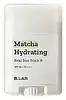
This chemical sunscreen covers the full UV range and blocks ~98% of UVB at SPF 50.
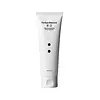
This mild foaming cleanser is made to cleanse without leaving your skin tight or dry.

What's inside
What's inside
 Key Ingredients
Benefits
Concerns
No concerns
Ingredients Side-by-side
Water
Skin ConditioningDicaprylyl Carbonate
EmollientSynthetic Wax
Abrasive

Dibutyl Adipate
EmollientDipropylene Glycol
HumectantDiethylamino Hydroxybenzoyl Hexyl Benzoate
UV Filter
Butyloctyl Salicylate
Skin Conditioning
Ethylhexyl Triazone
UV Absorber
Bis-Ethylhexyloxyphenol Methoxyphenyl Triazine
UV Absorber
Vinyl Dimethicone/Methicone Silsesquioxane Crosspolymer


Ozokerite
Emulsion StabilisingBisabolol
Antioxidant





Polyglyceryl-4 Diisostearate/Polyhydroxystearate/Sebacate
Emulsifying

Sodium Chloride
MaskingLauryl Polyglyceryl-3 Polydimethylsiloxyethyl Dimethicone
Skin Conditioning
Caprylyl Glycol
Emollient
1,2-Hexanediol
Skin Conditioning
Mesembryanthemum Crystallinum Extract
HumectantEthylhexylglycerin
Skin ConditioningAdenosine
Skin Conditioning
Water, Dicaprylyl Carbonate, Synthetic Wax, Dibutyl Adipate, Dipropylene Glycol, Diethylamino Hydroxybenzoyl Hexyl Benzoate, Butyloctyl Salicylate, Ethylhexyl Triazone, Bis-Ethylhexyloxyphenol Methoxyphenyl Triazine, Vinyl Dimethicone/Methicone Silsesquioxane Crosspolymer, Ozokerite, Bisabolol, Polyglyceryl-4 Diisostearate/Polyhydroxystearate/Sebacate, Sodium Chloride, Lauryl Polyglyceryl-3 Polydimethylsiloxyethyl Dimethicone, Caprylyl Glycol, 1,2-Hexanediol, Mesembryanthemum Crystallinum Extract, Ethylhexylglycerin, Adenosine
Water
Skin ConditioningGlycerin
Humectant
Sodium Cocoyl Glycinate
Cleansing
Sodium Lauroyl Glutamate
Surfactant1,2-Hexanediol
Skin Conditioning
Betaine
Humectant
Hydroxypropyl Starch Phosphate
Camellia Sinensis Leaf Extract
Antimicrobial

Melia Azadirachta Leaf Extract
Skin ConditioningLaminaria Japonica Extract
Skin Protecting
Melia Azadirachta Flower Extract
Skin ConditioningEclipta Prostrata Leaf Extract
Skin ConditioningUlmus Davidiana Root Extract
Skin Conditioning
Ficus Carica Fruit Extract
Humectant
Centella Asiatica Extract
Cleansing
Amaranthus Caudatus Seed Extract
Skin Conditioning
Hydrogenated Lecithin
Emulsifying
Lauryl Betaine
CleansingButylene Glycol
Humectant
Camellia Sinensis Leaf Powder
Sodium Chloride
MaskingPolyquaternium-39
Decylene Glycol
Skin ConditioningAllantoin
Skin Conditioning
Dipropylene Glycol
HumectantFructan
Skin ConditioningFructooligosaccharides
Humectant
Beta-Glucan
Skin Conditioning
Ceramide NP
Skin Conditioning
Tocopherol
Antioxidant

Hydrolyzed Hyaluronic Acid
Humectant
Hydroxyacetophenone
Antioxidant
Ethylhexylglycerin
Skin ConditioningSodium Benzoate
Masking
Water, Glycerin, Sodium Cocoyl Glycinate, Sodium Lauroyl Glutamate, 1,2-Hexanediol, Betaine, Hydroxypropyl Starch Phosphate, Camellia Sinensis Leaf Extract, Melia Azadirachta Leaf Extract, Laminaria Japonica Extract, Melia Azadirachta Flower Extract, Eclipta Prostrata Leaf Extract, Ulmus Davidiana Root Extract, Ficus Carica Fruit Extract, Centella Asiatica Extract, Amaranthus Caudatus Seed Extract, Hydrogenated Lecithin, Lauryl Betaine, Butylene Glycol, Camellia Sinensis Leaf Powder, Sodium Chloride, Polyquaternium-39, Decylene Glycol, Allantoin, Dipropylene Glycol, Fructan, Fructooligosaccharides, Beta-Glucan, Ceramide NP, Tocopherol, Hydrolyzed Hyaluronic Acid, Hydroxyacetophenone, Ethylhexylglycerin, Sodium Benzoate
Reviews
Ingredients Explained
These ingredients are found in both products.
Ingredients higher up in an ingredient list are typically present in a larger amount.
1,2-Hexanediol is a synthetic liquid and another multi-functional powerhouse.
It is a:
- Humectant, drawing moisture into the skin
- Emollient, helping to soften skin
- Solvent, dispersing and stabilizing formulas
- Preservative booster, enhancing the antimicrobial activity of other preservatives
Dipropylene Glycol is a synthetically created humectant, stabilizer, and solvent.
This ingredient helps:
Dipropylene glycol is technically an alcohol, but it belongs to the glycol family (often considered part of the ‘good’ alcohols). This means it is hydrating and gentle on skin unlike drying solvent alcohols like denatured alcohol.
As a masking agent, Dipropylene Glycol can be used to cover the smell of other ingredients. However, it does not have a scent.
Studies show Dipropylene Glycol is considered safe to use in skincare.
Learn more about Dipropylene GlycolEthylhexylglycerin is created from glycerin. It is a multitasker ingredient that:
The CIR Expert Panel found minimal skin absorption or sensitization of any kind in a safety assessment. Though this ingredient is considered well-tolerated, a small number of cases of allergic dermatitis have been published since 2002. Just be sure to patch test if you are unsure.
Industry-reported use ranges from 8% in rinse-off products and 2% in leave-on formulations.
Learn more about EthylhexylglycerinChances are, you eat sodium chloride every day. Sodium Chloride is also known as table salt. This ingredient has many purposes in skincare: thickener, emulsifier, and exfoliator.
You'll most likely find this ingredient in cleansers where it is used to create a gel-like texture. As an emulsifier, it also prevents ingredients from separating.
You might see people debate whether Sodium Chloride is comedogenic, but there actually haven't been any comedogenic tests done on it. Either way, the overall formulation of a product matters a lot more than any single ingredient.
You might see this ingredient used in scrubs as a primary exfoliating ingredient.
Learn more about Sodium ChlorideWater. It's the most common cosmetic ingredient of all. You'll usually see it at the top of ingredient lists, meaning that it makes up the largest part of the product.
So why is it so popular? Water most often acts as a solvent - this means that it helps dissolve other ingredients into the formulation.
You'll also recognize water as that liquid we all need to stay alive. If you see this, drink a glass of water. Remember to stay hydrated!
Learn more about Water

