
What's inside
What's inside
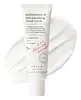 Key Ingredients
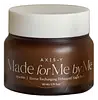
Benefits
Concerns
Ingredients Side-by-side
Water
Skin ConditioningPanthenol 10%
Skin Conditioning




Methylpropanediol
SolventSqualane
Emollient
Glycerin
Humectant
Cetyl Ethylhexanoate
EmollientVinyldimethicone

Propylheptyl Caprylate
EmollientCetearyl Alcohol
Emollient




Betaine
Humectant
Asiaticoside
Antioxidant

Madecassic Acid
Skin Conditioning
Madecassoside
Antioxidant
Asiatic Acid
Skin Conditioning
Centella Asiatica Extract
Cleansing
Centella Asiatica Root Extract
Skin Conditioning
Centella Asiatica Leaf Extract
Skin Conditioning
Tocopherol
Antioxidant


Beta-Sitosterol
Emulsion Stabilising
Taurine
BufferingXylitol
Humectant
Erythritol
Humectant
Arginine
Masking
Phytosterols
Skin Conditioning
Ceramide NP
Skin Conditioning
Morus Alba Root Extract
BleachingSaccharomyces Ferment
Skin Conditioning
1,2-Hexanediol
Skin Conditioning
Polyglyceryl-2 Stearate
Emulsifying
Glyceryl Stearate
Emollient
Glyceryl Stearate Se
Emulsifying
Stearyl Alcohol
Emollient
Hydroxyacetophenone
Antioxidant
Hydroxyethyl Acrylate/Sodium Acryloyldimethyl Taurate Copolymer
Emulsion StabilisingBehenyl Alcohol
Emollient
Acrylates/C10-30 Alkyl Acrylate Crosspolymer
Emulsion StabilisingHydrogenated Lecithin
Emulsifying
Xanthan Gum
EmulsifyingEthylhexylglycerin
Skin ConditioningTromethamine
BufferingDisodium EDTA
Citric Acid
Buffering

Cholesterol
Emollient
Sorbitan Isostearate
Emulsifying
Butylene Glycol
Humectant
Propanediol
Solvent
Hydroxypropyl Cyclodextrin
MaskingSucrose Distearate
Emollient
Water, Panthenol 10%, Methylpropanediol, Squalane, Glycerin, Cetyl Ethylhexanoate, Vinyldimethicone, Propylheptyl Caprylate, Cetearyl Alcohol, Betaine, Asiaticoside, Madecassic Acid, Madecassoside, Asiatic Acid, Centella Asiatica Extract, Centella Asiatica Root Extract, Centella Asiatica Leaf Extract, Tocopherol, Beta-Sitosterol, Taurine, Xylitol, Erythritol, Arginine, Phytosterols, Ceramide NP, Morus Alba Root Extract, Saccharomyces Ferment, 1,2-Hexanediol, Polyglyceryl-2 Stearate, Glyceryl Stearate, Glyceryl Stearate Se, Stearyl Alcohol, Hydroxyacetophenone, Hydroxyethyl Acrylate/Sodium Acryloyldimethyl Taurate Copolymer, Behenyl Alcohol, Acrylates/C10-30 Alkyl Acrylate Crosspolymer, Hydrogenated Lecithin, Xanthan Gum, Ethylhexylglycerin, Tromethamine, Disodium EDTA, Citric Acid, Cholesterol, Sorbitan Isostearate, Butylene Glycol, Propanediol, Hydroxypropyl Cyclodextrin, Sucrose Distearate
Water
Skin ConditioningDicaprylyl Carbonate
EmollientGlycerin
Humectant
Methylpropanediol
Solvent1,2-Hexanediol
Skin Conditioning
Bifida Ferment Lysate
Skin Conditioning
Polyglycerin-3
Humectant
Betaine
Humectant
Centella Asiatica Extract
Cleansing
Artemisia Princeps Leaf Extract
Skin ConditioningTheobroma Cacao Seed Extract
Antioxidant
Laminaria Japonica Extract
Skin Protecting
Eclipta Prostrata Leaf Extract
Skin ConditioningJuniperus Virginiana Oil
Masking



Cedrus Atlantica Bark Oil
Masking
Amyris Balsamifera Bark Oil
Masking
Sodium Hyaluronate
Humectant
Pogostemon Cablin Leaf Oil
Masking
Hydrogenated Lecithin
Emulsifying
Ammonium Acryloyldimethyltaurate/Vp Copolymer
Polyglyceryl-10 Myristate
Skin Conditioning
Carbomer
Emulsion StabilisingTromethamine
BufferingFructooligosaccharides
Humectant
Adenosine
Skin Conditioning
Disodium EDTA
Dextrin
AbsorbentButylene Glycol
Humectant
Copaifera Officinalis Resin
MaskingLactobacillus Ferment Lysate
Skin Conditioning
Lactococcus Ferment Lysate
Skin Conditioning
Beta-Glucan
Skin Conditioning
Bifida Ferment Filtrate
Skin Conditioning
Saccharomyces Ferment Filtrate
Humectant
Hydrolyzed Hyaluronic Acid
Humectant
Ethylhexylglycerin
Skin ConditioningWater, Dicaprylyl Carbonate, Glycerin, Methylpropanediol, 1,2-Hexanediol, Bifida Ferment Lysate, Polyglycerin-3, Betaine, Centella Asiatica Extract, Artemisia Princeps Leaf Extract, Theobroma Cacao Seed Extract, Laminaria Japonica Extract, Eclipta Prostrata Leaf Extract, Juniperus Virginiana Oil, Cedrus Atlantica Bark Oil, Amyris Balsamifera Bark Oil, Sodium Hyaluronate, Pogostemon Cablin Leaf Oil, Hydrogenated Lecithin, Ammonium Acryloyldimethyltaurate/Vp Copolymer, Polyglyceryl-10 Myristate, Carbomer, Tromethamine, Fructooligosaccharides, Adenosine, Disodium EDTA, Dextrin, Butylene Glycol, Copaifera Officinalis Resin, Lactobacillus Ferment Lysate, Lactococcus Ferment Lysate, Beta-Glucan, Bifida Ferment Filtrate, Saccharomyces Ferment Filtrate, Hydrolyzed Hyaluronic Acid, Ethylhexylglycerin
Reviews
Ingredients Explained
These ingredients are found in both products.
Ingredients higher up in an ingredient list are typically present in a larger amount.
1,2-Hexanediol is a synthetic liquid and another multi-functional powerhouse.
It is a:
- Humectant, drawing moisture into the skin
- Emollient, helping to soften skin
- Solvent, dispersing and stabilizing formulas
- Preservative booster, enhancing the antimicrobial activity of other preservatives
Betaine is a humectant. Like hyaluronic acid, it helps attract and retain moisture in the skin. It’s known for being gentle and for helping the skin maintain balanced hydration.
Betaine is mainly used to improve hydration and support calmer skin. It helps skin cells regulate water balance because it functions as an osmolyte.
Some studies suggest betaine may support making skin tone more even.
Fun fact: Betaine naturally exists in the skin and the body. In cosmetic products, it can be either plant-derived (most commonly from sugar beets) or synthetically produced for consistency and stability.
Betaine is also known as trimethylglycine.
Learn more about BetaineButylene Glycol (or BG) is used within cosmetic products for a few different reasons:
Overall, Butylene Glycol is a safe and well-rounded ingredient that works well with other ingredients.
Though this ingredient works well with most skin types, some people with sensitive skin may experience a reaction such as allergic rashes, closed comedones, or itchiness.
Learn more about Butylene GlycolCentella Asiatica Extract (Centella) is derived from an herb native to Southeast Asia. It is famous for its anti-inflammatory and soothing properties.
Centella is rich in antioxidants and amino acids, such as Madecassic Acid and Asiaticoside.
Studies show the compounds in centella help with:
The combination of all these properties makes centella effective at soothing, hydrating, and protecting the skin.
Other great components of centella include Vitamin A, vitamin C, several B vitamins, and Asiatic Acid.
Fun fact: Centella has been used as a medicine and in food for many centuries. As a medicine, it is used to treat burns, scratches, and wounds.
Learn more about Centella Asiatica ExtractDisodium EDTA is a chelating agent. It grabs onto and deactivates metal ions that sneak into your products from water, packaging, or air.
This ingredient mainly works behind the scenes and helps with:
On top of that, this ingredient can counteract the effects of hard water by binding to the minerals in it.
One thing worth knowing is that Disodium EDTA has been shown to be a mild penetration enhancer. It can help other ingredients absorb into skin more effectively which can be a double-edged sword (great for actives, but can also make the active too strong if you have sensitive skin).
Clinical patch testing showed no significant skin irritation at typical use concentrations and minimal dermal absorption.
You'll most likely see this ingredient near the end of an ingredient list. It's typically found in concentrations less than 1%.
Learn more about Disodium EDTAEthylhexylglycerin is created from glycerin. It is a multitasker ingredient that:
The CIR Expert Panel found minimal skin absorption or sensitization of any kind in a safety assessment. Though this ingredient is considered well-tolerated, a small number of cases of allergic dermatitis have been published since 2002. Just be sure to patch test if you are unsure.
Industry-reported use ranges from 8% in rinse-off products and 2% in leave-on formulations.
Learn more about EthylhexylglycerinGlycerin (or glycerol) is a compound naturally found in your skin. It's a powerhouse humectant that pulls water into the stratum corneum.
Topically, glycerin does several things at once:
Your skin makes glycerin on its own (mostly from sebaceous oil breakdown) and shuttles it to your outermost layer of skin, or your epidermis, via aquaporin-3.
Aquaporin-3 is a transporter that is essential for normal skin hydration, elasticity, and repair. Interestingly, mice lacking in AQP3 have dry and less elastic skin that can be fully corrected with glycerin.
This ingredient is non-irritating, plays well with almost every ingredient, and works across all skin types. Typical use is anywhere between 3-10% but can go up to 79% in some leave-on products.
Just know very high concentrations (>40%) can feel tacky in low humidity.
Glycerin is the name for this ingredient in American English. British English uses Glycerol/Glycerine.
Learn more about GlycerinHydrogenated Lecithin is a more stable version of lecithin.
It's made by taking lecithin (a phospholipid commonly found in soybeans and egg yolks) and hydrogenating it. This just means the unsaturated fatty acids are turned into saturated ones so they don't go bad as easily.
This ingredient is an emollient, emulsifier, and penetration enhancer. As an emollient, it helps soften and hydrate skin by trapping moisture within. As an emulsifier, it prevents oil and water ingredients from separating.
Hydrogenated Lecithin can form tiny spherical structures made of phospholipid bilayers called liposomes. These liposomes are able to capture compounds inside their structure and deliver them through the skin barrier.
Because phospholipids are a natural component of our cell membranes, this ingredient is inherently compatible with skin.
A 2021 study found lecithin-based surfactants were less harsh and more tolerable comared to Sodium Lauryl Sulfate (SLS).
Learn more about Hydrogenated LecithinMethylpropanediol is a synthetic solvent and humectant.
As a solvent, it helps dissolve other ingredients, helping to evenly distribute ingredients throughout the product. This ingredient has also been shown to have antimicrobial properties which makes it a preservative booster.
Methylpropanediol is able to add a bit of moisture to the skin. It also helps other ingredients be better absorbed into the skin, such as salicylic acid.
Learn more about MethylpropanediolTromethamine helps balance the pH and improve the texture of a product. It is synthetically created.
As an emulsifier, Tromethamine prevents oil and water ingredients from separating. This helps stabilize the product and elongate a product's shelf life. Tromethamine also makes a product thicker.
Tromethamine helps balance the pH level of a product. Normal pH level of skin is slightly acidic (~4.75-5.5). The acidity of our skin is maintained by our glands and skin biome. Being slightly acidic allows our skin to create an "acid mantle". This acid mantle is a thin barrier that protects our skin from bacteria and contaminants.
Oral Tromethanmine is an anti-inflammatory drug but plays the role of masking, adding fragrance, and/or balancing pH in skincare.
1,3-Propanediol, 2-amino-2-(hydroxymethyl)-
Learn more about TromethamineWater. It's the most common cosmetic ingredient of all. You'll usually see it at the top of ingredient lists, meaning that it makes up the largest part of the product.
So why is it so popular? Water most often acts as a solvent - this means that it helps dissolve other ingredients into the formulation.
You'll also recognize water as that liquid we all need to stay alive. If you see this, drink a glass of water. Remember to stay hydrated!
Learn more about Water
