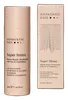
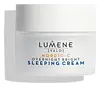
Authentic Ego Super Sensa Barrier Repair Moisturizer With Pre & Postbiotics Versus Lumene Valo Nordic-C Overnight Bright Sleeping Cream
This barrier-repair moisturizer is formulated around Squalane and Niacinamide to strengthen the skin barrier and calm redness.
This brightening night moisturizer is formulated around Lactococcus Ferment Lysate and Niacinamide to brighten dull-looking skin.


What's inside
What's inside
 Key Ingredients
Benefits
Concerns
No concerns
Ingredients Side-by-side
Water
Skin ConditioningSqualane
Emollient


Propanediol
Solvent
Glyceryl Glucoside
Humectant
Niacinamide
Smoothing









Betaine
Humectant
Ammonium Polyacryloyldimethyl Taurate
Emulsion StabilisingMaltodextrin
Absorbent
Inulin
Skin Conditioning
Swertia Chirata Extract
HumectantArtemisia Annua Extract
Masking
Benzylsulfonyl D-Seryl Homophenylalanine Amidinobenzamide Acetate
Skin ConditioningTrehalose
Humectant
Lactobacillus Ferment
Skin Conditioning
Tremella Fuciformis Sporocarp Extract
Antioxidant
Acetyl Heptapeptide-4
Humectant
Alpha-Glucan Oligosaccharide
Cleansing
Xylitylglucoside
Humectant
Anhydroxylitol
Humectant
Xylitol
Humectant
Bifida Ferment Lysate
Skin Conditioning
Polyglutamic Acid
Skin Conditioning
Panthenol
Skin Conditioning
Caprylhydroxamic Acid
Chelating1,2-Hexanediol
Skin Conditioning
Caprylyl Glycol
Emollient
Tocopheryl Acetate
Antioxidant
Water, Squalane, Propanediol, Glyceryl Glucoside, Niacinamide, Betaine, Ammonium Polyacryloyldimethyl Taurate, Maltodextrin, Inulin, Swertia Chirata Extract, Artemisia Annua Extract, Benzylsulfonyl D-Seryl Homophenylalanine Amidinobenzamide Acetate, Trehalose, Lactobacillus Ferment, Tremella Fuciformis Sporocarp Extract, Acetyl Heptapeptide-4, Alpha-Glucan Oligosaccharide, Xylitylglucoside, Anhydroxylitol, Xylitol, Bifida Ferment Lysate, Polyglutamic Acid, Panthenol, Caprylhydroxamic Acid, 1,2-Hexanediol, Caprylyl Glycol, Tocopheryl Acetate
Water
Skin ConditioningPrunus Amygdalus Dulcis Oil
Skin Conditioning




Hydrogenated Polydecene
EmollientOlus Oil
Emollient
Glycerin
Humectant
Cetearyl Alcohol
Emollient

Lactococcus Ferment Lysate
Skin Conditioning
Octyldodecyl Myristate
EmollientOleyl Erucate
Emollient
Cetyl Palmitate
Emollient
Glyceryl Stearate
Emollient
Niacinamide
Smoothing
PEG-100 Stearate
Surfactant
Rubus Chamaemorus Seed Oil
Skin Conditioning
Rubus Chamaemorus Seed Extract
Skin ConditioningPhenoxyethanol
Preservative
Hydrogenated Olive Oil
Skin Conditioning
Cetearyl Glucoside
Emulsifying
Propylheptyl Caprylate
EmollientTocopheryl Acetate
Antioxidant
Olea Europaea Fruit Oil
Masking
Propanediol
Solvent
Hippophae Rhamnoides Oil
Emollient
Acrylates/C10-30 Alkyl Acrylate Crosspolymer
Emulsion StabilisingEthylhexylglycerin
Skin ConditioningAllantoin
Skin Conditioning
Olea Europaea Oil Unsaponifiables
Skin Conditioning
Lecithin
Emollient
Tocopherol
Antioxidant
PEG-8
HumectantXanthan Gum
EmulsifyingCaprylyl Glycol
Emollient
Magnesium Ascorbyl Phosphate
Antioxidant
Retinyl Palmitate
Skin Conditioning
Algae Extract
Emollient
Sodium Hyaluronate
Humectant
Lactic Acid
Buffering

Sodium Hydroxide
BufferingSodium Benzoate
Masking
Sodium Chloride
MaskingAscorbyl Palmitate
Antioxidant
Potassium Sorbate
Preservative
Glucose
Humectant
Ascorbic Acid
Antioxidant
Chondrus Crispus
Masking
Citric Acid
Buffering
Helianthus Annuus Seed Oil
Emollient
Rosmarinus Officinalis Leaf Extract
AntimicrobialChondrus Crispus Extract
Skin Conditioning
Limonene
Perfuming
Linalool
Perfuming
Citral
Perfuming
Parfum
Masking
Water, Prunus Amygdalus Dulcis Oil, Hydrogenated Polydecene, Olus Oil, Glycerin, Cetearyl Alcohol, Lactococcus Ferment Lysate, Octyldodecyl Myristate, Oleyl Erucate, Cetyl Palmitate, Glyceryl Stearate, Niacinamide, PEG-100 Stearate, Rubus Chamaemorus Seed Oil, Rubus Chamaemorus Seed Extract, Phenoxyethanol, Hydrogenated Olive Oil, Cetearyl Glucoside, Propylheptyl Caprylate, Tocopheryl Acetate, Olea Europaea Fruit Oil, Propanediol, Hippophae Rhamnoides Oil, Acrylates/C10-30 Alkyl Acrylate Crosspolymer, Ethylhexylglycerin, Allantoin, Olea Europaea Oil Unsaponifiables, Lecithin, Tocopherol, PEG-8, Xanthan Gum, Caprylyl Glycol, Magnesium Ascorbyl Phosphate, Retinyl Palmitate, Algae Extract, Sodium Hyaluronate, Lactic Acid, Sodium Hydroxide, Sodium Benzoate, Sodium Chloride, Ascorbyl Palmitate, Potassium Sorbate, Glucose, Ascorbic Acid, Chondrus Crispus, Citric Acid, Helianthus Annuus Seed Oil, Rosmarinus Officinalis Leaf Extract, Chondrus Crispus Extract, Limonene, Linalool, Citral, Parfum
Reviews
Ingredients Explained
These ingredients are found in both products.
Ingredients higher up in an ingredient list are typically present in a larger amount.
Caprylyl Glycol is a humectant, skin conditioner, emollient, and preservative booster derived from either caprylic acid or synthetically created.
Typical use levels vary from 0.3-1% as a preservative booster and go up to 2% to condition skin.
Because it is not a free-fatty acid, this ingredient is fungal acne safe (there's nothing for Malassezia to feed on).
Learn more about Caprylyl GlycolNiacinamide is a multitasking form of vitamin B3 that strengthens the skin barrier, reduces pores and dark spots, regulates oil, and improves signs of aging.
And the best part? It's gentle and well-tolerated by most skin types, including sensitive and reactive skin.
You might have heard of "niacin flush", or the reddening of skin that causes itchiness. Niacinamide has not been found to cause this.
In very rare cases, some individuals may not be able to tolerate niacinamide at all or experience an allergic reaction to it.
If you are experiencing flaking, irritation, and dryness with this ingredient, be sure to double check all your products as this ingredient can be found in all categories of skincare.
When incorporating niacinamide into your routine, look out for concentration amounts. Typically, 5% niacinamide provides benefits such as fading dark spots. However, if you have sensitive skin, it is better to begin with a smaller concentration.
When you apply niacinamide to your skin, your body converts it into nicotinamide adenine dinucleotide (NAD). NAD is an essential coenzyme that is already found in your cells as "fuel" and powers countless biological processes.
In your skin, NAD helps repair cell damage, produce new healthy cells, support collagen production, strengthen the skin barrier, and fight environmental stressors (like UV and pollution).
Our natural NAD levels start to decline with age, leading to slower skin repair, visible aging, and a weaker skin barrier. By providing your skin niacinamide, you're recharging your skin's NAD levels. This leads to stronger, healthier, and younger looking skin.
Another name for vitamin B3 is nicotinamide. This vitamin is water-soluble and our bodies don't store it. We obtain Vitamin B3 from either food or skincare. Meat, fish, wheat, yeast, and leafy greens contain vitamin B3.
The type of niacinamide used in skincare is synthetically created.
Learn more about NiacinamidePropanediol is an all-star ingredient. It softens, hydrates, and smooths the skin.
It’s often used to:
Propanediol is not likely to cause sensitivity and considered safe to use. It is derived from corn or petroleum with a clear color and no scent.
Learn more about PropanediolTocopheryl Acetate is a stable, shelf-friendly form of vitamin E.
Formulators love it because plain vitamin E oxidizes quickly once it hits air. This acetate version stays stable and resists going off, helping to extend a product's shelf life.
It's actually inactive on its own and works like a slow-release "storage" form; the enzymes in your skin called esterases gradually convert it into active vitamin E over time.
One in vivo study showed 5% of the acetate in the living layer of the epidermis converted to vitamin E after 5 days of application. This study also found the skin gained protection against UV damage even though the conversion was slow and small.
Once converted, vitamin E acts as a skin's main fat-soluble antioxidant that fights free radicals to protect skin from damage.
Topical vitamin E generally boosts the skin's photoprotection, and it reduced UV-damage in animal models.
This ingredient has some brightening potential but it's more of a prevention ingredient than spot-fader. Cell studies show it can slow down melanin production but it's worth noting that it's not the most powerful brightener out there.
Overall, it has a pretty solid safety profile and has been found to be non-irritating and non-comedogenic. Allergic reactions may happen but stay rare due to how widely the ingredient gets used.
The concentration will vary depending on the formula; industry data shows 0.1% in baby lotions, 3% in lipsticks, and 5% in foot powders. You can also find this ingredient at 100% in a pure vitamin E oil.
Most leave-on skincare keeps it at the lower end, often between 0.5-1%.
Learn more about Tocopheryl AcetateWater. It's the most common cosmetic ingredient of all. You'll usually see it at the top of ingredient lists, meaning that it makes up the largest part of the product.
So why is it so popular? Water most often acts as a solvent - this means that it helps dissolve other ingredients into the formulation.
You'll also recognize water as that liquid we all need to stay alive. If you see this, drink a glass of water. Remember to stay hydrated!
Learn more about Water

