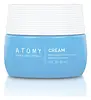
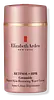
Atomy Hydra Brightening Cream Versus Elizabeth Arden Ceramide Retinol + HPR Rapid Skin Renewing Water Cream
This brightening moisturizer is formulated around Betula Platyphylla Japonica Juice and Niacinamide to brighten dull-looking skin and hydrate skin.
This anti-aging moisturizer is formulated around Ceramide NP and Hydroxypinacolone Retinoate to soften the look of wrinkles and refine skin texture.


What's inside
What's inside
 Key Ingredients
Benefits
Concerns
Ingredients Side-by-side
Morus Alba Fruit Extract
Antioxidant
Betula Platyphylla Japonica Juice
Skin Conditioning
Hippophae Rhamnoides Fruit Extract
Skin Conditioning

Glycerin
Humectant

Hydrogenated Polyisobutene
EmollientMethylpropanediol
SolventCetearyl Ethylhexanoate
Emollient

Niacinamide
Smoothing







1,2-Hexanediol
Skin Conditioning
Cetyl Alcohol
Emollient

Butyrospermum Parkii Butter
Skin Conditioning


Dimethicone
Emollient
Glyceryl Stearate Se
Emulsifying
Polyglyceryl-3 Methylglucose Distearate
Emulsifying
Eclipta Prostrata Leaf Extract
Skin ConditioningLaminaria Japonica Extract
Skin Protecting
Palmitic Acid
Emollient
Methyl Trimethicone
Skin Conditioning
Stearic Acid
Cleansing
Parfum
Masking


Centella Asiatica Extract
Cleansing
Ficus Carica Fruit Extract
Humectant
Butylene Glycol
Humectant
Acmella Oleracea Extract
Skin ProtectingInositol
Humectant
Trehalose
Humectant
Myrothamnus Flabellifolia Leaf/Stem Extract
HumectantRosa Gallica Flower Extract
AstringentCamellia Sinensis Leaf Water
Masking
Propanediol
Solvent
Allantoin
Skin Conditioning
Fructooligosaccharides
Humectant
Water
Skin ConditioningHydrogenated Lecithin
Emulsifying
Disodium EDTA
ChelatingBeta-Glucan
Skin Conditioning
Carbomer
Emulsion StabilisingSodium Stearoyl Glutamate
CleansingTromethamine
BufferingSodium Hyaluronate
Humectant
Hydrolyzed Hyaluronic Acid
Humectant
Myristic Acid
Cleansing
Raffinose
Skin ConditioningFolic Acid
Skin ConditioningCeramide NP
Skin Conditioning
Cyanocobalamin
Skin ConditioningAscorbic Acid
Antioxidant
Citric Acid
Buffering
Panthenol
Skin Conditioning
Palmitoyl Pentapeptide-4
Skin Conditioning
Morus Alba Fruit Extract, Betula Platyphylla Japonica Juice, Hippophae Rhamnoides Fruit Extract, Glycerin, Hydrogenated Polyisobutene, Methylpropanediol, Cetearyl Ethylhexanoate, Niacinamide, 1,2-Hexanediol, Cetyl Alcohol, Butyrospermum Parkii Butter, Dimethicone, Glyceryl Stearate Se, Polyglyceryl-3 Methylglucose Distearate, Eclipta Prostrata Leaf Extract, Laminaria Japonica Extract, Palmitic Acid, Methyl Trimethicone, Stearic Acid, Parfum, Centella Asiatica Extract, Ficus Carica Fruit Extract, Butylene Glycol, Acmella Oleracea Extract, Inositol, Trehalose, Myrothamnus Flabellifolia Leaf/Stem Extract, Rosa Gallica Flower Extract, Camellia Sinensis Leaf Water, Propanediol, Allantoin, Fructooligosaccharides, Water, Hydrogenated Lecithin, Disodium EDTA, Beta-Glucan, Carbomer, Sodium Stearoyl Glutamate, Tromethamine, Sodium Hyaluronate, Hydrolyzed Hyaluronic Acid, Myristic Acid, Raffinose, Folic Acid, Ceramide NP, Cyanocobalamin, Ascorbic Acid, Citric Acid, Panthenol, Palmitoyl Pentapeptide-4
Water
Skin ConditioningCaprylic/Capric Triglyceride
Masking
Glycerin
Humectant
Diisopropyl Adipate
EmollientPentylene Glycol
Skin Conditioning
Dimethicone
Emollient
Butylene Glycol
Humectant
4-T-Butylcyclohexanol
Masking
1,2-Hexanediol
Skin Conditioning
Acetyl Tetrapeptide-11
Skin Conditioning
Acetyl Tetrapeptide-9
Skin Conditioning
Ammonium Acryloyldimethyltaurate/Beheneth-25 Methacrylate Crosspolymer
Emulsion StabilisingBisabolol
Antioxidant
Butyrospermum Parkii Butter
Skin Conditioning
C13-14 Isoparaffin
Emollient
Caprylhydroxamic Acid
ChelatingCarbomer
Emulsion StabilisingCeramide NP
Skin Conditioning
Cetearyl Dimethicone Crosspolymer
Dimethyl Isosorbide
SolventDisodium EDTA
ChelatingGlyceryl Stearate
Emollient
Glycine Soja Oil
Emollient
Hydroxypinacolone Retinoate
Skin Conditioning
Laureth-7
EmulsifyingLimnanthes Alba Seed Oil
Skin Conditioning
Macadamia Integrifolia Seed Oil
Skin Conditioning
Mica
Cosmetic ColorantMoringa Oleifera Seed Oil
Emollient
PEG-100 Stearate
Surfactant
Phytosphingosine
Skin Conditioning
Polyacrylamide
Polysorbate 20
Emulsifying
Retinol
Skin Conditioning
Sodium Hyaluronate
Humectant
Tromethamine
BufferingZingiber Officinale Root Extract
Masking
Parfum
Masking
Tocopherol
Antioxidant
CI 77491
Cosmetic ColorantWater, Caprylic/Capric Triglyceride, Glycerin, Diisopropyl Adipate, Pentylene Glycol, Dimethicone, Butylene Glycol, 4-T-Butylcyclohexanol, 1,2-Hexanediol, Acetyl Tetrapeptide-11, Acetyl Tetrapeptide-9, Ammonium Acryloyldimethyltaurate/Beheneth-25 Methacrylate Crosspolymer, Bisabolol, Butyrospermum Parkii Butter, C13-14 Isoparaffin, Caprylhydroxamic Acid, Carbomer, Ceramide NP, Cetearyl Dimethicone Crosspolymer, Dimethyl Isosorbide, Disodium EDTA, Glyceryl Stearate, Glycine Soja Oil, Hydroxypinacolone Retinoate, Laureth-7, Limnanthes Alba Seed Oil, Macadamia Integrifolia Seed Oil, Mica, Moringa Oleifera Seed Oil, PEG-100 Stearate, Phytosphingosine, Polyacrylamide, Polysorbate 20, Retinol, Sodium Hyaluronate, Tromethamine, Zingiber Officinale Root Extract, Parfum, Tocopherol, CI 77491
Ingredients Explained
These ingredients are found in both products.
Ingredients higher up in an ingredient list are typically present in a larger amount.
1,2-Hexanediol is a synthetic liquid and another multi-functional powerhouse.
It is a:
- Humectant, drawing moisture into the skin
- Emollient, helping to soften skin
- Solvent, dispersing and stabilizing formulas
- Preservative booster, enhancing the antimicrobial activity of other preservatives
Butylene Glycol (or BG) is used within cosmetic products for a few different reasons:
Overall, Butylene Glycol is a safe and well-rounded ingredient that works well with other ingredients.
Though this ingredient works well with most skin types, some people with sensitive skin may experience a reaction such as allergic rashes, closed comedones, or itchiness.
Learn more about Butylene GlycolThis ingredient is also known as shea butter. It is a plant-derived extract from the nuts of the Africa shea tree and one of the most well-studied emollients.
Because it has a high concentration of fatty acids (primarily oleic, stearic, and linoleic) it is able to form a protective barrier on the skin's surface. This helps seal in moisture and prevents transepidermal water loss (TEWL).
In vitro research found an increase in skin hydration by 58% and a decrease in TEWL by 37.8% after 24 hours of applying this ingredient (pretty impressive for a single ingredient!).
Besides hydration, shea butter also contains triterpenes that have anti-inflammatory potential. In particule, lupeol cinnamate has shown the highest anti-inflammatory activity in vivo.
Shea butter also contains vitamins A and E which may contribute to antioxidant activity.
While Shea Butter has an SPF rating of about 3-4, it is not a sunscreen replacement.
This ingredient may not be fungal acne safe because its fatty acids fall within the C11-C24 range that the Malassezia yeast can metabolize.
This ingredient shows up on a lot of "pore-clogging" lists but there's no real evidence behind that. It doesn't even have a comedogenic rating from an actual study; the numbers you'll find online come from blogs citing other blogs.
Ratings for other ingredients mostly come from a 1980s rabbit ear test. This test doesn't translate well to human skin or to real products because the ingredient sits at a much lower percentage.
Some people still find it breaks them out. So if that's you, definitely trust your skin. Just know this one's based on experience and not evidence.
Learn more about Butyrospermum Parkii ButterCarbomer is a synthetic thickening and gelling agent. It's basically the ingredient that gives a lot of serums, gels, creams, and sunscreens their smooth, non-sticky texture.
Although legally permitted at very high levels, carbomers are normally used at concentrations below 1%.
It also needs to be neutralized to actually thicken, and because it is a large molecule, it doesn't really penetrate the skin barrier.
Allergy-wise, the risk is very low. Clinical studies show carbomers have low potential for skin irritation/sensitization even at concentrations up to 100%.
A 2024 UK study patch-tested 1,302 patients and found true allergy to the parent group of carbomer to be rare with no confirmed relevant reactions.
Learn more about CarbomerCeramide NP (formerly known as Ceramide 3) is one of the skin's naturally occurring lipids.
Since ceramides are the major lipid components of the skin, they are crucial for maintaining skin barrier and hydration. Ceramide NP most closely mirrors the dominant kind in human skin amongst ceramide subtypes.
This ceramide works by slotting into gaps within the stratum corneum's lipid matrix to limit trans-epidermal water loss (TEWL) and shield the skin against external irritants.
A study with 312 patients found that using a ceramide-containing routine for 4 weeks reduced the severity of atopic dermatitis by over 61%.
Another clinical study in subjects aged 60 and older found that a ceramide body wash and moisturizer improved skin dryness and itchy skin in 15 days.
Overall, ceramides are considered non-irritating and safety tests have found little to no observable adverse effects from using this ingredient.
Ceramide NP is usually sourced from plants (like soybean or rice bran), or produced synthetically.
Learn more about Ceramide NPDimethicone is a type of synthetic silicone created from natural materials such as quartz. It is also known as polydimethylsiloxane.
What it does:
Dimethicone comes in different viscosities:
Depending on the viscosity, dimethicone has different properties.
Ingredients lists don't always show which type is used, so we recommend reaching out to the brand if you have questions about the viscosity.
This ingredient is unlikely to cause irritation because it does not get absorbed into skin. However, people with silicone allergies should be careful about using this ingredient.
Note: Dimethicone may contribute to pilling. This is because it is not oil or water soluble, so pilling may occur when layered with products. When mixed with heavy oils in a formula, the outcome is also quite greasy.
Learn more about DimethiconeDisodium EDTA is a chelating agent. It grabs onto and deactivates metal ions that sneak into your products from water, packaging, or air.
This ingredient mainly works behind the scenes and helps with:
On top of that, this ingredient can counteract the effects of hard water by binding to the minerals in it.
One thing worth knowing is that Disodium EDTA has been shown to be a mild penetration enhancer. It can help other ingredients absorb into skin more effectively which can be a double-edged sword (great for actives, but can also make the active too strong if you have sensitive skin).
Clinical patch testing showed no significant skin irritation at typical use concentrations and minimal dermal absorption.
You'll most likely see this ingredient near the end of an ingredient list. It's typically found in concentrations less than 1%.
Learn more about Disodium EDTAGlycerin (or glycerol) is a compound naturally found in your skin. It's a powerhouse humectant that pulls water into the stratum corneum.
Topically, glycerin does several things at once:
Your skin makes glycerin on its own (mostly from sebaceous oil breakdown) and shuttles it to your outermost layer of skin, or your epidermis, via aquaporin-3.
Aquaporin-3 is a transporter that is essential for normal skin hydration, elasticity, and repair. Interestingly, mice lacking in AQP3 have dry and less elastic skin that can be fully corrected with glycerin.
This ingredient is non-irritating, plays well with almost every ingredient, and works across all skin types. Typical use is anywhere between 3-10% but can go up to 79% in some leave-on products.
Just know very high concentrations (>40%) can feel tacky in low humidity.
Glycerin is the name for this ingredient in American English. British English uses Glycerol/Glycerine.
Learn more about GlycerinParfum is a catch-all term for an ingredient or more that is used to give a scent to products.
Also called "fragrance", this ingredient can be a blend of hundreds of chemicals or plant oils. This means every product with "fragrance" or "parfum" in the ingredients list is a different mixture.
For instance, Habanolide is a proprietary trade name for a specific aroma chemical. When used as a fragrance ingredient in cosmetics, most aroma chemicals fall under the broad labeling category of “FRAGRANCE” or “PARFUM” according to EU and US regulations.
The term 'parfum' or 'fragrance' is not regulated in many countries. In many cases, it is up to the brand to define this term.
For instance, many brands choose to label themselves as "fragrance-free" because they are not using synthetic fragrances. However, their products may still contain ingredients such as essential oils that are considered a fragrance by INCI standards.
One example is Calendula flower extract. Calendula is an essential oil that still imparts a scent or 'fragrance'.
Depending on the blend, the ingredients in the mixture can cause allergies and sensitivities on the skin. Some ingredients that are known EU allergens include linalool and citronellol.
Parfum can also be used to mask or cover an unpleasant scent.
The bottom line is: not all fragrances/parfum/ingredients are created equally. If you are worried about fragrances, we recommend taking a closer look at an ingredient. And of course, we always recommend speaking with a professional.
Learn more about ParfumSodium Hyaluronate is the salt form of hyaluronic acid. It is a long sugar chain that is naturally found in your skin, joints, and connective tissue that maintains hydration and elasticity.
In skincare, it works as a humectant. It pulls water from the environment and deeper layers of skin and binds it to the surface.
Interestingly, the size of the molecule affects its behavior:
Some clinical evidence links low molecular weight versions to improved wrinkle depth, elasticity, anti-inflammatory effects, and barrier repair.
Many serums use a blend of both weights so you can get surface hydration plus longer-lasting and deeper effects.
You'll typically see concentrations between 0.1-2% for this ingredient.
Learn more about Sodium HyaluronateTromethamine (aka THAM) is a synthetic amino acid that shows up in skincare as a helper ingredient.
It functions as a pH adjuster to help neutralize acidic ingredients and set a formula's pH to the right spot.
This matters a lot because a lot of actives (like vitamin C) needs a specific pH to work well and feel comfortable on skin.
Concentration use ranges from 0.1-1.0% depending on the formula.
Learn more about TromethamineWater. It's the most common cosmetic ingredient of all. You'll usually see it at the top of ingredient lists, meaning that it makes up the largest part of the product.
So why is it so popular? Water most often acts as a solvent - this means that it helps dissolve other ingredients into the formulation.
You'll also recognize water as that liquid we all need to stay alive. If you see this, drink a glass of water. Remember to stay hydrated!
Learn more about Water

