Ariul Expert Gold Vitamin C 13% Ampoule Versus Zakka Naturals Glowfruit+ Brightening Vitamin C Serum
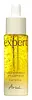
This brightening ampoule is formulated around Ascorbic Acid and Ferulic Acid to brighten dull-looking skin and soften the look of wrinkles.
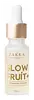
This brightening serum is formulated around 3-O-Ethyl Ascorbic Acid and Acetyl Glucosamine to brighten dull-looking skin and fade the look of dark spots.


What's inside
What's inside
 Key Ingredients
Benefits
Concerns
Ingredients Side-by-side
Water
Skin ConditioningAscorbic Acid 13%
Antioxidant






Butylene Glycol
Humectant

Propanediol
Solvent
2,3-Butanediol
HumectantDiethyl Sebacate
EmollientPropylene Carbonate
SolventBis-PEG-18 Methyl Ether Dimethyl Silane
EmollientAngelica Keiskei Leaf/Stem Extract
Skin ConditioningSalix Alba Bark Extract
Astringent

Ilex Rotunda Leaf Extract
Skin ProtectingScutellaria Baicalensis Root Extract
Astringent
Glycerin
Humectant
Gold
Cosmetic ColorantHordeum Vulgare Seed Extract
Skin ConditioningMorus Alba Leaf Extract
Skin ConditioningCamellia Sinensis Leaf Extract
Antimicrobial
Equisetum Arvense Extract
AstringentMadecassoside
Antioxidant
Ammonium Glycyrrhizate
MaskingPanthenol
Skin Conditioning
Caffeine
Skin Conditioning
Allantoin
Skin Conditioning
Ubiquinone
Antioxidant
Hydroxydecyl Ubiquinone
Antioxidant
Ellagic Acid
Skin Conditioning
Quercetin
Antioxidant
Fullerenes
AntimicrobialFerulic Acid
Antimicrobial
Xanthophylls
Skin ConditioningResveratrol
Antioxidant
Glutathione
Bupleurum Falcatum Root Extract
Skin ConditioningSodium Hyaluronate
Humectant
Beta-Glucan
Skin Conditioning
Tocopherol
Antioxidant
Gallic Acid
Antioxidant
Carthamus Tinctorius Seed Oil
Masking


Tremella Fuciformis Sporocarp Extract
Antioxidant
Calendula Officinalis Flower Extract
Masking
Cocos Nucifera Fruit Extract
Emollient
Picea Abies Extract
Skin ConditioningQuercus Acutissima Extract
AntimicrobialOligopeptide-33
Skin Conditioning
Lycium Chinense Fruit Extract
Antioxidant
Vaccinium Vitis-Idaea Fruit Extract
Antioxidant
Inonotus Obliquus Extract
Skin ConditioningRosmarinus Officinalis Leaf Extract
AntimicrobialMorus Alba Twig Extract
Skin ConditioningCnidium Officinale Root Extract
Skin ConditioningSuperoxide Dismutase
Antioxidant
Sh-Polypeptide-10
Skin Conditioning
Sh-Oligopeptide-1
Skin Conditioning
Sodium Phosphate
BufferingLecithin
Emollient
Pentylene Glycol
Skin Conditioning
Adenosine
Skin Conditioning
1,2-Hexanediol
Skin Conditioning
Olive Oil PEG-7 Esters
Emollient

Polysorbate 60
Emulsifying
Ethylhexyl Salicylate
UV Absorber

Sodium Bicarbonate
Abrasive
Pvp
Emulsion StabilisingAmmonium Acryloyldimethyltaurate/Vp Copolymer
Polyacrylate Crosspolymer-6
Emulsion StabilisingPEG-240/Hdi Copolymer Bis-Decyltetradeceth-20 Ether
StabilisingPolyglyceryl-10 Decaoleate
Skin Conditioning
Disodium EDTA
ChelatingSodium Hydroxide
BufferingPEG-60 Hydrogenated Castor Oil
Emulsifying
Octyldodeceth-16
EmulsifyingEthylhexylglycerin
Skin ConditioningCaprylyl Glycol
Emollient
Sodium Metabisulfite
Antioxidant
Parfum
Masking

Water, Ascorbic Acid 13%, Butylene Glycol, Propanediol, 2,3-Butanediol, Diethyl Sebacate, Propylene Carbonate, Bis-PEG-18 Methyl Ether Dimethyl Silane, Angelica Keiskei Leaf/Stem Extract, Salix Alba Bark Extract, Ilex Rotunda Leaf Extract, Scutellaria Baicalensis Root Extract, Glycerin, Gold, Hordeum Vulgare Seed Extract, Morus Alba Leaf Extract, Camellia Sinensis Leaf Extract, Equisetum Arvense Extract, Madecassoside, Ammonium Glycyrrhizate, Panthenol, Caffeine, Allantoin, Ubiquinone, Hydroxydecyl Ubiquinone, Ellagic Acid, Quercetin, Fullerenes, Ferulic Acid, Xanthophylls, Resveratrol, Glutathione, Bupleurum Falcatum Root Extract, Sodium Hyaluronate, Beta-Glucan, Tocopherol, Gallic Acid, Carthamus Tinctorius Seed Oil, Tremella Fuciformis Sporocarp Extract, Calendula Officinalis Flower Extract, Cocos Nucifera Fruit Extract, Picea Abies Extract, Quercus Acutissima Extract, Oligopeptide-33, Lycium Chinense Fruit Extract, Vaccinium Vitis-Idaea Fruit Extract, Inonotus Obliquus Extract, Rosmarinus Officinalis Leaf Extract, Morus Alba Twig Extract, Cnidium Officinale Root Extract, Superoxide Dismutase, Sh-Polypeptide-10, Sh-Oligopeptide-1, Sodium Phosphate, Lecithin, Pentylene Glycol, Adenosine, 1,2-Hexanediol, Olive Oil PEG-7 Esters, Polysorbate 60, Ethylhexyl Salicylate, Sodium Bicarbonate, Pvp, Ammonium Acryloyldimethyltaurate/Vp Copolymer, Polyacrylate Crosspolymer-6, PEG-240/Hdi Copolymer Bis-Decyltetradeceth-20 Ether, Polyglyceryl-10 Decaoleate, Disodium EDTA, Sodium Hydroxide, PEG-60 Hydrogenated Castor Oil, Octyldodeceth-16, Ethylhexylglycerin, Caprylyl Glycol, Sodium Metabisulfite, Parfum
Water
Skin Conditioning3-O-Ethyl Ascorbic Acid
Skin Conditioning
Propanediol
Solvent
Acetyl Glucosamine
Skin Conditioning
Ethoxydiglycol
HumectantPentylene Glycol
Skin Conditioning
Butylene Glycol
Humectant
Phloretin
Antioxidant
Glycerin
Humectant
Centella Asiatica Extract
Cleansing
Glycyrrhiza Glabra Root Extract
Bleaching
Tetrapeptide-30
Skin Conditioning
Rosmarinus Officinalis Leaf Extract
AntimicrobialCarnosine
Skin Conditioning
Polygonum Cuspidatum Root Extract
Antioxidant
Glutathione
Scutellaria Baicalensis Root Extract
Astringent
Bis-Ethoxydiglycol Cyclohexane 1,4-Dicarboxylate
EmollientChamomilla Recutita Flower Extract
Masking
Camellia Sinensis Leaf Extract
Antimicrobial
Hydrolyzed Sodium Hyaluronate
Skin Conditioning
Gold
Cosmetic ColorantAscorbic Acid
Antioxidant
Sodium Citrate
BufferingSorbitol
Humectant
Xanthan Gum
Emulsifying1,2-Hexanediol
Skin Conditioning
Caprylyl Glycol
Emollient
Sodium Metabisulfite
Antioxidant
Disodium EDTA
ChelatingDiazolidinyl Urea
Preservative
Triethanolamine
BufferingIodopropynyl Butylcarbamate
Preservative
Citric Acid
Buffering
Dipotassium Glycyrrhizate
Humectant
Water, 3-O-Ethyl Ascorbic Acid, Propanediol, Acetyl Glucosamine, Ethoxydiglycol, Pentylene Glycol, Butylene Glycol, Phloretin, Glycerin, Centella Asiatica Extract, Glycyrrhiza Glabra Root Extract, Tetrapeptide-30, Rosmarinus Officinalis Leaf Extract, Carnosine, Polygonum Cuspidatum Root Extract, Glutathione, Scutellaria Baicalensis Root Extract, Bis-Ethoxydiglycol Cyclohexane 1,4-Dicarboxylate, Chamomilla Recutita Flower Extract, Camellia Sinensis Leaf Extract, Hydrolyzed Sodium Hyaluronate, Gold, Ascorbic Acid, Sodium Citrate, Sorbitol, Xanthan Gum, 1,2-Hexanediol, Caprylyl Glycol, Sodium Metabisulfite, Disodium EDTA, Diazolidinyl Urea, Triethanolamine, Iodopropynyl Butylcarbamate, Citric Acid, Dipotassium Glycyrrhizate
Ingredients Explained
These ingredients are found in both products.
Ingredients higher up in an ingredient list are typically present in a larger amount.
1,2-Hexanediol is a synthetic liquid and another multi-functional powerhouse.
It is a:
- Humectant, drawing moisture into the skin
- Emollient, helping to soften skin
- Solvent, dispersing and stabilizing formulas
- Preservative booster, enhancing the antimicrobial activity of other preservatives
Ascorbic Acid is is pure Vitamin C and is the biologically active form used directly by skin.
Not only is vitamin C great for your overall health and immune system, but it also has plenty of benefits for your skin. It is best supported by academic literature for:
Topical vitamin C has been shown to help neutralize oxidative stress from UV and pollution, helping to improve photoaging and hyperpigmentation when used consistently.
One clinical study found that using 5% topical vitamin C for six months improved signs of photodamaged skin, both on the surface and in the deeper structural layers of the skin.
While vitamin C doesn’t replace sunscreen, studies show it can boost photoprotection when combined with Vitamin E and ferulic acid. These two ingredients help improve stability and protective effects.
The big downside of this ingredient is formulation difficulty. Vitamin C is prone to oxidation and doesn't penetrate the skin unless formulated correctly. Research found that vitamin C absorbs into the skin best at a low pH (< 3.5) with about 20% being the upper limit for effective absorption.
Skin levels can saturate after repeated application; this means your skin won’t keep absorbing more once it’s full of vitamin C. This is why more isn’t always better with vitamin C and why very high concentrations don’t necessarily give extra benefits.
Ascorbic acid generally works well with many skincare ingredients but can be irritating when combined with other active ingredients. Strong oxidizing acne treatments like benzoyl peroxide can reduce the effectiveness of vitamin C if they are used at the same time; they are often recommended for use at different times of day.
Read more about other types of Vitamin C:
Foods rich with vitamin C include oranges, strawberries, broccoli, bell peppers, and more. When consuming Vitamin C, your skin receives a portion of the nutrients.
Learn more about Ascorbic AcidButylene Glycol (or BG) is used within cosmetic products for a few different reasons:
Overall, Butylene Glycol is a safe and well-rounded ingredient that works well with other ingredients.
Though this ingredient works well with most skin types, some people with sensitive skin may experience a reaction such as allergic rashes, closed comedones, or itchiness.
Learn more about Butylene GlycolCamellia Sinensis Leaf Extract (tea extract) is one of the most well-researched plant extracts in skincare with an impressive resume.
Black tea, green tea, and oolong tea are all harvested from the Camellia Sinensis plant.
Studies show green tea extract and its catechins (like epigallocatechin gallate (EGCG)) help your skin cells product energy more efficiently and reducing the number of free-radicals that can damage your skin from the inside.
In lab-grown skin models, this translated to younger, healthier, and stronger skin.
There's also good sun protection data; researchers saw less DNA damage and redness on human skin when green tea was applied before UVB exposure. And the more they applied, the better the protection.
Needless to say, this ingredient shouldn't replace your sunscreen. But it is a great supportive ingredient that you can already find in many sunscreens and antioxidant serums.
A 2009 study found a 2% green tea lotion was effective for mild-to-moderate acne thanks to its anti-inflammatory and mild antimicrobial activity.
The quality of the extract matters a lot here:
Good extracts contain 50-90% catechins while lower quality ones are mostly there for marketing. We recommend reaching out to the brand if you have questions about the quality or source of their ingredients.
Human Repeated Insult Patch Testing showed no irritation or sensitization at use concentrations (0.86% in leave-on products and up to 30% as leaf water).
Learn more about Camellia Sinensis Leaf ExtractCaprylyl Glycol is a humectant, skin conditioner, emollient, and preservative booster derived from either caprylic acid or synthetically created.
Typical use levels vary from 0.3-1% as a preservative booster and go up to 2% to condition skin.
Because it is not a free-fatty acid, this ingredient is fungal acne safe (there's nothing for Malassezia to feed on).
Learn more about Caprylyl GlycolDisodium EDTA is a chelating agent. It grabs onto and deactivates metal ions that sneak into your products from water, packaging, or air.
This ingredient mainly works behind the scenes and helps with:
On top of that, this ingredient can counteract the effects of hard water by binding to the minerals in it.
One thing worth knowing is that Disodium EDTA has been shown to be a mild penetration enhancer. It can help other ingredients absorb into skin more effectively which can be a double-edged sword (great for actives, but can also make the active too strong if you have sensitive skin).
Clinical patch testing showed no significant skin irritation at typical use concentrations and minimal dermal absorption.
You'll most likely see this ingredient near the end of an ingredient list. It's typically found in concentrations less than 1%.
Learn more about Disodium EDTAGlutathione is a tiny protein-like molecule (a "tripeptide" build from 3 amino acids: glycine, cysteine, and glutamic acid) that your body already makes on its own.
Inside your body, it acts as one of the skin's main antioxidants that help fight against free radicals.
In skincare, it's best known as a brightening ingredient that slows down tyrosinase, the key enzyme that makes skin pigment. It also nudges the skin toward making a lighter type of pigment instead of a darker one.
This is why you'll see it in products aimed at dark spots and uneven tone.
A small number of real human trials have found a topical glutathione lotion:
The honest caveat is that the current evidence is still thin (few studies, small groups, short timelines). Glutathione also doesn't absorb into skin very easily so results tend to be modest and fade if you stop using it.
One thing worth clearing up:
The scary side effects you may have heard about come from glutathione injected intravenously, which has real safety concerns. Applying it topically is a completely different thing and has a clean track record.
Most human studies used it around 2% (as Glutathione or Glutathione Disulfide) and a 2% oxidized glutathione lotion and a 2% S-acyl glutathione cream are the concentrations with actual clinical data behind them.
There's no established "ideal" percentage yet but 1-2% is the evidence-backed range.
Allergy-wise, there is very low risk for this ingredient; it was well-tolerated across the topical trials. Only one participant had mild temporary redness that cleared up on its own and another study reported no adverse reactions at all.
One trial had ~10% of users drop out for irritation was using a combination cream that also had 10% azelaic acid so the irritation likely wasn't from the glutathione. There's no notable contact-allergy signal for topical glutathione in the literature but patch-testing before first use is still sensible for those with sensitive skin.
Learn more about GlutathioneGlycerin (or glycerol) is a compound naturally found in your skin. It's a powerhouse humectant that pulls water into the stratum corneum.
Topically, glycerin does several things at once:
Your skin makes glycerin on its own (mostly from sebaceous oil breakdown) and shuttles it to your outermost layer of skin, or your epidermis, via aquaporin-3.
Aquaporin-3 is a transporter that is essential for normal skin hydration, elasticity, and repair. Interestingly, mice lacking in AQP3 have dry and less elastic skin that can be fully corrected with glycerin.
This ingredient is non-irritating, plays well with almost every ingredient, and works across all skin types. Typical use is anywhere between 3-10% but can go up to 79% in some leave-on products.
Just know very high concentrations (>40%) can feel tacky in low humidity.
Glycerin is the name for this ingredient in American English. British English uses Glycerol/Glycerine.
Learn more about GlycerinGold is a metallic element mostly used to impart a metallic color in cosmetics.
Gold flakes and colloidal/nano gold are often marketed for being skin soothing, anti-aging, and revitalizing.
While lab studies suggest gold nanoparticles may have anti-inflammatory or antioxidant potential, there is limited high-quality human evidence showing clear skin benefits at typical cosmetic use levels.
The EU has raised safety concerns around gold nanomaterials due to insufficient data on skin penetration and long term exposure. Additionally, gold is a known contact allergen. This means it may trigger irritation or allergic reactions in individuals sensitive to gold.
In the EU, gold is listed as CI 77480 and only permitted for use as a cosmetic colorant. The US and FDA does not list it as an approved cosmetic color additive. This affects how products that contain gold are labeled or formulated in the US market.
Learn more about GoldPentylene Glycol (1,2-pentanediol) is a multitasking little diol with three main roles in a formula:
Research on alkanediols (the family pentylene glycol belongs to) show they work by disrupting microbial cell membranes. This disruption helps the primary preservative system in a product work more effectively at lower doses.
On the safety side, the Cosmetic Ingredient Review Expert Panel has concluded this ingredient to be safe as used in current cosmetic practices + concentrations.
Typical use levels in a formula run about 1-5%.
Learn more about Pentylene GlycolPropanediol is an all-star ingredient. It softens, hydrates, and smooths the skin.
It’s often used to:
Propanediol is not likely to cause sensitivity and considered safe to use. It is derived from corn or petroleum with a clear color and no scent.
Learn more about PropanediolThis is a botanical extract from the rosemary plant (the same one you cook with). In skincare, it mostly works as a skin conditioning agent.
Its activity comes from a handful of polyphenols, carnosic acid, carnosol, and rosmarinic acid. Almost 90% of the antioxidant activity of this ingredient can be attributed to canosol and carnosic acid.
These compounds protect your skin two ways:
1) They fight off free radicals, or the unstable molecules from things like sun and pollution that age and damage skin.
2) They help calm inflammation by switching off the chemical signals that tell skin to get red and irritated.
Lab studies also suggest that rosmarinic acid may help protect collagen and slow sugar-related damage to it.
The Cosmetic Ingredient Review has concluded rosemary-derived ingredients to be safe when formulated to be non-sensitizing.
Rosemary can occasionally cause allergic contact dermatitis (due to carnosol), so be sure to patch test if you have reactive or fragrance-sensitive skin.
Learn more about Rosmarinus Officinalis Leaf ExtractScutellaria Baicalensis Root Extract comes from the Baikal skullcap or Chinese skullcap plant. This plant is native to Northeast Asia and can be found in China, Mongolia, Korea, and Siberia.
In cosmetics, Scutellaria Baicalensis Root Extract provides antioxidant and anti-inflammatory benefits. This is due to the flavonoid composition of Scutellaria Baicalensis Root Extract.
In Chinese traditional folk medicine, Scutellaria Baicalensis Root Extract is used to help treat lung issues and hypertension.
Learn more about Scutellaria Baicalensis Root ExtractSodium metabisulfite is also known as Sodium Pyrosulfite. It is a preservative, antioxidant, and disinfectant.
As a preservative, it helps stabilize cosmetic formulas without affecting their color or scent.
Water. It's the most common cosmetic ingredient of all. You'll usually see it at the top of ingredient lists, meaning that it makes up the largest part of the product.
So why is it so popular? Water most often acts as a solvent - this means that it helps dissolve other ingredients into the formulation.
You'll also recognize water as that liquid we all need to stay alive. If you see this, drink a glass of water. Remember to stay hydrated!
Learn more about Water

