

What's inside
What's inside
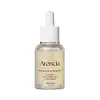 Key Ingredients
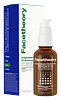
Benefits
Concerns
Ingredients Side-by-side
Rice Ferment Filtrate
Skin Conditioning

Water
Skin ConditioningButylene Glycol
Humectant

1,2-Hexanediol
Skin Conditioning
Niacinamide
Smoothing








Saccharomyces/Rice Ferment Filtrate
Skin Conditioning
Glycerin
Humectant
Hydrolyzed Collagen
Emollient
Methylpropanediol
SolventPentylene Glycol
Skin Conditioning
Caprylic/Capric Triglyceride
Masking
PEG-60 Hydrogenated Castor Oil
Emulsifying
Carbomer
Emulsion StabilisingSodium Hyaluronate
Humectant
Hydrolyzed Hyaluronic Acid
Humectant
Hyaluronic Acid
Humectant
Hydrogenated Lecithin
Emulsifying
Inulin Lauryl Carbamate
Emulsion StabilisingBetaine
Humectant
Tromethamine
BufferingSodium Polyacrylate
Absorbent
Garcinia Cambogia Fruit Extract
Skin ConditioningAdenosine
Skin Conditioning
Polyglutamic Acid
Skin Conditioning
Polyglyceryl-10 Oleate
Skin Conditioning
Oryza Sativa Extract
Absorbent
Polyglyceryl-10 Stearate
Skin Conditioning
Disodium EDTA
Capryloyl Salicylic Acid
Exfoliating
Polyglyceryl-4 Caprate
EmulsifyingMalt Extract
Skin ProtectingRetinol
Skin Conditioning

Panthenol
Skin Conditioning
Polygonum Cuspidatum Root Extract
Antioxidant
Sodium Ascorbyl Phosphate
Antioxidant
Tocopheryl Acetate
Antioxidant
Cinchona Calisaya Bark Extract
Skin ConditioningLeptospermum Scoparium Leaf Extract
Skin ConditioningTranexamic Acid
Astringent
Dioscorea Villosa Root Extract
Skin Conditioning
Beta-Glucan
Skin Conditioning
Hydrolyzed Corn Starch
HumectantGlyceryl Linolenate
Emollient
Glyceryl Arachidonate
Emollient
Retinyl Palmitate
Skin Conditioning
Biotin
AntiseborrhoeicSucrose
Humectant
Thiamine Hcl
MaskingFolic Acid
Skin ConditioningPyridoxine
Skin ConditioningCyanocobalamin
Skin ConditioningSodium Chondroitin Sulfate
Skin Conditioning
Rice Ferment Filtrate, Water, Butylene Glycol, 1,2-Hexanediol, Niacinamide, Saccharomyces/Rice Ferment Filtrate, Glycerin, Hydrolyzed Collagen, Methylpropanediol, Pentylene Glycol, Caprylic/Capric Triglyceride, PEG-60 Hydrogenated Castor Oil, Carbomer, Sodium Hyaluronate, Hydrolyzed Hyaluronic Acid, Hyaluronic Acid, Hydrogenated Lecithin, Inulin Lauryl Carbamate, Betaine, Tromethamine, Sodium Polyacrylate, Garcinia Cambogia Fruit Extract, Adenosine, Polyglutamic Acid, Polyglyceryl-10 Oleate, Oryza Sativa Extract, Polyglyceryl-10 Stearate, Disodium EDTA, Capryloyl Salicylic Acid, Polyglyceryl-4 Caprate, Malt Extract, Retinol, Panthenol, Polygonum Cuspidatum Root Extract, Sodium Ascorbyl Phosphate, Tocopheryl Acetate, Cinchona Calisaya Bark Extract, Leptospermum Scoparium Leaf Extract, Tranexamic Acid, Dioscorea Villosa Root Extract, Beta-Glucan, Hydrolyzed Corn Starch, Glyceryl Linolenate, Glyceryl Arachidonate, Retinyl Palmitate, Biotin, Sucrose, Thiamine Hcl, Folic Acid, Pyridoxine, Cyanocobalamin, Sodium Chondroitin Sulfate
Water
Skin ConditioningPropanediol
Solvent
Glycerin
Humectant
Polyglyceryl-6 Stearate
Emollient
Caprylic/Capric Triglyceride
Masking
Sodium Ascorbyl Phosphate
Antioxidant
Polyglyceryl-4 Oleate
Emulsifying
Tocopherol
Antioxidant
Sodium Anisate
AntimicrobialSodium Levulinate
Skin ConditioningLactic Acid
Buffering

Cetyl Hydroxyethylcellulose
Emulsion StabilisingGlyceryl Caprylate
EmollientAnethum Graveolens Herb Extract
Perfuming
Glycyrrhiza Glabra Root Extract
Bleaching
Polyglyceryl-6 Behenate
Emulsion Stabilising
Retinol
Skin Conditioning
Phospholipids
Skin Conditioning
Xanthan Gum
EmulsifyingFerulic Acid
Antimicrobial
Sodium Hyaluronate
Humectant
Aloe Barbadensis Leaf Juice
Skin Conditioning
Sodium Phytate
Salicylic Acid
Masking


Helianthus Annuus Seed Oil
Emollient
Citric Acid
Buffering
Rosmarinus Officinalis Leaf Extract
AntimicrobialPotassium Sorbate
Preservative
Water, Propanediol, Glycerin, Polyglyceryl-6 Stearate, Caprylic/Capric Triglyceride, Sodium Ascorbyl Phosphate, Polyglyceryl-4 Oleate, Tocopherol, Sodium Anisate, Sodium Levulinate, Lactic Acid, Cetyl Hydroxyethylcellulose, Glyceryl Caprylate, Anethum Graveolens Herb Extract, Glycyrrhiza Glabra Root Extract, Polyglyceryl-6 Behenate, Retinol, Phospholipids, Xanthan Gum, Ferulic Acid, Sodium Hyaluronate, Aloe Barbadensis Leaf Juice, Sodium Phytate, Salicylic Acid, Helianthus Annuus Seed Oil, Citric Acid, Rosmarinus Officinalis Leaf Extract, Potassium Sorbate
Ingredients Explained
These ingredients are found in both products.
Ingredients higher up in an ingredient list are typically present in a larger amount.
Caprylic/Capric Triglyceride (aka MCT Oil) is a lightweight emollient, solvent, and texture enhancer. It is considered a skin-softener by helping to prevent moisture loss.
Though it behaves like an oil, it is not technically one due to its chemical composition. One perk of this ingredient is that it is very stable, resistant to oxidation, and unlikely to go rancid.
In practice, that translates to a long shelf life and a consistently elegant skin feel.
While there is an assumption Caprylic Triglyceride can clog pores due to it being derived from coconut oil, there is no research supporting this. Just patch test if you have concerns.
Fractionated coconut oil and MCT Oil are both listed as Caprylic/Capric Triglyceride according to INCI. This is because INCI names are based on the ingredient’s final chemical composition and not its marketing name or source.
This ingredient is treated as the gold standard fungal acne safe oil. Even though it is coconut derived, the problematic lauric acid is stripped out.
This leaves just caprylic (C8) and capric (C10) acid. These chain lengths actually trend antifungal; a 2020 study found caprylic acid was enough to disrupt Malassezia furfur cell membrane, with a caprylic acid derivative damaging membrane structures at concentrations as low as 0.2%.
Learn more about Caprylic/Capric TriglycerideGlycerin (or glycerol) is a compound naturally found in your skin. It's a powerhouse humectant that pulls water into the stratum corneum.
Topically, glycerin does several things at once:
Your skin makes glycerin on its own (mostly from sebaceous oil breakdown) and shuttles it to your outermost layer of skin, or your epidermis, via aquaporin-3.
Aquaporin-3 is a transporter that is essential for normal skin hydration, elasticity, and repair. Interestingly, mice lacking in AQP3 have dry and less elastic skin that can be fully corrected with glycerin.
This ingredient is non-irritating, plays well with almost every ingredient, and works across all skin types. Typical use is anywhere between 3-10% but can go up to 79% in some leave-on products.
Just know very high concentrations (>40%) can feel tacky in low humidity.
Glycerin is the name for this ingredient in American English. British English uses Glycerol/Glycerine.
Learn more about GlycerinRetinol is a gold-standard ingredient for anti-aging. It is a form of Vitamin A and belongs to the class of retinoids that also includes tretinoin.
Why is retinol famous?
It has the most scientific studies backing up its skin benefits out of all the non-prescription ingredients.
Retinol is proven to:
This is why retinol is effective at removing wrinkles, fading dark spots, treating acne, and reducing the appearance of pores.
Studies show retinol is less effective when exposed to UV. Be sure to look for appropriate packaging to keep your retinol potent (similar to Vitamin C).
Using retinol or any retinoids will increase sun-sensitivity in the first few months. Though studies show retinoids increase your skin's natural SPF with continuous use, it is best to always wear sunscreen and sun-protection.
We recommend speaking with a medical professional about using this ingredient during pregnancy.
Retinol may cause irritation in some people, so be sure to patch test. Experts recommend 'ramping up' retinol use: start using this ingredient once a week and work up to using it daily.
Read about Tretinoin
Learn more about RetinolSodium Ascorbyl Phosphate (SAP) is a water-soluble form of Vitamin C. It is the salt of ascorbic acid.
This ingredient is commonly used in skincare because it's more formulation-stable while still offering the same benefits as pure ascorbic acid. Ascorbic acid is notorious for breaking down when exposed to sunlight and oxygen whereas SAP has been shown to be more stable.
Studies show SAP has anti-acne and antioxidant benefits. One study found 5% of SAP lotion to be an effective ingredient for treating acne vulgaris. This is because research shows that SAP may help control acne by reducing acne-causing bacteria and slowing the oxidation of skin oils caused by UV exposure.
In addition to acne, vitamin C is important for skin structure. Lab studies suggest SAP may support collagen production in skin cells, making it a great ingredient in anti-aging routines.
Vitamin C has many benefits: it helps reduce redness, improve skin texture, fade the appearance of dark spots, and brighten the skin.
Read more about other types of Vitamin C:
Learn more about Sodium Ascorbyl PhosphateSodium Hyaluronate is the salt form of hyaluronic acid. It is a long sugar chain that is naturally found in your skin, joints, and connective tissue that maintains hydration and elasticity.
In skincare, it works as a humectant. It pulls water from the environment and deeper layers of skin and binds it to the surface.
Interestingly, the size of the molecule affects its behavior:
Some clinical evidence links low molecular weight versions to improved wrinkle depth, elasticity, anti-inflammatory effects, and barrier repair.
Many serums use a blend of both weights so you can get surface hydration plus longer-lasting and deeper effects.
You'll typically see concentrations between 0.1-2% for this ingredient.
Learn more about Sodium HyaluronateWater. It's the most common cosmetic ingredient of all. You'll usually see it at the top of ingredient lists, meaning that it makes up the largest part of the product.
So why is it so popular? Water most often acts as a solvent - this means that it helps dissolve other ingredients into the formulation.
You'll also recognize water as that liquid we all need to stay alive. If you see this, drink a glass of water. Remember to stay hydrated!
Learn more about Water
