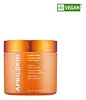
This acne toner pad uses a pre-saturated pad with Niacinamide and Gluconolactone to clear breakouts and refine skin texture.
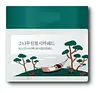
This calming toner pad uses a pre-saturated pad with Centella Asiatica Extract and Panthenol to calm redness and refine skin texture.

What's inside
What's inside
 Key Ingredients
Benefits
Concerns
No concerns
Ingredients Side-by-side
Water
Skin ConditioningPropanediol
Solvent

Glycerin
Humectant
Niacinamide
Smoothing









Methylpropanediol
Solvent1,2-Hexanediol
Skin Conditioning
Sorbeth-30 Tetraoleate
Emulsifying

Saccharide Hydrolysate
HumectantButylene Glycol
Humectant
Gluconolactone
Skin Conditioning
Tromethamine
BufferingGaultheria Procumbens Leaf Extract
Perfuming
Ethylhexylglycerin
Skin ConditioningDaucus Carota Sativa Root Water
MaskingCaprylic/Capric Triglyceride
Masking
Adenosine
Skin Conditioning
Saccharum Officinarum Extract
MoisturisingDisodium EDTA
Ribes Nigrum Leaf Extract
Perfuming
Barosma Betulina Leaf Extract
Perfuming
Lithospermum Erythrorhizon Root Extract
Skin ConditioningRibes Nigrum Fruit Extract
Astringent
Punica Granatum Fruit Extract
Antioxidant
Daucus Carota Sativa Root Extract
Skin Conditioning
Indigofera Tinctoria Extract
MaskingHydroxypropyl Cyclodextrin
MaskingHydrogenated Lecithin
Emulsifying
Polyglyceryl-10 Stearate
Skin Conditioning
Dipropylene Glycol
HumectantHemerocallis Fulva Flower Extract
Skin ConditioningPinus Densiflora Leaf Extract
Antimicrobial
Panthenol
Skin Conditioning
Daucus Carota Sativa Seed Oil
Emollient



Myosotis Sylvatica Flower/Leaf/Stem Extract
Skin ConditioningSodium Ascorbyl Phosphate
Antioxidant
Lactobacillus Ferment
Skin Conditioning
Ulmus Davidiana Root Extract
Skin Conditioning
Pueraria Lobata Root Extract
HumectantPinus Palustris Leaf Extract
TonicOenothera Biennis Flower Extract
AstringentPyridoxine
Skin ConditioningFolic Acid
Skin ConditioningBiotin
AntiseborrhoeicTocopherol
Antioxidant
Cyanocobalamin
Skin ConditioningThiamine Hcl
MaskingRiboflavin
Cosmetic ColorantLinoleic Acid
Cleansing
Beta-Carotene
Skin ConditioningWater, Propanediol, Glycerin, Niacinamide, Methylpropanediol, 1,2-Hexanediol, Sorbeth-30 Tetraoleate, Saccharide Hydrolysate, Butylene Glycol, Gluconolactone, Tromethamine, Gaultheria Procumbens Leaf Extract, Ethylhexylglycerin, Daucus Carota Sativa Root Water, Caprylic/Capric Triglyceride, Adenosine, Saccharum Officinarum Extract, Disodium EDTA, Ribes Nigrum Leaf Extract, Barosma Betulina Leaf Extract, Lithospermum Erythrorhizon Root Extract, Ribes Nigrum Fruit Extract, Punica Granatum Fruit Extract, Daucus Carota Sativa Root Extract, Indigofera Tinctoria Extract, Hydroxypropyl Cyclodextrin, Hydrogenated Lecithin, Polyglyceryl-10 Stearate, Dipropylene Glycol, Hemerocallis Fulva Flower Extract, Pinus Densiflora Leaf Extract, Panthenol, Daucus Carota Sativa Seed Oil, Myosotis Sylvatica Flower/Leaf/Stem Extract, Sodium Ascorbyl Phosphate, Lactobacillus Ferment, Ulmus Davidiana Root Extract, Pueraria Lobata Root Extract, Pinus Palustris Leaf Extract, Oenothera Biennis Flower Extract, Pyridoxine, Folic Acid, Biotin, Tocopherol, Cyanocobalamin, Thiamine Hcl, Riboflavin, Linoleic Acid, Beta-Carotene
Pinus Densiflora Leaf Extract
Antimicrobial
Water
Skin ConditioningPropanediol
Solvent
Dipropylene Glycol
Humectant1,2-Hexanediol
Skin Conditioning
Centella Asiatica Extract
Cleansing
Betaine
Humectant
Sodium Hyaluronate
Humectant
Butylene Glycol
Humectant
Caprylyl Glycol
Emollient
Centella Asiatica Leaf Extract
Skin Conditioning
Cinnamomum Camphora Leaf Extract
MaskingPanthenol
Skin Conditioning
Glycoproteins
Skin Conditioning
Ethylhexylglycerin
Skin ConditioningDipotassium Glycyrrhizate
Humectant
Melia Azadirachta Leaf Extract
Skin ConditioningMelia Azadirachta Flower Extract
Skin ConditioningMadecassoside
Antioxidant
Asiaticoside
Antioxidant
Asiatic Acid
Skin Conditioning
Madecassic Acid
Skin Conditioning
Hydroxyacetophenone
Antioxidant
Gluconolactone
Skin Conditioning
Capryloyl Salicylic Acid
Exfoliating
C12-14 Pareth-12
EmulsifyingSuccinic Acid
BufferingAmmonium Acryloyldimethyltaurate/Vp Copolymer
Sodium Citrate
BufferingPantolactone
Humectant
Disodium EDTA
Pinus Densiflora Leaf Extract, Water, Propanediol, Dipropylene Glycol, 1,2-Hexanediol, Centella Asiatica Extract, Betaine, Sodium Hyaluronate, Butylene Glycol, Caprylyl Glycol, Centella Asiatica Leaf Extract, Cinnamomum Camphora Leaf Extract, Panthenol, Glycoproteins, Ethylhexylglycerin, Dipotassium Glycyrrhizate, Melia Azadirachta Leaf Extract, Melia Azadirachta Flower Extract, Madecassoside, Asiaticoside, Asiatic Acid, Madecassic Acid, Hydroxyacetophenone, Gluconolactone, Capryloyl Salicylic Acid, C12-14 Pareth-12, Succinic Acid, Ammonium Acryloyldimethyltaurate/Vp Copolymer, Sodium Citrate, Pantolactone, Disodium EDTA
Reviews
Ingredients Explained
These ingredients are found in both products.
Ingredients higher up in an ingredient list are typically present in a larger amount.
1,2-Hexanediol is a synthetic liquid and another multi-functional powerhouse.
It is a:
- Humectant, drawing moisture into the skin
- Emollient, helping to soften skin
- Solvent, dispersing and stabilizing formulas
- Preservative booster, enhancing the antimicrobial activity of other preservatives
Butylene Glycol (or BG) is used within cosmetic products for a few different reasons:
Overall, Butylene Glycol is a safe and well-rounded ingredient that works well with other ingredients.
Though this ingredient works well with most skin types, some people with sensitive skin may experience a reaction such as allergic rashes, closed comedones, or itchiness.
Learn more about Butylene GlycolDipropylene Glycol is a synthetically created humectant, stabilizer, and solvent.
This ingredient helps:
Dipropylene glycol is technically an alcohol, but it belongs to the glycol family (often considered part of the ‘good’ alcohols). This means it is hydrating and gentle on skin unlike drying solvent alcohols like denatured alcohol.
As a masking agent, Dipropylene Glycol can be used to cover the smell of other ingredients. However, it does not have a scent.
Studies show Dipropylene Glycol is considered safe to use in skincare.
Learn more about Dipropylene GlycolDisodium EDTA is a chelating agent. It grabs onto and deactivates metal ions that sneak into your products from water, packaging, or air.
This ingredient mainly works behind the scenes and helps with:
On top of that, this ingredient can counteract the effects of hard water by binding to the minerals in it.
One thing worth knowing is that Disodium EDTA has been shown to be a mild penetration enhancer. It can help other ingredients absorb into skin more effectively which can be a double-edged sword (great for actives, but can also make the active too strong if you have sensitive skin).
Clinical patch testing showed no significant skin irritation at typical use concentrations and minimal dermal absorption.
You'll most likely see this ingredient near the end of an ingredient list. It's typically found in concentrations less than 1%.
Learn more about Disodium EDTAEthylhexylglycerin is created from glycerin. It is a multitasker ingredient that:
The CIR Expert Panel found minimal skin absorption or sensitization of any kind in a safety assessment. Though this ingredient is considered well-tolerated, a small number of cases of allergic dermatitis have been published since 2002. Just be sure to patch test if you are unsure.
Industry-reported use ranges from 8% in rinse-off products and 2% in leave-on formulations.
Learn more about EthylhexylglycerinGluconolactone is a PHA. PHAs are a great gentle alternative to traditional AHAs.
When applied, Gluconolactone has the same affect on skin as AHAs such as lactic acid. It helps dissolve the dead skin cells in the top layer of your skin. This improves texture and brightens the skin.
PHAs are more gentle than AHAs due to their larger structure. They do not penetrate as deeply as AHAs and take a longer time to dissolve dead cells. Studies show PHAs do not cause as much irritation.
Gluconolactone has some interesting properties:
In a 2004 study, Gluconolactone was found to prevent UV damage in mouse skin cells and has not been found to increase sun sensitivity. However, we still recommend wearing SPF daily.
This ingredient is is an created by reacting gluconic acid with an alcohol.
Learn more about GluconolactonePanthenol is a common ingredient that helps hydrate and soothe the skin. It is found naturally in our skin and hair.
There are two forms of panthenol: D and L.
D-panthenol is also known as dexpanthenol. Most cosmetics use dexpanthenol or a mixture of D and L-panthenol.
Panthenol is famous due to its ability to go deeper into the skin's layers. Using this ingredient has numerous pros (and no cons):
Like hyaluronic acid, panthenol is a humectant. Humectants are able to bind and hold large amounts of water to keep skin hydrated.
This ingredient works well for wound healing. It works by increasing tissue in the wound and helps close open wounds.
Once oxidized, panthenol converts to pantothenic acid. Panthothenic acid is found in all living cells.
This ingredient is also referred to as pro-vitamin B5.
Learn more about PanthenolThis ingredient comes from the needles of the pine tree native to Korea and Japan. It's rich in antioxidant compounds like protocatechuic acid and shikimic acid.
Research on human skin fibroblast cells found that the extract inhibited UVB-induced cytotoxicity and suppressed the enzymes that break down collagen and reduce skin elasticity. This extract also inhibited elastase activity which is relevant for maintaining skin firmness over time.
Studies also show that it has antifungal activity against Malassezia furfur. This is the yeast that causes conditions like dandruff, seborrheic dermatitis, and folliculitis (fungal acne). It also displays anti-inflammatory activity.
On top of all this, all tested fractions of the extract demonstrated significant tyrosinase inhibitory activity comparable to ascorbic acid. This suggests it can play a potential role in fading hyperpigmentation.
Learn more about Pinus Densiflora Leaf ExtractPropanediol is an all-star ingredient. It softens, hydrates, and smooths the skin.
It’s often used to:
Propanediol is not likely to cause sensitivity and considered safe to use. It is derived from corn or petroleum with a clear color and no scent.
Learn more about PropanediolWater. It's the most common cosmetic ingredient of all. You'll usually see it at the top of ingredient lists, meaning that it makes up the largest part of the product.
So why is it so popular? Water most often acts as a solvent - this means that it helps dissolve other ingredients into the formulation.
You'll also recognize water as that liquid we all need to stay alive. If you see this, drink a glass of water. Remember to stay hydrated!
Learn more about Water

