Anua Mineral Weightless Finish Sunscreen SPF 50 Versus Skintific Ultra Light Serum Sunscreen SPF 50 PA++++
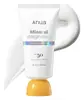
This hybrid sunscreen covers the full UV range and blocks ~98% of UVB at SPF 50.
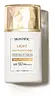
This chemical sunscreen covers the full UV range and blocks ~98% of UVB at SPF 50.


What's inside
What's inside
 Key Ingredients
Benefits
Concerns
Ingredients Side-by-side
Zinc Oxide 17.8%
Cosmetic Colorant


Water
Skin ConditioningButyloctyl Salicylate
Skin Conditioning
Propylheptyl Caprylate
EmollientButylene Glycol
Humectant

Isododecane
EmollientC9-12 Alkane
SolventCetyl Diglyceryl Tris(Trimethylsiloxy)Silylethyl Dimethicone
Emulsion Stabilising
Caprylyl Methicone
Skin Conditioning
Disiloxane
Skin Conditioning
Triethylhexanoin
MaskingGlycerin
Humectant
Methyl Methacrylate Crosspolymer
Disteardimonium Hectorite
StabilisingSodium Chloride
MaskingTriethoxycaprylylsilane
Polymethylsilsesquioxane
1,2-Hexanediol
Skin Conditioning
Dipentaerythrityl Tri-Polyhydroxystearate
Emollient

Lauryl Polyglyceryl-3 Polydimethylsiloxyethyl Dimethicone
Skin Conditioning
Lauryl Dimethicone/Polyglycerin-3 Crosspolymer
Cleansing
Magnesium Sulfate
Caprylyl Glycol
Emollient
Glyceryl Caprylate
EmollientDipropylene Glycol
HumectantTocopherol
Antioxidant





Sodium Citrate
BufferingCentella Asiatica Extract
Cleansing

Allantoin
Skin Conditioning
Panthenol
Skin Conditioning
Pentylene Glycol
Skin Conditioning
Caprylic/Capric Triglyceride
Masking
Octanediol
Hydrogenated Lecithin
Emulsifying
Ceramide NP
Skin Conditioning
Sodium Stearoyl Glutamate
CleansingZinc Oxide 17.8%, Water, Butyloctyl Salicylate, Propylheptyl Caprylate, Butylene Glycol, Isododecane, C9-12 Alkane, Cetyl Diglyceryl Tris(Trimethylsiloxy)Silylethyl Dimethicone, Caprylyl Methicone, Disiloxane, Triethylhexanoin, Glycerin, Methyl Methacrylate Crosspolymer, Disteardimonium Hectorite, Sodium Chloride, Triethoxycaprylylsilane, Polymethylsilsesquioxane, 1,2-Hexanediol, Dipentaerythrityl Tri-Polyhydroxystearate, Lauryl Polyglyceryl-3 Polydimethylsiloxyethyl Dimethicone, Lauryl Dimethicone/Polyglycerin-3 Crosspolymer, Magnesium Sulfate, Caprylyl Glycol, Glyceryl Caprylate, Dipropylene Glycol, Tocopherol, Sodium Citrate, Centella Asiatica Extract, Allantoin, Panthenol, Pentylene Glycol, Caprylic/Capric Triglyceride, Octanediol, Hydrogenated Lecithin, Ceramide NP, Sodium Stearoyl Glutamate
Water
Skin ConditioningCyclopentasiloxane
Emollient
Homosalate
Skin Conditioning
Butylene Glycol
Humectant
Caprylyl Methicone
Skin Conditioning
Ethylhexyl Salicylate
UV Absorber
Dibutyl Adipate
EmollientDisiloxane
Skin Conditioning
Methyl Methacrylate Crosspolymer
Ferulic Acid
Antimicrobial
Ascorbic Acid
Antioxidant
Bis-Ethylhexyloxyphenol Methoxyphenyl Triazine
UV Absorber
Ceramide AP
Skin Conditioning
Ceramide As
Skin Conditioning
Ceramide Ns
Skin Conditioning
Ceramide Ng
Skin Conditioning
Ceramide EOP
Skin Conditioning
Sodium Hyaluronate
Humectant
Sodium Hyaluronate Crosspolymer
Humectant
Hydrolyzed Sodium Hyaluronate
Skin Conditioning
Diethylamino Hydroxybenzoyl Hexyl Benzoate
UV Filter
1,2-Hexanediol
Skin Conditioning
Polymethylsilsesquioxane
Dimethicone
Emollient
Lauryl PEG-10 Tris(Trimethylsiloxy)Silylethyl Dimethicone
Emulsifying
Magnesium Sulfate
Stearic Acid
Cleansing
Aluminum Hydroxide
EmollientSorbitan Caprylate
EmulsifyingSilica Dimethyl Silylate
EmollientGlyceryl Caprylate
EmollientCetearyl Dimethicone Crosspolymer
Ethylhexylglycerin
Skin ConditioningTocopheryl Acetate
Antioxidant
Glycerin
Humectant
Hydrogenated Lecithin
Emulsifying
Ceramide NP
Skin Conditioning
Tocopherol
Antioxidant
Dipropylene Glycol
HumectantPentylene Glycol
Skin Conditioning
Glyceryl Stearate
Emollient
Sucrose Distearate
Emollient
Ficus Carica Fruit Extract
Humectant
Centella Asiatica Extract
Cleansing
Sodium Acetylated Hyaluronate
Humectant
Cholesterol
Emollient
Water, Cyclopentasiloxane, Homosalate, Butylene Glycol, Caprylyl Methicone, Ethylhexyl Salicylate, Dibutyl Adipate, Disiloxane, Methyl Methacrylate Crosspolymer, Ferulic Acid, Ascorbic Acid, Bis-Ethylhexyloxyphenol Methoxyphenyl Triazine, Ceramide AP, Ceramide As, Ceramide Ns, Ceramide Ng, Ceramide EOP, Sodium Hyaluronate, Sodium Hyaluronate Crosspolymer, Hydrolyzed Sodium Hyaluronate, Diethylamino Hydroxybenzoyl Hexyl Benzoate, 1,2-Hexanediol, Polymethylsilsesquioxane, Dimethicone, Lauryl PEG-10 Tris(Trimethylsiloxy)Silylethyl Dimethicone, Magnesium Sulfate, Stearic Acid, Aluminum Hydroxide, Sorbitan Caprylate, Silica Dimethyl Silylate, Glyceryl Caprylate, Cetearyl Dimethicone Crosspolymer, Ethylhexylglycerin, Tocopheryl Acetate, Glycerin, Hydrogenated Lecithin, Ceramide NP, Tocopherol, Dipropylene Glycol, Pentylene Glycol, Glyceryl Stearate, Sucrose Distearate, Ficus Carica Fruit Extract, Centella Asiatica Extract, Sodium Acetylated Hyaluronate, Cholesterol
Reviews
Ingredients Explained
These ingredients are found in both products.
Ingredients higher up in an ingredient list are typically present in a larger amount.
1,2-Hexanediol is a synthetic liquid and another multi-functional powerhouse.
It is a:
- Humectant, drawing moisture into the skin
- Emollient, helping to soften skin
- Solvent, dispersing and stabilizing formulas
- Preservative booster, enhancing the antimicrobial activity of other preservatives
Butylene Glycol (or BG) is used within cosmetic products for a few different reasons:
Overall, Butylene Glycol is a safe and well-rounded ingredient that works well with other ingredients.
Though this ingredient works well with most skin types, some people with sensitive skin may experience a reaction such as allergic rashes, closed comedones, or itchiness.
Learn more about Butylene GlycolCaprylyl Methicone is a synthetic and lightweight silicone fluid. It gives products a silky, dry-touch finish without the heaviness of pure oils.
Though the EU CosIng Database lists this ingredient as a skin conditioner, it is also used for sensory reasons. It spreads easily, cuts greasiness, and reduces tackiness.
This ingredient is volatile which means it will mostly evaporate (but it evaporates slower than older cyclomethicones, like Cyclotetrasiloxane).
Typical concentration ranges from 1-30% depending on if it's being used to tweak the feel of a product or acting as the main emollient.
Learn more about Caprylyl MethiconeCentella Asiatica Extract (Centella) is one of the most researched botanical extracts in skincare with decades of studies backing its effects on inflammation, collagen, and the skin barrier.
That research keeps pointing back to the same four triterpenoid saponins: Asiaticoside, Madecassoside, Asiatic Acid, and Madecassic Acid.
These compounds allow centella to dial back inflammation, encourage the skin to build and hold onto collagen, support the barrier and hydration, and bring solid antioxidant activity to protect against signs of aging.
Centella also carries a nice supporting cast of Vitamin A, vitamin C, several B vitamins, and amino acids. Put it all together and you get an ingredient that soothes, hydrates, and protects, all at once.
Most of centella's magic comes from the four big compounds (Asiaticoside, Madecassoside, Asiatic Acid, and Madecassic Acid). These are the actives doing the heavy lifting in almost every centella study.
Here is the short version of what they do in the skin:
So it is not just soothing for the sake of soothing. Centella calms the skin AND helps it rebuild.
Just FYI, not all centella on an ingredient list is the same. What you are getting actually depends on the extract:
Fun fact on the ratios: the leaves tend to be richest in Madecassoside and Asiaticoside, and lower in the two acids. The exact amounts shift with where the plant is grown and how it is processed. This means purity really does vary brand to brand.
Centella is one of the most easygoing actives out there.
It layers well with basically everything: niacinamide, hyaluronic acid, peptides, and vitamin C, and also pairs nicely with stronger actives like retinoids and exfoliating acids where it can help take the edge off irritation.
On the safety side, centella and its triterpenes are classified as weak sensitizers, meaning allergic reactions are possible but uncommon.
Patch tests at 1% and 5% came back negative in test panels, and creams at typical use levels did not cause allergic reactions across large groups of people.
But as with any new active, a patch test is still a smart move for very reactive skin.
Centella is widely used because it is effective at low percentages. For context, human safety testing found no meaningful irritation from creams containing centella extract at everyday use levels (the tested amounts were well under 1%).
The irritancy threshold in animal testing was also above 30% (so real-world formulas sit far below anything concerning).
In collagen lab studies, higher concentrations drove more collagen synthesis, so serums built around centella tend to feature it more prominently.
Bottom line: you will find centella working nicely anywhere from a fraction of a percent up to hero-ingredient levels depending on whether it is a supporting soother or the main event.
Fun fact: Centella has been used as a medicine and in food for many centuries. As a medicine, it is used to treat burns, scratches, and wounds.
Learn more about Centella Asiatica ExtractCeramide NP (formerly known as Ceramide 3) is one of the skin's naturally occurring lipids.
Since ceramides are the major lipid components of the skin, they are crucial for maintaining skin barrier and hydration. Ceramide NP most closely mirrors the dominant kind in human skin amongst ceramide subtypes.
This ceramide works by slotting into gaps within the stratum corneum's lipid matrix to limit trans-epidermal water loss (TEWL) and shield the skin against external irritants.
A study with 312 patients found that using a ceramide-containing routine for 4 weeks reduced the severity of atopic dermatitis by over 61%.
Another clinical study in subjects aged 60 and older found that a ceramide body wash and moisturizer improved skin dryness and itchy skin in 15 days.
Overall, ceramides are considered non-irritating and safety tests have found little to no observable adverse effects from using this ingredient.
Ceramide NP is usually sourced from plants (like soybean or rice bran), or produced synthetically.
Learn more about Ceramide NPDipropylene Glycol is a synthetically created humectant, stabilizer, and solvent.
This ingredient helps:
Dipropylene glycol is technically an alcohol, but it belongs to the glycol family (often considered part of the ‘good’ alcohols). This means it is hydrating and gentle on skin unlike drying solvent alcohols like denatured alcohol.
As a masking agent, Dipropylene Glycol can be used to cover the smell of other ingredients. However, it does not have a scent.
Studies show Dipropylene Glycol is considered safe to use in skincare.
Learn more about Dipropylene GlycolDisiloxane is a type of silicone.
Glycerin (or glycerol) is a compound naturally found in your skin. It's a powerhouse humectant that pulls water into the stratum corneum.
Topically, glycerin does several things at once:
Your skin makes glycerin on its own (mostly from sebaceous oil breakdown) and shuttles it to your outermost layer of skin, or your epidermis, via aquaporin-3.
Aquaporin-3 is a transporter that is essential for normal skin hydration, elasticity, and repair. Interestingly, mice lacking in AQP3 have dry and less elastic skin that can be fully corrected with glycerin.
This ingredient is non-irritating, plays well with almost every ingredient, and works across all skin types. Typical use is anywhere between 3-10% but can go up to 79% in some leave-on products.
Just know very high concentrations (>40%) can feel tacky in low humidity.
Glycerin is the name for this ingredient in American English. British English uses Glycerol/Glycerine.
Learn more about GlycerinGlyceryl Caprylate comes from glycerin and caprylic acid. It is an emollient, co-emulsifier, and preservative booster.
Its short C8 fatty acid chain makes it behave differently from its longer-chain emollient cousins like Glyceryl Stearate. It feels more lightweight, fast-absorbing, and silky instead of rich and waxy.
As a co-emulsifier, its "head" and "tail" sit at the oil-water interface. But overall, the short C8 tail and not being water soluble means it doesn't really have the muscle to emulsify a formula on its own. That's why you'll often see it paired with a primary emulsifier like Cetearyl Glucoside.
Interestingly, Glyceryl Caprylate acts as a preservative booster. This is because its fatty-acid backbone disrupts microbial lipid membranes. It shows excellent activity against bacteria and yeast but is weaker against mold.
Typical concentrations range from 0.5-1% and this ingredient is generally non-irritating.
Because this ingredient has a C8 fatty acid chain, it is outside the range that the Malassezia yeast metabolizes (making it fungal acne safe).
Learn more about Glyceryl CaprylateHydrogenated Lecithin is a more stable version of lecithin.
It's made by taking lecithin (a phospholipid commonly found in soybeans and egg yolks) and hydrogenating it. This just means the unsaturated fatty acids are turned into saturated ones so they don't go bad as easily.
This ingredient is an emollient, emulsifier, and penetration enhancer. As an emollient, it helps soften and hydrate skin by trapping moisture within. As an emulsifier, it prevents oil and water ingredients from separating.
Hydrogenated Lecithin can form tiny spherical structures made of phospholipid bilayers called liposomes. These liposomes are able to capture compounds inside their structure and deliver them through the skin barrier.
Because phospholipids are a natural component of our cell membranes, this ingredient is inherently compatible with skin.
A 2021 study found lecithin-based surfactants were less harsh and more tolerable comared to Sodium Lauryl Sulfate (SLS).
Learn more about Hydrogenated LecithinMagnesium Sulfate is a salt. More specifically, it is an epsom salt, or the bath salt used to help relieve muscle aches.
Despite having ‘sulfate’ in the name, it isn’t a surfactant or cleansing agent like sodium lauryl sulfate. Unlike those sulfates, magnesium sulfate doesn’t have the same cleansing or foaming properties (it's simply a type of salt).
In cosmetics, Magnesium Sulfate is used to thicken a product or help dilute other solids. It is a non-reactive and non-irritating ingredient.
One study shows magnesium deficiency may lead to inflammation of the skin. Applying magnesium topically may help reduce inflammation.
You can find this ingredient in sea water or mineral deposits.
Learn more about Magnesium SulfateThis ingredient comes as a powder made up of small, porous, microbeads. It is used to add a silky feel to products and also helps absorb oil.
Pentylene Glycol (1,2-pentanediol) is a multitasking little diol with three main roles in a formula:
Research on alkanediols (the family pentylene glycol belongs to) show they work by disrupting microbial cell membranes. This disruption helps the primary preservative system in a product work more effectively at lower doses.
On the safety side, the Cosmetic Ingredient Review Expert Panel has concluded this ingredient to be safe as used in current cosmetic practices + concentrations.
Typical use levels in a formula run about 1-5%.
Learn more about Pentylene GlycolPolymethylsilsesquioxane is a silicone used as a film forming agent.
When applied to the skin, this ingredient creates an invisible film on the surface. This film still allows oxygen to pass through, but prevents moisture from escaping. This can help condition and hydrate the skin. It also leaves a silky feel when applied.
Polymethylsilsesquioxane has not been shown to clog pores. It has been deemed safe to use up to 55%, but most cosmetics use much less.
If you have concerns about using this ingredient, we recommend speaking with a professional.
Learn more about PolymethylsilsesquioxaneTocopherol is a fat-soluble antioxidant known as Vitamin E.
You'll find this ingredient in the vast majority of skincare (for good reason). It works to neutralize free radicals, or unstable molecules generated by UV exposure, pollution, and other environmental stressors, before they can cause oxidative damage to your skin cells.
Topically applied tocopherol has been shown to protect against UV damage by ramping up the skin's own natural defense enzymes.
It also acts as a skin conditioning agent; some studies show that regular topical use can improve the skin's water-binding capacity over 2-4 weeks.
This ingredient is especially loved for being a team player. When combined with Vitamin C, the photoprotective effect of both ingredients roughly doubles and the combo also helps reduce UV-induced DNA damage.
This ingredient has some brightening potential but it's more of a prevention ingredient than spot-fader. Cell studies show it can slow down melanin production but it's worth noting that it's not the most powerful brightener out there.
In formulations, it also serves as a stabilizer that helps protect other oxidation-prone ingredients from degrading.
Concentrations usually range from 0.1-1% in most leave-on products.
Learn more about TocopherolWater. It's the most common cosmetic ingredient of all. You'll usually see it at the top of ingredient lists, meaning that it makes up the largest part of the product.
So why is it so popular? Water most often acts as a solvent - this means that it helps dissolve other ingredients into the formulation.
You'll also recognize water as that liquid we all need to stay alive. If you see this, drink a glass of water. Remember to stay hydrated!
Learn more about Water

