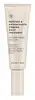
This anti-aging moisturizer is formulated around Niacinamide and Tetrahexyldecyl Ascorbate to soften the look of wrinkles and calm redness.

What's inside
What's inside
 Key Ingredients
Benefits
Concerns
Ingredients Side-by-side
Water
Skin ConditioningGlycerin
Humectant


Caprylic/Capric Triglyceride
Masking
Isononyl Isononanoate
EmollientCaffeine
Skin Conditioning

C12-15 Alkyl Benzoate
AntimicrobialNiacinamide
Smoothing







Lactobacillus Ferment
Skin Conditioning
Cetearyl Olivate


Butylene Glycol
Humectant
Polysorbate 60
Emulsifying
Tetrahexyldecyl Ascorbate
Antioxidant

Marrubium Vulgare Extract
Skin ConditioningPlantago Lanceolata Leaf Extract
AntimicrobialPalmitoyl Tripeptide-5
Skin Conditioning
Acetyl Tetrapeptide-40
Skin Conditioning
Palmitoyl Tripeptide-8
Skin Conditioning
Hydrolyzed Verbascum Thapsus Flower
Antioxidant
Moringa Oleifera Seed Extract
Skin Conditioning
Teprenone
Skin ConditioningPhospholipids
Skin Conditioning
Hyaluronic Acid
Humectant
Syringa Vulgaris Leaf Cell Culture Extract
Skin ConditioningSphingolipids
Emollient
Astaxanthin
Skin Conditioning
Bisabolol
Antioxidant
Euterpe Oleracea Fruit Oil
Skin Conditioning
Rubus Idaeus Seed Oil
Emollient
Honey
Humectant
Dimethyl Isosorbide
SolventCeramide NP
Skin Conditioning
Phenyl T-Butylnitrone
Antioxidant
Tocopherol
Antioxidant
Glutathione
Tetrahydrodiferuloylmethane
Antioxidant
Tetrahydrodemethoxydiferuloylmethane
Antioxidant
Tetrahydrobisdemethoxydiferuloylmethane
Antioxidant
Ergothioneine
Antioxidant
Xanthan Gum
EmulsifyingCaprylyl Glycol
Emollient
Carbomer
Emulsion StabilisingSorbitan Olivate
Emulsifying
Benzimidazole Diamond Amidoethyl Urea Carbamoyl Propyl Polymethylsilsesquioxane
Cosmetic Colorant
Mica
Cosmetic ColorantDextran
Citric Acid
Buffering
Sodium Hydroxide
BufferingAcrylamide/Sodium Acryloyldimethyltaurate Copolymer
Emulsion StabilisingCI 77891
Cosmetic ColorantEthylhexylglycerin
Skin ConditioningIsohexadecane
EmollientMaltodextrin
Absorbent
Polysorbate 80
Emulsifying
Acetyl Tributyl Citrate
Masking

Tetrasodium EDTA
ChelatingSorbitan Oleate
Emulsifying

Sodium Benzoate
Masking
Potassium Sorbate
Preservative
Sodium Glycolate
BufferingPolysorbate 20
Emulsifying
Phenoxyethanol
Preservative
O-Cymen-5-Ol
Antimicrobial
Water, Glycerin, Caprylic/Capric Triglyceride, Isononyl Isononanoate, Caffeine, C12-15 Alkyl Benzoate, Niacinamide, Lactobacillus Ferment, Cetearyl Olivate, Butylene Glycol, Polysorbate 60, Tetrahexyldecyl Ascorbate, Marrubium Vulgare Extract, Plantago Lanceolata Leaf Extract, Palmitoyl Tripeptide-5, Acetyl Tetrapeptide-40, Palmitoyl Tripeptide-8, Hydrolyzed Verbascum Thapsus Flower, Moringa Oleifera Seed Extract, Teprenone, Phospholipids, Hyaluronic Acid, Syringa Vulgaris Leaf Cell Culture Extract, Sphingolipids, Astaxanthin, Bisabolol, Euterpe Oleracea Fruit Oil, Rubus Idaeus Seed Oil, Honey, Dimethyl Isosorbide, Ceramide NP, Phenyl T-Butylnitrone, Tocopherol, Glutathione, Tetrahydrodiferuloylmethane, Tetrahydrodemethoxydiferuloylmethane, Tetrahydrobisdemethoxydiferuloylmethane, Ergothioneine, Xanthan Gum, Caprylyl Glycol, Carbomer, Sorbitan Olivate, Benzimidazole Diamond Amidoethyl Urea Carbamoyl Propyl Polymethylsilsesquioxane, Mica, Dextran, Citric Acid, Sodium Hydroxide, Acrylamide/Sodium Acryloyldimethyltaurate Copolymer, CI 77891, Ethylhexylglycerin, Isohexadecane, Maltodextrin, Polysorbate 80, Acetyl Tributyl Citrate, Tetrasodium EDTA, Sorbitan Oleate, Sodium Benzoate, Potassium Sorbate, Sodium Glycolate, Polysorbate 20, Phenoxyethanol, O-Cymen-5-Ol
Water
Skin ConditioningGlycerin
Humectant
Squalane
Emollient
Hydrogenated Polydecene
EmollientPanthenol
Skin Conditioning
Ethoxydiglycol
HumectantDimethicone
Emollient
Rosa Canina Fruit Oil
Emollient
Cetearyl Alcohol
Emollient
Acetyl Glutamine
Skin ConditioningSh-Oligopeptide-1
Skin Conditioning
Sh-Oligopeptide-2
Skin Conditioning
Sh-Polypeptide-1
Skin Conditioning
Sh-Polypeptide-9
Skin Conditioning
Sh-Polypeptide-11
Copper Palmitoyl Heptapeptide-14
Skin Conditioning
Heptapeptide-15 Palmitate
Skin Conditioning
Glycyrrhiza Glabra Root Extract
Bleaching
Allantoin
Skin Conditioning
Caprylyl Glycol
Emollient
Butylene Glycol
Humectant
Sodium Hyaluronate
Humectant
Glycolic Acid
Buffering

Lactic Acid/Glycolic Acid Copolymer
Skin ConditioningDisodium EDTA
ChelatingPolyacrylamide
Potassium Sorbate
Preservative
Sodium Benzoate
Masking
C13-14 Isoparaffin
Emollient
Polyvinyl Alcohol
Methylparaben
Preservative

Propylparaben
Preservative
Laureth-7
EmulsifyingDiazolidinyl Urea
Preservative
Xanthan Gum
EmulsifyingWater, Glycerin, Squalane, Hydrogenated Polydecene, Panthenol, Ethoxydiglycol, Dimethicone, Rosa Canina Fruit Oil, Cetearyl Alcohol, Acetyl Glutamine, Sh-Oligopeptide-1, Sh-Oligopeptide-2, Sh-Polypeptide-1, Sh-Polypeptide-9, Sh-Polypeptide-11, Copper Palmitoyl Heptapeptide-14, Heptapeptide-15 Palmitate, Glycyrrhiza Glabra Root Extract, Allantoin, Caprylyl Glycol, Butylene Glycol, Sodium Hyaluronate, Glycolic Acid, Lactic Acid/Glycolic Acid Copolymer, Disodium EDTA, Polyacrylamide, Potassium Sorbate, Sodium Benzoate, C13-14 Isoparaffin, Polyvinyl Alcohol, Methylparaben, Propylparaben, Laureth-7, Diazolidinyl Urea, Xanthan Gum
Reviews
Ingredients Explained
These ingredients are found in both products.
Ingredients higher up in an ingredient list are typically present in a larger amount.
Butylene Glycol (or BG) is used within cosmetic products for a few different reasons:
Overall, Butylene Glycol is a safe and well-rounded ingredient that works well with other ingredients.
Though this ingredient works well with most skin types, some people with sensitive skin may experience a reaction such as allergic rashes, closed comedones, or itchiness.
Learn more about Butylene GlycolCaprylyl Glycol is a humectant, skin conditioner, emollient, and preservative booster derived from either caprylic acid or synthetically created.
Typical use levels vary from 0.3-1% as a preservative booster and go up to 2% to condition skin.
Because it is not a free-fatty acid, this ingredient is fungal acne safe (there's nothing for Malassezia to feed on).
Learn more about Caprylyl GlycolGlycerin (or glycerol) is a compound naturally found in your skin. It's a powerhouse humectant that pulls water into the stratum corneum.
Topically, glycerin does several things at once:
Your skin makes glycerin on its own (mostly from sebaceous oil breakdown) and shuttles it to your outermost layer of skin, or your epidermis, via aquaporin-3.
Aquaporin-3 is a transporter that is essential for normal skin hydration, elasticity, and repair. Interestingly, mice lacking in AQP3 have dry and less elastic skin that can be fully corrected with glycerin.
This ingredient is non-irritating, plays well with almost every ingredient, and works across all skin types. Typical use is anywhere between 3-10% but can go up to 79% in some leave-on products.
Just know very high concentrations (>40%) can feel tacky in low humidity.
Glycerin is the name for this ingredient in American English. British English uses Glycerol/Glycerine.
Learn more about GlycerinPotassium Sorbate is a preservative used to prevent yeast and mold in products. It is commonly found in both cosmetic and food products.
This ingredient comes from potassium salt derived from sorbic acid. Sorbic acid is a natural antibiotic and effective against fungus.
Both potassium sorbate and sorbic acid can be found in baked goods, cheeses, dried meats, dried fruit, ice cream, pickles, wine, yogurt, and more.
You'll often find this ingredient used with other preservatives.
Learn more about Potassium SorbateSodium Benzoate is a preservative. It's used in both cosmetic and food products to inhibit the growth of mold and bacteria. It is typically produced synthetically.
Both the US FDA and EU Health Committee have approved the use of sodium benzoate. In the US, levels of 0.1% (of the total product) are allowed.
Sodium benzoate works as a preservative by inhibiting the growth of bacteria inside of cells. It prevents the cell from fermenting a type of sugar using an enzyme called phosphofructokinase.
It is the salt of benzoic acid. Foods containing sodium benzoate include soda, salad dressings, condiments, fruit juices, wines, and snack foods.
Studies for using ascorbic acid and sodium benzoate in cosmetics are lacking, especially in skincare routines with multiple steps.
We always recommend speaking with a professional, such as a dermatologist, if you have any concerns.
Learn more about Sodium BenzoateWater. It's the most common cosmetic ingredient of all. You'll usually see it at the top of ingredient lists, meaning that it makes up the largest part of the product.
So why is it so popular? Water most often acts as a solvent - this means that it helps dissolve other ingredients into the formulation.
You'll also recognize water as that liquid we all need to stay alive. If you see this, drink a glass of water. Remember to stay hydrated!
Learn more about WaterXanthan gum is used as a stabilizer and thickener within cosmetic products. It helps give products a sticky, thick feeling - preventing them from being too runny.
On the technical side of things, xanthan gum is a polysaccharide - a combination consisting of multiple sugar molecules bonded together.
Xanthan gum is a pretty common and great ingredient. It is a natural, non-toxic, non-irritating ingredient that is also commonly used in food products.
Learn more about Xanthan Gum

