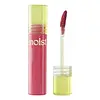
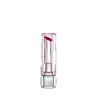
This smoothing lip moisturizer is formulated around Bis-Diglyceryl Polyacyladipate-2 and Palmitoyl Tripeptide-1 to refine skin texture and hydrate lips.

What's inside
What's inside
 Key Ingredients
Benefits
Concerns
Ingredients Side-by-side
Water
Skin ConditioningDiphenyl Dimethicone
Emollient
Diphenylsiloxy Phenyl Trimethicone
Skin Conditioning
Octyldodecanol
Emollient
Diisostearyl Malate
EmollientBis-Diglyceryl Polyacyladipate-2
Emollient


Hydrogenated Polyisobutene
EmollientPhytosteryl/Isostearyl/Cetyl/Stearyl/Behenyl Dimer Dilinoleate
Skin Conditioning
Glycerin
Humectant

Dipropylene Glycol
HumectantButylene Glycol
Humectant
Cetyl PEG/PPG-10/1 Dimethicone
Emulsifying
Hydroxyethyl Acrylate/Sodium Acryloyldimethyl Taurate Copolymer
Emulsion StabilisingPhenoxyethanol
Preservative
Steareth-21
CleansingPolysorbate 60
Emulsifying
Parfum
Masking



Tocopheryl Acetate
Antioxidant


1,2-Hexanediol
Skin Conditioning
Caprylyl Glycol
Emollient
Cetyl Alcohol
Emollient
Chlorphenesin
Antimicrobial
Menthoxypropanediol
Masking
Squalane
Emollient
Allantoin
Skin Conditioning

Disodium EDTA
ChelatingSimmondsia Chinensis Seed Oil
Emollient
Stevioside
MaskingEthylhexylglycerin
Skin ConditioningSaccharide Isomerate
Humectant
Ceteth-20
CleansingSteareth-20
CleansingTrideceth-9
EmulsifyingPEG-40 Hydrogenated Castor Oil
Emulsifying
Sorbitan Isostearate
Emulsifying
Ammonium Polyacrylate
StabilisingPolysorbate 20
Emulsifying
Avena Sativa Kernel Extract
Abrasive
PEG-60 Hydrogenated Castor Oil
Emulsifying
Helianthus Annuus Seed Oil
Emollient
Citric Acid
Buffering
Sodium Citrate
BufferingPotassium Sorbate
Preservative
Sodium Benzoate
Masking
Tocopherol
Antioxidant
CI 77891
Cosmetic ColorantCI 16035
Cosmetic ColorantCI 77491
Cosmetic ColorantCI 77492
Cosmetic ColorantCI 17200
Cosmetic ColorantCI 77499
Cosmetic ColorantCI 19140
Cosmetic ColorantCI 42090
Cosmetic ColorantCI 45380
Cosmetic ColorantWater, Diphenyl Dimethicone, Diphenylsiloxy Phenyl Trimethicone, Octyldodecanol, Diisostearyl Malate, Bis-Diglyceryl Polyacyladipate-2, Hydrogenated Polyisobutene, Phytosteryl/Isostearyl/Cetyl/Stearyl/Behenyl Dimer Dilinoleate, Glycerin, Dipropylene Glycol, Butylene Glycol, Cetyl PEG/PPG-10/1 Dimethicone, Hydroxyethyl Acrylate/Sodium Acryloyldimethyl Taurate Copolymer, Phenoxyethanol, Steareth-21, Polysorbate 60, Parfum, Tocopheryl Acetate, 1,2-Hexanediol, Caprylyl Glycol, Cetyl Alcohol, Chlorphenesin, Menthoxypropanediol, Squalane, Allantoin, Disodium EDTA, Simmondsia Chinensis Seed Oil, Stevioside, Ethylhexylglycerin, Saccharide Isomerate, Ceteth-20, Steareth-20, Trideceth-9, PEG-40 Hydrogenated Castor Oil, Sorbitan Isostearate, Ammonium Polyacrylate, Polysorbate 20, Avena Sativa Kernel Extract, PEG-60 Hydrogenated Castor Oil, Helianthus Annuus Seed Oil, Citric Acid, Sodium Citrate, Potassium Sorbate, Sodium Benzoate, Tocopherol, CI 77891, CI 16035, CI 77491, CI 77492, CI 17200, CI 77499, CI 19140, CI 42090, CI 45380
Methyl Hydrogenated Rosinate
Perfuming
Bis-Diglyceryl Polyacyladipate-2
Emollient
Cetyl Ethylhexanoate
EmollientSynthetic Wax
Abrasive
Ethylhexyl Methoxycinnamate
UV Absorber

Polyglyceryl-2 Triisostearate
Emulsifying
Hydrogenated Coco-Glycerides
Emollient
Octocrylene
UV Absorber
Butyl Methoxydibenzoylmethane
UV Absorber
Phytosteryl/Isostearyl/Cetyl/Stearyl/Behenyl Dimer Dilinoleate
Skin Conditioning
Cera Microcristallina
Emulsion StabilisingCalcium Aluminum Borosilicate
Silica Dimethyl Silylate
EmollientTocopheryl Acetate
Antioxidant
Phenoxyethanol
Preservative
Ethylhexyl Palmitate
Emollient
Caprylyl Glycol
Emollient
Parfum
Masking
Squalane
Emollient
Triacontanyl Pvp
HumectantWater
Skin ConditioningTribehenin
Emollient
Tin Oxide
Abrasive
Centella Asiatica Extract
Cleansing
Sorbitan Isostearate
Emulsifying
Palmitoyl Tripeptide-1
Skin Conditioning
BHT
Antioxidant
CI 77891
Cosmetic ColorantCI 77491
Cosmetic ColorantCI 15850
Cosmetic ColorantCI 42090
Cosmetic ColorantMethyl Hydrogenated Rosinate, Bis-Diglyceryl Polyacyladipate-2, Cetyl Ethylhexanoate, Synthetic Wax, Ethylhexyl Methoxycinnamate, Polyglyceryl-2 Triisostearate, Hydrogenated Coco-Glycerides, Octocrylene, Butyl Methoxydibenzoylmethane, Phytosteryl/Isostearyl/Cetyl/Stearyl/Behenyl Dimer Dilinoleate, Cera Microcristallina, Calcium Aluminum Borosilicate, Silica Dimethyl Silylate, Tocopheryl Acetate, Phenoxyethanol, Ethylhexyl Palmitate, Caprylyl Glycol, Parfum, Squalane, Triacontanyl Pvp, Water, Tribehenin, Tin Oxide, Centella Asiatica Extract, Sorbitan Isostearate, Palmitoyl Tripeptide-1, BHT, CI 77891, CI 77491, CI 15850, CI 42090
Ingredients Explained
These ingredients are found in both products.
Ingredients higher up in an ingredient list are typically present in a larger amount.
Bis-Diglyceryl Polyacyladipate-2 is a synthetic emollient that works as a lanolin substitute.
This ingredient is a great vegan option for those avoiding animal-derived ingredients.
It mostly stays on the surface of skin where it helps hydrate due to its large molecular size and low water solubility.
Due to it being derived from fatty acids, this ingredient may not be Malassezia or fungal acne safe.
Learn more about Bis-Diglyceryl Polyacyladipate-2Caprylyl Glycol is a humectant, skin conditioner, emollient, and preservative booster derived from either caprylic acid or synthetically created.
Typical use levels vary from 0.3-1% as a preservative booster and go up to 2% to condition skin.
Because it is not a free-fatty acid, this ingredient is fungal acne safe (there's nothing for Malassezia to feed on).
Learn more about Caprylyl GlycolCi 42090 is a synthetic dye created from petroleum. It is used to give a bright blue color to cosmetics, medicine, and food.
Ci 77491 is also hydrated iron III oxide. It's sole purpose is to give a red/pink hue to products.
Iron III oxides are classified as inorganic chemicals for coloring.
Synthetically created Ci 77491 is considered safer than those naturally found. This is because the synthetically created version may contain less impurities. Iron oxides are generally non-toxic and non-allergenic.
Learn more about CI 77491Ci 77891 is a white pigment from Titanium dioxide. It is naturally found in minerals such as rutile and ilmenite.
It's main function is to add a white color to cosmetics. It can also be mixed with other colors to create different shades.
Ci 77891 is commonly found in sunscreens due to its ability to block UV rays.
Learn more about CI 77891Parfum is a catch-all term for an ingredient or more that is used to give a scent to products.
Also called "fragrance", this ingredient can be a blend of hundreds of chemicals or plant oils. This means every product with "fragrance" or "parfum" in the ingredients list is a different mixture.
For instance, Habanolide is a proprietary trade name for a specific aroma chemical. When used as a fragrance ingredient in cosmetics, most aroma chemicals fall under the broad labeling category of “FRAGRANCE” or “PARFUM” according to EU and US regulations.
The term 'parfum' or 'fragrance' is not regulated in many countries. In many cases, it is up to the brand to define this term.
For instance, many brands choose to label themselves as "fragrance-free" because they are not using synthetic fragrances. However, their products may still contain ingredients such as essential oils that are considered a fragrance by INCI standards.
One example is Calendula flower extract. Calendula is an essential oil that still imparts a scent or 'fragrance'.
Depending on the blend, the ingredients in the mixture can cause allergies and sensitivities on the skin. Some ingredients that are known EU allergens include linalool and citronellol.
Parfum can also be used to mask or cover an unpleasant scent.
The bottom line is: not all fragrances/parfum/ingredients are created equally. If you are worried about fragrances, we recommend taking a closer look at an ingredient. And of course, we always recommend speaking with a professional.
Learn more about ParfumPhenoxyethanol is one of the most widely used preservatives in skincare (and for good reason!).
It has a large spectrum of antimicrobial activity and especially effective bacteria, yeast, and mold while only having a weak effect on your skin's natural microbiome.
On a cellular level, it disrupts the cell membranes of microbes by poking holes that make the cell leak. This shuts down the chemical reactions the microbe needs to make energy so it can no longer survive.
Another perk of this ingredient is that it stays functional across a wide pH range (3-10).
You'll often see it paired with boosters like Ethylhexylglycerin; one study showed that a 1:9 ratio of Ethylhexylglycerin to Phenoxyethanol damages bacterial membranes as effectively as doubling the Phenoxyethanol concentration on its own.
Typical use concentrations range from 0.3-1% depending on the formula, and this ingredient is capped at 1% int the EU.
Safety-wise, the fear mongering does not hold up to the evidence. The EU's Scientific Committee on Consumer Safety and FDA consider it safe as a preservative at up to 1%, including for children of all ages.
Adverse systemic effects only showed up in animal studies at exposures roughly 200x higher than what people get from cosmetics. And despite its very widespread use, this ingredient is a rare sensitizer and allergic reactions are uncommon.
Learn more about PhenoxyethanolThis is a plant-derived ester that functions as a skin conditioner. It's basically a two linoleic acid molecules combined with fatty alcohols.
In practice, it works as a rich emollient that helps reduce moisture loss and give skin a soft appearance.
The phytosterol part of this ingredient brings an added structural bonus: phytosterols are structurally similar to cholesterol so they can fit right into the stratum corneum's lipid matrix to help reinforce the skin barrier.
Due to its molecular structure, this ingredient delivers a cushiony and glossy feeling without being excessively greasy.
It did not produce skin irritation or sensitization in clinical studies, and this ingredient is deemed safe to use in cosmetics at current practices.
Because this ingredient contains C16, C18, and C22 fatty chains, it may not be Malassezia/fungal acne safe. The Malassezia yeast potentially feeds on fatty acids in the C11-C24 range.
Learn more about Phytosteryl/Isostearyl/Cetyl/Stearyl/Behenyl Dimer DilinoleateSorbitan Isostearate is an emulsifer. It is created from isostearic acid and sorbitol.
As an emulsifier, it keeps the water and oil ingredients from separating. This keeps formulas stable and smooth.
In a 24 hour occlusive patch test on 56 subjects, 10% sorbitan isostearate was completely non-irritating. Most formulas use less than 10%.
Because it's a fatty acid ester, it may not be fungal acne safe since the Malassezia yeast can utilize it as a nutrient source.
Learn more about Sorbitan IsostearateSqualane is the hydrogenated and shelf-stable form of squalene (a lipid that naturally occurs in human sebum).
It is an emollient and skin conditioning agent that is able to integrate seamlessly into the skin's lipid barrier without clogging pores.
This is due to how structurally similar it is to what your skin already produces.
Though it is mostly an emollient that helps soften and hydrate skin, it also has some humectant and occlusive action. Humectants help the skin retain moisture while occlusives seal it in, making squalane a triple-threat moisturizer.
Research shows it has antioxidant capabilities that help protect against stressors like UV exposure, specifically UVA induced oxidative stress. This study also found that it supports collagen biosynthesis in human dermal fibroblasts.
No clinical study has reported significant adverse effects and irritation reactions are very rare from this ingredient (even at 100% concentration).
Overall, it's a fantastic ingredient for hydration and is suitable for all skin types.
This depends on the source. Squalane can be derived from both plants and animals. Most squalane used in skincare comes from plants.
Please note: the source of squalane is only known if disclosed by the brand. We recommend reaching out to the brand if you have any questions about their squalane.
Read more about squalene with an "e".
Though squalane is often called an oil, it’s technically not one. It is a hydrocarbon, meaning it is only made of carbon and hydrogen. True oils are triglycerides and made of fatty acids and glycerol.
The term “oil-free” isn’t regulated so companies can define it however they want. Some exclude all oils, while others just avoid mineral oil or comedogenic oils.
Squalane has a comedogenic rating of 1 from the original 1972 study that tested raw ingredients under occlusion on rabbit ears. This system is not standardized or peer-reviewed, and using the raw ingredients is very different from how diluted cosmetic formulations are used on human skin.
A comedogenic rating of 1 means it is "unlikely to clog pores" according to the original rating system.
The overall formula of a product matters more than the individual ingredients on whether or not it will cause clogged pores.
Learn more about SqualaneTocopheryl Acetate is a stable, shelf-friendly form of vitamin E.
Formulators love it because plain vitamin E oxidizes quickly once it hits air. This acetate version stays stable and resists going off, helping to extend a product's shelf life.
It's actually inactive on its own and works like a slow-release "storage" form; the enzymes in your skin called esterases gradually convert it into active vitamin E over time.
One in vivo study showed 5% of the acetate in the living layer of the epidermis converted to vitamin E after 5 days of application. This study also found the skin gained protection against UV damage even though the conversion was slow and small.
Once converted, vitamin E acts as a skin's main fat-soluble antioxidant that fights free radicals to protect skin from damage.
Topical vitamin E generally boosts the skin's photoprotection, and it reduced UV-damage in animal models.
This ingredient has some brightening potential but it's more of a prevention ingredient than spot-fader. Cell studies show it can slow down melanin production but it's worth noting that it's not the most powerful brightener out there.
Overall, it has a pretty solid safety profile and has been found to be non-irritating and non-comedogenic. Allergic reactions may happen but stay rare due to how widely the ingredient gets used.
The concentration will vary depending on the formula; industry data shows 0.1% in baby lotions, 3% in lipsticks, and 5% in foot powders. You can also find this ingredient at 100% in a pure vitamin E oil.
Most leave-on skincare keeps it at the lower end, often between 0.5-1%.
Learn more about Tocopheryl AcetateWater. It's the most common cosmetic ingredient of all. You'll usually see it at the top of ingredient lists, meaning that it makes up the largest part of the product.
So why is it so popular? Water most often acts as a solvent - this means that it helps dissolve other ingredients into the formulation.
You'll also recognize water as that liquid we all need to stay alive. If you see this, drink a glass of water. Remember to stay hydrated!
Learn more about Water

