
What's inside
What's inside
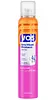 Key Ingredients
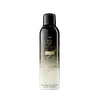
No key ingredients
Benefits
Concerns
Ingredients Side-by-side
Butane
Isobutane
Alcohol Denat.
Antimicrobial




Propane
Dimethicone
Emollient

Isododecane
EmollientC13-15 Alkane
SolventArgania Spinosa Kernel Oil
Emollient






Parfum
Masking

Limonene
Perfuming
Citrus Aurantium Amara Peel Oil
Skin Conditioning
Linalool
Perfuming
Benzyl Salicylate
Perfuming
Citrus Limon Peel Oil
Masking
Citronellol
Perfuming
Hexyl Cinnamal
Perfuming
Citral
Perfuming
Pinene
Masking
Linalyl Acetate
Masking
Geraniol
Perfuming
Terpineol
Masking
Isobutane
Sd Alcohol 40-B
Astringent
Butane
Diisopropyl Adipate
EmollientParfum
Masking
Ethyl Macadamiate
Skin Conditioning
Silicone Quaternium-3
Glycereth-26
Humectant
Panthenyl Ethyl Ether
Water
Skin ConditioningTrideceth-12
EmulsifyingQuaternium-91
Cetrimonium Methosulfate
AntimicrobialCetrimonium Chloride
Antimicrobial
Cetearyl Alcohol
Emollient



Panthenol
Skin Conditioning
Phytantriol
HumectantQuaternium-95
UV AbsorberPropanediol
Solvent
Caffeine
Skin Conditioning
Biotin
AntiseborrhoeicPrunus Amygdalus Dulcis Oil
Skin Conditioning
Niacinamide
Smoothing




Macadamia Ternifolia Seed Oil
Emollient
Argania Spinosa Kernel Oil
Emollient
Citrullus Lanatus Seed Oil
Emollient
Brassica Campestris/Aleurites Fordi Oil Copolymer
Skin Conditioning
Glycerin
Humectant
Carthamus Tinctorius Seed Oil
Masking
Oryza Sativa Bran Extract
Skin Conditioning
Cocos Nucifera Liquid Endosperm
Hypnea Musciformis Extract
Skin Protecting
Tocopherol
Antioxidant

Vitis Vinifera Seed Extract
Antimicrobial
Litchi Chinensis Fruit Extract
Skin ConditioningRosmarinus Officinalis Leaf Extract
AntimicrobialHelianthus Annuus Extract
Emollient
Malic Acid
Buffering

Camellia Sinensis Leaf Extract
Antimicrobial
Gelidiella Acerosa Extract
Skin Protecting
Leontopodium Alpinum Flower/Leaf Extract
Skin ConditioningHydrolyzed Rice Protein
Skin ConditioningVegetable Amino Acids
Skin ConditioningSodium Carrageenan
Emulsion StabilisingPhenoxyethanol
Preservative
Leuconostoc/Radish Root Ferment Filtrate
Antimicrobial
Galactoarabinan
Salvia Hispanica Seed Extract
Emollient
Xylitol
Humectant
Trehalose
Humectant
Sodium Benzoate
Masking
Potassium Sorbate
Preservative
Citric Acid
Buffering
Caprylyl Glycol
Emollient
Benzyl Alcohol
Perfuming
Sodium Phosphate
BufferingEthylhexylglycerin
Skin ConditioningSorbic Acid
Preservative
Caprylyl/Capryl Glucoside
CleansingEthyl Linoleate
Emollient
Ethyl Oleate
Emollient
Sorbitan Oleate
Emulsifying
Polyquaternium-37
Caprylic Acid
CleansingPentaerythrityl Tetra-Di-T-Butyl Hydroxyhydrocinnamate
Antioxidant
Hexyl Cinnamal
Perfuming
Limonene
Perfuming
Linalool
Perfuming
Isobutane, Sd Alcohol 40-B, Butane, Diisopropyl Adipate, Parfum, Ethyl Macadamiate, Silicone Quaternium-3, Glycereth-26, Panthenyl Ethyl Ether, Water, Trideceth-12, Quaternium-91, Cetrimonium Methosulfate, Cetrimonium Chloride, Cetearyl Alcohol, Panthenol, Phytantriol, Quaternium-95, Propanediol, Caffeine, Biotin, Prunus Amygdalus Dulcis Oil, Niacinamide, Macadamia Ternifolia Seed Oil, Argania Spinosa Kernel Oil, Citrullus Lanatus Seed Oil, Brassica Campestris/Aleurites Fordi Oil Copolymer, Glycerin, Carthamus Tinctorius Seed Oil, Oryza Sativa Bran Extract, Cocos Nucifera Liquid Endosperm, Hypnea Musciformis Extract, Tocopherol, Vitis Vinifera Seed Extract, Litchi Chinensis Fruit Extract, Rosmarinus Officinalis Leaf Extract, Helianthus Annuus Extract, Malic Acid, Camellia Sinensis Leaf Extract, Gelidiella Acerosa Extract, Leontopodium Alpinum Flower/Leaf Extract, Hydrolyzed Rice Protein, Vegetable Amino Acids, Sodium Carrageenan, Phenoxyethanol, Leuconostoc/Radish Root Ferment Filtrate, Galactoarabinan, Salvia Hispanica Seed Extract, Xylitol, Trehalose, Sodium Benzoate, Potassium Sorbate, Citric Acid, Caprylyl Glycol, Benzyl Alcohol, Sodium Phosphate, Ethylhexylglycerin, Sorbic Acid, Caprylyl/Capryl Glucoside, Ethyl Linoleate, Ethyl Oleate, Sorbitan Oleate, Polyquaternium-37, Caprylic Acid, Pentaerythrityl Tetra-Di-T-Butyl Hydroxyhydrocinnamate, Hexyl Cinnamal, Limonene, Linalool
Ingredients Explained
These ingredients are found in both products.
Ingredients higher up in an ingredient list are typically present in a larger amount.
You may know this ingredient as argan oil. It has emollient and skin conditioning properties that help soften skin and reinforce the lipid barrier.
The fatty acid profile of argan oil is roughly 45-55% oleic acid, 28-36% linoleic acid, 10-15% palmitic acid, and 5-7% stearic acid. It also contains vitamin E, sterols, squalene, and polyphenols like ferulic acid.
Two clinical studies in postmenopausal women found that applying argan oil for 60 days significantly improved skin elasticity and moisturization (reduced transepidermal water loss and increased epidermal water content).
Since it is high in oleic and linoleic acid, this ingredient may not be fungal acne safe. Both of these fall in the C11-C24 range that Malassezia yeast can metabolize.
Learn more about Argania Spinosa Kernel OilButane is a gas derived from petroleum and natural gas. It is used as an aerosol propellant.
Hexyl Cinnamal is a fragrance ingredient with a similar scent to jasmine. It can be naturally found in chamomile essential oil.
This ingredient is a known EU allergen and may sensitize the skin. The EU requires this ingredient to be listed separately on an ingredients list.
Hexyl Cinnamal is not water soluble but is soluble in oils.
Learn more about Hexyl CinnamalThis ingredient is a low-molecular weight gas using as a propellant in foams, sprays, and mousses.
It is not intended to interact with skin in a meaningful way as it evaporates almost immediately after dispensing and only leaving behind the actual product formula.
If it does somehow make it onto your skin, it is chemically inert and does not penetrate or get absorbed into skin. Safety assessments note that adverse skin reactions to this ingredient are uncommon.
Learn more about IsobutaneLimonene is the compound that gives citrus peel its smell.
In skincare, it shows up as a standalone fragrance ingredient or as a natural compound of citrus and other essential oils.
You'll typically see this ingredient used in very small amounts; anything above 0.001% in a leave-on product or 0.01% in a rinse-off has to be named on the label in the EU. The citrus oils that carry it sit around 0.5-1% in a finished formula.
Fresh limonene is a weak allergen; the real issue is that it slowly reacts with air and then breaks down from oxidation to create hydroperoxides (which are strong sensitizers). This is why suppliers are required to keep the peroxide value below 20 mmol.
Positive reactions in people being investigated for eczema vary:
It's worth skipping if you have a known fragrance allergy or a compromised barrier, but the risk is low for most people.
Older or long-opened products are also more likely to bother you than fresh ones due to oxidation.
Learn more about LimoneneLinalool is a small, naturally occurring scent molecule found in plants like lavender, coriander, bergamot, and more.
It is one of the two most-used fragrance ingredients in cosmetics and added purely for smell. Since it's not used for a skin benefit, there's no "effective dose". Concentration depends on the fragrance load of the product.
The EU requires it to be named on the label above 0.001% in leave-on and 0.01% in rinse-off products.
Fresh linalool is a weak sensitizer but air exposure turns some of it into hydroperoxides, which are strong sensitizers. Those oxidation products are the actual allergy concern.
Patch-test clinics see positive reactions to linalool hydroperoxides in about 4% to 12% of dermatitis patients depending on country and test concentration.
Resassuringly, one analytical study found hydroperoxide levels in real fragranced products to be orders of magnitude below what induced sensitization in animal studies with no evidence of oxidation building up during normal storage.
The practical takeaway is that linalool is fine for most people but worth avoiding if you have a confirmed fragrance contact allergy or a badly compromised barrier.
Products stored a long time after opening are also the high-risk scenario since that is when oxidation happens.
The scent of linalool is described as floral, spicy tropical, and citrus-like.
Learn more about LinaloolParfum is a catch-all term for an ingredient or more that is used to give a scent to products.
Also called "fragrance", this ingredient can be a blend of hundreds of chemicals or plant oils. This means every product with "fragrance" or "parfum" in the ingredients list is a different mixture.
For instance, Habanolide is a proprietary trade name for a specific aroma chemical. When used as a fragrance ingredient in cosmetics, most aroma chemicals fall under the broad labeling category of “FRAGRANCE” or “PARFUM” according to EU and US regulations.
The term 'parfum' or 'fragrance' is not regulated in many countries. In many cases, it is up to the brand to define this term.
For instance, many brands choose to label themselves as "fragrance-free" because they are not using synthetic fragrances. However, their products may still contain ingredients such as essential oils that are considered a fragrance by INCI standards.
One example is Calendula flower extract. Calendula is an essential oil that still imparts a scent or 'fragrance'.
Depending on the blend, the ingredients in the mixture can cause allergies and sensitivities on the skin. Some ingredients that are known EU allergens include linalool and citronellol.
Parfum can also be used to mask or cover an unpleasant scent.
The bottom line is: not all fragrances/parfum/ingredients are created equally. If you are worried about fragrances, we recommend taking a closer look at an ingredient. And of course, we always recommend speaking with a professional.
Learn more about Parfum

