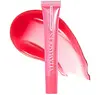
This anti-aging lip moisturizer is formulated around Squalane and Ceramide NP to soften the look of wrinkles and hydrate lips.
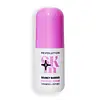
This barrier-repair serum is formulated around Butyrospermum Parkii Butter and Niacinamide to strengthen the skin barrier and calm redness.

What's inside
What's inside
 Key Ingredients
Benefits
Concerns
Ingredients Side-by-side
Diisostearyl Malate
EmollientPhytosteryl/Isostearyl/Cetyl/Stearyl/Behenyl Dimer Dilinoleate
Skin Conditioning

Hydrogenated Polyisobutene
EmollientPolyisobutene
Hydrogenated Poly(C6-14 Olefin)
EmollientSilica Dimethyl Silylate
EmollientCaprylic/Capric Triglyceride
Masking


Synthetic Wax
Abrasive

Stearalkonium Hectorite
Gel FormingPolyglyceryl-2 Triisostearate
Emulsifying
Propylene Carbonate
SolventEthylhexylglycerin
Skin ConditioningCalcium Aluminum Borosilicate
Silica
Abrasive

Tin Oxide
Abrasive
Tocopherol
Antioxidant





Water
Skin ConditioningTheobroma Grandiflorum Seed Butter
Skin Conditioning
Theobroma Cacao Seed Butter
Emollient

Squalane
Emollient
Phytosterols
Skin Conditioning
Panthenol
Skin Conditioning
Ascorbic Acid
Antioxidant

Glycerin
Humectant
Butyrospermum Parkii Butter
Skin Conditioning
Butylene Glycol
Humectant
1,2-Hexanediol
Skin Conditioning
Ceramide NP
Skin Conditioning
Hydrogenated Lecithin
Emulsifying
Mangifera Indica Seed Butter
Skin Conditioning
Astrocaryum Murumuru Seed Butter
Emollient
Inulin Lauryl Carbamate
Emulsion StabilisingSodium Hyaluronate
Humectant
Sodium Surfactin
CleansingHydroxypropyltrimonium Hyaluronate
Hydrolyzed Hyaluronic Acid
Humectant
Sodium Acetylated Hyaluronate
Humectant
Soluble Collagen
Humectant
Hyaluronic Acid
Humectant
Nonapeptide-1
Skin Conditioning
Oligopeptide-1
Skin Conditioning
Palmitoyl Pentapeptide-4
Skin Conditioning
Palmitoyl Hexapeptide-12
Skin Conditioning
Hexapeptide-11
Skin Conditioning
Hexapeptide-9
Skin Conditioning
Hydrolyzed Sodium Hyaluronate
Skin Conditioning
Acetyl Tetrapeptide-3
Skin Protecting
Acetyl Hexapeptide-8
Humectant
Acetyl Tetrapeptide-5
Humectant
Copper Tripeptide-1
Skin Conditioning
Dipeptide Diaminobutyroyl Benzylamide Diacetate
Skin Conditioning
Dipeptide-2
Skin Conditioning
Tripeptide-1
Skin Conditioning
Sodium Hyaluronate Crosspolymer
Humectant
Palmitoyl Tetrapeptide-7
Skin Conditioning
Palmitoyl Tripeptide-1
Skin Conditioning
Palmitoyl Tripeptide-5
Skin Conditioning
Pentapeptide-3
Skin Conditioning
Potassium Hyaluronate
Skin ConditioningArginine/Lysine Polypeptide
Skin Conditioning
Parfum
Masking


CI 16035
Cosmetic ColorantCI 45410
Cosmetic ColorantCI 77891
Cosmetic ColorantCI 77499
Cosmetic ColorantDiisostearyl Malate, Phytosteryl/Isostearyl/Cetyl/Stearyl/Behenyl Dimer Dilinoleate, Hydrogenated Polyisobutene, Polyisobutene, Hydrogenated Poly(C6-14 Olefin), Silica Dimethyl Silylate, Caprylic/Capric Triglyceride, Synthetic Wax, Stearalkonium Hectorite, Polyglyceryl-2 Triisostearate, Propylene Carbonate, Ethylhexylglycerin, Calcium Aluminum Borosilicate, Silica, Tin Oxide, Tocopherol, Water, Theobroma Grandiflorum Seed Butter, Theobroma Cacao Seed Butter, Squalane, Phytosterols, Panthenol, Ascorbic Acid, Glycerin, Butyrospermum Parkii Butter, Butylene Glycol, 1,2-Hexanediol, Ceramide NP, Hydrogenated Lecithin, Mangifera Indica Seed Butter, Astrocaryum Murumuru Seed Butter, Inulin Lauryl Carbamate, Sodium Hyaluronate, Sodium Surfactin, Hydroxypropyltrimonium Hyaluronate, Hydrolyzed Hyaluronic Acid, Sodium Acetylated Hyaluronate, Soluble Collagen, Hyaluronic Acid, Nonapeptide-1, Oligopeptide-1, Palmitoyl Pentapeptide-4, Palmitoyl Hexapeptide-12, Hexapeptide-11, Hexapeptide-9, Hydrolyzed Sodium Hyaluronate, Acetyl Tetrapeptide-3, Acetyl Hexapeptide-8, Acetyl Tetrapeptide-5, Copper Tripeptide-1, Dipeptide Diaminobutyroyl Benzylamide Diacetate, Dipeptide-2, Tripeptide-1, Sodium Hyaluronate Crosspolymer, Palmitoyl Tetrapeptide-7, Palmitoyl Tripeptide-1, Palmitoyl Tripeptide-5, Pentapeptide-3, Potassium Hyaluronate, Arginine/Lysine Polypeptide, Parfum, CI 16035, CI 45410, CI 77891, CI 77499
Water
Skin ConditioningPropanediol
Solvent
Glycerin
Humectant
Glyceryl Glucoside
Humectant
Butyrospermum Parkii Butter
Skin Conditioning
Caprylic/Capric Triglyceride
Masking
Niacinamide
Smoothing

Xylitylglucoside
Humectant
Polyglyceryl-2 Sesquioleate
Emulsifying
Phenoxyethanol
Preservative
Anhydroxylitol
Humectant
Cocos Nucifera Oil
Masking
Cetearyl Alcohol
Emollient
Butylene Glycol
Humectant
Xylitol
Humectant
Carbomer
Emulsion StabilisingAloe Barbadensis Leaf Juice
Skin Conditioning
Sodium Hydroxide
BufferingGlucose
Humectant
Disodium EDTA
ChelatingEthylhexylglycerin
Skin ConditioningXanthan Gum
EmulsifyingPentylene Glycol
Skin Conditioning
Ceramide NP
Skin Conditioning
2,3-Butanediol
HumectantBeta-Glucan
Skin Conditioning
Hydrogenated Lecithin
Emulsifying
Cyanocobalamin
Skin ConditioningGlyceryl Stearate
Emollient
Polysorbate 20
Emulsifying
Ceramide AP
Skin Conditioning
Ceramide As
Skin Conditioning
Ceramide Ns
Skin Conditioning
Cholesterol
Emollient
Palmitoyl Tetrapeptide-7
Skin Conditioning
Palmitoyl Tripeptide-1
Skin Conditioning
Ceramide EOP
Skin Conditioning
CI 17200
Cosmetic ColorantWater, Propanediol, Glycerin, Glyceryl Glucoside, Butyrospermum Parkii Butter, Caprylic/Capric Triglyceride, Niacinamide, Xylitylglucoside, Polyglyceryl-2 Sesquioleate, Phenoxyethanol, Anhydroxylitol, Cocos Nucifera Oil, Cetearyl Alcohol, Butylene Glycol, Xylitol, Carbomer, Aloe Barbadensis Leaf Juice, Sodium Hydroxide, Glucose, Disodium EDTA, Ethylhexylglycerin, Xanthan Gum, Pentylene Glycol, Ceramide NP, 2,3-Butanediol, Beta-Glucan, Hydrogenated Lecithin, Cyanocobalamin, Glyceryl Stearate, Polysorbate 20, Ceramide AP, Ceramide As, Ceramide Ns, Cholesterol, Palmitoyl Tetrapeptide-7, Palmitoyl Tripeptide-1, Ceramide EOP, CI 17200
Reviews
Ingredients Explained
These ingredients are found in both products.
Ingredients higher up in an ingredient list are typically present in a larger amount.
Butylene Glycol (or BG) is used within cosmetic products for a few different reasons:
Overall, Butylene Glycol is a safe and well-rounded ingredient that works well with other ingredients.
Though this ingredient works well with most skin types, some people with sensitive skin may experience a reaction such as allergic rashes, closed comedones, or itchiness.
Learn more about Butylene GlycolThis ingredient is also known as shea butter. It is a plant-derived extract from the nuts of the Africa shea tree and one of the most well-studied emollients.
Because it has a high concentration of fatty acids (primarily oleic, stearic, and linoleic) it is able to form a protective barrier on the skin's surface. This helps seal in moisture and prevents transepidermal water loss (TEWL).
In vitro research found an increase in skin hydration by 58% and a decrease in TEWL by 37.8% after 24 hours of applying this ingredient (pretty impressive for a single ingredient!).
Besides hydration, shea butter also contains triterpenes that have anti-inflammatory potential. In particule, lupeol cinnamate has shown the highest anti-inflammatory activity in vivo.
Shea butter also contains vitamins A and E which may contribute to antioxidant activity.
While Shea Butter has an SPF rating of about 3-4, it is not a sunscreen replacement.
This ingredient may not be fungal acne safe because its fatty acids fall within the C11-C24 range that the Malassezia yeast can metabolize.
This ingredient shows up on a lot of "pore-clogging" lists but there's no real evidence behind that. It doesn't even have a comedogenic rating from an actual study; the numbers you'll find online come from blogs citing other blogs.
Ratings for other ingredients mostly come from a 1980s rabbit ear test. This test doesn't translate well to human skin or to real products because the ingredient sits at a much lower percentage.
Some people still find it breaks them out. So if that's you, definitely trust your skin. Just know this one's based on experience and not evidence.
Learn more about Butyrospermum Parkii ButterCaprylic/Capric Triglyceride (aka MCT Oil) is a lightweight emollient, solvent, and texture enhancer. It is considered a skin-softener by helping to prevent moisture loss.
Though it behaves like an oil, it is not technically one due to its chemical composition. One perk of this ingredient is that it is very stable, resistant to oxidation, and unlikely to go rancid.
In practice, that translates to a long shelf life and a consistently elegant skin feel.
While there is an assumption Caprylic Triglyceride can clog pores due to it being derived from coconut oil, there is no research supporting this. Just patch test if you have concerns.
Fractionated coconut oil and MCT Oil are both listed as Caprylic/Capric Triglyceride according to INCI. This is because INCI names are based on the ingredient’s final chemical composition and not its marketing name or source.
This ingredient is treated as the gold standard fungal acne safe oil. Even though it is coconut derived, the problematic lauric acid is stripped out.
This leaves just caprylic (C8) and capric (C10) acid. These chain lengths actually trend antifungal; a 2020 study found caprylic acid was enough to disrupt Malassezia furfur cell membrane, with a caprylic acid derivative damaging membrane structures at concentrations as low as 0.2%.
Learn more about Caprylic/Capric TriglycerideCeramide NP (formerly known as Ceramide 3) is one of the skin's naturally occurring lipids.
Since ceramides are the major lipid components of the skin, they are crucial for maintaining skin barrier and hydration. Ceramide NP most closely mirrors the dominant kind in human skin amongst ceramide subtypes.
This ceramide works by slotting into gaps within the stratum corneum's lipid matrix to limit trans-epidermal water loss (TEWL) and shield the skin against external irritants.
A study with 312 patients found that using a ceramide-containing routine for 4 weeks reduced the severity of atopic dermatitis by over 61%.
Another clinical study in subjects aged 60 and older found that a ceramide body wash and moisturizer improved skin dryness and itchy skin in 15 days.
Overall, ceramides are considered non-irritating and safety tests have found little to no observable adverse effects from using this ingredient.
Ceramide NP is usually sourced from plants (like soybean or rice bran), or produced synthetically.
Learn more about Ceramide NPEthylhexylglycerin is created from glycerin. It is a multitasker ingredient that:
The CIR Expert Panel found minimal skin absorption or sensitization of any kind in a safety assessment. Though this ingredient is considered well-tolerated, a small number of cases of allergic dermatitis have been published since 2002. Just be sure to patch test if you are unsure.
Industry-reported use ranges from 8% in rinse-off products and 2% in leave-on formulations.
Learn more about EthylhexylglycerinGlycerin (or glycerol) is a compound naturally found in your skin. It's a powerhouse humectant that pulls water into the stratum corneum.
Topically, glycerin does several things at once:
Your skin makes glycerin on its own (mostly from sebaceous oil breakdown) and shuttles it to your outermost layer of skin, or your epidermis, via aquaporin-3.
Aquaporin-3 is a transporter that is essential for normal skin hydration, elasticity, and repair. Interestingly, mice lacking in AQP3 have dry and less elastic skin that can be fully corrected with glycerin.
This ingredient is non-irritating, plays well with almost every ingredient, and works across all skin types. Typical use is anywhere between 3-10% but can go up to 79% in some leave-on products.
Just know very high concentrations (>40%) can feel tacky in low humidity.
Glycerin is the name for this ingredient in American English. British English uses Glycerol/Glycerine.
Learn more about GlycerinHydrogenated Lecithin is a more stable version of lecithin.
It's made by taking lecithin (a phospholipid commonly found in soybeans and egg yolks) and hydrogenating it. This just means the unsaturated fatty acids are turned into saturated ones so they don't go bad as easily.
This ingredient is an emollient, emulsifier, and penetration enhancer. As an emollient, it helps soften and hydrate skin by trapping moisture within. As an emulsifier, it prevents oil and water ingredients from separating.
Hydrogenated Lecithin can form tiny spherical structures made of phospholipid bilayers called liposomes. These liposomes are able to capture compounds inside their structure and deliver them through the skin barrier.
Because phospholipids are a natural component of our cell membranes, this ingredient is inherently compatible with skin.
A 2021 study found lecithin-based surfactants were less harsh and more tolerable comared to Sodium Lauryl Sulfate (SLS).
Learn more about Hydrogenated LecithinPalmitoyl Tetrapeptide-7 (formerly Palmitoyl Tetrapeptide-3) is a synthetic peptide. Its main job is to fight what researchers call "inflammaging".
"Inflammaging" is the slow, low-grade chronic inflammation that quietly breaks down collagen as we age.
This ingredient calms down a specific inflammation signal in your skin cells (called IL-6). When left unchecked, this signal triggers enzymes that break down collagen and elastin.
Clinical testing showed statistically significant improvements in:
Studies also found the more of this ingredient used, the more your skin produces Collagen I, fibronectin, and hyaluronic acid.
You'll likely see this ingredient paired with Palmitoyl Tripeptide-1 in the well-known Matrixyl 3000 complex for enhanced anti-aging effects.
A 3% concentration applied twice daily for two months showed meaningful skin rejuvenation results in clinical panels.
Fungal acne note:
Usually a palmitic acid component can feed Malassezia in unbound form, but here is is covalently bonded to the peptide. This means it is very difficult for Malassezia to access, and therefore very unlikely to cause fungal acne.
Palmitoyl Tripeptide-1 (aka Pal-GHK) is a synthetic signal peptide made of three amino acids attached to palmitic acid.
That fatty acid attachment is the key: it boosts the peptide's ability to penetrate the skin barrier. This puts it closer to the dermal cells where it can actually make a difference.
Once there, it acts as a matrikine, a signaling peptide that prompts fibroblasts to produce more collagen, fibronectin, and hyaluronic acid.
In vitro studies show it can boost collagen production in skin cells even when UV-damaged skin samples were treated with it at a tiny concentration (it almost fully restored dermal collagen at 5ppm). It achieved this at 100x lower concentration than retinoic acid, which needed 500 ppm to do the same thing.
Human clinical data is promising, but modest:
A study of 23 female volunteers found a small but statistically significant increase (~4%) in skin thickness after treatment at 4 ppm.
A separate small trial of 15 women showed statistically significant reductions in wrinkle length, depth, and skin roughness after applying it twice daily for four weeks.
You'll likely see Pal-GHK paired with Palmitoyl Tetrapeptide-7 as part of the Matrixyl 3000 complex.
Fungal acne note:
Usually a palmitic acid component can feed Malassezia in unbound form, but here is is covalently bonded to the peptide. This means it is very difficult for Malassezia to access, and therefore very unlikely to cause fungal acne.
Water. It's the most common cosmetic ingredient of all. You'll usually see it at the top of ingredient lists, meaning that it makes up the largest part of the product.
So why is it so popular? Water most often acts as a solvent - this means that it helps dissolve other ingredients into the formulation.
You'll also recognize water as that liquid we all need to stay alive. If you see this, drink a glass of water. Remember to stay hydrated!
Learn more about Water

