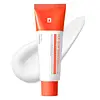
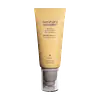
Tosowoong Rice Glow Sunscreen SPF 50+ Versus Haruharu Wonder Black Rice Moisture Airyfit Sunscreen SPF 50+ PA++++
This chemical sunscreen covers most of the UV range, lighter on the deep UVA that drives aging.
This chemical sunscreen covers the full UV range and blocks ~98% of UVB at SPF 50.

What's inside
What's inside
 Key Ingredients
Benefits
Concerns
Ingredients Side-by-side
Butyl Methoxydibenzoylmethane
UV Absorber
Homosalate
Skin Conditioning
Ethylhexyl Salicylate
UV Absorber
Octocrylene
UV Absorber

Oryza Sativa Bran Water
Masking
Water
Skin ConditioningIsohexadecane
EmollientDipropylene Glycol
HumectantPolysorbate 80
Emulsifying

Niacinamide
Smoothing











Silica
Abrasive
Pentylene Glycol
Skin Conditioning
1,2-Hexanediol
Skin Conditioning
Acrylates/C10-30 Alkyl Acrylate Crosspolymer
Emulsion StabilisingArginine
Masking
Methylpropanediol
SolventCaprylyl Glycol
Emollient
Ethylhexylglycerin
Skin ConditioningXanthan Gum
EmulsifyingRosmarinus Officinalis Leaf Oil
Masking
Mentha Arvensis Extract
MaskingSteareth-30
CleansingLactobacillus/Soymilk Ferment Filtrate
Skin ConditioningCymbopogon Nardus Oil
Masking
Ocimum Basilicum Oil
Masking
Litsea Cubeba Fruit Oil
Masking
Lavandula Angustifolia Oil
Masking
Glutathione
Arbutin
Antioxidant

Centella Asiatica Leaf Water
Skin Conditioning
Butylene Glycol
Humectant
Houttuynia Cordata Extract
Skin Conditioning
Hydrolyzed Sodium Hyaluronate
Skin Conditioning
Hydrolyzed Hyaluronic Acid
Humectant
Dimethylsilanol Hyaluronate
Humectant
Hyaluronic Acid
Humectant
Potassium Hyaluronate
Skin ConditioningSodium Hyaluronate
Humectant
Sodium Hyaluronate Crosspolymer
Humectant
Hydroxypropyltrimonium Hyaluronate
Sodium Hyaluronate Dimethylsilanol
HumectantSodium Acetylated Hyaluronate
Humectant
Butyl Methoxydibenzoylmethane, Homosalate, Ethylhexyl Salicylate, Octocrylene, Oryza Sativa Bran Water, Water, Isohexadecane, Dipropylene Glycol, Polysorbate 80, Niacinamide, Silica, Pentylene Glycol, 1,2-Hexanediol, Acrylates/C10-30 Alkyl Acrylate Crosspolymer, Arginine, Methylpropanediol, Caprylyl Glycol, Ethylhexylglycerin, Xanthan Gum, Rosmarinus Officinalis Leaf Oil, Mentha Arvensis Extract, Steareth-30, Lactobacillus/Soymilk Ferment Filtrate, Cymbopogon Nardus Oil, Ocimum Basilicum Oil, Litsea Cubeba Fruit Oil, Lavandula Angustifolia Oil, Glutathione, Arbutin, Centella Asiatica Leaf Water, Butylene Glycol, Houttuynia Cordata Extract, Hydrolyzed Sodium Hyaluronate, Hydrolyzed Hyaluronic Acid, Dimethylsilanol Hyaluronate, Hyaluronic Acid, Potassium Hyaluronate, Sodium Hyaluronate, Sodium Hyaluronate Crosspolymer, Hydroxypropyltrimonium Hyaluronate, Sodium Hyaluronate Dimethylsilanol, Sodium Acetylated Hyaluronate
Water
Skin ConditioningDibutyl Adipate
EmollientPropanediol
Solvent
Butyloctyl Salicylate
Skin Conditioning
Ethylhexyl Triazone
UV Absorber
Terephthalylidene Dicamphor Sulfonic Acid
UV Absorber
Glycerin
Humectant
Niacinamide
Smoothing
Tromethamine
BufferingPolyglyceryl-3 Distearate
Emulsifying
1,2-Hexanediol
Skin Conditioning
Pentylene Glycol
Skin Conditioning
Diethylamino Hydroxybenzoyl Hexyl Benzoate
UV Filter
Cetearyl Alcohol
Emollient


Caprylyl Methicone
Skin Conditioning
Polysilicone-15
UV Filter
Stellaria Media Extract
Skin ConditioningHelianthus Annuus Flower Extract
Skin ConditioningVaccinium Vitis-Idaea Fruit Extract
Antioxidant
Oryza Sativa Extract
Absorbent
Bellis Perennis Flower Extract
Skin ConditioningHouttuynia Cordata Extract
Skin Conditioning
Oryza Sativa Bran Oil
Emollient
Hydrogenated Lecithin
Emulsifying
Polymethylsilsesquioxane
Palmitic Acid
Emollient
Butylene Glycol
Humectant
Stearic Acid
Cleansing
Glyceryl Stearate
Emollient
Bis-Ethylhexyloxyphenol Methoxyphenyl Triazine
UV Absorber
Potassium Cetyl Phosphate
EmulsifyingPoly C10-30 Alkyl Acrylate
Emulsion StabilisingMethylpropanediol
SolventCarbomer
Emulsion StabilisingAmmonium Acryloyldimethyltaurate/Vp Copolymer
Acrylates/C10-30 Alkyl Acrylate Crosspolymer
Emulsion StabilisingGlyceryl Stearate Citrate
Emollient
Ethylhexylglycerin
Skin ConditioningAdenosine
Skin Conditioning
Polyether-1
Myristic Acid
Cleansing
Biosaccharide Gum-1
Humectant
Tocopherol
Antioxidant
Moringa Oleifera Seed Oil
Emollient
Ceramide NP
Skin Conditioning
Phytosphingosine
Skin Conditioning
Phenethyl Alcohol
MaskingSodium Chloride
MaskingDisodium Phosphate
BufferingPotassium Chloride
Potassium Phosphate
BufferingWater, Dibutyl Adipate, Propanediol, Butyloctyl Salicylate, Ethylhexyl Triazone, Terephthalylidene Dicamphor Sulfonic Acid, Glycerin, Niacinamide, Tromethamine, Polyglyceryl-3 Distearate, 1,2-Hexanediol, Pentylene Glycol, Diethylamino Hydroxybenzoyl Hexyl Benzoate, Cetearyl Alcohol, Caprylyl Methicone, Polysilicone-15, Stellaria Media Extract, Helianthus Annuus Flower Extract, Vaccinium Vitis-Idaea Fruit Extract, Oryza Sativa Extract, Bellis Perennis Flower Extract, Houttuynia Cordata Extract, Oryza Sativa Bran Oil, Hydrogenated Lecithin, Polymethylsilsesquioxane, Palmitic Acid, Butylene Glycol, Stearic Acid, Glyceryl Stearate, Bis-Ethylhexyloxyphenol Methoxyphenyl Triazine, Potassium Cetyl Phosphate, Poly C10-30 Alkyl Acrylate, Methylpropanediol, Carbomer, Ammonium Acryloyldimethyltaurate/Vp Copolymer, Acrylates/C10-30 Alkyl Acrylate Crosspolymer, Glyceryl Stearate Citrate, Ethylhexylglycerin, Adenosine, Polyether-1, Myristic Acid, Biosaccharide Gum-1, Tocopherol, Moringa Oleifera Seed Oil, Ceramide NP, Phytosphingosine, Phenethyl Alcohol, Sodium Chloride, Disodium Phosphate, Potassium Chloride, Potassium Phosphate
Reviews
Ingredients Explained
These ingredients are found in both products.
Ingredients higher up in an ingredient list are typically present in a larger amount.
1,2-Hexanediol is a synthetic liquid and another multi-functional powerhouse.
It is a:
- Humectant, drawing moisture into the skin
- Emollient, helping to soften skin
- Solvent, dispersing and stabilizing formulas
- Preservative booster, enhancing the antimicrobial activity of other preservatives
Acrylates/C10-30 Alkyl Acrylate Crosspolymer is a synthetic polymer. It is used to thicken, emulsify, and improve the texture of products.
As an emulsifier, it helps stabilize oil-in-water emulsions to give products an elegant feel when applied.
It can also form a thin protective film on skin. One study found that a formula using this polymer helped slow down how quickly other ingredients (like DEET) were absorbed through skin.
A 2024 study of over 1,300 patients confirmed that sensitization to this ingredient is rare. It is also non-mutagenic and has a clean track record.
Learn more about Acrylates/C10-30 Alkyl Acrylate CrosspolymerButylene Glycol (or BG) is used within cosmetic products for a few different reasons:
Overall, Butylene Glycol is a safe and well-rounded ingredient that works well with other ingredients.
Though this ingredient works well with most skin types, some people with sensitive skin may experience a reaction such as allergic rashes, closed comedones, or itchiness.
Learn more about Butylene GlycolEthylhexylglycerin is created from glycerin. It is a multitasker ingredient that:
The CIR Expert Panel found minimal skin absorption or sensitization of any kind in a safety assessment. Though this ingredient is considered well-tolerated, a small number of cases of allergic dermatitis have been published since 2002. Just be sure to patch test if you are unsure.
Industry-reported use ranges from 8% in rinse-off products and 2% in leave-on formulations.
Learn more about EthylhexylglycerinHouttuynia Cordata Extract is more commonly known as Heart Leaf, Fish Mint, or Chameleon plant.
The components found in Heart Leaf give it antioxidant, hydrating, antimicrobial, and anti-inflammatory properties.
Heart Leaf is rich in flavonoids such as quercetin, apigenin, and more. It also contains polysaccharides, the most common type of carbs in food.
Flavonoids have been shown to be effective antioxidants. They help neutralize free-radical molecules. Free-radical molecules are unstable molecules that may damage our skin cells and DNA. The flavonoids in Heart Leaf also help soothe the skin.
Polysaccharides are naturally found in our skin. They play a role in hydrating and repairing the top layer of skin. The polysaccharides in Heart Leaf help moisturize our skin.
Studies show decanoyl acetaldehyde, a component of Heart Leaf oil, is effective at killing bacteria.
The name 'Fish Mint' comes from the herb's natural fishy smell. Is is native to southeast Asia and used throughout the continent for traditional cooking and medicine.
Learn more about Houttuynia Cordata ExtractMethylpropanediol is a synthetic solvent and humectant.
As a solvent, it helps dissolve other ingredients, helping to evenly distribute ingredients throughout the product. This ingredient has also been shown to have antimicrobial properties which makes it a preservative booster.
Methylpropanediol is able to add a bit of moisture to the skin. It also helps other ingredients be better absorbed into the skin, such as salicylic acid.
Learn more about MethylpropanediolNiacinamide is a multitasking form of vitamin B3 that strengthens the skin barrier, reduces pores and dark spots, regulates oil, and improves signs of aging.
And the best part? It's gentle and well-tolerated by most skin types, including sensitive and reactive skin.
You might have heard of "niacin flush", or the reddening of skin that causes itchiness. Niacinamide has not been found to cause this.
In very rare cases, some individuals may not be able to tolerate niacinamide at all or experience an allergic reaction to it.
If you are experiencing flaking, irritation, and dryness with this ingredient, be sure to double check all your products as this ingredient can be found in all categories of skincare.
When incorporating niacinamide into your routine, look out for concentration amounts. Typically, 5% niacinamide provides benefits such as fading dark spots. However, if you have sensitive skin, it is better to begin with a smaller concentration.
When you apply niacinamide to your skin, your body converts it into nicotinamide adenine dinucleotide (NAD). NAD is an essential coenzyme that is already found in your cells as "fuel" and powers countless biological processes.
In your skin, NAD helps repair cell damage, produce new healthy cells, support collagen production, strengthen the skin barrier, and fight environmental stressors (like UV and pollution).
Our natural NAD levels start to decline with age, leading to slower skin repair, visible aging, and a weaker skin barrier. By providing your skin niacinamide, you're recharging your skin's NAD levels. This leads to stronger, healthier, and younger looking skin.
Another name for vitamin B3 is nicotinamide. This vitamin is water-soluble and our bodies don't store it. We obtain Vitamin B3 from either food or skincare. Meat, fish, wheat, yeast, and leafy greens contain vitamin B3.
The type of niacinamide used in skincare is synthetically created.
Learn more about NiacinamidePentylene Glycol (1,2-pentanediol) is a multitasking little diol with three main roles in a formula:
Research on alkanediols (the family pentylene glycol belongs to) show they work by disrupting microbial cell membranes. This disruption helps the primary preservative system in a product work more effectively at lower doses.
On the safety side, the Cosmetic Ingredient Review Expert Panel has concluded this ingredient to be safe as used in current cosmetic practices + concentrations.
Typical use levels in a formula run about 1-5%.
Learn more about Pentylene GlycolWater. It's the most common cosmetic ingredient of all. You'll usually see it at the top of ingredient lists, meaning that it makes up the largest part of the product.
So why is it so popular? Water most often acts as a solvent - this means that it helps dissolve other ingredients into the formulation.
You'll also recognize water as that liquid we all need to stay alive. If you see this, drink a glass of water. Remember to stay hydrated!
Learn more about Water

